
Often a point of curiosity for travelers, residents, and anyone planning a journey across the vast expanse of the United States, the question of Oklahoma’s regional placement can lead to surprisingly diverse answers. Is it the heartland, the Southwest, or perhaps a unique blend of several influences? Unpacking this geographic puzzle reveals not just a location on the map, but also a rich tapestry of history, culture, and travel experiences that make the Sooner State a compelling destination.
Navigating Oklahoma’s Geographic Identity
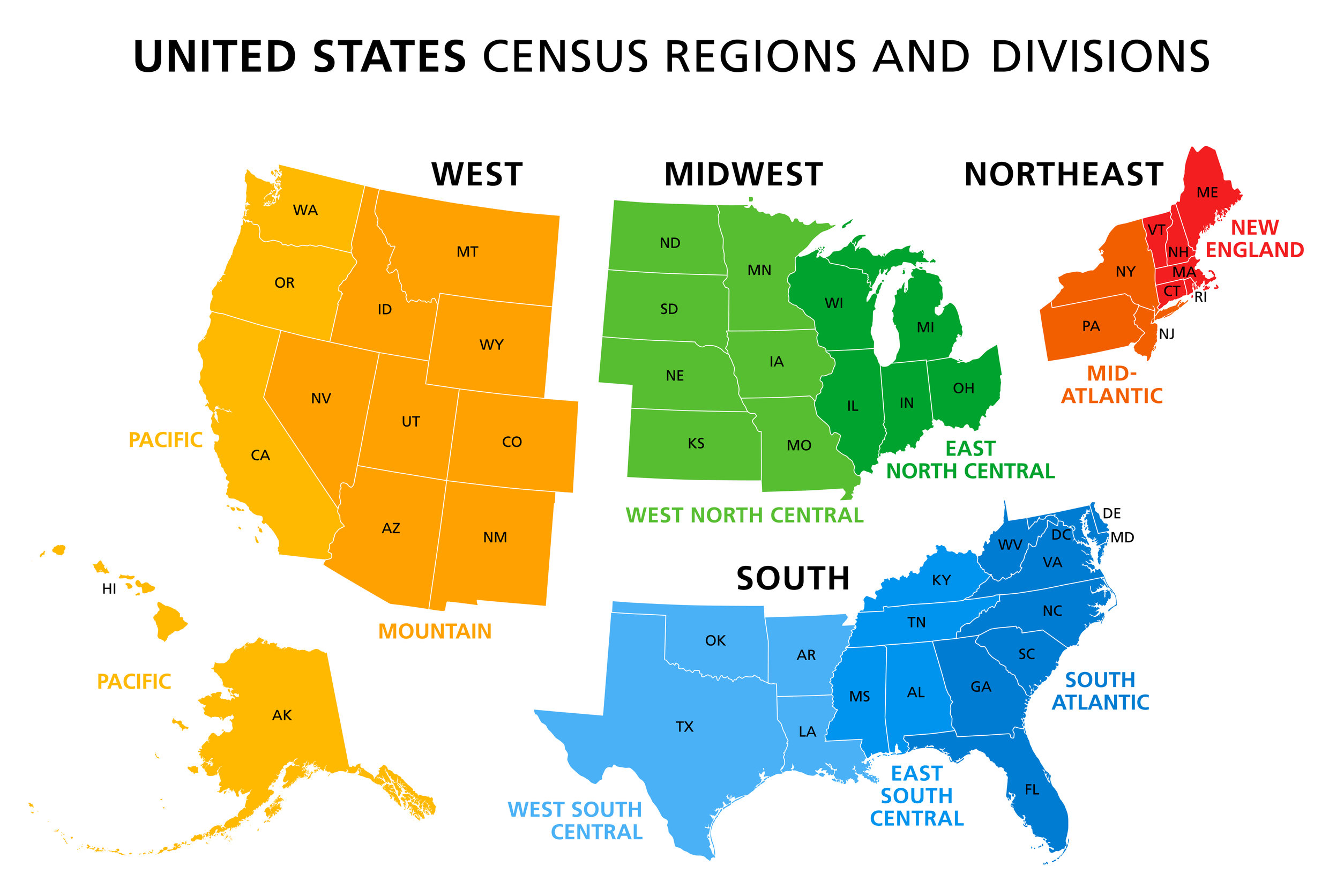
The United States, with its immense size and varied landscapes, is conventionally divided into several broad regions. These regional classifications are not always rigidly defined, and states, particularly those situated at the crossroads of different geographic and cultural zones, can often be claimed by multiple regions. Oklahoma is a prime example of such a state, existing in a fascinating interstitial space that borrows characteristics from several dominant American regional identities.
The Crossroads of American Geography
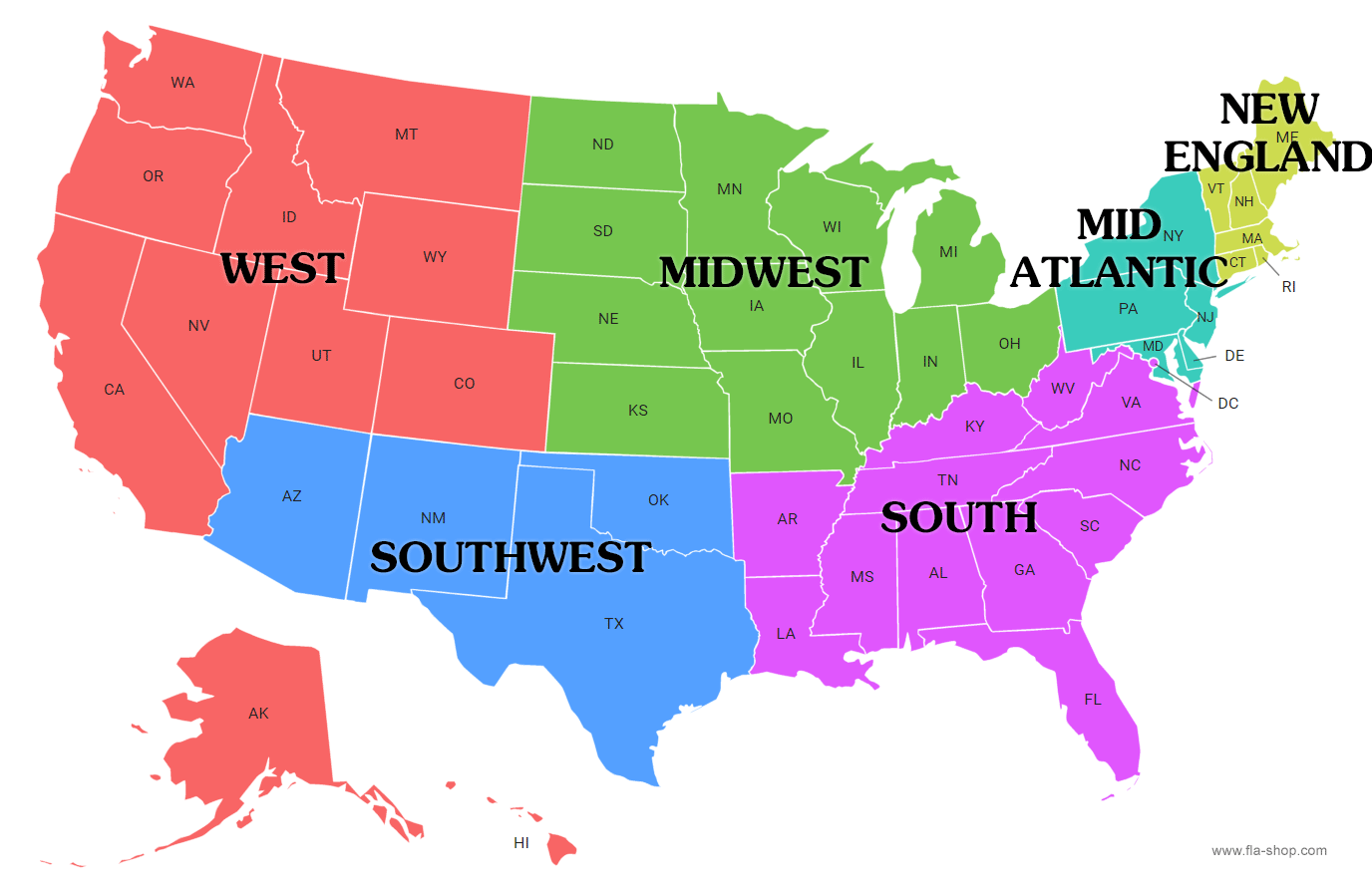
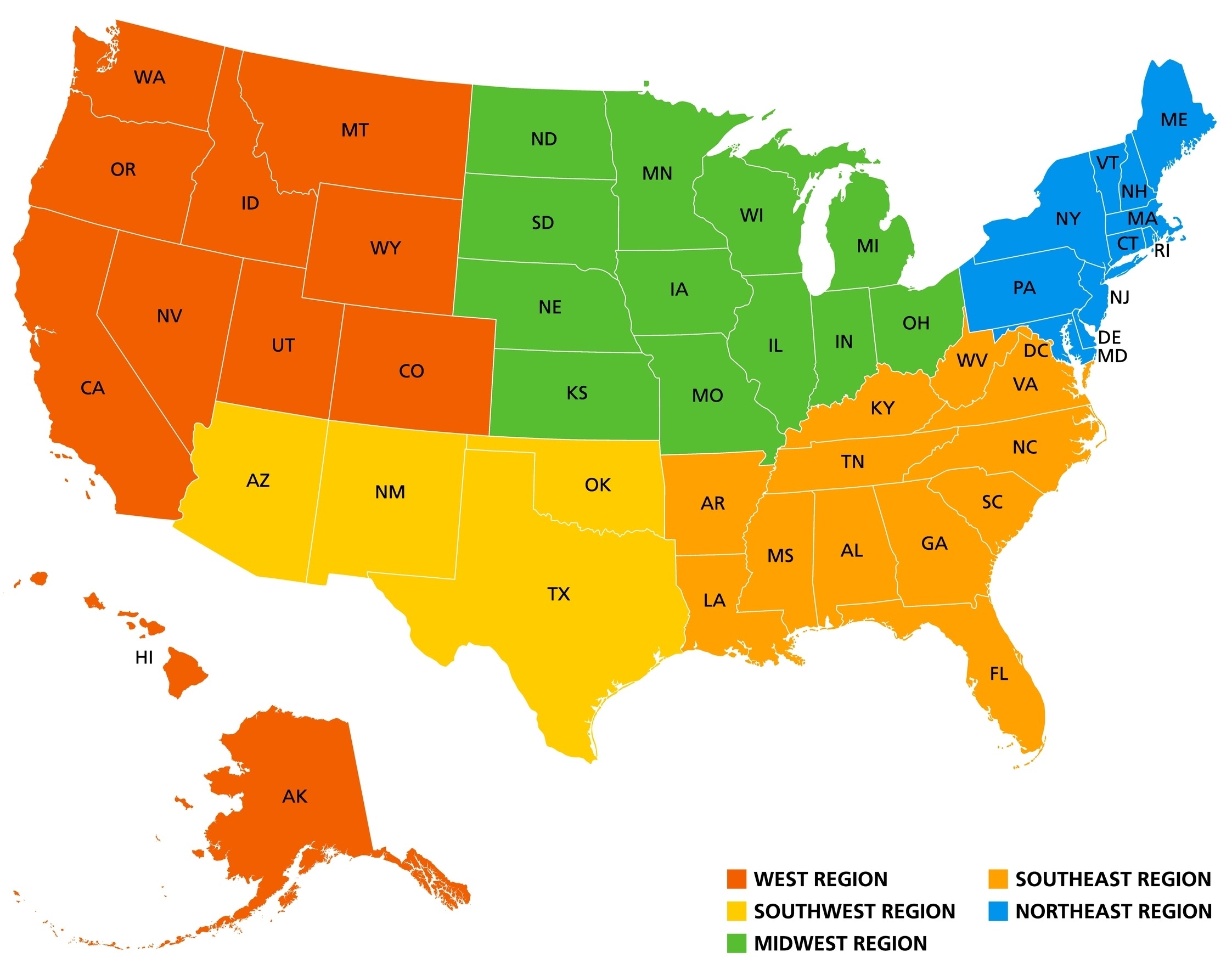
When considering the most common regional classifications, Oklahoma frequently appears in discussions pertaining to both the Southwest and the Midwest. This dual identity stems from its historical development, its diverse terrain, and the cultural influences that have shaped its character over centuries.
The Southwest Connection
The Southwest is typically understood to encompass states like Texas, New Mexico, Arizona, and sometimes Colorado and Utah. Characteristics often associated with the Southwest include arid or semi-arid climates, a strong Native American heritage, Spanish colonial influences, and a landscape dominated by deserts, mesas, and canyons. Oklahoma shares several of these traits. Its western reaches, particularly the Texas Panhandle border areas and the Oklahoma Panhandle, exhibit a more arid, high-plains environment that is distinctly Southwestern. The presence of numerous Native American tribes, many of whom have deep historical roots in the region and continue to maintain vibrant cultural traditions, is a significant defining feature of Oklahoma that aligns it with the Southwest. Cities like Oklahoma City and Tulsa showcase this heritage through museums, cultural centers, and festivals. The architectural styles in some parts of the state also hint at Southwestern influences.
The Midwest Embrace
Conversely, the Midwest is generally seen as the agricultural heartland of the nation, characterized by fertile plains, rolling hills, and a climate with distinct seasons, including hot summers and cold winters. States like Kansas, Nebraska, Missouri, Iowa, and Illinois are commonly included in this group. Eastern and central Oklahoma, with its rolling prairies, oak-forested hills (especially in the Ozarks and Ouachita Mountains), and significant agricultural output, shares many characteristics with the Midwest. The economies of these areas have historically been tied to farming and ranching, mirroring the economic underpinnings of the Midwest. The cultural norms and general demeanor often attributed to Midwesterners – such as friendliness, a strong work ethic, and a more reserved social style – are also frequently observed in Oklahomans. The emphasis on community and small-town life, prevalent throughout the Midwest, is also a hallmark of many Oklahoman communities.
A State of Transition
Given these overlapping characteristics, it is most accurate to describe Oklahoma as a transitional state. It doesn’t fit neatly into a single, exclusive regional box. Instead, it serves as a bridge, a place where the distinct geographical, cultural, and historical threads of the Southwest and the Midwest converge and intermingle. This unique position is a major part of what makes Oklahoma such an interesting place to explore, offering a blend of experiences that can feel both familiar and refreshingly distinct.
Exploring Oklahoma’s Unique Appeal
Understanding Oklahoma’s regional identity is crucial for anyone looking to travel through the state, whether for leisure or business. This understanding informs expectations about the landscape, climate, local customs, and the types of attractions one might encounter. The website’s focus on travel, tourism, and lifestyle naturally lends itself to exploring these nuances.
Travel and Tourism: A Blend of Influences
Oklahoma’s tourism landscape is a testament to its hybrid regional identity. Visitors can experience the rugged beauty of the Southwest in one part of the state and the gentler, greener vistas of the Midwest in another, all within a single journey.
Southwestern Adventures
For those drawn to the stark beauty and rich history of the Southwest, western Oklahoma offers a compelling array of destinations. The Black Mesa State Park provides opportunities for hiking and stargazing under remarkably dark skies, a characteristic of many remote Southwestern locales. The Panhandle region, with its wide-open spaces and historic Route 66 remnants, evokes a sense of classic Americana often associated with Southwestern road trips. The influence of Native American cultures is undeniable, with numerous museums and cultural centers dedicated to preserving and celebrating the heritage of tribes such as the Cherokee, Choctaw, Chickasaw, Muscogee (Creek), and Seminole. Visiting Indian City U.S.A. near Anadarko offers an immersive experience into the historical dwellings and traditions of these peoples.
Midwestern Charms and Prairie Landscapes
Eastern and central Oklahoma offer a different, yet equally captivating, travel experience. The Ozark Mountains, shared with neighboring Missouri and Arkansas, present a landscape of forested hills, clear rivers, and numerous state parks like Beavers Bend State Park, perfect for outdoor recreation such as canoeing, fishing, and hiking. The Ouachita Mountains in southeastern Oklahoma provide a similar, albeit slightly more rugged, natural beauty. Cities like Tulsa, with its impressive Art Deco architecture, and Oklahoma City, the state capital and a burgeoning hub of culture and entertainment, showcase a blend of modern amenities and historical depth. The local food scene often reflects this transitional identity, with influences from both Southern comfort food and Midwestern farm-to-table traditions. Exploring the vibrant downtown areas, visiting the National Cowboy & Western Heritage Museum in Oklahoma City, or catching a performance at the Tulsa Performing Arts Center are all experiences that resonate with a broader American cultural narrative.
Accommodation and Lifestyle Choices
The diversity of Oklahoma’s regional character is also reflected in its accommodation options and the lifestyle choices available to visitors and residents. Whether seeking a luxurious resort experience, a comfortable family-friendly stay, or a budget-conscious adventure, Oklahoma offers a spectrum of possibilities.
Diverse Stays for Every Traveler
From sprawling resorts nestled in the scenic hills to charming boutique hotels in historic downtowns, Oklahoma provides a wide range of accommodation. For families, many apartments and villas offer more space and amenities like full kitchens, ideal for longer stays or for those who prefer a home-away-from-home feel. Travelers looking for unique experiences might explore historic inns or even themed lodges that capture the spirit of the region. The accommodations scene is constantly evolving, with new options appearing that cater to various tastes and budgets. Whether you’re planning a romantic getaway to a secluded cabin or a bustling city break, finding the right place to stay is part of the adventure.
Tailoring Your Oklahoma Experience
Oklahoma’s unique position allows for a broad spectrum of lifestyle travel. Luxury travel can be found in the upscale hotels and resorts of Oklahoma City and Tulsa, offering fine dining, spa services, and high-end shopping. For those on a budget travel plan, numerous motels, inns, and vacation rentals provide affordable and comfortable options, allowing travelers to experience the state’s attractions without breaking the bank. Family trips are well-served by destinations offering a mix of outdoor activities, interactive museums, and child-friendly attractions. Business travelers can find convenient and well-equipped business stays in major cities. The state’s welcoming atmosphere and diverse offerings make it an accessible and rewarding destination for virtually any travel style.
Oklahoma’s Enduring Legacy and Future Horizons
The question of “What region of the US is Oklahoma in?” is more than just a geographical query; it’s an invitation to explore a state rich in history, diverse in its landscapes, and unique in its cultural tapestry. Its position as a transitional zone between the Southwest and the Midwest imbues it with a character that is distinctly its own, a compelling blend of rugged frontier spirit and Heartland warmth.
A Land Shaped by History and Nature
Oklahoma’s history is deeply intertwined with the journeys of Native American tribes, pioneers, and immigrants from various backgrounds. This historical narrative has left an indelible mark on the state’s identity, visible in its landmarks, its traditions, and the resilience of its people. The Oklahoma Historical Society plays a vital role in preserving this rich heritage. From the iconic Route 66, which slices through the state and serves as a living museum of Americana, to the natural wonders of its diverse ecosystems, Oklahoma offers a profound connection to the American past and present.
The nature of Oklahoma’s landscape is a key draw for outdoor enthusiasts. The ** Wichita Mountains Wildlife Refuge** offers a glimpse into a preserved natural habitat, teeming with bison and prairie dogs, reminiscent of the wild West. The Turner Falls Park, with its stunning waterfall, provides a refreshing natural escape. These natural landmarks are complemented by significant historical and architectural sites that tell the story of the state’s development.
Looking Ahead: Oklahoma as a Destination
As tourism continues to grow and evolve, Oklahoma is increasingly recognized for its unique offerings. The state is investing in infrastructure, promoting its cultural attractions, and developing new experiences to welcome visitors. Whether you’re interested in exploring local culture, indulging in regional food, or embarking on thrilling activities, Oklahoma has something to offer. The tips and guides available through resources like this website can help travelers make the most of their visit, uncovering hidden gems and experiencing the authentic spirit of the Sooner State.
In conclusion, while Oklahoma may not fit neatly into a single regional category, its identity as a state at the crossroads of the Southwest and the Midwest is precisely what makes it such a fascinating and multifaceted destination. It’s a place where the echoes of history meet the promise of the future, offering a travel experience that is as rich and varied as the American landscape itself. Planning your visit to Oklahoma is an opportunity to discover a region that is both deeply American and wonderfully unique.