
Florida, the Sunshine State, beckons millions of travelers each year with its stunning beaches, world-famous theme parks, vibrant cities, and unique natural landscapes. From the magical realms of Walt Disney World Resort in Orlando to the bustling cultural hub of Miami, and the historic charm of St. Augustine, there’s an adventure for every type of traveler. However, even in paradise, health and well-being remain paramount concerns. For those planning a trip or currently enjoying the allure of Florida, understanding the current health landscape is a vital step in ensuring a safe and enjoyable journey. “What sickness is going around in Florida right now?” is a question many conscientious travelers ask, reflecting a smart approach to travel preparedness.
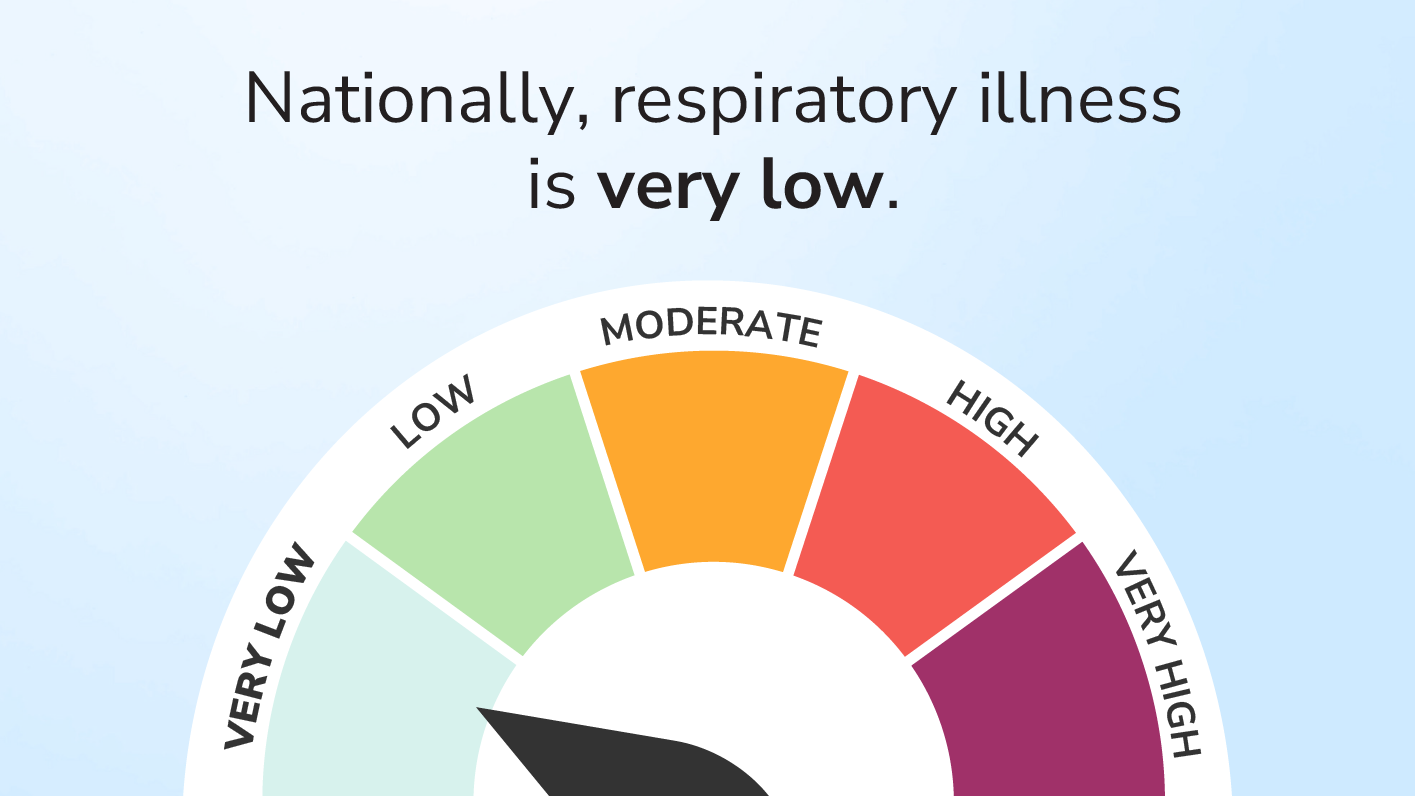
While specific illness trends can fluctuate rapidly, this article aims to provide a comprehensive overview of common health considerations for visitors to Florida, practical advice for staying healthy, and guidance on what to do should you feel unwell. Our focus remains on empowering you with the knowledge to navigate your Florida experience with confidence, ensuring your accommodation, activities, and overall lifestyle choices contribute to a memorable and healthy trip.
Understanding the Current Health Landscape in Florida
Staying informed about potential health risks is a cornerstone of responsible travel, especially in popular destinations like Florida. The state’s diverse climate and high visitor volume mean that various illnesses can circulate at different times of the year. While it’s impossible to predict exact outbreaks, understanding typical patterns and knowing where to find reliable information is key.
Common Seasonal and Endemic Concerns
Like many parts of the world, Florida experiences seasonal fluctuations in common respiratory illnesses. During the cooler months, typically from late fall through early spring, viruses such as influenza (flu), the common cold, and respiratory syncytial virus (RSV) tend to become more prevalent. Even amidst Florida’s milder winters, these viruses can spread rapidly in crowded tourist attractions, hotels, and public transport. Additionally, new variants of COVID-19 can circulate year-round, making it a persistent consideration for travelers.
Beyond respiratory illnesses, Florida’s subtropical climate also presents unique considerations. Mosquito-borne diseases like West Nile Virus, Dengue Fever, and sometimes even localized cases of Zika Virus, are endemic in certain areas, particularly after heavy rains. While serious outbreaks are rare, staying vigilant about mosquito bite prevention is always a wise precaution. Furthermore, gastrointestinal illnesses, such as Norovirus, can occasionally spread rapidly in communal settings like cruise ships, resorts, and large dining facilities, emphasizing the importance of diligent hand hygiene. Less common but notable, especially for those venturing into natural water bodies, are bacterial infections like Vibrio vulnificus, which can occur in brackish or saltwater environments. These are typically rare but are serious concerns for individuals with open wounds or compromised immune systems.
How to Stay Informed
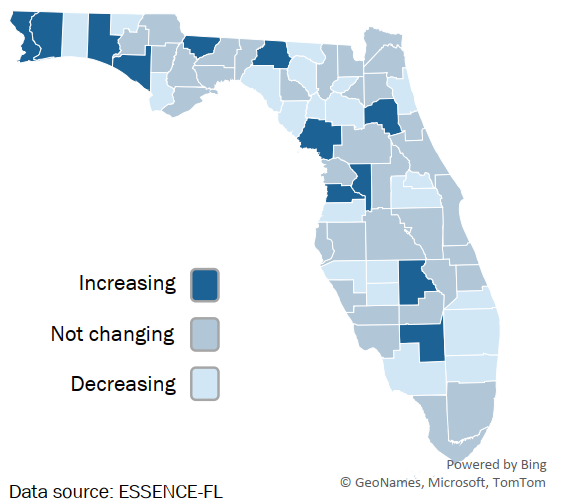
For the most accurate and up-to-date information on current illness trends in Florida, travelers should always consult official public health resources. The Florida Department of Health is the primary source for state-specific health advisories, epidemiological reports, and guidance. Their website offers detailed information on reportable diseases, current alerts, and prevention strategies. Similarly, the Centers for Disease Control and Prevention (CDC) provides national health guidelines, travel health notices, and general advice that can be applied to any domestic destination. Before and during your trip, make it a habit to check these sites. Local news outlets and healthcare providers in your specific Florida destination (e.g., Tampa, Fort Lauderdale, Key West) can also offer localized insights into health concerns, such as pollen counts during allergy season or specific advisories related to water quality after storms. By proactively seeking information from these reputable sources, you can make informed decisions that enhance your travel experience and protect your health.

Safeguarding Your Florida Travel Experience
A proactive approach to health and safety can significantly enhance your Florida vacation, allowing you to fully immerse yourself in its attractions, culture, and lifestyle without unnecessary worry. Preparing effectively before you leave and practicing smart habits while you’re there are crucial steps in preventing illness and ensuring a smooth journey.
Pre-Trip Preparations for a Healthy Journey
Before you even pack your bags, there are several key steps you can take to bolster your defenses against common illnesses. Firstly, ensure all your routine vaccinations are up-to-date. This includes measles, mumps, and rubella (MMR), tetanus, and pertussis (Tdap). More specifically for travel, consider getting your seasonal flu shot, ideally two weeks before your departure, to allow immunity to develop. Staying current with COVID-19 vaccinations and boosters is also highly recommended, especially given the continuous circulation of various strains. For some travelers, particularly those with underlying health conditions or those planning extensive outdoor activities, a discussion with your doctor about additional immunizations or preventative measures, such as antimalarial medication (though not typically needed for Florida), might be beneficial.
Secondly, securing comprehensive travel insurance is a non-negotiable aspect of responsible travel. While you might hope never to use it, a good policy provides peace of mind, covering medical emergencies, trip interruptions, and even emergency medical evacuation. Review your policy carefully to understand its coverage limits, particularly for medical expenses abroad or domestic travel, and note any exclusions. Packing a small, personal first-aid kit can also be incredibly useful. Include basics like pain relievers, allergy medication, antacids, band-aids, antiseptic wipes, and any prescription medications you regularly take, ensuring you have enough for your entire trip plus a few extra days. Don’t forget essentials like hand sanitizer (at least 60% alcohol), disinfectant wipes for surfaces, and if you plan to explore nature, a high-quality insect repellent containing DEET or picaridin.
On-the-Ground Health Practices for Tourists
Once you arrive in Florida, maintaining good health practices becomes your daily routine. Hand hygiene is paramount; wash your hands frequently and thoroughly with soap and water, especially before eating and after using the restroom or touching public surfaces. When soap and water aren’t available, use your hand sanitizer. Be mindful of what you touch in high-traffic areas like theme parks such as Universal Studios Florida or the bustling corridors of Miami International Airport.
While Florida’s food and water safety standards are generally excellent, always drink bottled water or filtered tap water if you have any concerns. When dining out, choose reputable restaurants and opt for freshly cooked meals. Given Florida’s intense sun, staying hydrated is crucial to prevent heatstroke and exhaustion. Drink plenty of water throughout the day, even if you don’t feel thirsty, and limit excessive alcohol consumption, which can contribute to dehydration. Sun protection is equally important; use broad-spectrum sunscreen with at least SPF 30, wear wide-brimmed hats and sunglasses, and seek shade during peak sun hours (typically 10 AM to 4 PM).
Finally, be aware of your surroundings, particularly concerning mosquito activity. Use insect repellent liberally, especially during dawn and dusk or when visiting areas close to wetlands, like parts of Everglades National Park or the Florida Keys. If you feel even slightly unwell, it’s wise to limit contact with others to prevent the potential spread of illness, especially in crowded settings like those found at Epcot or Busch Gardens Tampa Bay. Flexibility in your itinerary can also be beneficial; if you’re feeling under the weather, prioritize rest over pushing through to see another attraction.
Navigating Accommodation and Activities with Health in Mind
Your choice of accommodation and how you engage with Florida’s myriad attractions can significantly impact your health and safety. From luxury resorts to cozy apartments, understanding cleanliness protocols and making informed decisions about activities are key components of a worry-free trip.
Hotel Stays and Resort Safety
Hotels and resorts, from the grand elegance of The Breakers Palm Beach to the family-friendly amenities of a Hyatt Regency Orlando near Magic Kingdom, have varying standards for cleanliness and hygiene. Before booking, consider checking recent reviews for mentions of cleanliness and health protocols. Many establishments, particularly after recent global health events, have enhanced their cleaning regimens, utilizing hospital-grade disinfectants and focusing on high-touch surfaces. Upon arrival, a quick wipe-down of remote controls, light switches, and doorknobs in your room with your own disinfectant wipes can add an extra layer of protection.
When utilizing hotel amenities, common sense goes a long way. Use hand sanitizer before and after touching shared equipment in the gym. If you’re enjoying the pool, be aware of proper pool hygiene, and don’t swim if you have an open wound or are feeling unwell. Should you start to feel sick while staying at a hotel, notify the front desk. They can often provide guidance on local medical services, or in some cases, even arrange for a doctor to visit or suggest a telehealth consultation. It’s also courteous and responsible to minimize contact with staff and other guests if you are experiencing symptoms, perhaps opting for room service instead of dining in communal areas. For those considering long-term stays in vacation rentals or apartments, maintaining your own stringent cleaning practices, especially in shared spaces, is advisable.
Enjoying Florida’s Attractions Responsibly
Florida’s attractions range from the adrenaline-pumping rides at Hollywood Studios to the serene shores of Miami Beach and the natural wonders of Dry Tortugas National Park. Enjoying these experiences responsibly means being mindful of crowds and environmental factors. Popular tourist destinations inherently involve larger gatherings of people, which can increase the risk of airborne illness transmission. During peak seasons or at major events, consider wearing a mask in crowded indoor spaces or on public transport.
When planning your days, consider visiting popular attractions during off-peak hours if possible, or opt for outdoor activities that allow for more natural distancing, such as exploring the Art Deco Historic District in South Beach or enjoying the botanical gardens in Sarasota. Remember to stay hydrated and protect yourself from the sun, especially during prolonged outdoor activities at places like Animal Kingdom or while snorkeling in the Florida Keys. If you’re feeling under the weather, it’s not only for your benefit but also for the well-being of others that you should postpone your visit to crowded attractions. Many theme parks and tour operators offer flexible booking options, making it easier to adjust your plans if health concerns arise. Prioritizing health ensures that everyone can enjoy Florida’s incredible offerings.
What to Do If You Get Sick While Traveling in Florida
Despite all preventative measures, sometimes illness can strike even the most prepared traveler. Knowing what steps to take if you fall ill while in Florida can significantly reduce stress and facilitate a quicker recovery.
Seeking Medical Attention
If your symptoms are mild, start by resting, staying hydrated, and using over-the-counter medications from your travel first-aid kit. However, if symptoms worsen, persist, or if you experience severe symptoms like high fever, difficulty breathing, or severe pain, prompt medical attention is necessary. Florida boasts a robust healthcare system, offering several options for care. For non-life-threatening but urgent conditions, urgent care centers are an excellent choice. They are widely available in most cities and tourist areas, typically have shorter wait times than emergency rooms, and are equipped to handle a variety of illnesses and minor injuries. A quick online search for “urgent care near me” will usually yield several options.
For serious or life-threatening emergencies, head directly to the nearest hospital emergency room. In such cases, dial 911 immediately for ambulance services. Before seeking care, ensure you have your travel insurance information readily available, including your policy number and contact details for your insurance provider. They can often guide you to in-network providers or advise on the claims process. Many healthcare providers in Florida also offer telehealth services, which can be a convenient option for initial consultations or prescription refills if you’re feeling too unwell to leave your accommodation. Always be transparent about your travel history and symptoms with healthcare professionals.
Managing Your Recovery and Travel Plans
Once you’ve received medical advice, focus on your recovery. This typically means prioritizing rest and hydration. If you’re diagnosed with a contagious illness, it’s crucial to follow any recommended isolation guidelines to prevent further spread. Inform your hotel or accommodation provider of your situation; they may be able to offer assistance or make arrangements for your comfort.
Illness can sometimes disrupt travel plans, requiring changes to flights, hotel bookings, or tour schedules. If your condition necessitates extending your stay or modifying your departure, contact your airline, hotel, and any tour operators as soon as possible. Having comprehensive travel insurance can be invaluable at this stage, as it may cover unexpected expenses related to trip cancellation, interruption, or medical costs. Keep all medical documents, receipts for treatment, and communication records with your travel providers, as these will be essential for any insurance claims. While getting sick during a trip is never ideal, approaching it with preparedness and knowing your options can help mitigate the impact and allow you to return home safely once you’ve recovered.
In conclusion, a trip to Florida promises excitement and relaxation, and by staying informed, practicing good hygiene, and knowing what to do in case of illness, you can ensure your adventure in the Sunshine State remains a healthy and memorable one. By following the advice outlined, you’re not just protecting yourself, but also contributing to the well-being of the broader community of travelers and residents alike.
LifeOutOfTheBox is a participant in the Amazon Services LLC Associates Program, an affiliate advertising program designed to provide a means for sites to earn advertising fees by advertising and linking to Amazon.com. Amazon, the Amazon logo, AmazonSupply, and the AmazonSupply logo are trademarks of Amazon.com, Inc. or its affiliates. As an Amazon Associate we earn affiliate commissions from qualifying purchases.