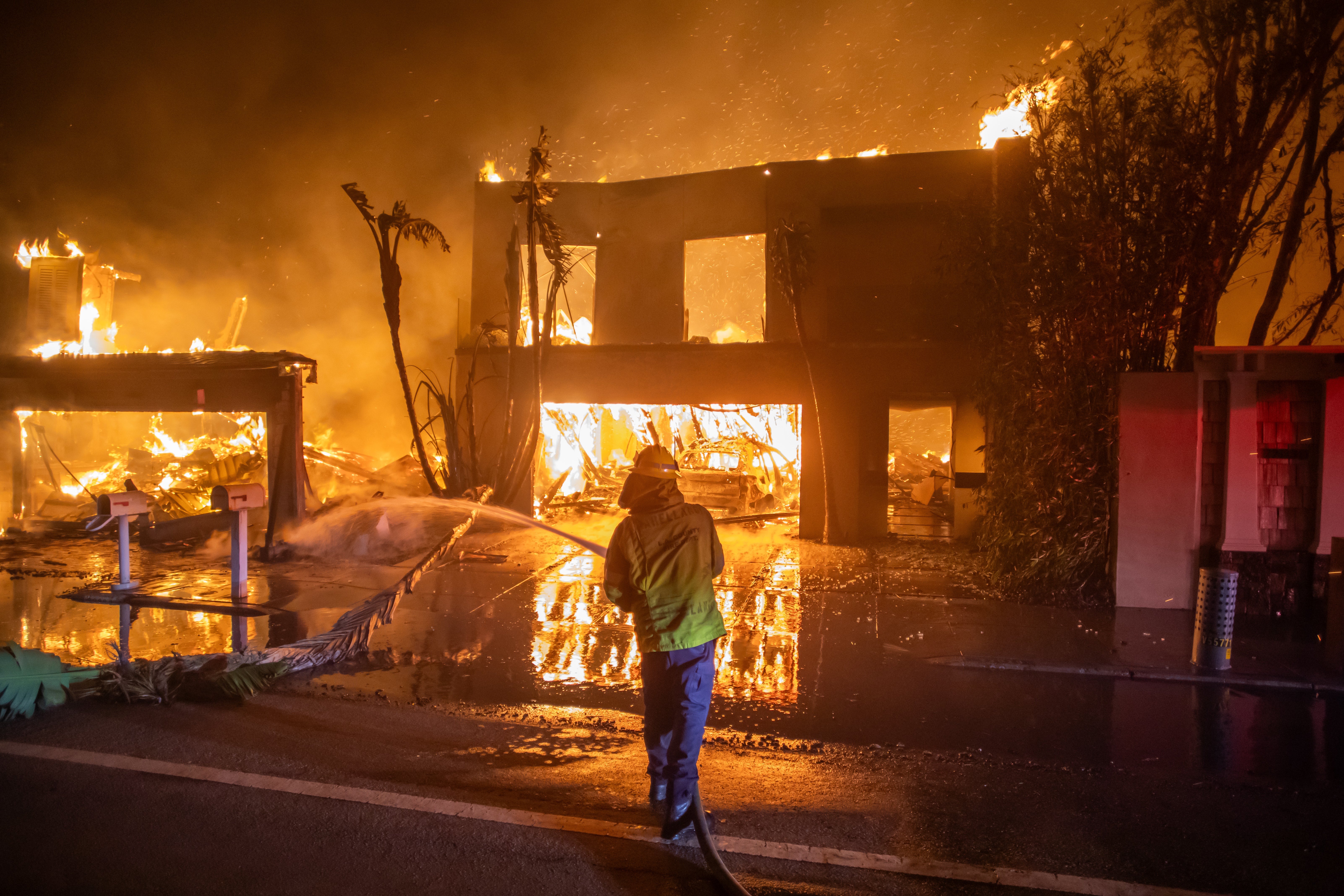
The Golden State of California is renowned globally for its stunning natural beauty, from the sun-kissed beaches of Southern California to the majestic forests of its northern reaches. It’s a land of dreams for travelers seeking diverse experiences, vibrant culture, and unparalleled outdoor adventures. However, this allure often comes with a stark reminder of nature’s formidable power: wildfires. Among the numerous blazes that have scarred the California landscape, the Palisades Fire of 2021 stands out as a significant event, not just for its immediate impact on communities like Pacific Palisades and Topanga Canyon, but also for the critical questions it raised about fire prevention, community preparedness, and the delicate balance between human activity and nature in prime tourist destinations.
The title itself, “What Started The Palisades Fire In California?”, points to a fundamental human curiosity: understanding the origins of such destructive forces. For residents, it’s about safety and accountability. For the countless visitors who plan their trips to explore California’s landmarks and natural parks, it’s about understanding the risks and the responsible way to engage with these environments. This article delves into the origins of the Palisades Fire, its unfolding narrative, the profound impact it had on the region, and the broader implications for travel and tourism in a state that continues to captivate the world.
The Unfolding Calamity: A Glimpse into the Palisades Fire
The Palisades Fire ignited on May 14, 2021, sending plumes of smoke visible across Los Angeles and beyond. What began as a relatively small brush fire quickly escalated, fueled by dense chaparral, steep terrain, and persistent drought conditions that had left the vegetation exceptionally dry. For days, the fire burned through the rugged canyons and hillsides of the Santa Monica Mountains, a cherished natural escape just minutes from the bustling city.
Initial Outbreak and Rapid Spread
The initial reports of smoke and flames came from near the 18300 block of Topanga Canyon Boulevard, an area known for its winding roads, secluded homes, and proximity to vast wilderness. Firefighters from the Los Angeles Fire Department and Los Angeles County Fire Department immediately deployed, facing challenging conditions. The fire’s rapid progression was a testament to the volatile environment: canyons acting as natural chimneys, pushing flames upwards, and dense, dry vegetation providing ample fuel. As the blaze grew, it threatened homes in Pacific Palisades, Topanga Canyon, and adjacent communities, leading to widespread evacuations and a palpable sense of anxiety among residents. For those who enjoy luxury travel or seek tranquil retreats in California, these hillside homes represent an aspirational lifestyle, making the threat of fire particularly poignant.
The Geographic Heart of the Blaze
The fire’s primary battleground was within the Topanga State Park and surrounding areas of the Santa Monica Mountains National Recreation Area. These landmarks are not only vital ecological zones but also popular destinations for hikers, mountain bikers, and nature enthusiasts. They offer panoramic views, a rich diversity of flora and fauna, and a much-needed respite from urban life. The fire’s presence here underscored the vulnerability of these accessible wilderness areas that are central to California’s appeal as a travel destination. The damage to these areas impacts not just the local ecosystem but also the future enjoyment for visitors drawn to California for its natural beauty.
Unraveling the Mystery: Investigating the Genesis of the Blaze
While the immediate concern was containment, the question of what ignited the Palisades Fire quickly became a priority for investigators. Determining the cause of wildfires is crucial for preventing future incidents and holding responsible parties accountable. In California, human activity is a leading cause of wildfires, whether through negligence, accidental sparks, or intentional acts.
From Suspicion to Arrests: The Human Element
Early in the investigation, authorities identified suspicious activity in the vicinity of the fire’s origin. Surveillance footage and eyewitness accounts played a pivotal role. The investigation eventually led to the arrest of a suspect, who was charged with arson. The fact that the fire was human-caused, rather than sparked by lightning, served as a grim reminder of the profound impact human actions can have on the environment and surrounding communities. This incident resonated deeply with both residents and prospective travelers, highlighting the need for vigilance and respect for natural spaces, especially in areas prone to fire. For tourism operators and accommodation providers, this also means emphasizing guest awareness and safety protocols.
Broader Implications for Fire Prevention
The confirmed human origin of the Palisades Fire underscored the critical importance of public education campaigns regarding fire safety. From carefully disposing of cigarettes to ensuring proper campfire etiquette in designated areas, the smallest actions can have catastrophic consequences. For destinations like California, where outdoor recreation is a significant draw for its lifestyle and travel appeal, prevention strategies must be robust and continually communicated to both locals and visitors. This includes clear signage in parks like Will Rogers State Historic Park and trails, and potentially restrictions during high fire danger periods, which can impact travel itineraries and plans.
The Immediate Aftermath: Impact on Communities and Nature
The immediate days and weeks following the containment of the Palisades Fire were marked by assessment, relief, and the sobering reality of the damage inflicted. While remarkably, no homes were lost due to direct fire, the psychological toll, environmental degradation, and disruption to daily life were substantial.
Evacuations and Displaced Lives
Thousands of residents in Pacific Palisades and Topanga Canyon were placed under mandatory or voluntary evacuation orders. This meant leaving their homes, often with little notice, and seeking temporary shelter with friends, family, or in designated evacuation centers. The experience of displacement, even for a short period, is stressful and disruptive. For hotels and accommodations in safer adjacent areas, there was often an influx of displaced residents, highlighting the community role these establishments play beyond just serving travelers. The fear of losing one’s home, compounded by the uncertainty of the fire’s path, is a profound shared experience during such events.
Ecological Scars and the Road to Recovery
The fire ultimately scorched over 1,200 acres of prime wilderness in the Santa Monica Mountains. This region, a biodiversity hotspot, suffered significant losses of chaparral, oak woodlands, and riparian habitats. Wildlife, including deer, coyotes, and various bird species, were displaced or perished. The burn scars were a stark visual reminder of the fire’s path, altering the landscape that draws so many to this part of California. The long-term ecological recovery of these areas is a slow process, involving natural regeneration complemented by restoration efforts. For environmental tourism and responsible travelers, understanding and supporting these recovery efforts becomes part of the journey.
Rebuilding and Resiliency: A California Spirit
The spirit of California is often characterized by its resilience in the face of natural challenges. The Palisades Fire was no exception, prompting an immediate surge of community support and a renewed focus on preparedness.
Community Efforts and Support
In the wake of the fire, residents, local businesses, and volunteers rallied together. Donations poured in for affected families, and support groups formed to assist those who had been evacuated. The coordination between emergency services, local government, and community organizations was vital in managing the crisis and facilitating recovery. This collective action not only showcased the strong communal bonds in areas like Pacific Palisades but also demonstrated the foundational strength that underpins attractive lifestyle destinations. For travelers seeking authentic experiences, witnessing such resilience can be an incredibly moving aspect of understanding a local culture.
Lessons Learned for Future Preparedness
The Palisades Fire spurred further discussions and actions on wildfire preparedness. This included reviewing evacuation routes, enhancing early warning systems, and investing in vegetation management around high-risk areas. Homeowners were reminded of the importance of creating defensible space around their properties. These ongoing efforts are not just about protecting lives and property but also about safeguarding the very appeal of California as a place to live and visit. Robust preparedness translates to greater safety and confidence for both residents and visitors, making future travel more secure.
Navigating California’s Landscapes: Travel and Tourism in a Fire-Prone Region
For a website focused on travel, hotels, tourism, and lifestyle, understanding wildfires in California is essential. The state remains a premier global destination, but its natural challenges require a thoughtful approach from visitors and industry alike.
The Evolving Face of Outdoor Adventures
Areas like the Santa Monica Mountains, while susceptible to fire, are integral to the California travel experience. They offer unparalleled opportunities for hiking, biking, and enjoying nature. Post-fire, some trails may be temporarily closed for recovery or safety. Travelers are encouraged to check local park websites and advisories before planning their outdoor adventures. The “new normal” of California’s outdoor spaces involves a greater awareness of fire risk, making careful planning part of the enjoyable travel experience. This could mean choosing less fire-prone activities during peak fire season or exploring coastal destinations over mountainous ones.
Responsible Tourism and Environmental Stewardship
The Palisades Fire serves as a potent reminder for all visitors about the importance of responsible tourism. This includes adhering to fire safety regulations, respecting natural habitats, and minimizing one’s environmental footprint. Choosing eco-friendly accommodations and supporting local businesses that are committed to sustainable practices contribute to the long-term health of these destinations. Engaging with the local culture also means understanding the environmental context and contributing positively to its preservation. Many hotels and resorts in fire-prone areas actively participate in fire prevention and relief efforts, making them a good choice for conscientious travelers.
Choosing Accommodation with Awareness
When planning a trip to California, especially during drier months, it’s wise to consider the location of your accommodation in relation to wildland-urban interfaces. While many hotels and resorts in popular areas are not directly in high-risk zones, being aware of local fire conditions and emergency protocols can provide peace of mind. Many upscale villas and boutique hotels near wilderness areas have robust safety plans in place. A good lifestyle choice for travelers is to opt for accommodations that are transparent about their safety measures and commitment to the local environment. Researching reviews and comparing amenities should also include considering proximity to nature trails and local safety advisories.
The question “What Started The Palisades Fire In California?” has a clear, albeit troubling, answer: human activity. This revelation underscores a profound responsibility shared by residents and visitors alike to protect the invaluable natural landmarks and vibrant communities that make California such an extraordinary place. The Palisades Fire stands as a powerful narrative of destruction, resilience, and the enduring need for vigilance. As travelers continue to seek out the unparalleled experiences California offers, from its bustling cities to its serene wilderness, a deeper understanding of its environmental challenges and a commitment to responsible tourism become an essential part of the journey. The beauty of California is immense, but its preservation demands constant care and respect from all who cherish it.