
When the question arises, “What state is Louisiana?”, it often sparks a cascade of evocative imagery: the vibrant spirit of New Orleans, the soulful embrace of jazz music, the rich tapestry of Cajun and Creole cultures, and the winding allure of the Mississippi River. More than just a geographical entity on a map, Louisiana is a sensory experience, a destination that pulsates with a unique rhythm unlike any other in the United States. This southern state, nestled on the Gulf of Mexico, is a crossroads of history, a melting pot of traditions, and a treasure trove of unforgettable travel experiences.

Exploring the Heart of Louisiana: Culture, Cuisine, and Captivating Charm
Louisiana’s identity is intrinsically woven from its diverse cultural heritage. French, Spanish, African, and American influences have converged over centuries, creating a distinct character that is both resilient and celebratory. This rich history is palpable in its architecture, its music, its festivals, and most notably, its world-renowned cuisine. For travelers seeking an authentic immersion, Louisiana offers an unparalleled journey into a land where every corner tells a story.
A Culinary Journey Through Louisiana’s Flavors
The mention of Louisiana invariably conjures thoughts of its extraordinary food. This is a state where food is not merely sustenance but a way of life, a deeply ingrained part of its cultural fabric. The culinary landscape is broadly divided into two distinct, yet often intertwined, traditions: Cajun and Creole.
The Boldness of Cajun Cuisine
Hailing from the Acadiana region, the heartland of Louisiana’s French-speaking population, Cajun cuisine is characterized by its rustic charm and bold flavors. Rooted in the necessity of resourceful cooking, it relies heavily on fresh, local ingredients, often sourced from the abundant waterways and fertile lands. The “holy trinity” of celery, bell peppers, and onions forms the aromatic foundation for many dishes, spiced with cayenne pepper and other seasonings to create a delightful kick.
Dishes like Gumbo, a hearty stew often featuring seafood, chicken, or sausage, are a testament to Cajun ingenuity. Jambalaya, a flavorful rice dish packed with meat and vegetables, is another staple. And who can forget Crawfish Étouffée, a rich and spicy crawfish dish smothered in a roux-based sauce? These dishes are more than just meals; they are celebrations of community and tradition, often enjoyed with family and friends.
The Sophistication of Creole Cuisine
In contrast, Creole cuisine, primarily associated with New Orleans, showcases a more refined and cosmopolitan palate. Influenced by the diverse populations that settled in the city, including French, Spanish, and Caribbean peoples, Creole cooking blends European techniques with local ingredients and spices. It often features richer sauces, the use of tomatoes, and a broader array of herbs and spices.
Iconic Creole dishes include Shrimp Creole, a vibrant tomato-based seafood dish, and Chicken Creole. The delicate and complex flavors of Grits and Grillades, slow-cooked veal or pork in a savory sauce, are a hallmark of Creole brunch. Of course, no discussion of Creole cuisine is complete without mentioning Bananas Foster, a decadent dessert flambéed tableside, and the ubiquitous Beignets, fluffy fried dough dusted with powdered sugar, a perfect accompaniment to a cup of café au lait.
Beyond these iconic traditions, Louisiana’s food scene extends to its incredible seafood, from fresh oysters shucked to order to succulent crab boils that transform a simple meal into a communal event. Exploring the culinary landscape of Louisiana is an adventure in itself, with countless restaurants, from humble roadside diners to elegant establishments, offering authentic tastes that will linger long after your visit.
Experiencing Louisiana’s Vibrant Cultural Tapestry
Louisiana’s cultural richness extends far beyond its plate. It’s a state that thrives on celebration, with a calendar brimming with festivals and events that showcase its unique heritage.
The Soul of New Orleans: Music, Mardi Gras, and More
New Orleans is undeniably the crown jewel of Louisiana’s cultural offerings. This legendary city, with its intoxicating blend of history and revelry, draws millions of visitors each year. The birthplace of jazz, New Orleans continues to be a vibrant hub for live music. Strolling down Frenchmen Street or catching a performance in one of the many intimate clubs is an essential experience. The infectious rhythms of Dixieland jazz, the soulful sounds of blues, and the energetic beats of brass bands fill the air, creating an unforgettable auditory landscape.
The most famous celebration, Mardi Gras, transforms the city into a spectacle of parades, costumes, and revelry. While Mardi Gras is synonymous with New Orleans, its spirit of celebration can be felt year-round through numerous other festivals, such as the New Orleans Jazz & Heritage Festival, which draws top musicians from around the globe, and the vibrant French Quarter Festival, celebrating the city’s historic district.
Beyond the music and festivals, New Orleans is renowned for its distinct architecture. The charming French Quarter, with its wrought-iron balconies, hidden courtyards, and colorful buildings, is a feast for the eyes. Exploring the historic neighborhoods, taking a streetcar ride, or visiting iconic landmarks like the St. Louis Cathedral offers a glimpse into the city’s storied past.
The Acadian Spirit of Southern Louisiana
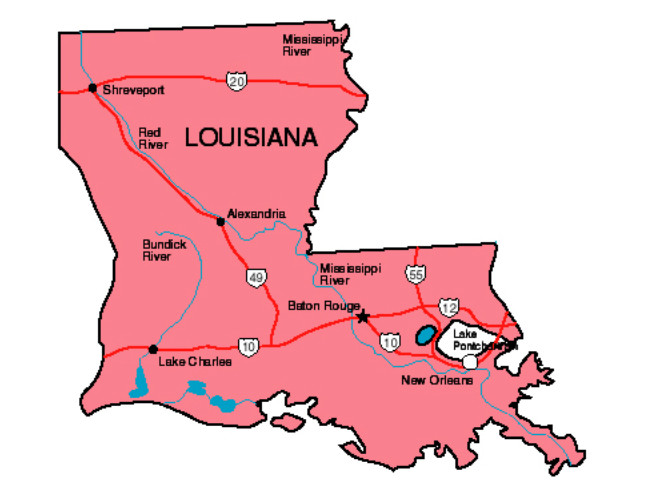
Venturing beyond New Orleans, the heartland of Acadiana offers a different, yet equally captivating, cultural experience. This region, settled by the Acadians, French colonists expelled from Canada, retains a strong sense of its heritage. Towns like Lafayette, often called the “Happiest City in America,” are centers of Cajun culture. Here, you can immerse yourself in traditional Cajun music, dance to the lively tunes of Fais do-do (French for “go to sleep” parties, which are anything but sleepy), and savor authentic Cajun cooking.
The history of the Acadians is a compelling narrative of resilience, and museums and cultural centers dedicated to their story offer valuable insights. Exploring the bayous, perhaps on a guided airboat tour, provides a unique perspective on the landscape and the traditional way of life that has endured for generations.
Uncovering Louisiana’s Natural Wonders and Historical Landmarks
Louisiana’s allure is not solely confined to its man-made attractions. The state boasts a captivating natural environment and a wealth of historical landmarks that tell the story of its past.
The Mystique of the Louisiana Swamps and Bayous
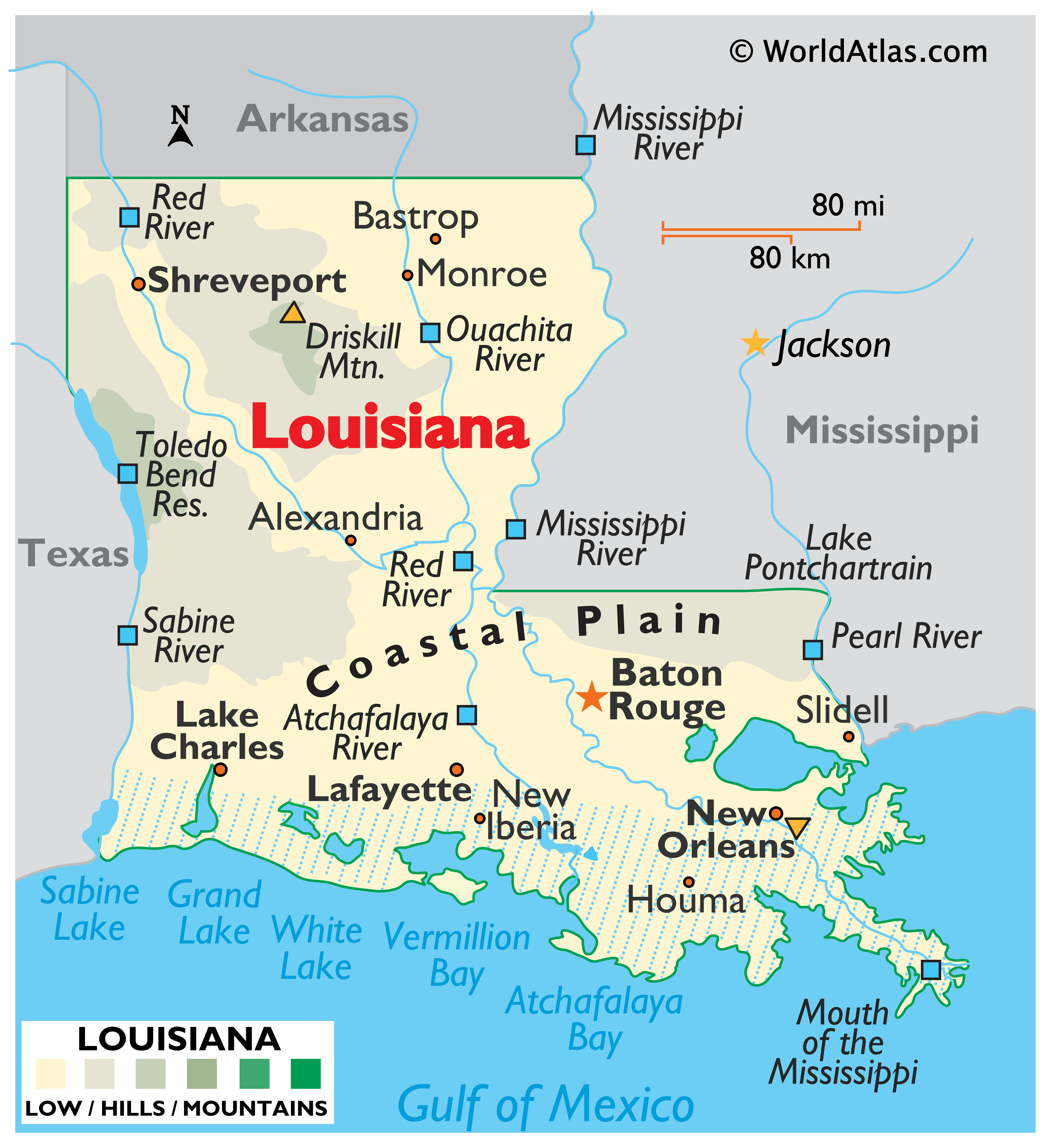
The Louisiana swamps and bayous are perhaps the state’s most iconic natural feature. These unique wetland ecosystems, characterized by Spanish moss-draped cypress trees, slow-moving waterways, and abundant wildlife, offer a sense of untamed beauty and mystery. A boat tour through the Atchafalaya Basin, the largest wetland and swamp in the United States, is an essential Louisiana experience. You might spot alligators basking in the sun, a variety of bird species, and the lush vegetation that defines this captivating environment.
These waterways have historically served as vital transportation routes and sources of sustenance, shaping the lifestyle and culture of the people who live in and around them. The eerie beauty and tranquil stillness of the swamps offer a stark contrast to the lively atmosphere of the cities, providing a different facet of Louisiana‘s diverse appeal.
Echoes of History: Plantations and Historic Sites
Louisiana‘s history is deeply intertwined with its plantation past, and many grand estates have been preserved, offering a glimpse into antebellum life. While these visits can be somber, they are crucial for understanding the complex history of the region. Oak Alley Plantation, with its iconic avenue of live oak trees, and Laura Plantation, known for its Creole architecture and historical narratives, are among the most notable.
Beyond the plantations, numerous historical sites across the state recount pivotal moments in Louisiana‘s journey. From colonial forts to the battlefields of the Civil War, these landmarks provide context to the state’s evolution. The Old Ursuline Convent Museum in New Orleans, the oldest building in the Mississippi River Valley, stands as a testament to the early colonial period.
Planning Your Louisiana Adventure: From Luxury Stays to Budget-Friendly Exploration
Whether you’re seeking a lavish getaway or a thrifty exploration, Louisiana offers accommodation and travel options to suit every preference and budget. The state’s commitment to tourism ensures that visitors can experience its unique charm in comfort and style.
Diverse Accommodation Options for Every Traveler
From luxurious resorts to charming bed and breakfasts, Louisiana provides a wide array of accommodation choices. In New Orleans, you can find everything from grand historic hotels in the French Quarter to modern boutique hotels in the Warehouse District. For those seeking a more secluded experience, antebellum plantations often offer charming accommodations, allowing you to step back in time.
The Acadiana region offers opportunities to stay in quaint inns and guesthouses, providing an authentic taste of local hospitality. For longer stays or those who prefer more independence, vacation rentals and apartments are readily available in cities and towns across the state. When booking, consider the amenities that are important to you, whether it’s a pool for a relaxing dip after a day of sightseeing, on-site dining for a convenient culinary experience, or pet-friendly policies for those traveling with their furry companions.
Embracing Different Lifestyles of Travel in Louisiana
Louisiana caters to a diverse range of travel styles. Luxury travelers can indulge in fine dining, spa treatments at upscale resorts, and private guided tours of historical sites. The sophisticated hotels in New Orleans often offer world-class service and amenities for a truly pampering experience.
For budget travelers, Louisiana offers plenty of opportunities for affordable exploration. Delicious and hearty meals can be found at local diners and casual eateries, and many of the state’s most captivating attractions, such as exploring neighborhoods, enjoying street music, and visiting parks, are free or low-cost. Camping in state parks or opting for budget-friendly hotels and motels can significantly reduce accommodation expenses.
Family trips to Louisiana can be filled with educational and entertaining experiences. Children will be captivated by the unique wildlife of the swamps, the vibrant culture of New Orleans, and the history lessons offered at various museums and historical sites. Interactive exhibits and family-oriented attractions ensure that every member of the family has an enjoyable time.
Even business travelers can find ways to experience the charm of Louisiana during their stays. While attending meetings or conferences, there’s often time to sample the local cuisine, catch a jazz performance, or explore a historical landmark, transforming a work trip into a mini-vacation.
In conclusion, Louisiana is a state that defies easy categorization. It’s a place where history breathes, where music flows through the streets, and where food is a celebration. Whether you’re drawn by the allure of New Orleans, the rustic charm of Acadiana, the mystery of the swamps, or the echoes of its past, Louisiana promises a journey of discovery that will engage all your senses and leave you with a profound appreciation for its unique spirit.