
The Mississippi River, a titan of North American geography, is more than just a waterway; it’s a lifeblood, a historical artery, and a vibrant corridor of travel, tourism, and cultural experiences. Stretching an astounding 2,320 miles from its humble beginnings as a trickle in Minnesota to its sprawling delta on the Gulf of Mexico, this mighty river carves its path through the heart of the United States, touching the lives and landscapes of millions. For travelers, understanding which states the Mississippi River traverses is the first step in unlocking a world of adventure, from exploring charming riverside towns and iconic landmarks to indulging in unique culinary delights and finding the perfect accommodation.
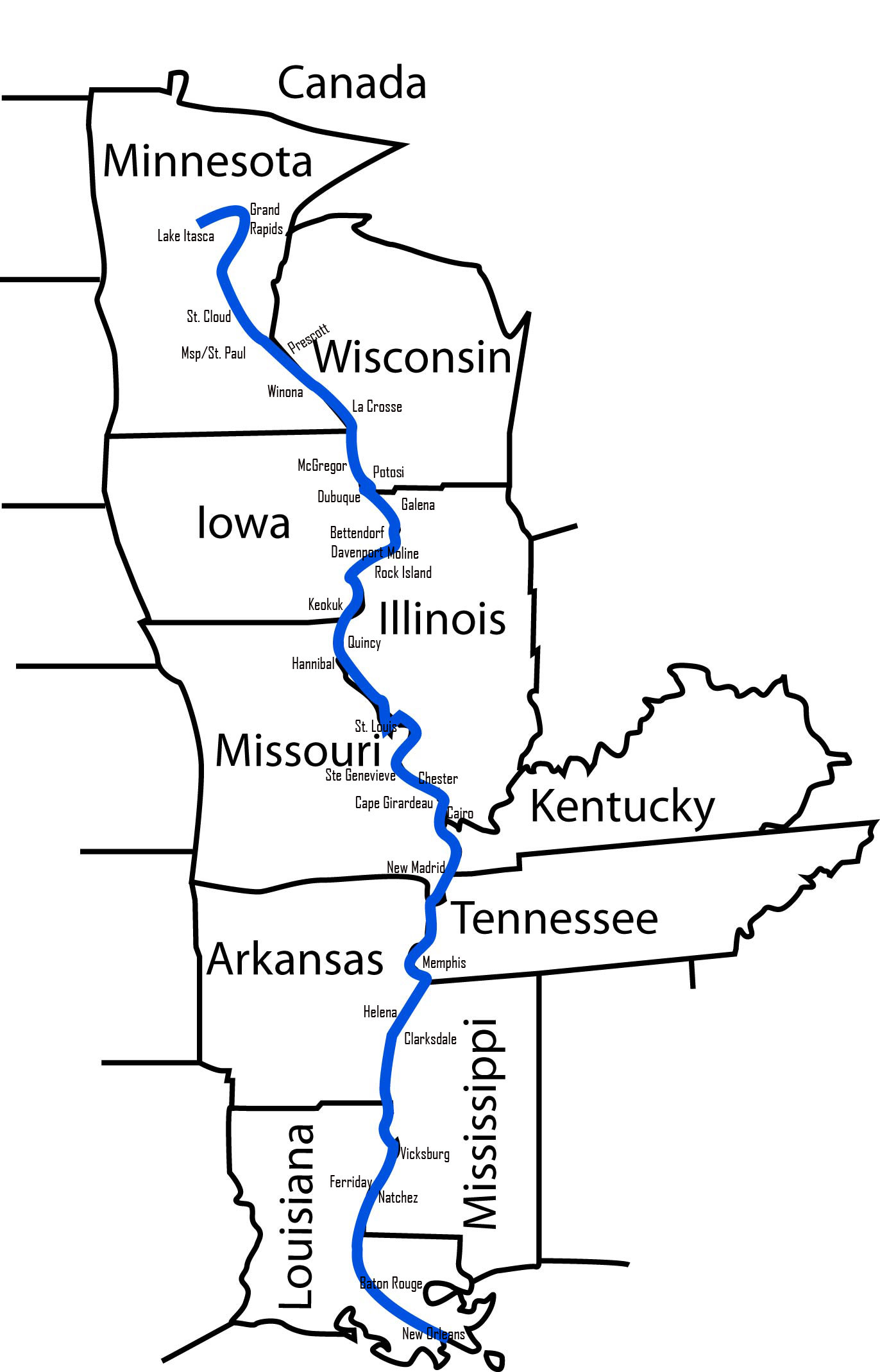
This article delves deep into the journey of the Mississippi River, highlighting the ten states it graces with its presence. We’ll explore the distinct character of each state along its banks, offering insights for those planning a travel itinerary, seeking memorable experiences, or simply curious about the geography that shapes the American experience. Whether you’re dreaming of a luxurious resort stay, a budget-friendly exploration, or a deep dive into local culture, the Mississippi River offers a journey that caters to every lifestyle.
The Northward Journey: From the Headwaters to the Heartland
The Mississippi River’s epic journey begins in the northernmost state it touches: Minnesota. Here, amidst the serene wilderness of Itasca State Park, the river emerges from Lake Itasca. This is a place of quiet grandeur, where the first steps of the river can be taken, a symbolic beginning to its vast continental passage. The Mississippi Headwaters area offers a unique landmark experience, drawing nature enthusiasts and history buffs alike.
Moving south, the river enters Wisconsin, forming a significant portion of its western border with Minnesota. This stretch of the Mississippi is characterized by bluffs, islands, and a sense of untamed beauty. It’s a prime area for outdoor activities, including kayaking, fishing, and wildlife viewing. The charming towns dotting the Wisconsin side, such as La Crosse, offer a glimpse into a slower pace of life, with opportunities to explore local tourism offerings and find welcoming hotels.
Crossing the Mighty Missouri
The Mississippi River then flows into Iowa, continuing its southward march. This state contributes significantly to the river’s agricultural heartland identity. The Iowa banks are often characterized by fertile farmlands, but also by vibrant cities like Davenport and Dubuque, which have rich histories tied to river trade and transportation. These cities provide excellent travel destinations with a variety of attractions, from historical museums to lively entertainment districts. For those seeking long-term stays or comfortable accommodation, Iowa offers a range of options.
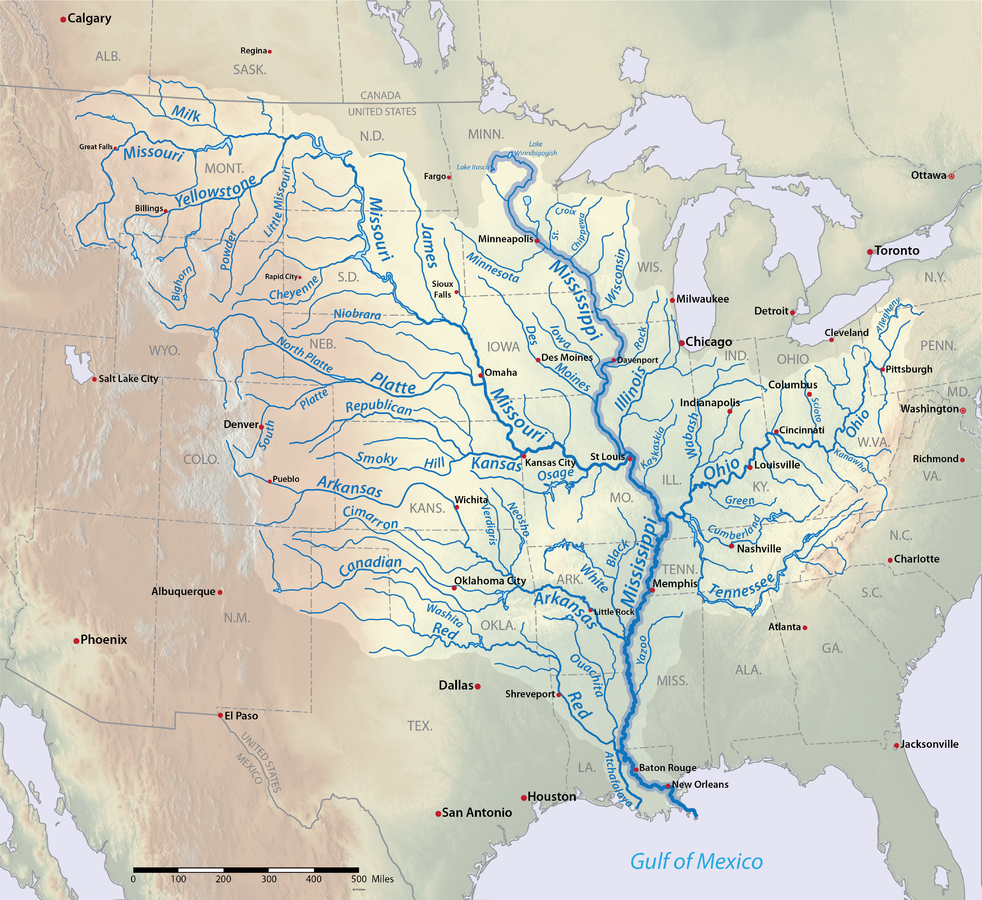
Further south, the Mississippi forms the eastern border of Illinois. This state is home to some of the river’s most iconic cities and attractions. St. Louis, though primarily associated with Missouri, has a significant Illinois side, and the confluence with the Missouri River here marks a crucial point in the Mississippi’s course, significantly increasing its volume and power. Illinois boasts historical sites, charming riverfront towns, and a strong connection to American history, making it a compelling destination for tourism and cultural exploration.
The River’s Embrace: States of Transition and Tradition
As the Mississippi River ventures further south, it encounters a series of states that showcase a rich tapestry of culture, history, and natural splendor. This central portion of the river’s journey is where its character truly begins to shift, reflecting the diverse influences of the regions it passes through.
Navigating Through Missouri and the Gateway Arch
The Mississippi River plays a pivotal role in shaping Missouri. The state’s most iconic city, St. Louis, stands proudly on the western bank, its skyline dominated by the magnificent Gateway Arch, a landmark symbolizing the westward expansion of the United States. St. Louis is a hub for travel and tourism, offering world-class museums, vibrant music scenes, and delectable culinary experiences. Missouri also provides a wealth of accommodation options, from luxurious resorts to comfortable apartments for long-term stays. Exploring the riverfront in St. Louis is an essential experience for any visitor.
The river then flows through Kentucky, forming its western border. This stretch is known for its pastoral beauty and its connection to American history, particularly the Civil War. The Kentucky side of the Mississippi offers a more tranquil experience, with opportunities for nature walks and exploring quaint river towns. Kentucky contributes to the lifestyle of budget travel and family trips, with many accessible attractions.
Arkansas and the Delta Blues
Continuing its descent, the Mississippi River enters Arkansas. Here, the landscape begins to hint at the coming delta. Arkansas is deeply intertwined with the history of the Mississippi River, from steamboat eras to the emergence of Delta Blues music. Cities like Helena-West Helena are steeped in musical heritage, offering a unique cultural tourism experience. The natural beauty of Arkansas, with its wetlands and wildlife refuges, makes it a destination for nature enthusiasts and those seeking authentic local culture. Accommodation here often reflects the region’s charm, with cozy inns and guesthouses.
The Crossroads of the South: Tennessee and Mississippi
The Mississippi River then forms the western border of Tennessee. This is a pivotal state, bridging the South and the heartland. Memphis, Tennessee, is a city synonymous with the Mississippi River, its music, and its history. From the legendary Graceland (home of Elvis Presley) to the soulful sounds emanating from Beale Street, Memphis offers an unforgettable travel experience. The Mississippi River in Tennessee is a source of inspiration for artists, musicians, and writers, embodying a distinct lifestyle. Tourism in Memphis thrives on its unique cultural offerings.
Further south, the Mississippi River flows through the state that bears its name: Mississippi. This state is the very essence of the Mississippi River delta. The Mississippi Delta region is renowned for its fertile land, its rich history, and its profound influence on American music and cuisine. Vicksburg, with its significant Civil War history and National Military Park, stands as a major landmark. Towns like Greenville and Clarksdale are vital centers for Delta Blues and offer authentic local culture and experiences. The Mississippi state offers a unique lifestyle of deep Southern tradition and a slower pace of life, with opportunities for budget travel and immersive cultural tourism.
The Grand Finale: Louisiana and the Gulf
The Mississippi River’s final leg takes it through the vibrant and unique state of Louisiana. As the river nears its end, its character transforms, expanding into a vast deltaic system before finally meeting the Gulf of Mexico. This is a region of breathtaking natural beauty, characterized by swamps, bayous, and a distinctive Creole culture.

New Orleans: A Cultural Epicenter
New Orleans, Louisiana, is arguably the most famous city along the Mississippi River. Its iconic French Quarter, vibrant music scene, and world-renowned cuisine make it a premier travel destination. The Mississippi River is integral to the city’s identity, from steamboat tours to its role in the city’s historical development. New Orleans offers an unparalleled experience of local culture, with a lifestyle that is as unique as it is captivating. Accommodation in New Orleans ranges from historic hotels in the French Quarter to luxurious resorts along the riverfront. Exploring the Mississippi River here is a journey into the heart of American multiculturalism.
The Mississippi River finally empties into the Gulf of Mexico in Louisiana, forming an expansive delta that is a vital ecological system and a testament to the river’s immense power and reach. This concludes the journey of the Mississippi River, a path that has shaped landscapes, cultures, and countless travel adventures across ten distinct states. From its icy origins to its warm embrace of the Gulf, the Mississippi River remains a compelling subject for exploration, offering endless opportunities for tourism, cultural immersion, and unforgettable experiences.