
Florida, the Sunshine State, beckons millions of visitors annually with its pristine beaches, world-class theme parks, vibrant cities, and rich cultural tapestry. Whether you’re planning a luxurious escape to a beachfront resort, a family adventure to Orlando, or a relaxed stay in a charming villa, understanding the tax landscape is crucial for a smooth and budget-conscious trip. While Florida is renowned for its lack of a state income tax, it does impose various other taxes that can impact your travel expenses, from accommodation to everyday purchases. This guide delves into the tax structure of Florida, providing insights for every type of traveler.
Navigating Florida’s Tax Landscape for Travelers
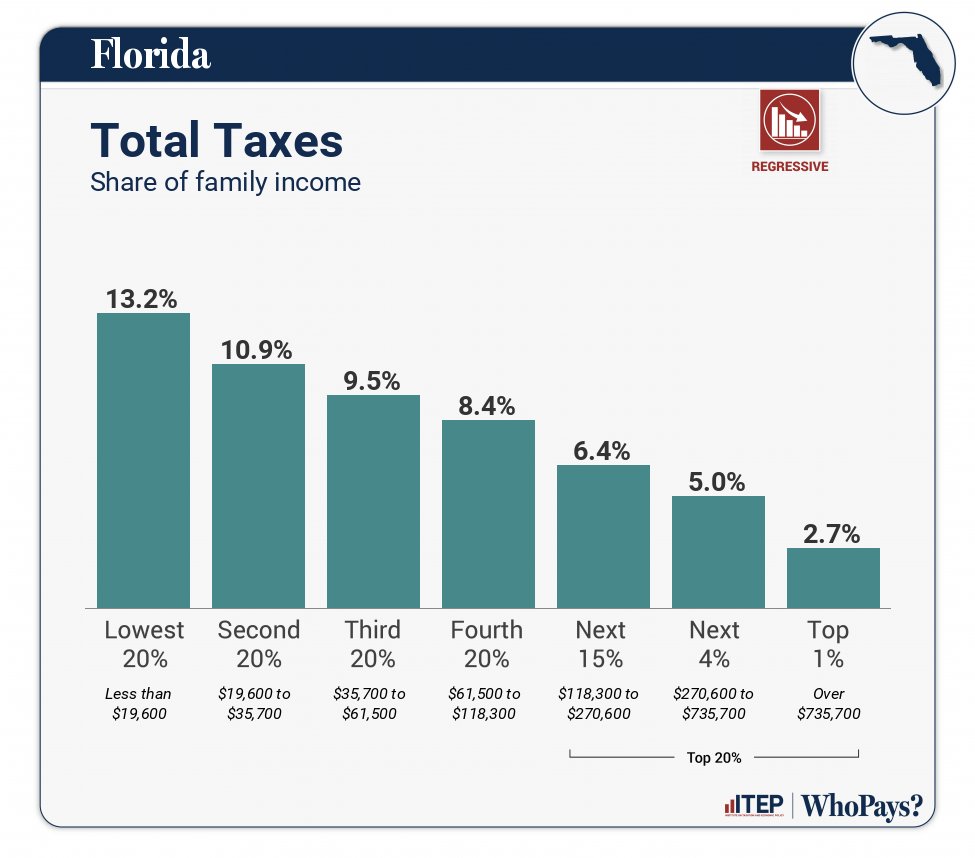
Florida’s tax system is largely driven by sales tax and specific tourism-related taxes. Unlike many other states, Florida does not levy a tax on personal income, making it an attractive destination for both residents and visitors looking to maximize their disposable income. This absence of income tax significantly simplifies budgeting for many, allowing more of your funds to be allocated towards experiences and accommodations rather than being withheld for state income tax. However, it’s important to remember that the state relies heavily on sales and tourism taxes to fund public services and infrastructure.
The Cornerstone: Florida Sales and Use Tax
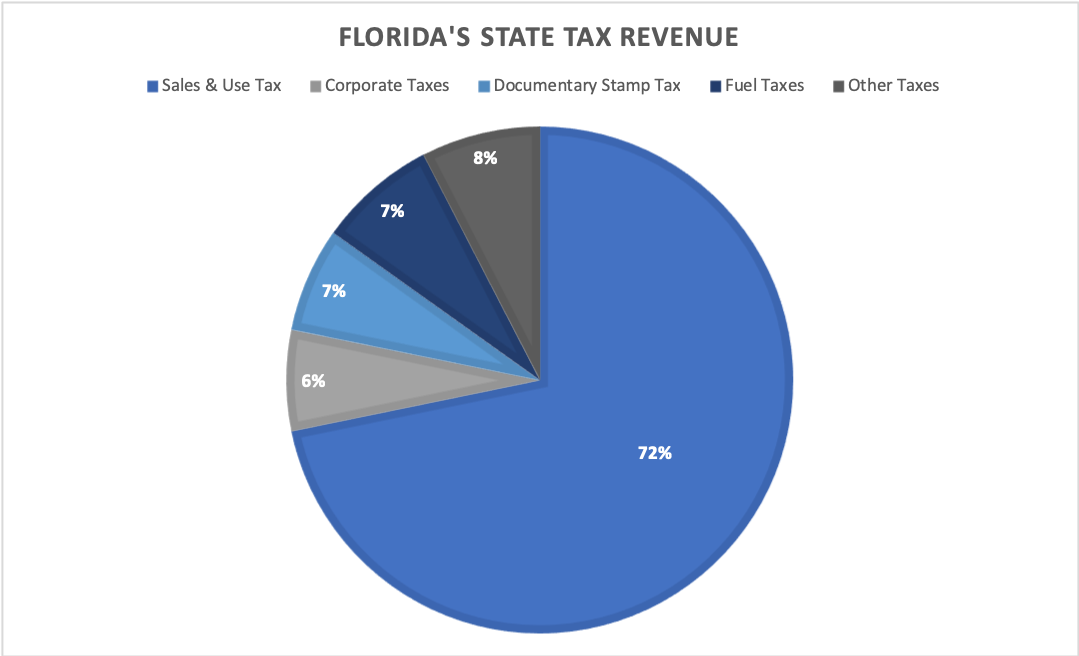
The most pervasive tax that travelers will encounter in Florida is the Sales and Use Tax. This tax is applied to the retail sale of tangible personal property and services. The statewide rate is 6%, but counties can impose additional discretionary sales surtaxes, often referred to as local option taxes. These local surtaxes vary by county, with rates typically ranging from 0.5% to 2.5%, bringing the total sales tax rate in many popular tourist destinations to between 7% and 8.5%.
This means that when you purchase souvenirs in Miami, dine at a restaurant in Tampa, or buy groceries, you will be subject to the applicable sales tax rate for that specific county. For instance, if you’re enjoying a meal at a restaurant in Orange County, home to many of the theme parks, you’ll pay the 6% state sales tax plus the 0.5% Orange County discretionary surtax, totaling 6.5%. In contrast, a visit to the Florida Keys might mean a higher total rate depending on the specific county within the Keys you are visiting.
It’s crucial to be aware of these variations when planning your budget. A seemingly small percentage difference can add up significantly over the course of a longer trip or for larger purchases. Many businesses will display the total sales tax rate on their receipts, but it’s good practice to have a general understanding of the rates in the areas you plan to visit.
Beyond Retail: Services Subject to Sales Tax
The Florida Sales and Use Tax isn’t limited to physical goods. A wide array of services is also subject to taxation, which directly impacts travelers. This includes:
- Accommodation: Hotels, motels, resorts, campgrounds, and other lodging establishments are subject to sales tax. This is a significant tax for tourists, as accommodation is often one of the largest expenses of a trip. The rates applied are the same as those for retail goods, meaning the state rate plus any applicable local discretionary surtaxes. So, that suite at the Grand Hyatt Hotel or the villa you rent in Naples will have this tax factored into the final bill.
- Admissions: Tickets to theme parks like Walt Disney World, Universal Studios Florida, and attractions like the Everglades National Park are subject to sales tax. This applies to live performances, sporting events, and movie theaters as well.
- Rental of Tangible Personal Property: This includes renting vehicles, boats, recreational equipment, and even certain types of equipment for events or activities.
- Repair Services: Services performed on tangible personal property, such as car repairs or electronics repair, are also taxed.
- Certain Professional Services: While not as common for short-term travelers, some professional services are subject to sales tax.
Understanding which services are taxed can help you anticipate costs for various activities and experiences. For instance, booking a guided fishing trip or renting a jet ski will likely include sales tax in the quoted price.
The Use Tax: Ensuring Fair Taxation
Complementing the sales tax is the Use Tax. This tax is essentially the counterpart to the sales tax and is designed to prevent tax evasion. If you purchase taxable goods or services in Florida without paying sales tax (for example, if a seller fails to collect it), you are legally obligated to pay the use tax directly to the state. This often comes into play for online purchases delivered to Florida from out-of-state sellers who do not collect Florida sales tax. While less directly relevant to most in-person tourist transactions, it’s a component of the tax system that ensures a level playing field for businesses operating within the state.
Beyond Sales Tax: Tourism-Specific Taxes and Fees
In addition to the general sales and use tax, Florida levies several other taxes and fees that are directly tied to its robust tourism industry. These often contribute to funding tourism promotion, infrastructure improvements, and specific amenities that enhance the visitor experience.
Tourist Development Tax (TDT)
Often referred to as the “bed tax,” the Tourist Development Tax is a local option tax levied on the rental of transient accommodations. This means it applies to hotels, motels, vacation rentals, and other short-term lodging. The rates for the TDT are set by individual counties and can range from 1% to 5%. This tax is typically collected by the accommodation provider and remitted to the county.
The revenue generated from the Tourist Development Tax is generally earmarked for specific purposes related to tourism, such as:

- Promoting tourism in the county.
- Funding tourism infrastructure, like convention centers, airports, and public beaches.
- Providing amenities that enhance the visitor experience, such as public art or recreational facilities.
For travelers, this means that your hotel bill might include not only the state and local sales tax but also the Tourist Development Tax. For example, a stay in Sarasota County, a popular destination known for its beautiful beaches like Siesta Key, might have a TDT that adds to the overall cost of your accommodation. It’s important to check the specific TDT rate for the county you plan to stay in, as it can significantly influence your lodging budget. Some popular destinations like Clearwater Beach also have specific TDTs that contribute to local tourism efforts.
Resort Tax
Similar to the Tourist Development Tax, some counties or municipalities may impose a Resort Tax. While the terminology might differ, the function is generally the same: an additional tax on short-term rentals intended to fund local tourism initiatives and enhance visitor amenities. It’s crucial to recognize that this might be an additional layer on top of the TDT and sales tax, further impacting the total cost of accommodation. For example, if you’re staying in a luxury resort in Palm Beach, you should be aware of all applicable taxes.
Excise Taxes on Specific Goods
Florida also imposes excise taxes on certain goods, which can affect travelers. The most notable for visitors are:
- Alcoholic Beverages: Taxes are levied on the sale of beer, wine, and spirits. These taxes are generally included in the price you pay at liquor stores, bars, and restaurants.
- Tobacco Products: Similar to alcohol, there are excise taxes on cigarettes and other tobacco products.
- Gasoline: While not exclusively a tourism tax, the state gasoline tax is a significant cost for those driving through or within Florida. This tax is factored into the price at the pump and helps fund road maintenance and transportation infrastructure.
These excise taxes are a standard part of the cost of these goods and are typically not itemized separately on receipts for travelers. However, they do contribute to the overall cost of your trip, especially if you plan on a road trip exploring the diverse landscapes from the Florida Panhandle to the southern tip.
Exemptions and Considerations for Smart Travelers
While Florida has a comprehensive tax system, there are certain exemptions and considerations that can help travelers manage their expenses.
Food and Prescription Drugs
A significant exemption from Florida’s sales tax applies to most food and beverages intended for home consumption. This means that groceries purchased at supermarkets are generally not subject to sales tax. However, this exemption typically does not extend to “prepared foods” or “hot foods” sold in restaurants, convenience stores, or delis, which are considered ready for immediate consumption. This distinction is important to remember when deciding between preparing your own meals in a vacation rental versus dining out.
Similarly, prescription drugs are exempt from sales tax, providing some relief for those with ongoing medical needs. Over-the-counter medications, however, may be subject to sales tax depending on their classification.
Businesses Exempt from Collecting Sales Tax
Certain types of businesses or transactions are exempt from collecting sales tax. For example, non-profit organizations may be exempt from paying sales tax on their purchases, and in some cases, may be exempt from collecting it on sales they make. However, these exemptions are typically not relevant to the average tourist’s transactions.
Long-Term Stays and Rentals
The tax treatment of rentals can vary based on the duration of the stay. Generally, the sales and Tourist Development Taxes apply to transient rentals, which are defined as rentals for a continuous period of less than six months. If you are planning a longer-term stay in a vacation apartment or villa, exceeding six months, these short-term rental taxes may not apply, and instead, a different tax structure might be in place, potentially even a residential lease agreement with different tax implications. Always clarify the tax treatment for stays exceeding several weeks with your accommodation provider.
Charitable Contributions and Tips
While not taxes, it’s worth noting that tips given to service staff in restaurants, hotels, and for other services are generally not subject to sales tax. Similarly, charitable contributions made to qualified organizations are tax-deductible for income tax purposes, though this is more relevant to residents or those filing U.S. income tax returns.
By understanding these various taxes and potential exemptions, travelers can better budget for their Florida vacation. From the basic sales tax on everyday purchases to the specific taxes on accommodations and attractions, being informed empowers you to make smarter financial decisions and fully enjoy all that the Sunshine State has to offer. Whether you’re exploring the natural beauty of the Dry Tortugas National Park, enjoying the nightlife in Fort Lauderdale, or seeking relaxation at a spa in Boca Raton, a little tax knowledge goes a long way.
LifeOutOfTheBox is a participant in the Amazon Services LLC Associates Program, an affiliate advertising program designed to provide a means for sites to earn advertising fees by advertising and linking to Amazon.com. Amazon, the Amazon logo, AmazonSupply, and the AmazonSupply logo are trademarks of Amazon.com, Inc. or its affiliates. As an Amazon Associate we earn affiliate commissions from qualifying purchases.