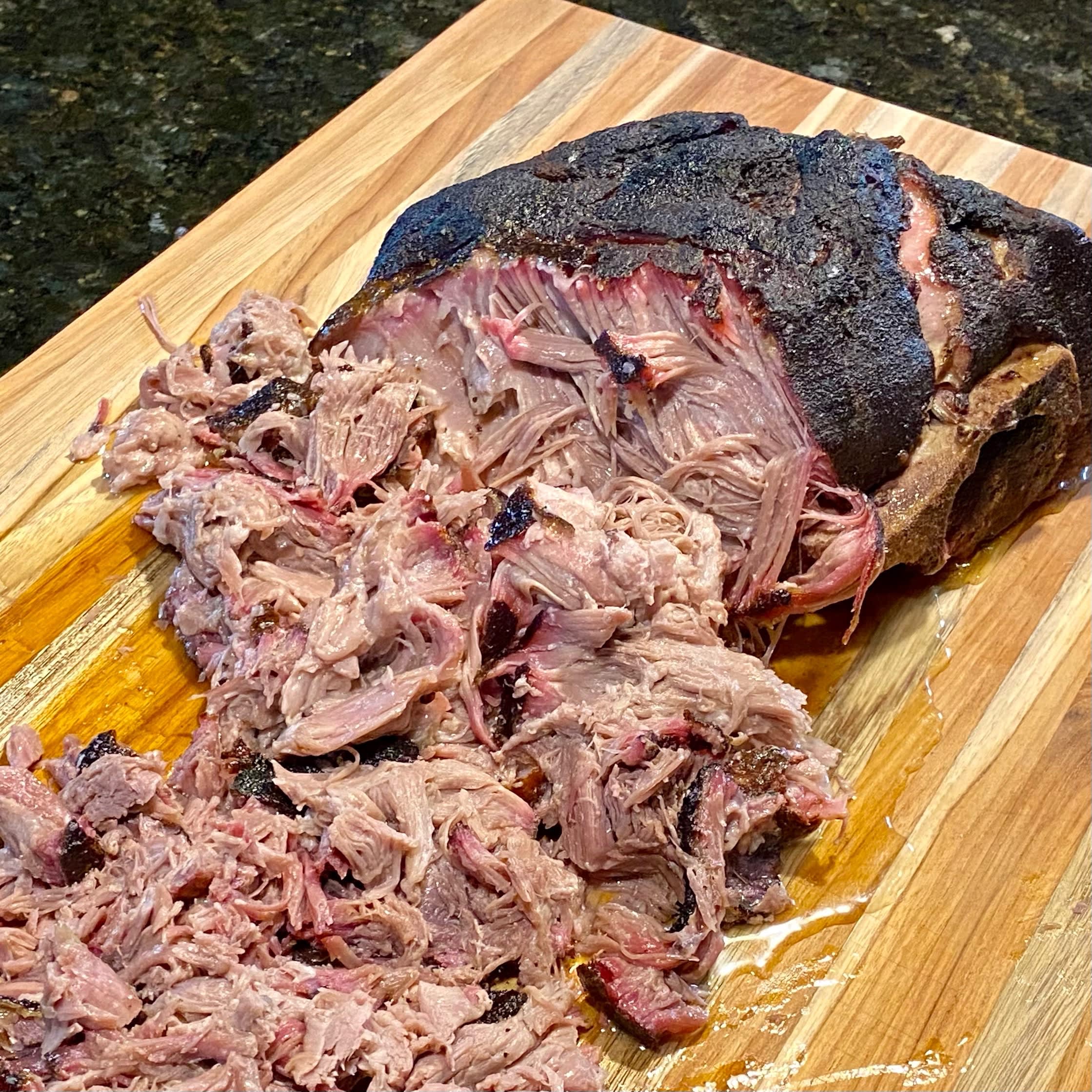
The aroma of slow-smoked meat has an almost magical quality, capable of transporting you to sun-drenched patios, bustling culinary festivals, or quiet backyard gatherings under a starlit sky. For many travelers and food enthusiasts, discovering regional barbecue styles is as much a part of the journey as visiting historical landmarks or relaxing at luxurious resorts. At the heart of classic American barbecue lies the beloved Boston Butt, a cut of pork from the shoulder that, when treated with patience and precision, transforms into incredibly tender, flavorful pulled pork. But what is the secret to this alchemy, and how can you replicate it, whether you’re on a culinary adventure or enjoying a staycation at a well-equipped accommodation? The answer largely lies in one crucial factor: temperature.
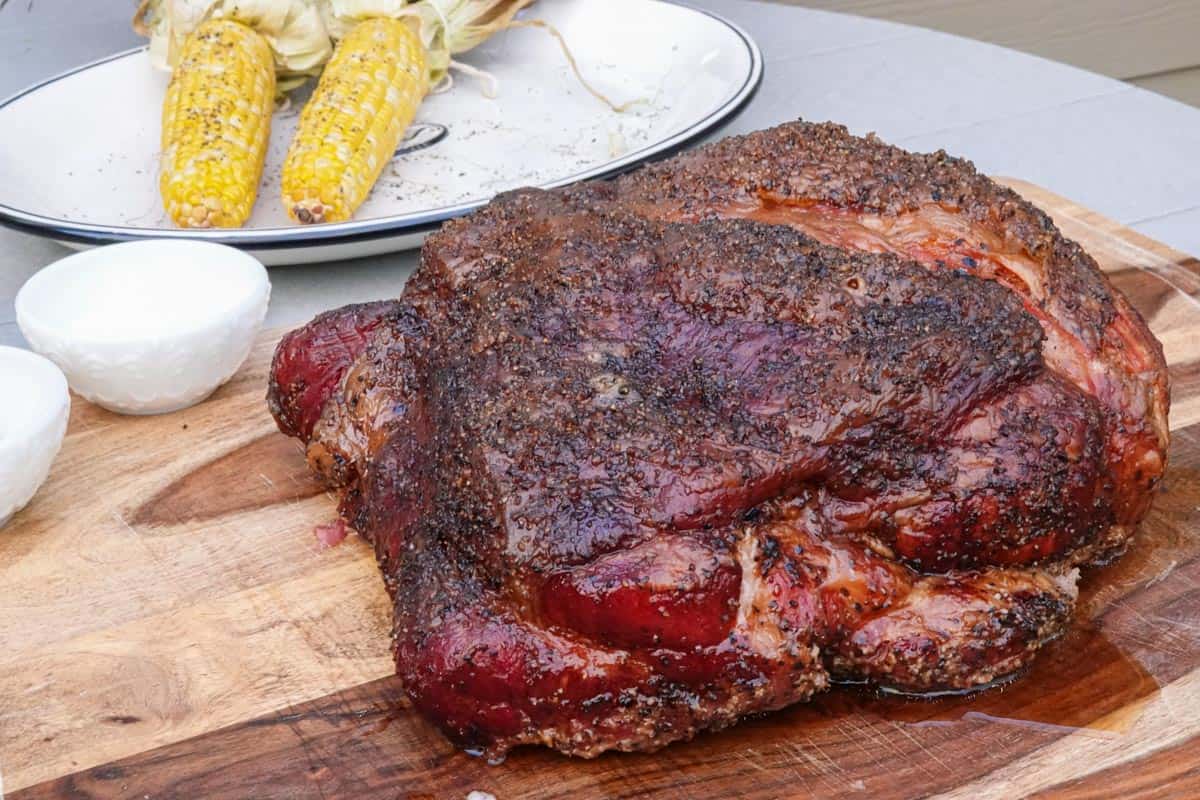
Understanding the ideal temperature for smoking a Boston Butt isn’t just about following a recipe; it’s about mastering a culinary art that blends science, intuition, and a deep appreciation for the slow food movement. This guide delves into the optimal smoking temperatures, the science behind the perfect pull, and how this quintessential barbecue experience ties into a broader lifestyle of travel, local exploration, and creating unforgettable memories.
The Science of Smoke: Unlocking Flavor at the Right Temperature
Smoking a Boston Butt is a low-and-slow endeavor, a testament to the idea that some of the best things in life take time. Unlike grilling, which uses high heat for quick cooking, smoking involves sustained, low temperatures that allow tough connective tissues to break down, fats to render slowly, and smoke to infuse deeply into the meat. The goal is a piece of pork that is fork-tender, juicy, and bursting with smoky flavor. The external temperature of your smoker is paramount to achieving this.
The Golden Range: Why 225-275°F (107-135°C) Reigns Supreme
For most pitmasters, amateur and professional alike, the sweet spot for smoking a Boston Butt is typically between 225°F and 275°F (107°C and 135°C). This range offers a delicate balance, providing enough heat to slowly cook the meat without drying it out or burning the exterior, while allowing ample time for smoke penetration.
- 225°F (107°C): This lower end of the spectrum is favored by purists who prioritize maximum smoke flavor and an incredibly tender, almost gelatinous texture. Cooking at this temperature will extend the total smoking time significantly, sometimes pushing it beyond 16-20 hours for a 8-10 pound butt. It demands patience but often rewards with a deeper smoke ring and unparalleled moisture. This slow approach mirrors the philosophy of slow travel, where the journey itself is as important as the destination, allowing for full immersion and appreciation.
- 250°F (121°C): Often considered the perfect compromise, 250°F provides a good balance between cooking time and flavor development. It’s hot enough to keep the cooking process moving at a reasonable pace (typically 12-16 hours for a standard Boston Butt) while still allowing for excellent smoke absorption and tender results. It’s a reliable temperature that minimizes the risk of overcooking or drying out, making it ideal for those who want a fantastic result without an all-night commitment.
- 275°F (135°C): For those with a tighter schedule or who prefer a slightly faster cook, 275°F is a viable option. While it reduces the total smoking time (potentially down to 10-14 hours), it still delivers a delicious product. At this temperature, however, you need to be more vigilant about moisture loss, and some argue that smoke penetration might be marginally less intense. It’s a testament to adaptability, much like adjusting your travel itinerary to fit unexpected opportunities without sacrificing the core experience.
The key to success within this range is maintaining a consistent temperature. Fluctuations can lead to uneven cooking, tough spots, or a dried-out exterior. A reliable smoker with good temperature control, alongside an accurate thermometer that monitors both the ambient smoker temperature and the internal meat temperature, is indispensable.
Navigating the Stall: Patience, Temperature, and the Perfect Pull
One of the most mystifying phenomena in low-and-slow barbecue is “the stall.” This is when the internal temperature of your Boston Butt mysteriously plateaus, often between 150-170°F (65-77°C), for several hours. Many first-time smokers panic, cranking up the heat or opening the lid repeatedly. However, the stall is a natural part of the process, caused by evaporative cooling as moisture from the meat evaporates from the surface, cooling it down.
- Embracing the Stall: The best approach is patience. Trust your smoker and your thermometers. The stall is not a sign that something is wrong; it’s a sign that the meat is doing its job, slowly breaking down its connective tissues. Think of it as a moment of contemplation during a road trip, where you pause to appreciate the scenery before continuing your journey.
- The Texas Crutch: For those who want to power through the stall and shorten the overall cooking time, the ” Texas Crutch” is a popular technique. This involves wrapping the Boston Butt in heavy-duty aluminum foil or butcher paper once it hits the stall. The wrap traps moisture and heat, pushing the internal temperature past the plateau more quickly. While effective, some argue that it can soften the bark (the delicious, crispy exterior) and slightly reduce smoke penetration. It’s a trade-off, much like choosing between a direct flight and a scenic route with layovers.
- Doneness Temperature: Regardless of the temperature at which you smoke or whether you wrap, the ultimate goal is to reach an internal temperature of around 200-205°F (93-96°C). However, temperature is only part of the equation for doneness. The true indicator is tenderness. When probed with a thermometer or skewer, it should feel like “poking butter.” This melt-in-your-mouth tenderness is a result of the collagen breaking down into gelatin, creating that classic pulled pork texture. After reaching this temperature, a crucial resting period (at least an hour, preferably two) allows the meat to reabsorb juices, ensuring maximum succulence.
Beyond the Thermometer: Crafting a Culinary Travel Experience
While precise temperature control is fundamental to smoking a Boston Butt, the overall experience extends far beyond the numbers on a gauge. It involves thoughtful preparation, understanding regional nuances, and appreciating the connection between food, culture, and travel.
Sourcing Your Pork: A Local Traveler’s Guide to Quality
Just as a discerning traveler seeks out authentic local experiences, a great pitmaster understands the importance of quality ingredients. When traveling, especially through regions renowned for their barbecue, seeking out local farmers’ markets or specialty butchers can significantly elevate your smoking project. For instance, a trip through the Southern United States might lead you to small-town butchers in Austin, Charleston, or Memphis, where heritage breed pork or locally raised cuts can impart a distinct flavor profile that industrial meat simply cannot match. Look for a Boston Butt with good marbling – streaks of fat throughout the meat – as this fat renders down during the long cook, adding incredible moisture and flavor. A good fat cap on one side is also desirable, as it protects the meat from drying out and bastes it as it cooks.
Essential Tools for the Roaming Pitmaster
Whether you’re setting up a smoker in your backyard or at a vacation rental, having the right tools is essential. A reliable smoker, be it a classic offset, an easy-to-use pellet smoker, or a versatile kamado grill, is your primary investment. For travel, smaller, portable pellet grills or compact charcoal smokers are increasingly popular, allowing you to bring the barbecue experience to campsites, cabins, or even beachfront villas.
Crucially, invest in a good digital thermometer with multiple probes: one for the ambient smoker temperature and at least one for the internal meat temperature. Wireless options are particularly convenient, allowing you to monitor temperatures remotely while exploring your travel destination or simply relaxing. Other essentials include a sharp boning knife for trimming, a sturdy set of tongs, heat-resistant gloves for handling hot meat, and spray bottles for spritzing the butt with apple cider vinegar or water to maintain moisture. Thinking ahead about these tools is part of the lifestyle of a prepared and self-sufficient traveler.
Regional Flavors: How Temperature Shapes Barbecue Traditions
Barbecue is more than just a cooking method; it’s a cultural cornerstone, especially in the Southern United States. Different regions have developed unique styles, often influenced by the availability of wood, local pork breeds, and historical cooking methods. While the core temperature range for Boston Butt remains consistent, subtle variations in technique and preferred wood can significantly alter the final taste.
- Texas Barbecue: While famous for brisket, Texas pitmasters also produce excellent pulled pork. Often using post oak, the smoke profile is robust and earthy. Temperatures tend to stay around 250-275°F (121-135°C), emphasizing a flavorful bark.
- The Carolinas: Both North Carolina and South Carolina are pig country, with a strong tradition of whole hog barbecue. For Boston Butt, temperatures might lean towards the lower end (225-250°F / 107-121°C) to achieve a super tender product, often pulled and served with vinegar-based sauces in the east or a mustard-based sauce in South Carolina. The wood of choice is often hickory or fruitwoods like apple.
- Kansas City: Known for its thick, sweet, and tangy sauces, Kansas City barbecue often features cherry or hickory wood. Boston Butt here is typically smoked at 250-275°F (121-135°C) to create a good surface for the sauce to adhere to after shredding.
- Memphis: The spiritual home of pulled pork, Memphis barbecue often uses a dry rub and slow smokes over hickory. Temperatures are generally kept around 225-250°F (107-121°C) to ensure the meat is incredibly moist and tender, often served “dry” with sauce on the side.
Exploring these regional differences is a form of culinary tourism, where each smoked Boston Butt tells a story about its place of origin and the dedicated pitmasters who perfect their craft.
Integrating Smoked Boston Butt into Your Lifestyle and Travels
The art of smoking a Boston Butt is not just for competitive pitmasters or backyard enthusiasts. It’s a skill that can enhance your travel experiences and enrich your lifestyle, turning ordinary trips into extraordinary culinary adventures.
Accommodation with a View (and a Smoker): Enhancing Your Stay
Imagine staying at a charming villa in the Smoky Mountains, a rustic cabin near the Grand Canyon, or a beachfront Airbnb in Florida that comes equipped with an outdoor grill or even a dedicated smoker. This growing trend in travel accommodation allows culinary enthusiasts to combine their love for exploration with their passion for cooking. Rather than always dining out, you can dedicate a day of your vacation to the slow, satisfying process of smoking a Boston Butt, filling the air with intoxicating aromas and providing a truly unique, immersive experience.
Many boutique hotels and luxury resorts are also beginning to offer bespoke culinary experiences, including access to grilling facilities or even hosted barbecue classes. This allows travelers to learn from local experts, discover regional ingredients, and create their own authentic dishes, making their stay not just comfortable, but also educational and deeply engaging. For families, friends, or even solo travelers seeking a tranquil escape, spending a day tending a smoker, followed by a feast of homemade pulled pork, can be a highlight of any trip.
Culinary Road Trips: Exploring Barbecue Landmarks
For the ultimate barbecue aficionado, planning a road trip around the culinary landmarks of American barbecue is a must. From the legendary pit stops in Lexington, North Carolina, to the smokehouses of Memphis, and the bustling barbecue joints of Austin, each destination offers a distinct flavor and a story rooted in local culture. While these trips are primarily about tasting, they also inspire a deeper understanding of the craft. Observing master pitmasters in action, seeing their smokers, and learning about their preferred woods and techniques can provide invaluable insights that you can then apply to your own Boston Butt endeavors. These journeys are not just about food; they’re about cultural immersion, connecting with local traditions, and savoring the authentic tastes that define a region.
The Art of Slow Living: Making Memories, One Smoked Bite at a Time
Smoking a Boston Butt embodies the philosophy of slow living. In a world that constantly rushes, the act of tending a smoker for hours on end forces you to slow down, to be present, and to appreciate the process. It’s a meditative experience that yields incredible rewards. This mindset aligns perfectly with the ethos of slow travel, where the focus shifts from ticking off attractions to truly experiencing a place, its people, and its rhythms.
Whether you’re hosting an international gathering in New York City and introducing guests from Paris or London to this quintessential American dish, or simply enjoying a quiet weekend at home, the perfectly smoked Boston Butt becomes a centerpiece for connection and conversation. It’s about more than just a meal; it’s about the stories told, the laughter shared, and the memories forged around a plate of delicious, tender pulled pork. Just as you’d marvel at the Eiffel Tower or Big Ben, or appreciate the serenity of Mount Fuji from Tokyo, the perfectly smoked Boston Butt stands as a culinary landmark in its own right, a testament to time, dedication, and the simple joy of good food.
In conclusion, the ideal temperature to smoke a Boston Butt is typically between 225-275°F (107-135°C), a range that ensures tenderness, moisture, and deep smoke flavor. However, mastering this temperature is just one piece of a much larger, more flavorful puzzle. By understanding the science, appreciating regional variations, and integrating this slow-cooking tradition into your travel and lifestyle, you unlock not just delicious pulled pork, but a richer, more connected way of experiencing the world, one smoky bite at a time. So, fire up your smoker, set your temperature, and embark on a culinary journey that promises both exquisite taste and unforgettable memories.