
As the seasons gracefully cycle through the American Midwest, the question of the current temperature in Minneapolis becomes a crucial piece of information for travelers, residents, and anyone planning an adventure in this vibrant Minnesota city. Beyond just a numerical reading, the temperature in Minneapolis dictates everything from the wardrobe you’ll need to pack to the types of activities you can comfortably enjoy. Whether you’re dreaming of a summer festival by the Mississippi River or a cozy winter escape, understanding Minneapolis’s climate is your first step to a memorable visit.
Minneapolis, the larger of the “Twin Cities” (alongside St. Paul), experiences a distinct four-season climate. This means dramatic shifts from sweltering summer highs to bone-chilling winter lows, with spring and autumn offering their own unique charms. For the discerning traveler, knowing the mercury’s position is paramount for everything from booking flights and accommodations to planning excursions to world-class museums like the Minneapolis Institute of Arts or exploring iconic landmarks such as the Stone Arch Bridge. This comprehensive guide will delve into the nuances of Minneapolis’s weather, providing insights to help you make the most of your time in this dynamic urban center.

Understanding Minneapolis’s Climate: A Seasonal Overview
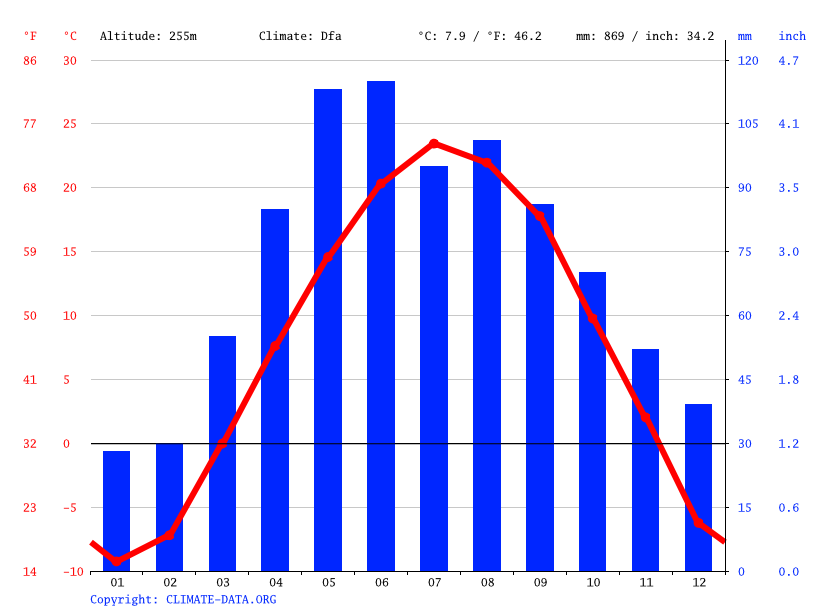
Minneapolis is characterized by its continental climate, heavily influenced by its inland location. This means it’s subject to significant temperature fluctuations throughout the year and considerable variation between seasons. Understanding these patterns is key to appreciating the city’s lifestyle and planning your trip effectively.
Summer in Minneapolis: Warm and Lively
Summers in Minneapolis, typically from June through August, are generally warm to hot and humid. Average high temperatures often hover in the upper 70s to low 80s Fahrenheit (around 26-28 degrees Celsius), but heatwaves can push these numbers into the 90s Fahrenheit (32+ degrees Celsius). Nights offer some respite, usually cooling down into the pleasant 60s Fahrenheit (15-20 degrees Celsius). This is the peak season for outdoor activities, with numerous festivals, concerts, and sporting events taking place. Visitors can enjoy the numerous lakes within the city, such as Lake Calhoun (now Bde Maka Ska) and Lake Harriet, for swimming, boating, and picnicking. The humidity can sometimes make the heat feel more intense, so staying hydrated and seeking air-conditioned environments during the hottest parts of the day is advisable. For accommodations, summer is a popular time, so booking hotels like the Hotel Ivy, a Luxury Collection Hotel, Minneapolis or exploring apartment rentals in neighborhoods like the Uptown area is recommended well in advance.
Autumn in Minneapolis: Crisp and Colorful
Autumn, from September to November, brings a welcome crispness to the air, marking a beautiful transition. September often retains some of the summer warmth, with average highs in the 70s Fahrenheit (around 21-26 degrees Celsius). As October progresses, temperatures steadily drop, with average highs falling into the 50s Fahrenheit (10-15 degrees Celsius) and nighttime lows dipping into the 30s Fahrenheit (0-4 degrees Celsius). November can see the first snowflakes of the season. This is a prime time for enjoying the city’s parks, like Minnehaha Park, and witnessing the stunning fall foliage. The cooler temperatures are perfect for walking tours of historic districts or visiting attractions like the Mill City Museum. Layering is key for autumn fashion in Minneapolis, as conditions can change rapidly.
Winter in Minneapolis: Cold and White
Winter, from December through February, is undeniably the coldest season. Average high temperatures are typically in the 20s Fahrenheit (-6 to -1 degrees Celsius), and average lows frequently plunge into the single digits Fahrenheit (-17 to -12 degrees Celsius) or even below zero. Snowfall is common, blanketing the city in white and transforming it into a winter wonderland. Despite the extreme cold, Minneapolis embraces winter with numerous activities. Skiing, snowboarding, and ice skating are popular, with local parks offering dedicated facilities. The city also boasts an extensive skyway system, connecting many downtown buildings and offering a way to navigate without braving the elements. For those seeking warmth, luxurious resorts or cozy hotels offering indoor amenities are ideal. Consider a stay at the The Marquette Hotel, Curio Collection by Hilton to enjoy comfortable interiors and easy access to indoor attractions. Experiencing a “winter city” offers a unique perspective on the resilience and spirit of Minneapolis.
Spring in Minneapolis: Gradual Warming and Blooming
Spring, from March to May, is a period of gradual warming and awakening. March can still feel very much like winter, with temperatures often remaining below freezing and significant snowfall still possible. However, by April, average highs begin to climb into the 40s and 50s Fahrenheit (4-15 degrees Celsius), and by May, they are comfortably in the 60s Fahrenheit (15-20 degrees Celsius). This is a time when the city bursts into bloom, with parks and gardens coming alive. Outdoor cafes begin to open, and the city’s vibrant cultural scene starts to buzz again. Travelers visiting in spring can expect a mix of cooler days and increasingly pleasant warmer ones, making it a versatile time for exploration.

Planning Your Visit: Temperature-Informed Travel Tips
Knowing the temperature in Minneapolis is not just about knowing what to wear; it’s about optimizing your entire travel experience. From selecting the perfect accommodation to crafting an itinerary that maximizes your enjoyment, the weather plays a pivotal role.
Choosing the Right Accommodation Based on the Season
Your choice of accommodation in Minneapolis can be significantly influenced by the time of year you visit. During the harsh winter months, proximity to the Minneapolis Skyway System is a major advantage. Hotels like the Hyatt Regency Minneapolis offer direct skyway access, allowing you to reach shops, restaurants, and entertainment venues without enduring the frigid outdoor temperatures. Consider amenities like indoor pools and fitness centers for a comfortable stay.
In contrast, summer visitors might prefer accommodations closer to the city’s numerous lakes and parks, such as a resort near Lake Minnetonka or a boutique hotel in the scenic Chain of Lakes area. Apartments or villas can offer more space and amenities for longer stays or family trips during warmer months, providing kitchens to prepare meals and private outdoor spaces. For those on a budget, exploring guesthouses or hostels in neighborhoods like North Loop can provide affordable options year-round. Always check reviews for comments on heating and cooling systems to ensure comfort regardless of the external temperature.
Packing Essentials: Dressing for Minneapolis Weather
Packing appropriately is crucial for enjoying Minneapolis. The key is layering.
- Summer: Light, breathable clothing is essential. Pack shorts, t-shirts, sundresses, and a light jacket or sweater for cooler evenings. Don’t forget sunscreen, a hat, and sunglasses. Comfortable walking shoes are a must for exploring the city on foot.
- Autumn: Layers are king. Think sweaters, long-sleeved shirts, jeans, and a medium-weight jacket. A waterproof outer layer is advisable, as rain is common. Scarves and hats are good additions for late autumn.
- Winter: This is where serious preparation is needed. Thermal base layers, fleece or wool mid-layers, and a heavy, waterproof, and windproof outer coat are essential. Insulated, waterproof boots, gloves or mittens, and a warm hat that covers your ears are non-negotiable. Hand and foot warmers can be a lifesaver.
- Spring: Similar to autumn, layering is your best strategy. Pack a mix of lighter and warmer clothing, including a waterproof jacket and comfortable walking shoes. Be prepared for fluctuating temperatures, from cool mornings to mild afternoons.
Regardless of the season, always check the specific forecast for Minneapolis closer to your travel dates to make any last-minute adjustments to your packing list.
Activities Tailored to the Temperature
The temperature in Minneapolis directly influences the types of activities you’ll want to pursue.
- Warm Weather (Spring, Summer, Early Autumn): This is the prime time for outdoor adventures. Explore the Chain of Lakes by bike or on foot, visit the Minnesota Zoo in Apple Valley, attend an outdoor concert at the **HealthPartners **Crossroads at Central Park, or catch a Minnesota Twins baseball game at Target Field. The Minneapolis Sculpture Garden is a fantastic place to wander and admire art amidst nature. Enjoying the culinary scene on patios and in beer gardens is also a popular pastime.
- Cold Weather (Late Autumn, Winter, Early Spring): Embrace the winter wonderland. Go ice skating at the Lyndale Park Skating Rink, cross-country skiing in Theo Wirth Park, or enjoy the unique experience of the Ice Castles (seasonal). Indoor attractions become highly appealing. The Mall of America, located in nearby Bloomington, offers endless shopping, entertainment, and an indoor amusement park. Museums like the Science Museum of Minnesota in St. Paul and the Walker Art Center provide excellent cultural escapes. Enjoying a warm meal at one of Minneapolis’s many acclaimed restaurants, such as those in the North Loop, is also a perfect winter activity.
By aligning your activities with the prevailing temperatures, you can ensure a comfortable and enjoyable journey through Minneapolis, no matter the season.