
Chicago, the vibrant heart of the Midwest in the United States, is a city renowned for its stunning architecture, world-class museums, deep-dish pizza, and an infectious cultural energy. From the shimmering shores of Lake Michigan to its bustling downtown streets, the city offers an unparalleled experience for travelers seeking everything from luxurious getaways to immersive cultural adventures. However, beyond the famous landmarks and culinary delights, understanding the economic landscape of a destination is increasingly vital for both visitors planning their budget and those contemplating work or an extended stay. One fundamental aspect of this economic framework is the minimum wage.
For anyone planning a trip to Chicago, especially those mindful of their budget, or for individuals considering temporary or permanent employment within its booming tourism and hospitality sectors, knowing the current minimum wage is crucial. It directly impacts the cost of services, influences the livelihood of the people who make your visit memorable, and helps you gauge the overall cost of living and enjoying this magnificent city. This article delves into the specifics of Chicago’s minimum wage, exploring its implications for travelers, workers, and the broader lifestyle experience the city offers.
Understanding Chicago’s Minimum Wage Landscape
The minimum wage in Chicago is not just a static number; it’s a dynamic policy shaped by local ordinances that often exceed state and federal requirements. This commitment to a higher baseline wage reflects the City of Chicago’s dedication to supporting its workforce and ensuring a more equitable standard of living within its bustling metropolitan area. For travelers, this means a potential impact on service costs, while for those looking to work, it presents a clearer picture of earning potential.
The Current Minimum Wage in Chicago
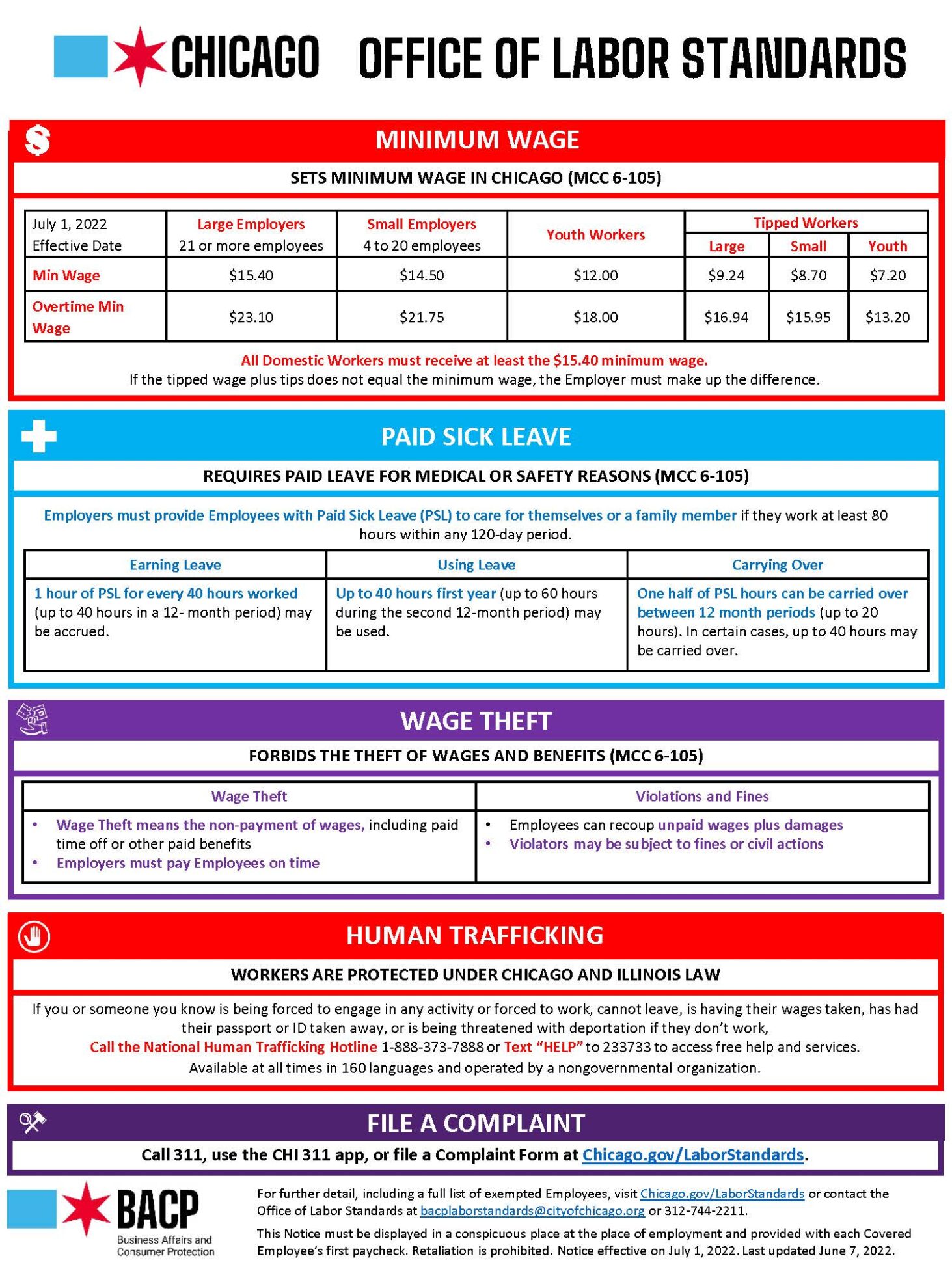
As of July 1, 2023, the minimum wage in the City of Chicago for non-tipped workers is $15.80 per hour. This rate applies to employers with 21 or more employees. For smaller employers (4 to 20 employees), the minimum wage is set at $15.00 per hour. It’s important to note that these figures represent a significant increase over the past decade, reflecting a deliberate effort by local authorities to ensure a living wage for its residents.
The situation for tipped employees, such as those working in restaurants and bars, is slightly different. The minimum wage for tipped workers in Chicago is $9.48 per hour, provided that their tips bring their total hourly earnings up to at least the standard minimum wage ($15.80). If tips do not cover the difference, the employer is legally obligated to make up the shortfall. This dual-tier system is common in the United States and is designed to acknowledge the significant role tips play in the compensation of service industry professionals.
It’s crucial for anyone seeking the absolute latest figures to always consult official government sources, such as the City of Chicago Department of Business Affairs and Consumer Protection, as these rates are subject to annual adjustments, typically on July 1st of each year, often tied to the Consumer Price Index (CPI) to account for inflation. This means that if you’re reading this far into the future, the exact numbers may have slightly increased, but the structure of how they apply will likely remain consistent.
Historical Context and Future Adjustments
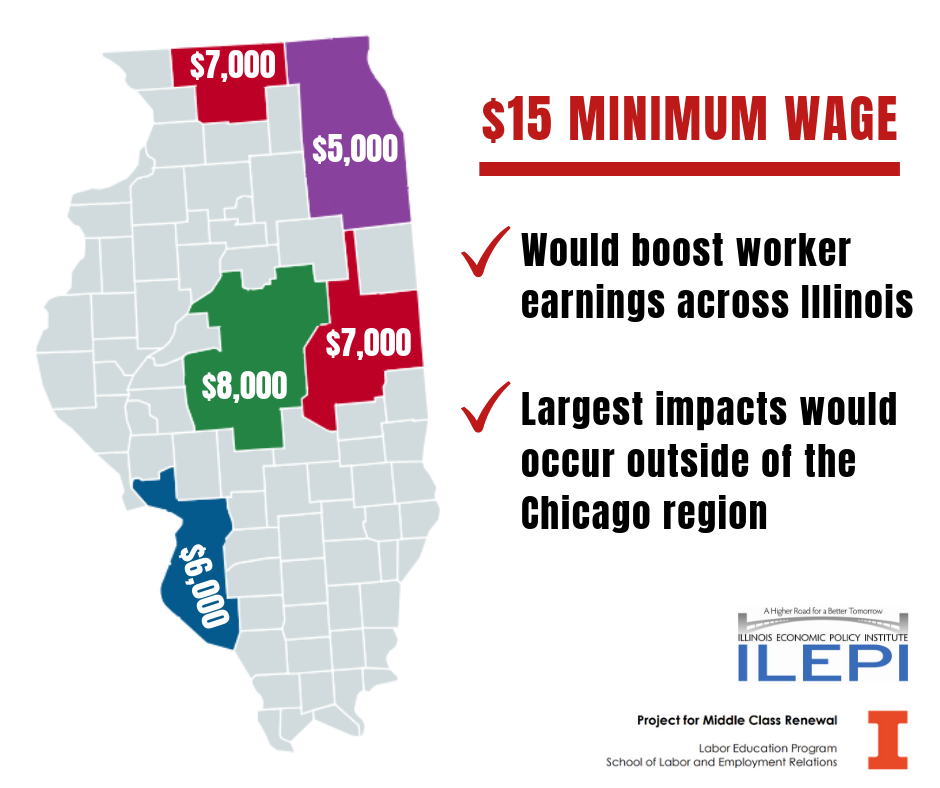
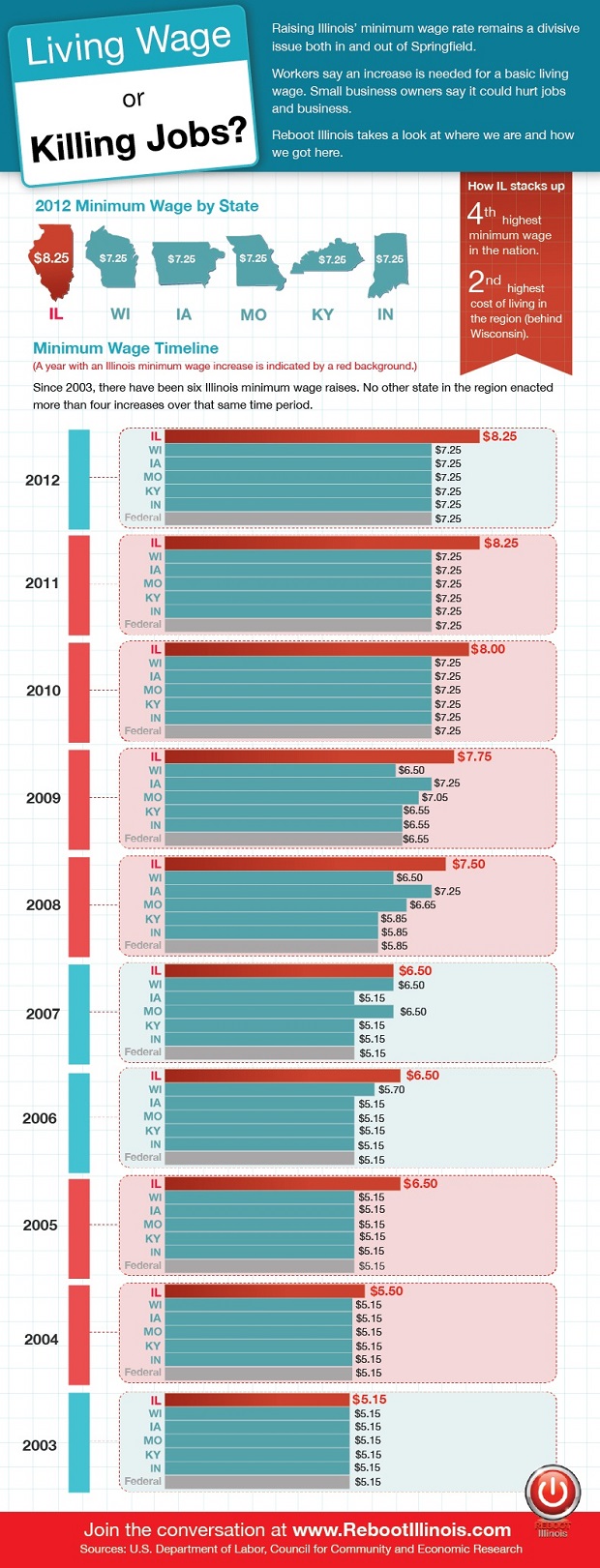
The journey to the current minimum wage rates in Chicago has been progressive and intentional. For many years, the minimum wage in Illinois State lagged behind the needs of its urban centers. However, the City of Chicago took the lead in implementing its own municipal minimum wage ordinance, significantly outpacing the state’s requirements. This local initiative has been instrumental in setting a higher standard and has often served as a benchmark for other cities across the country.
The commitment to annual adjustments is a key feature of Chicago’s minimum wage policy. These adjustments are designed to ensure that the minimum wage keeps pace with the rising cost of living and inflation, preventing its purchasing power from eroding over time. This forward-thinking approach provides greater stability for workers and predictability for businesses within the city’s diverse economy. For long-term visitors or those considering relocation, understanding this trajectory provides insight into the city’s economic philosophy and its impact on the local workforce.
Impact on Travelers and the Tourism Industry
For a city deeply reliant on tourism, like Chicago, the minimum wage has far-reaching effects that touch nearly every aspect of a visitor’s experience. From the price of a meal to the quality of service received, these economic policies ripple through the entire hospitality ecosystem, influencing travel budgets, local culture, and overall lifestyle.
Budgeting Your Chicago Trip: What to Expect
A higher minimum wage often translates to a slightly higher cost of labor for businesses, which can, in turn, affect consumer prices. For travelers, this means that the cost of certain services – particularly those involving direct human interaction such as dining out, guided tours, and hotel services – might be a bit higher than in cities with lower minimum wage rates. This is an important consideration for budget travel planning.
However, this doesn’t mean a trip to Chicago has to break the bank. Smart planning can help offset these costs. Budget-conscious travelers can explore a wealth of free attractions such as wandering through Millennium Park to see the iconic “Bean” (Cloud Gate), strolling along the scenic Chicago Riverwalk, or visiting the Lincoln Park Zoo, which offers free admission. Utilizing the efficient public transportation system run by the CTA (Chicago Transit Authority) can significantly reduce transportation costs compared to taxis or ride-shares. Opting for self-catering options in accommodations with kitchenettes, or enjoying picnics in one of Chicago’s many beautiful parks, can also help manage food expenses.
The Workforce Behind Your Experience
One of the often-overlooked benefits of a higher minimum wage is its positive impact on the quality of service. Employees who feel fairly compensated are often more engaged, motivated, and likely to provide superior service. This directly enhances the traveler’s experience, whether it’s the welcoming smile from the front desk staff at a Grand Hyatt Hotel or the knowledgeable recommendations from a server at a local eatery.
The tourism sector in Chicago employs thousands of individuals in various roles, from hotel housekeeping and restaurant staff to attraction guides and retail workers. A robust minimum wage ensures that these essential workers, who are the backbone of the city’s hospitality industry, can afford to live and work in the city they serve. This can lead to lower employee turnover, more experienced staff, and ultimately, a more consistent and high-quality experience for visitors. When you enjoy your stay at a luxury suite in a resort like The Langham Chicago or explore the vibrant streets of Wrigleyville, remember that the people enhancing your experience are working under these protective wage policies.
Dining and Entertainment Costs
Chicago is a foodie paradise, from its iconic deep-dish pizza to Michelin-starred fine dining establishments. The minimum wage directly influences the operational costs of these businesses. While a fast-food meal might see a marginal increase, upscale restaurants, which often have higher labor costs and rely on skilled staff, may reflect these wages more noticeably in their menu prices.
Moreover, the culture of tipping in the United States means that for many service industry roles, a portion of an employee’s income comes from gratuities. While the higher minimum wage for tipped employees in Chicago provides a more substantial base, customary tipping practices (typically 15-20% for good service) remain an expectation and a vital component of a server’s overall earnings. This is an important aspect of local culture to remember when budgeting for meals and drinks in establishments across areas like River North or the Loop.
Beyond dining, entertainment options, from catching a show in the Theatre District to visiting attractions like Navy Pier or the Art Institute of Chicago, also factor into your budget. While ticket prices are primarily driven by operational costs and demand, the underlying economic structure, including minimum wage, contributes to the overall pricing model for the city’s diverse range of activities.
Lifestyle and Accommodation in Chicago
The lifestyle of Chicago, whether you’re a temporary visitor or a long-term resident, is undoubtedly influenced by its economic policies, including the minimum wage. This is particularly evident in the choices available for accommodation and how one can navigate the city’s rich offerings on various budgets.
Choosing Your Accommodation Wisely
Accommodation is often the largest single expense for travelers, and the minimum wage indirectly plays a role in its pricing. Hotels, resorts, and apartments, whether luxury or budget-friendly, have staff whose wages contribute to the operational costs. A higher minimum wage means these establishments face increased labor expenditures, which can influence room rates, though the effect is often less direct than for service-intensive businesses like restaurants.
When planning your stay, whether you’re looking for a suite in a high-end resort on the Magnificent Mile or a cozy apartment rental in a vibrant neighborhood like the Gold Coast, it’s always wise to compare options, book in advance, and consider visiting during the shoulder seasons to find better deals. Chicago offers a wide spectrum of lodging, from prestigious hotels like the Four Seasons Chicago to more economical options and a growing number of vacation rentals. Understanding the city’s economic baseline helps in appreciating the value behind the prices you encounter across these diverse accommodation choices.
Long-term stays, which fall under the “Accommodation” and “Lifestyle” categories, also necessitate a clear understanding of the local economy. Renting an apartment, for example, involves considering not just the monthly cost but also utility bills and everyday expenses, which are all indirectly tied to the general cost of living influenced by wages.
Exploring Chicago on a Budget
Despite the implications of a higher minimum wage on certain costs, Chicago remains remarkably accessible for budget travelers, offering a wealth of experiences that align with a “budget travel” lifestyle. The city’s public infrastructure and numerous free or low-cost attractions allow visitors to immerse themselves in its culture without excessive spending.
Beyond Millennium Park and the Lincoln Park Zoo, other fantastic free attractions include the Chicago Cultural Center, renowned for its stunning Tiffany dome and free art exhibits, and exploring various neighborhoods, each with its unique character and charm. Many museums, such as the Field Museum, Shedd Aquarium, and the Museum of Science and Industry, offer free admission days for Illinois State residents, and sometimes reduced rates or free access for specific groups, which savvy travelers can look into.
Public transportation using the CTA (Chicago Transit Authority)’s extensive bus and ‘L’ train system is an economical way to navigate the city, connecting major hubs like O’Hare International Airport and Midway International Airport to the downtown area and beyond. Walking tours, self-guided architectural explorations, and simply enjoying the vibrant street life contribute to a rich experience that doesn’t rely on high expenditures. Engaging with the local culture through community events or farmers’ markets also offers an authentic and often affordable way to experience Chicago.
Working in Chicago’s Thriving Tourism Sector
For individuals considering employment in Chicago’s dynamic tourism and hospitality industry, the city’s minimum wage policy is a critical factor. It provides a baseline understanding of potential earnings and the economic environment one would be stepping into.
Opportunities for Seasonal and Long-term Employment
Chicago’s status as a major global destination creates a continuous demand for labor in hotels, restaurants, attractions, and various support services. This opens up numerous opportunities for both seasonal workers looking for temporary roles during peak tourist seasons (summer, holidays) and those seeking long-term career paths. Roles can range from hotel operations and guest services to culinary arts, tour guiding, retail, and event management.
The city’s higher minimum wage means that entry-level positions in these sectors offer a more competitive starting point compared to many other cities in the United States. This can be particularly attractive for young professionals, students, or individuals looking to gain experience in a world-class urban environment. However, it’s also essential to consider the cost of living in Chicago. While the minimum wage provides a solid foundation, expenses like rent, utilities, and daily necessities can still be substantial, especially in popular neighborhoods. Aspiring workers should factor in these costs when evaluating the feasibility of living and working in the city.
The minimum wage policy reflects the city’s commitment to a strong workforce, fostering a vibrant and sustainable tourism industry. For employers, it means investing in their staff, leading to a more skilled and dedicated team, which ultimately benefits the millions of visitors who come to explore the wonders of Chicago, from the heights of the Willis Tower to the cultural treasures of its many museums.
In conclusion, the minimum wage in Chicago is more than just a number; it’s a testament to the city’s economic values and a significant factor in shaping the experience for everyone who interacts with this magnificent metropolis. For travelers, understanding it helps in crafting a realistic budget and appreciating the value of services. For workers, it provides a benchmark for earning potential in a city brimming with opportunities. Whether you’re planning your next adventure or considering a career move, having insight into Chicago’s minimum wage policies will undoubtedly enrich your overall understanding and engagement with this truly exceptional city. Explore more Chicago guides on lifeoutofthebox.com to enhance your journey!
LifeOutOfTheBox is a participant in the Amazon Services LLC Associates Program, an affiliate advertising program designed to provide a means for sites to earn advertising fees by advertising and linking to Amazon.com. Amazon, the Amazon logo, AmazonSupply, and the AmazonSupply logo are trademarks of Amazon.com, Inc. or its affiliates. As an Amazon Associate we earn affiliate commissions from qualifying purchases.