
Seattle, Washington, often dubbed the Emerald City, is renowned for its stunning natural beauty, vibrant tech industry, iconic landmarks, and a progressive economic landscape. For anyone planning a visit, considering a move, or even eyeing a job in its bustling tourism and hospitality sectors, understanding the local economic nuances – particularly the minimum wage – is crucial. This isn’t just a figure for local workers; it’s a factor that subtly shapes the cost of travel, the pricing of accommodation, the vibrancy of local culture, and the overall lifestyle experience in this dynamic Pacific Northwest metropolis.
Seattle has been at the forefront of the movement to establish higher minimum wages, reflecting a commitment to living wages for its residents. This progressive stance has made it a fascinating case study for economists and a significant consideration for travelers budgeting their trips and for potential employees navigating career opportunities in the city’s diverse economy. Delving into Seattle’s minimum wage reveals not just a number, but a complex interplay of economic policy, urban cost of living, and the unique character of one of America’s most exciting cities.
Understanding Seattle’s Minimum Wage Landscape
The minimum wage in Seattle is not a static figure but rather a dynamic policy that undergoes annual adjustments and varies based on employer size and whether employees receive medical benefits or tips. This sophisticated approach reflects the city’s effort to balance worker welfare with business realities, making it distinct from many other locales across the United States. For those exploring Seattle, whether as a tourist or someone considering a longer stay, grasping these specifics is key to understanding the city’s economic rhythm.
The Current Minimum Wage in Seattle
As of January 1, 2024, the minimum wage in Seattle increased to $19.97 per hour. However, this rate applies specifically to employers with 501 or more employees worldwide. For smaller employers (500 or fewer employees worldwide), there’s a slightly different structure: the minimum wage is $17.25 per hour if the employer pays at least $2.72 per hour toward the employee’s medical benefits and/or the employee earns at least $2.72 per hour in tips. If these conditions are not met, then the smaller employer must also pay the full $19.97 per hour. These figures are adjusted annually based on the Consumer Price Index (CPI), reflecting the rising cost of living in the region. This tiered system aims to provide a safety net for workers while offering some flexibility for smaller businesses, which often operate on tighter margins, particularly within the tourism and hospitality sectors.
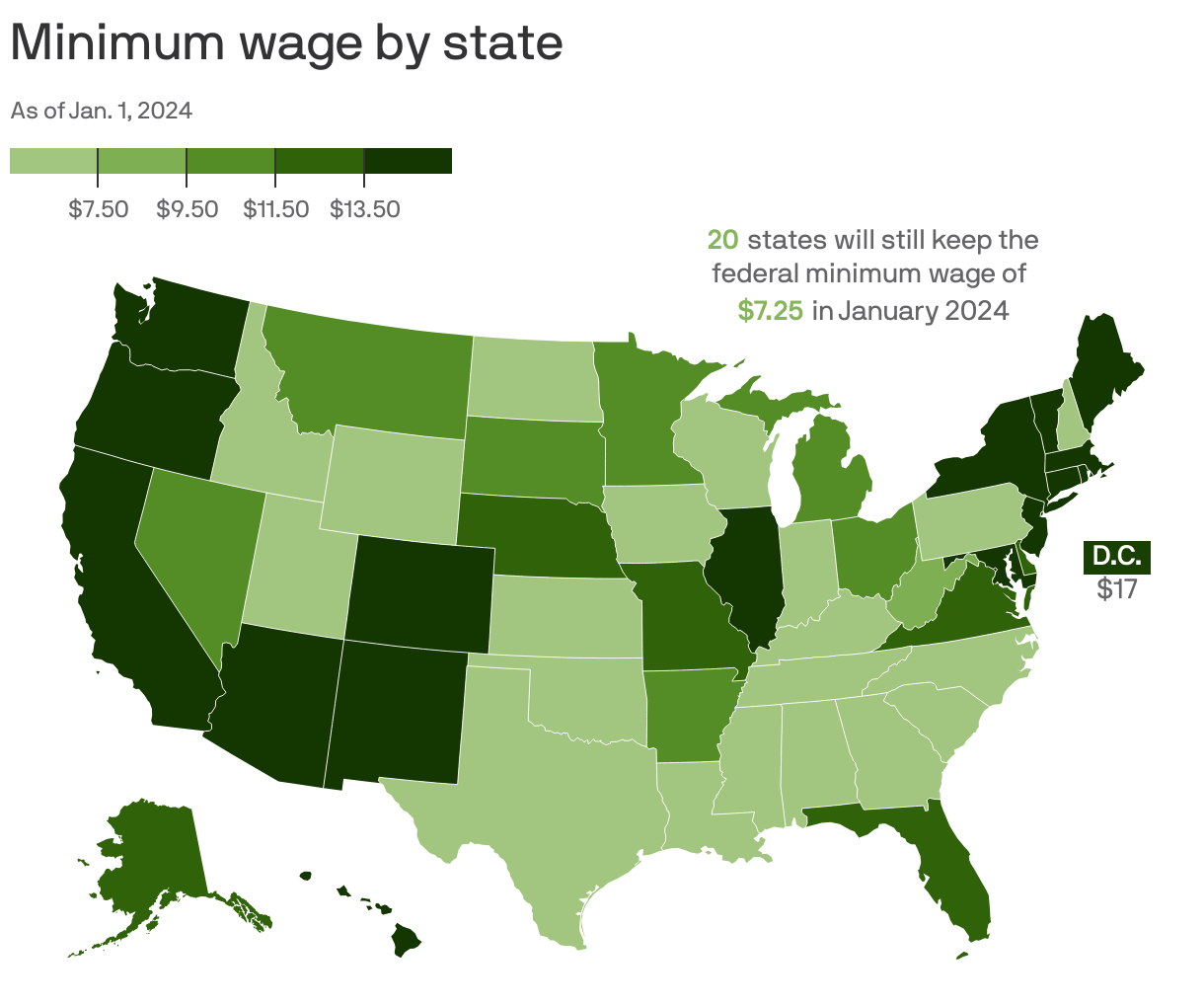
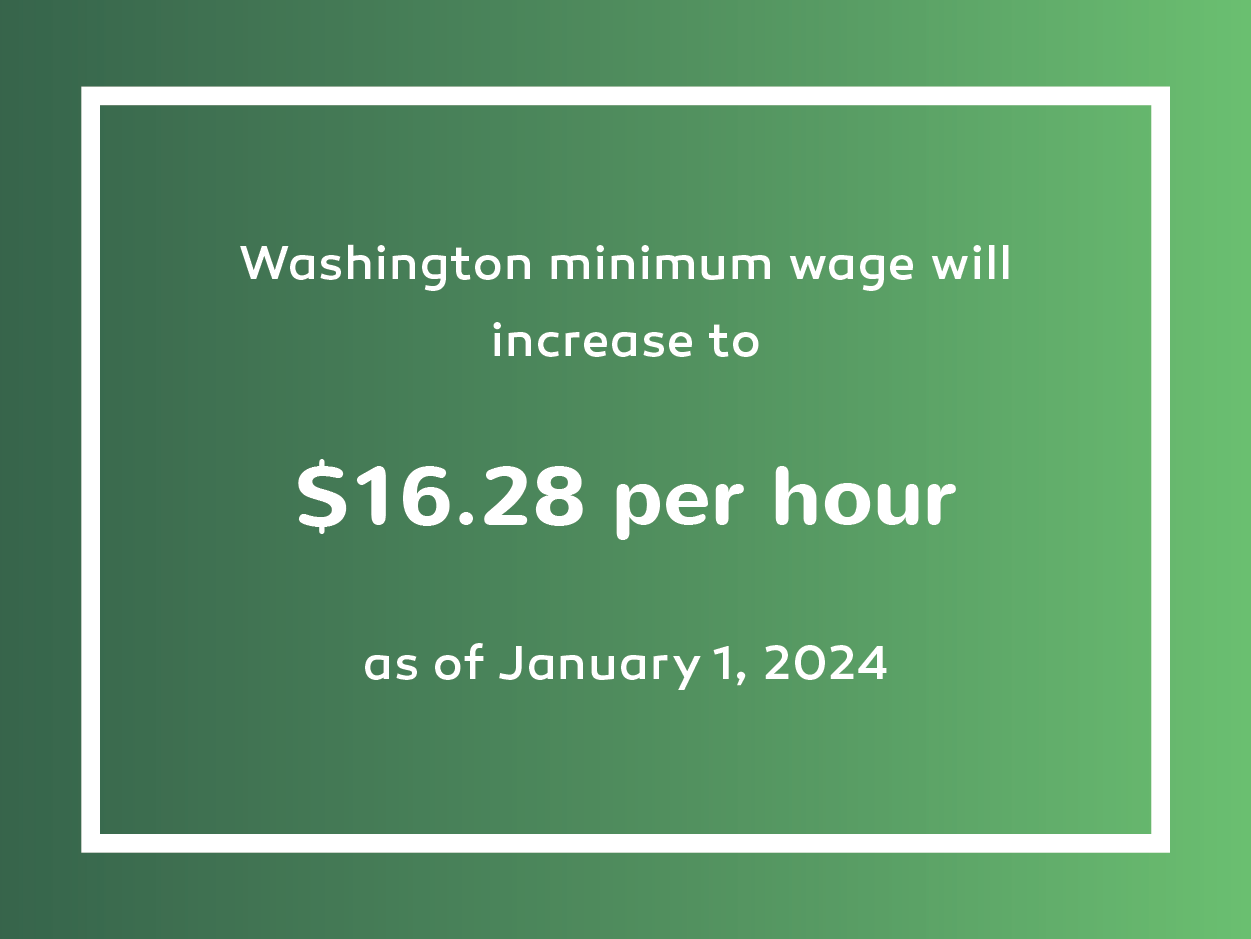
This progressive wage policy in Seattle significantly exceeds the federal minimum wage of $7.25 per hour and is also considerably higher than Washington State’s general minimum wage, which currently stands at $16.28 per hour. This distinction is crucial; visitors from other parts of the country might find prices for services, dining, and accommodations higher than what they are accustomed to, partly due to these elevated labor costs. Conversely, those seeking employment in Seattle’s bustling service industries, from hotels like the Grand Hyatt Seattle to popular restaurants near Pike Place Market, can expect a more substantial hourly wage compared to many other cities.
Historical Context and Evolution
Seattle’s journey to its current minimum wage began with a landmark decision in 2014, when it became one of the first major U.S. cities to approve a phased increase to $15 per hour. This move was revolutionary at the time and sparked a nationwide debate about income inequality and the concept of a “living wage.” The city council’s decision was rooted in the understanding that, despite Seattle’s booming tech economy and high average incomes, a significant portion of its workforce struggled to afford the city’s rapidly escalating cost of living.
The phased implementation allowed businesses to adjust, and subsequent annual increases have ensured that the minimum wage keeps pace with inflation, particularly in a city where housing, transportation, and daily expenses are notoriously high. This historical trajectory highlights Seattle’s pioneering spirit in social and economic policy, influencing other cities across the nation to consider similar increases. For tourists, this history underscores a commitment to equitable labor practices that might manifest in slightly higher prices but also potentially in more motivated and better-compensated service staff across various establishments, from the historic Edgewater Hotel to local coffee shops.
The Impact on Seattle’s Tourism and Hospitality Sector
The robust minimum wage in Seattle casts a wide net, influencing everything from the city’s economic vitality to the everyday experiences of both its residents and its millions of annual visitors. Within the dynamic tourism and hospitality sector, these policies have a particularly pronounced effect, shaping labor costs, service quality, and ultimately, the overall travel economy. Understanding this impact is vital for anyone planning a trip or considering employment within this vibrant industry.
For Hospitality Workers
For the countless individuals who power Seattle’s tourism and hospitality industry – from hotel staff at the Hyatt Regency Seattle to baristas near Capitol Hill, and from tour guides at the Space Needle to servers in Belltown‘s acclaimed restaurants – the higher minimum wage represents a significant step towards a living wage. In a city where the cost of living, especially housing, is among the highest in the United States, earning $19.97 per hour provides a much-needed boost to financial stability. This allows workers to better afford rent in neighborhoods like Fremont or Ballard, cover transportation costs to their workplaces, and enjoy some of the city’s cultural offerings themselves.
The impact extends beyond mere affordability; a higher wage can also lead to increased job satisfaction, lower employee turnover, and potentially higher quality service. When employees feel valued and adequately compensated, they are often more engaged, productive, and committed to their roles. This positive cycle can elevate the overall experience for tourists, as they interact with a service sector that is more professional and less stressed by economic insecurity. For those considering a career in Seattle’s vibrant tourism industry, the city’s minimum wage policies present an attractive proposition, offering better earning potential than comparable roles in many other destinations.
For Travelers and Tourists
While beneficial for workers, Seattle’s higher minimum wage inevitably contributes to the overall cost of visiting the city. This is a crucial consideration for budget-conscious travelers. Prices for accommodation, dining out, and certain services may be somewhat higher than in cities with lower labor costs. Hotels, for instance, must factor increased payroll expenses into their room rates, whether you’re staying at a luxury establishment or a more modest hotel. Similarly, restaurants pass on higher labor costs through menu pricing, making a meal out potentially more expensive than expected.
However, this isn’t necessarily a deterrent, but rather a factor to integrate into your travel budget. Many travelers are willing to pay a premium for destinations known for their quality of life and equitable labor practices. The investment often translates into a more pleasant travel experience, where service staff are knowledgeable, attentive, and genuinely happy in their work. For instance, a visit to Chihuly Garden and Glass or the Museum of Pop Culture (MoPOP) might come with a ticket price reflecting fair wages for staff, but it also ensures well-maintained facilities and expert guidance. By being aware of these dynamics, visitors can plan accordingly, balancing their desires for luxury travel with budget travel strategies.
Business Perspectives in Tourism
Businesses operating within Seattle’s tourism and hospitality sector face the challenge and opportunity presented by the higher minimum wage. On one hand, increased labor costs represent a significant operational expense that must be managed. Hotels, restaurants, tour operators, and attraction managers constantly evaluate pricing strategies, operational efficiencies, and investment in technology to absorb these costs without significantly impacting their competitiveness or profitability. This might involve optimizing staffing levels, investing in automation for certain tasks, or focusing on high-value services and unique experiences to justify premium pricing.
On the other hand, the minimum wage policy can also be viewed as a competitive advantage. It helps businesses attract and retain a higher caliber of talent, reducing recruitment and training costs in the long run. Employees who are paid a living wage are more likely to stay with their employers, develop expertise, and contribute positively to the company’s culture and customer service. For instance, a boutique hotel like the Kimpton Hotel Vintage Seattle can leverage its commitment to fair wages as part of its brand identity, appealing to socially conscious travelers. Ultimately, Seattle’s minimum wage fosters a more stable and skilled workforce, contributing to the city’s reputation as a high-quality tourist destination.
Navigating Seattle on a Travel Budget: Wage-Conscious Tips
Visiting Seattle doesn’t have to break the bank, even with its higher minimum wage contributing to the overall cost of services. With a bit of strategic planning and an understanding of the local economic landscape, travelers can enjoy all that the Emerald City has to offer without compromising on their budget. From smart accommodation choices to savvy dining and exploring attractions, there are numerous ways to experience Seattle intelligently.
Accommodation Choices
Accommodation typically consumes a significant portion of any travel budget. In Seattle, where hotel staff wages are higher, room rates can reflect this. To mitigate costs, consider alternatives to conventional hotels. Hostels in areas like Pioneer Square or near downtown can offer budget-friendly beds in shared or private rooms. Vacation rentals through platforms like Airbnb or Vrbo can also be a cost-effective option, especially for longer stays or groups, providing the opportunity to cook some of your meals and save on dining expenses. Neighborhoods slightly outside the immediate downtown core, such as University District or Columbia City, might offer more affordable hotel or rental options with easy access to public transportation. Look for hotels that offer value-added amenities like complimentary breakfast or free Wi-Fi, which can further reduce incidental costs. Booking well in advance, especially during peak tourist seasons (summer), is always advisable to secure better rates.
Dining and Entertainment
Seattle’s culinary scene is world-class, but dining out can quickly add up. To enjoy the local flavors without overspending, embrace the city’s vibrant casual dining culture. Seek out food trucks, which offer diverse and delicious options at more accessible price points. Exploring the iconic Pike Place Market for fresh produce, artisan cheeses, and prepared foods can be an excellent way to assemble budget-friendly meals or picnics to enjoy at scenic spots like Kerry Park or Gas Works Park. Happy hour specials at restaurants and bars, especially in areas like Belltown or Capitol Hill, are another fantastic way to sample Seattle’s gastronomy at a reduced cost. For entertainment, leverage free attractions like strolling through neighborhoods such as Fremont (home to the Fremont Troll), relaxing at Discovery Park, or enjoying the views from Alki Beach.
Exploring Attractions and Activities
Many of Seattle’s most famous landmarks and attractions, such as the Space Needle, MoPOP, or the Seattle Art Museum (SAM), have entrance fees that factor in operating costs, including staff wages. To manage these expenses, consider purchasing a Seattle CityPASS, which offers significant discounts on multiple top attractions. This can be a smart way to experience several paid sights at a reduced overall price. Additionally, look for free events and festivals, particularly during the summer months, which offer cultural experiences without an admission charge. Many museums offer free admission days or evenings; check their websites in advance. Utilizing Seattle’s efficient public transportation system – buses, Link light rail, and the Monorail – can also save money compared to taxis or ride-shares, which are subject to higher operational costs partly due to local wage structures. Walking tours, often available on a “pay-what-you-can” basis, are an excellent way to learn about the city’s history and culture without a fixed upfront cost.
Seattle’s Lifestyle and Economic Realities
The Emerald City, with its iconic skyline, lush natural surroundings, and innovative spirit, offers a quality of life that attracts people from all over the globe. However, this desirable lifestyle comes with a significant economic caveat: a notably high cost of living. Understanding the interplay between Seattle’s progressive minimum wage policies and its economic realities is crucial for anyone considering making this vibrant city their home, or even just for an extended stay, especially in relation to career prospects within its thriving service industries.
Cost of Living vs. Minimum Wage
Seattle consistently ranks among the most expensive cities in the United States. The primary driver of this high cost is housing, with median rents and home prices far exceeding national averages. Beyond housing, daily expenses such as groceries, transportation, and utilities also tend to be higher. While Seattle’s minimum wage, currently at $19.97 per hour for large employers, is one of the highest in the nation, it still presents challenges for individuals and families attempting to live comfortably solely on this income.
For example, an individual working full-time at the minimum wage would earn approximately $41,537 annually before taxes. While this is significantly better than what minimum wage earners receive in many other cities, it often falls short of what’s considered a true “living wage” in Seattle when factoring in median rent for a one-bedroom apartment (which can easily exceed $2,000 per month), alongside other essential expenditures. This disparity means that many minimum wage earners often need to work multiple jobs, share housing, or rely on public assistance to make ends meet in King County. For those considering working in Seattle’s tourism or service industries, it’s vital to research specific neighborhood costs and develop a realistic budget that accounts for these elevated expenses.
Opportunities in the Service Industry
Despite the high cost of living, Seattle’s dynamic economy offers numerous opportunities, particularly within its robust service industry. The constant influx of tourists, the thriving tech sector bringing business travelers, and a strong local culture of dining and entertainment ensure a consistent demand for skilled and dedicated service professionals. From the bustling hotels and resorts around downtown, like the Grand Hyatt Seattle, to the myriad of restaurants lining Lake Union and Lake Washington, the city boasts a wide array of roles.
The higher minimum wage means that entry-level positions in hospitality, retail, and food service offer better starting points compared to many other cities. Beyond the minimum wage, there are also opportunities for career advancement, especially for those with ambition and a commitment to customer service. Many large hotel chains and restaurant groups in Seattle offer competitive benefits packages, including health insurance, paid time off, and retirement plans, further enhancing the overall compensation. Individuals interested in exploring career paths in Seattle’s service sector should highlight their customer service skills, adaptability, and enthusiasm for contributing to the city’s vibrant tourism economy. Whether you’re a seasoned professional or looking for an entry point into the industry, Seattle presents a unique landscape of both challenges and rewarding opportunities.

Conclusion
Seattle’s minimum wage policies are a cornerstone of its progressive identity, setting it apart as a city committed to fair labor practices. At $19.97 per hour for large employers, it stands as one of the highest in the United States, reflecting an effort to combat the city’s notoriously high cost of living. This commitment profoundly impacts various facets of the urban experience, from the day-to-day lives of hospitality workers to the overall budget considerations for travelers exploring the Emerald City.
For those planning to visit, understanding this economic reality is key to budgeting effectively for accommodation, dining, and attractions. While it might translate to slightly higher prices for services, it also contributes to a stable and often more experienced service workforce, potentially enhancing the quality of your travel experience. For individuals considering a move or a career in Seattle’s thriving tourism and hospitality sectors, the minimum wage represents a significant advantage, offering a more competitive starting point for earnings compared to many other cities, though it must always be weighed against the formidable cost of living, particularly housing.
Ultimately, Seattle’s minimum wage is more than just a number; it’s a testament to the city’s unique economic environment and its ongoing endeavor to balance prosperity with equity. For both visitors and potential residents, grasping these economic nuances enriches one’s understanding of this dynamic Pacific Northwest gem, allowing for more informed decisions and a deeper appreciation of what makes Seattle truly special.
LifeOutOfTheBox is a participant in the Amazon Services LLC Associates Program, an affiliate advertising program designed to provide a means for sites to earn advertising fees by advertising and linking to Amazon.com. Amazon, the Amazon logo, AmazonSupply, and the AmazonSupply logo are trademarks of Amazon.com, Inc. or its affiliates. As an Amazon Associate we earn affiliate commissions from qualifying purchases.