
Welcome to Las Vegas, a city renowned globally for its vibrant nightlife, luxurious resorts, thrilling entertainment, and endless possibilities for adventure. Nestled in the heart of the Mojave Desert in Nevada, this dazzling oasis offers an unparalleled travel experience. However, before you pack your bags and book your flight, there’s one crucial factor to consider that significantly impacts your visit: the weather. The temperature in Las Vegas can vary dramatically throughout the year, from scorching summer days to surprisingly crisp winter evenings, influencing everything from what you pack to which attractions you choose to explore. Understanding the city’s unique climate is key to planning the perfect trip, ensuring comfort, safety, and maximum enjoyment of all that this incredible destination in the United States has to offer. Whether you’re dreaming of lounging by a glittering pool, exploring scenic desert landscapes, or hitting the bustling Las Vegas Strip for world-class dining and shows, being prepared for the prevailing temperatures will enhance your entire experience.
Understanding Las Vegas’s Desert Climate
Las Vegas is characterized by an arid desert climate, which means it experiences extreme temperatures, particularly during the summer months, and very low humidity year-round. The city boasts over 300 days of sunshine annually, making it a consistently bright and inviting destination, but also one where sun protection is always a wise choice. This unique geographical positioning in the Mojave Desert dictates the rhythm of its seasons, each offering a distinct flavor for visitors. From the gentle warmth of spring to the intense heat of summer, the mildness of autumn, and the cool crispness of winter, the temperature in Las Vegas is never static, providing a dynamic backdrop for various travel preferences and activities.
A Year in Extremes: Seasonal Overview
The temperature in Las Vegas undergoes significant shifts throughout the year, essentially providing four distinct seasons for travelers to navigate.
Spring (March – May): This is arguably one of the most pleasant times to visit Las Vegas. Temperatures are comfortably warm, typically ranging from the mid-60s to high-80s Fahrenheit (18-31°C). The days are long and sunny, and the desert landscapes surrounding the city begin to bloom with wildflowers, offering stunning scenic drives. It’s an ideal season for outdoor activities like hiking and exploring, as well as enjoying poolside lounging without the oppressive summer heat. Events and festivals are common during this time, taking advantage of the superb weather.
Summer (June – August): Prepare for intense heat. Summer in Las Vegas is famously hot, with daily high temperatures frequently exceeding 100°F (38°C) and often climbing to 110°F (43°C) or higher in July and August. Even evenings offer little respite, with temperatures often remaining in the high 80s or low 90s (30s °C). While the dry heat can feel less stifling than humid climates, it still demands caution. This season is prime for pool parties, indoor entertainment, and enjoying air-conditioned comfort. Many consider it the best time for budget travel, as some hotel rates may dip due to the extreme heat deterring certain types of travelers.

Fall (September – November): Much like spring, autumn is another magnificent period to experience Las Vegas. The scorching summer temperatures gradually give way to comfortable warmth, ranging from the high 80s in September (around 30°C) down to the 60s Fahrenheit (15-20°C) by November. The skies remain clear and sunny, providing perfect conditions for all types of activities, from golfing to exploring the natural wonders just outside the city. It’s a popular time for conventions and events, and the atmosphere on the Las Vegas Strip is vibrant.
Winter (December – February): While rarely experiencing snow, winter in Las Vegas is mild and cool, a stark contrast to the summer’s intensity. Daytime temperatures typically hover between the mid-50s and low 60s Fahrenheit (10-18°C), dropping significantly after sunset, often into the 30s or 40s (0-10°C). Mornings can be quite chilly. This is an excellent time for those who prefer cooler weather for walking, sightseeing, and enjoying the festive holiday decorations. Indoor attractions, shows, and gourmet dining take center stage, though outdoor excursions to places like Red Rock Canyon are also very popular.
Daily and Monthly Averages
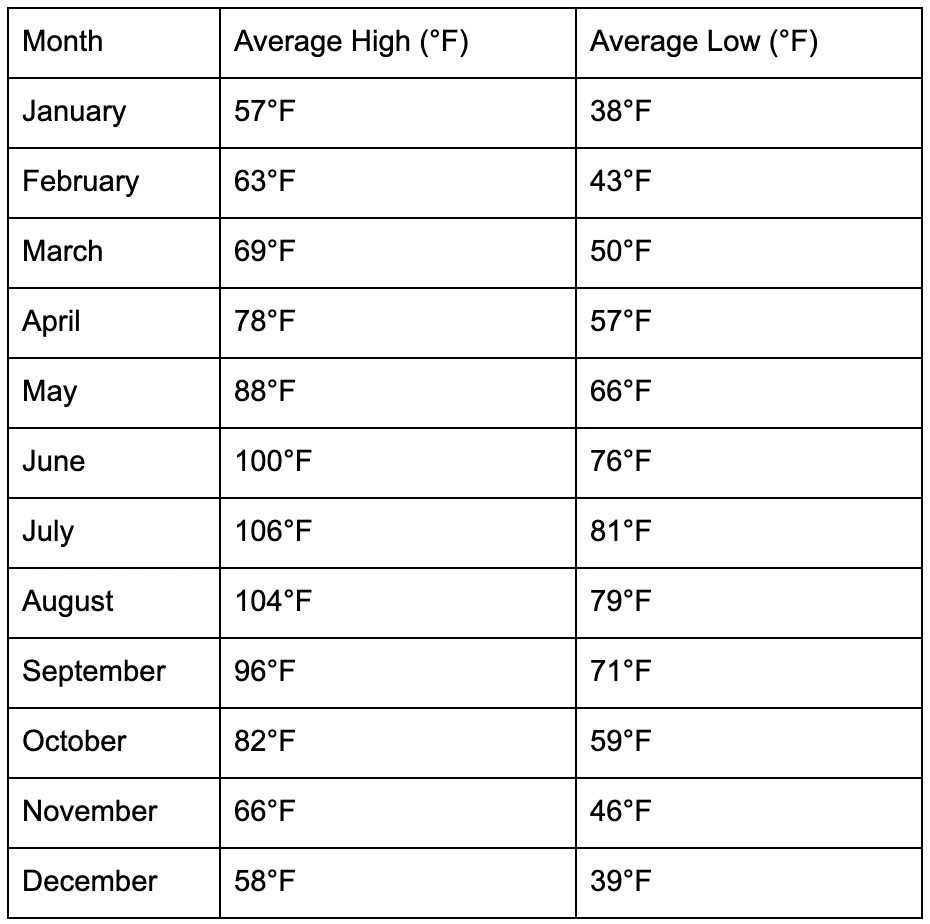
To give a clearer picture, let’s look at typical monthly averages (approximate values in Fahrenheit):
- January: Avg High 58°F (14°C), Avg Low 39°F (4°C)
- February: Avg High 63°F (17°C), Avg Low 43°F (6°C)
- March: Avg High 70°F (21°C), Avg Low 49°F (9°C)
- April: Avg High 78°F (26°C), Avg Low 56°F (13°C)
- May: Avg High 88°F (31°C), Avg Low 65°F (18°C)
- June: Avg High 99°F (37°C), Avg Low 74°F (23°C)
- July: Avg High 104°F (40°C), Avg Low 80°F (27°C)
- August: Avg High 102°F (39°C), Avg Low 78°F (26°C)
- September: Avg High 94°F (34°C), Avg Low 70°F (21°C)
- October: Avg High 81°F (27°C), Avg Low 59°F (15°C)
- November: Avg High 67°F (19°C), Avg Low 47°F (8°C)
- December: Avg High 58°F (14°C), Avg Low 39°F (4°C)
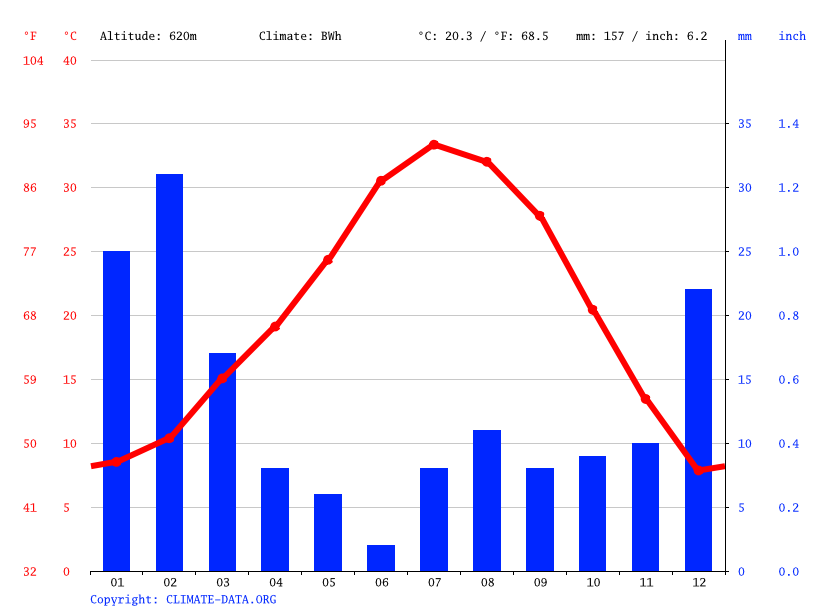
These averages highlight the significant seasonal variations. The dry air is a constant, with humidity levels often very low, contributing to clearer skies but also requiring increased hydration, especially in the hotter months.
Microclimates and Urban Heat Island Effect
While Las Vegas generally experiences a uniform desert climate, visitors might notice subtle differences. The densely built-up areas of the Las Vegas Strip and Downtown Las Vegas can create an “urban heat island” effect. This phenomenon means that concrete, asphalt, and buildings absorb and retain more heat than natural landscapes, causing the city center to feel a few degrees warmer than surrounding desert areas, particularly at night. Furthermore, large resorts with extensive water features, like those found at the Bellagio or The Venetian Resort Las Vegas, can sometimes create localized cooling effects due to evaporation, though this is usually minor. When venturing into natural attractions like Red Rock Canyon or Valley of Fire State Park, expect temperatures to be similar to, or slightly hotter than, the city, especially as there is less shade.
Planning Your Trip Around Las Vegas Temperatures
Understanding the temperature in Las Vegas is paramount for planning a successful and enjoyable trip. The season you choose can drastically alter the type of activities you’ll pursue, the clothing you’ll need, and even the overall ambiance of your visit. Thoughtful preparation can make the difference between a memorable vacation and one marred by discomfort.
Best Times to Visit for Comfortable Weather
For those prioritizing comfortable temperatures, spring (March to May) and fall (September to November) are undoubtedly the best times to visit Las Vegas. During these seasons, the weather is consistently pleasant, offering warm days and mild evenings that are ideal for exploring both indoor and outdoor attractions. You can comfortably stroll the Las Vegas Strip, enjoy outdoor dining, play golf, or embark on hiking adventures in the nearby desert parks without battling extreme heat or cold. These shoulder seasons also often strike a good balance between hotel prices and crowd levels, though major conventions can still spike demand.
If your primary goal is to luxuriate by the pool and immerse yourself in the vibrant pool party scene, then summer (June to August) is your season. While the heat is intense, the city’s resorts are expertly designed to help you beat it, with expansive pools, lazy rivers, and refreshing drinks readily available. Many indoor attractions, from world-class shows by Cirque du Soleil to high-stakes casinos and upscale shopping malls, offer excellent air-conditioned escapes.
Winter (December to February) is perfect for those who prefer cooler temperatures, especially for outdoor excursions to places like Hoover Dam and Lake Mead or exploring the festive holiday decorations. It’s also an excellent time for dining, shows, and exploring the unique culture without the intense summer crowds at outdoor venues. Just remember to pack layers for the chilly evenings.
Packing Essentials for Every Season
Your packing list will be heavily influenced by the temperature in Las Vegas during your visit.
- Summer (June-August): Think light, breathable fabrics like cotton and linen. Shorts, t-shirts, sundresses, and swimwear are essential. A wide-brimmed hat, sunglasses, and high-SPF sunscreen are non-negotiable for sun protection. Sandals or open-toed shoes are comfortable for daytime, but also pack a pair of closed-toe shoes if you plan on extended walking, as pavements can get very hot. Don’t forget a light cover-up for when you step into heavily air-conditioned interiors.
- Winter (December-February): Layers are your best friend. Pack long-sleeved shirts, sweaters, and a medium-weight jacket or coat. Jeans or long pants are standard. Evenings demand warmer attire, so consider a scarf and gloves if you’re particularly sensitive to cold. Comfortable walking shoes are a must for exploring.
- Spring (March-May) & Fall (September-November): These transitional seasons require versatile packing. Bring a mix of short-sleeved shirts and long-sleeved options. A light jacket or cardigan for cooler evenings is recommended. Pants, shorts, and dresses are all appropriate depending on the specific month. Again, comfortable walking shoes are key, and don’t forget swimwear if your hotel has a heated pool.
Regardless of the season, a good pair of comfortable walking shoes is always essential, as you’ll likely do a lot of walking, especially when exploring the extensive resorts and attractions on the Strip.
Staying Hydrated and Safe in the Heat
Given the extreme summer temperatures and the arid climate, staying hydrated and safe is critical, especially from May through September. The dry heat can be deceptive, as sweat evaporates quickly, making it harder to realize how much fluid you’re losing.
- Drink Plenty of Water: Carry a reusable water bottle and refill it frequently. Many hotels and casinos offer water stations. Aim to drink more water than you normally would.
- Avoid Excessive Alcohol/Caffeine: While tempting, these can contribute to dehydration. Alternate alcoholic beverages with water.
- Seek Shade and Air Conditioning: Plan your outdoor activities for early mornings or late evenings. During the peak heat of the day, take advantage of the countless air-conditioned attractions, restaurants, and shopping centers.
- Listen to Your Body: Recognize signs of heat exhaustion (dizziness, nausea, headache, excessive sweating) and heatstroke (hot, red, dry skin; rapid pulse; confusion). If you experience these symptoms, seek immediate medical attention.
- Protect Your Skin: Sunscreen, hats, and sunglasses are vital year-round, but especially during the summer, due to the intense Nevada sun.
Activities and Attractions: Adapting to the Heat (or Cold)
The diverse temperature in Las Vegas means that different activities shine in different seasons. The city is designed to cater to visitors regardless of the weather, ensuring there’s always something exciting to do.
Embracing Summer: Pools, Indoor Entertainment, and Nightlife
When summer’s intense heat descends upon Las Vegas, the city truly transforms into a water wonderland and an indoor entertainment paradise. The numerous resort pools become the primary daytime attraction. From the wave pool at Mandalay Bay Resort and Casino’s Mandalay Bay Beach to the stylish Cosmopolitan Pool District and the opulent Garden of the Gods Pool Oasis at Caesars Palace, there’s a poolside experience for every taste. Many pools offer cabanas, daybeds, and poolside service, allowing for a luxurious escape from the sun. The famous Las Vegas pool parties, often featuring world-renowned DJs, are a quintessential summer experience.
Beyond the pools, the city’s incredible array of indoor attractions comes to the forefront. This includes world-class shows like those by Cirque du Soleil, magic acts, and Broadway productions, ensuring dazzling entertainment in climate-controlled comfort. Casinos, with their constant air conditioning, provide a cool haven for gaming and people-watching. Upscale shopping malls like The Forum Shops at Caesars and Fashion Show Las Vegas offer a respite from the heat, as do the numerous museums, art galleries, and immersive experiences found across the city. Evening is when Las Vegas truly comes alive in summer. As the sun sets, the temperature becomes more tolerable, and the Strip lights up, inviting visitors to enjoy outdoor patios, explore the vibrant Fremont Street Experience in Downtown Las Vegas, and dive into the legendary nightlife.
Enjoying Spring, Fall, and Mild Winters: Outdoor Adventures
The milder temperatures of spring, fall, and winter open up a whole new world of outdoor exploration around Las Vegas. These seasons are perfect for visitors who want to blend the city’s excitement with the serene beauty of the surrounding desert.
- Hiking and Nature Exploration: The cooler months are ideal for visiting Red Rock Canyon National Conservation Area, just a short drive from the Strip. Its vibrant red rock formations and diverse trails are breathtaking in comfortable temperatures. Similarly, Valley of Fire State Park, Nevada’s oldest state park, offers stunning geological formations and ancient petroglyphs best explored without the summer sun beating down.
- Hoover Dam and Lake Mead: A visit to the iconic Hoover Dam and the vast recreational opportunities of Lake Mead are much more enjoyable when the temperature allows for comfortable walking tours and boat rides.
- Golfing: Las Vegas is home to numerous championship golf courses. Spring and fall offer perfect conditions for a round, with lush greens and pleasant weather.
- Strolling and Outdoor Dining: The Las Vegas Strip itself becomes a more walkable experience in milder weather. You can leisurely explore themed resorts, enjoy the Fountains of Bellagio show, and savor meals at outdoor patios and terraces that might be too hot in summer or too cold in deep winter.
- Day Trips: These seasons are also excellent for longer day trips to destinations further afield, such as the Grand Canyon, which is significantly more comfortable to explore outside of summer.
Accommodation Choices and Climate Control
When selecting accommodation in Las Vegas, especially during extreme temperature months, considering the quality of climate control and available amenities is crucial. Most luxury hotels and major resorts like ARIA Resort & Casino, The Venetian Resort Las Vegas, and Bellagio are equipped with excellent, reliable air conditioning systems in rooms and public spaces, ensuring a cool escape from the summer heat. They also typically feature expansive, often heated, pool complexes, some with indoor sections, making them suitable for year-round enjoyment.
When considering budget accommodations or smaller apartments and villas, it’s always wise to check reviews and confirm the functionality and efficiency of their HVAC systems. During the winter, rooms with good heating are equally important. Many hotels on the Strip and in Downtown Las Vegas offer direct access to enclosed walkways or indoor shopping areas, minimizing exposure to extreme temperatures when moving between attractions. Factor in the resort’s amenities, such as indoor pools, spas, and extensive dining options, as these become invaluable when outdoor activities are less appealing due to the weather.
Beyond the Thermometer: Other Weather Considerations
While temperature is often the primary focus, Las Vegas’s desert climate brings other weather factors into play that can impact your trip planning and overall experience.
Precipitation and Humidity
Las Vegas is notoriously dry, with very low humidity levels throughout the year. The city receives minimal rainfall, averaging only about 4 inches (100 mm) annually. Most precipitation occurs during the winter months, typically as light rain. However, the region does experience a brief “monsoon season” during late summer (July and August). These monsoons are characterized by short, intense thunderstorms that can cause flash flooding in desert washes but rarely disrupt urban activities for long. The low humidity, while contributing to the “dry heat” of summer, also means rapid evaporation, making proper hydration even more critical.
Wind and Dust Storms
Wind is a common feature of the Las Vegas climate, particularly in spring and fall. While often a pleasant breeze, stronger winds can occasionally whip up dust or even lead to minor dust storms, especially in less developed areas or on roads outside the main city. These events are generally short-lived but can affect visibility and make outdoor activities less comfortable. Checking the local forecast for wind advisories before planning desert hikes or outdoor excursions is always a good idea.
Sun Intensity and UV Index
With over 300 days of sunshine per year, the sun in Las Vegas is intense year-round. The UV index remains high for much of the year, even on cooler days. This means that sun protection is not just a summer concern but a year-round necessity. Always apply high-SPF sunscreen, wear sunglasses, and consider a hat, especially if spending extended time outdoors. The sun’s rays can be deceptively strong, leading to sunburn even on cloudy or cooler days, impacting your comfort and health.
In conclusion, the temperature in Las Vegas is a defining characteristic of this extraordinary destination. From the blistering heat of summer that fuels its legendary pool parties to the mild, pleasant conditions of spring and fall perfect for desert exploration, and the cool crispness of winter ideal for indoor shows and events, Las Vegas offers a unique experience in every season. By understanding these climatic nuances and planning accordingly – from your packing choices to your daily itinerary and accommodation selection – you can ensure your trip to this dazzling Nevada gem is nothing short of spectacular, no matter what the thermometer reads. Always check the current forecast before you travel to make real-time adjustments and prepare for an unforgettable adventure in the heart of the desert.
LifeOutOfTheBox is a participant in the Amazon Services LLC Associates Program, an affiliate advertising program designed to provide a means for sites to earn advertising fees by advertising and linking to Amazon.com. Amazon, the Amazon logo, AmazonSupply, and the AmazonSupply logo are trademarks of Amazon.com, Inc. or its affiliates. As an Amazon Associate we earn affiliate commissions from qualifying purchases.