
Orlando, Florida, often dubbed the “Theme Park Capital of the World,” beckons millions of visitors annually with its enchanting attractions, world-class entertainment, and a vibrant tourism scene. From the magical realms of Walt Disney World Resort to the cinematic adventures at Universal Orlando Resort and the aquatic wonders of SeaWorld Orlando, this city offers an unparalleled array of experiences. However, beyond the allure of thrilling rides and captivating shows, one crucial factor often dictates the comfort and enjoyment of any visit: the weather. Understanding the temperature in Orlando isn’t just about knowing a number; it’s about anticipating the climate’s impact on your travel plans, packing decisions, choice of activities, and overall lifestyle during your stay.
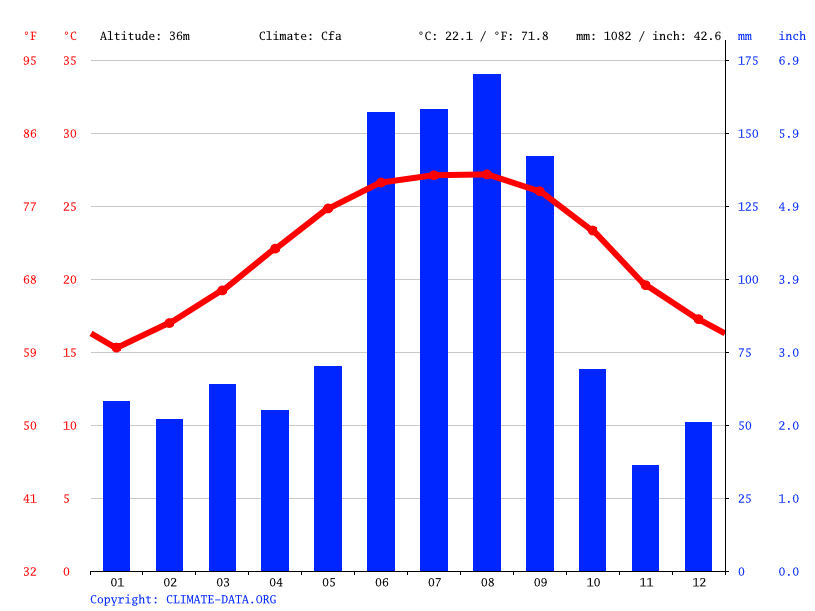
Orlando boasts a humid subtropical climate, characterized by hot, humid summers and mild, dry winters. This year-round warmth makes it an ideal destination for those seeking an escape from colder climates, but it also demands thoughtful preparation. Whether you’re planning a family trip, a luxurious retreat, a budget-friendly adventure, or a business stay, factoring in the seasonal temperature variations is paramount to optimizing your Orlando experience. From selecting the perfect resort with ample amenities to choosing the best time for exploring landmarks or enjoying local cuisine, the temperature plays an invisible yet influential role. This comprehensive guide will delve into Orlando’s climate patterns, offering insights and tips to ensure your visit is as comfortable and memorable as possible, no matter when you decide to embark on your Floridian adventure.
Understanding Orlando’s Subtropical Climate
Orlando’s position in Central Florida places it firmly within a humid subtropical climate zone, which means distinct seasonal patterns influence the daily temperature. While the city rarely experiences extreme cold, it certainly delivers on the promise of sunshine and warmth for most of the year.
The Warm Embrace of Summer (June-September)
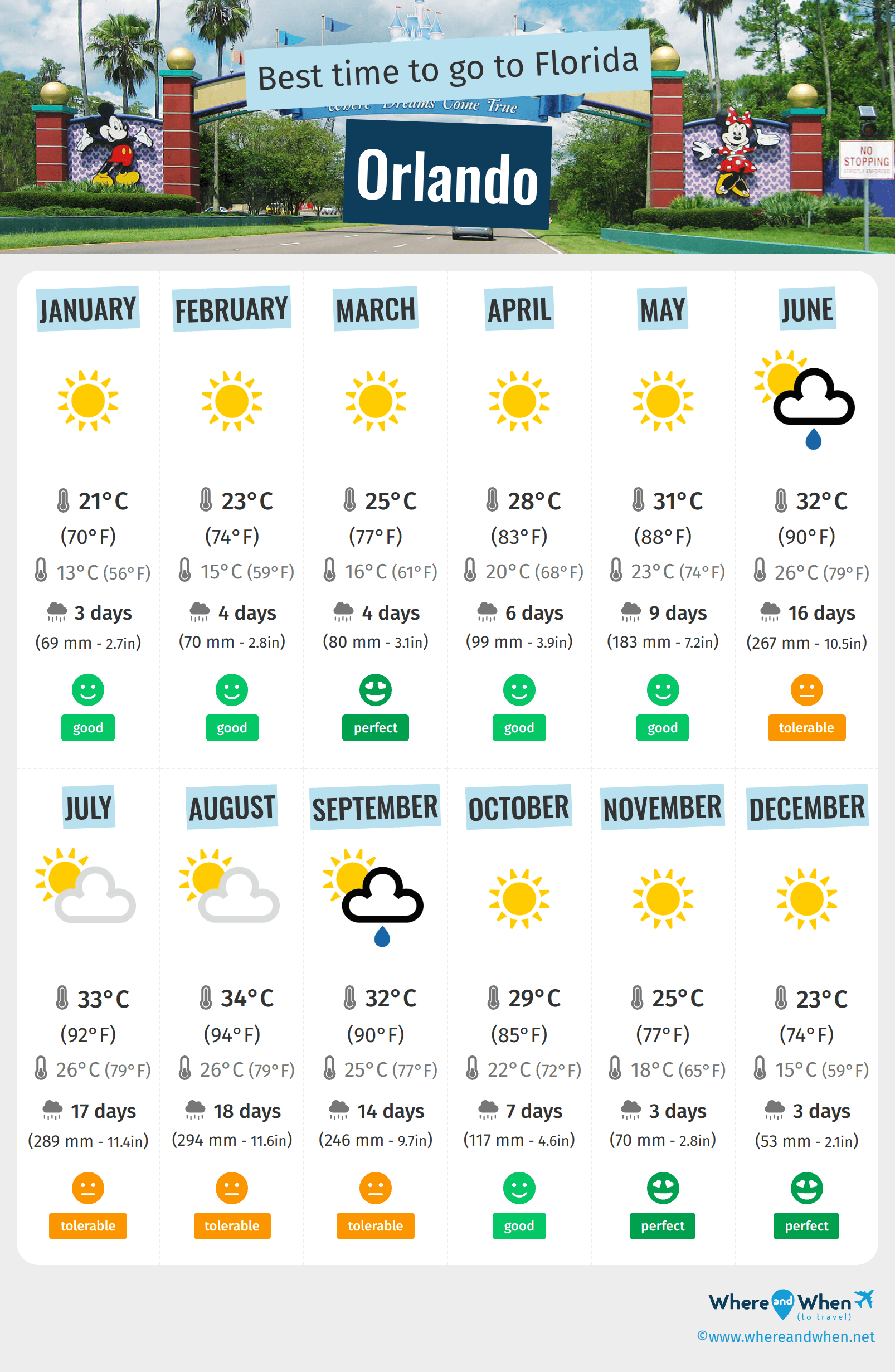
Summers in Orlando are defined by heat, humidity, and frequent afternoon thunderstorms. This period, roughly from June through September, sees average daily temperatures hovering between 80°F to 90°F (27°C to 32°C), often feeling much hotter due to high humidity levels that can push the “real feel” into the triple digits. Overnight lows typically remain in the comfortable 70s°F (20s°C), offering little respite from the warmth.
Afternoon thunderstorms are a daily occurrence during summer. These are usually brief but intense downpours that bring welcome relief from the heat, often accompanied by impressive lightning displays. While they can temporarily disrupt outdoor activities, they typically pass quickly, allowing the sun to return.
For travelers, the summer heat dictates a different pace of exploration. Many visitors prioritize early morning park visits to tackle major attractions before the midday sun peaks. Water rides at theme parks like Typhoon Lagoon and Blizzard Beach at Walt Disney World Resort, or Volcano Bay at Universal Orlando Resort, become essential havens. Staying hydrated with plenty of water is non-negotiable, as is seeking shade whenever possible and utilizing the abundant air conditioning found in virtually all indoor venues, from attractions to apartments and villas. Resorts with elaborate pool complexes and lazy rivers become invaluable amenities for families and individuals alike, offering a refreshing escape.
Mild and Pleasant Winters (December-February)
In stark contrast to the summer’s intensity, Orlando’s winters (December through February) are wonderfully mild and dry, making it a highly popular escape for those fleeing colder climates. Average daily temperatures during these months range from 60°F to 75°F (15°C to 24°C). Humidity levels are significantly lower, making even warmer days feel quite pleasant.
While daytime temperatures are generally comfortable, evenings and early mornings can be surprisingly cool, sometimes dipping into the 40s°F (4°C-9°C). It’s rare for temperatures to drop below freezing, but a light jacket or sweater is often necessary, especially after sunset.
Winter is arguably the most comfortable season for extensive outdoor exploration. Walking through theme parks, enjoying outdoor dining, or exploring natural landmarks like Lake Eola Park in downtown Orlando becomes a more leisurely affair. This season also coincides with the festive holiday period, bringing unique events and decorations to the theme parks, attracting a substantial number of visitors seeking a magical winter wonderland without the snow. Packing layers is key to adapting to the fluctuating temperatures throughout the day. Many hotels and resorts offer heated pools, ensuring that water fun remains an option even on cooler days.
The Transition Seasons: Spring and Fall
Spring (March-May) and Fall (October-November) offer a delightful balance, often considered the “sweet spots” for visiting Orlando.
Spring sees temperatures gradually warming from the pleasant winter chill to the approaching summer heat. March typically experiences highs in the 70s°F (20s°C), rising to the 80s°F (27s°C) by May. Humidity remains relatively low compared to summer, making for very comfortable conditions. This season is popular for spring breaks and family vacations, with weather ideal for all types of outdoor activities and park visits.
Fall, from October to November, represents a graceful transition from the summer’s heat back to cooler, drier conditions. October still boasts warm days, often in the 80s°F (27s°C), but with decreasing humidity. By November, temperatures settle into the 70s°F (20s°C) during the day, with crisp, cooler evenings. This period is a favorite for many due to the pleasant weather and special events like the Epcot International Food & Wine Festival and various Halloween celebrations at the theme parks, such as Mickey’s Not-So-Scary Halloween Party. Both spring and fall offer the best of Orlando’s weather, making them prime times for travel, though they can also coincide with higher crowd levels.
How Orlando’s Temperature Shapes Your Travel Experience
The fluctuating temperatures in Orlando are more than just numbers; they are a fundamental aspect that shapes every facet of a visitor’s experience, from the daily itinerary to accommodation choices and even local cultural interactions. Savvy travelers leverage this understanding to craft the most enjoyable and comfortable trips.
Planning Your Itinerary: Theme Parks and Beyond
Orlando’s array of attractions, including the four theme parks of Walt Disney World Resort (Magic Kingdom, Epcot, Hollywood Studios, and Animal Kingdom), and the two main parks at Universal Orlando Resort (Universal Studios Florida and Islands of Adventure), are largely outdoor experiences. This means temperature significantly influences how you navigate these expansive parks.
During the peak summer heat, prioritizing indoor attractions, air-conditioned shows, and water rides is crucial. Scheduling park visits for early mornings and late evenings, perhaps returning to your hotel for a midday pool break, can make a huge difference. Water parks like Volcano Bay at Universal Orlando Resort or Aquatica Orlando by SeaWorld Orlando become primary destinations for beating the heat. Other popular outdoor attractions like Gatorland or a stroll along International Drive might be best enjoyed during cooler parts of the day or year.
Conversely, the mild winters and pleasant shoulder seasons (spring and fall) open up more possibilities for extended outdoor exploration. These are ideal times for visiting non-theme park attractions like the Kennedy Space Center Visitor Complex, exploring the quaint shops and cafes of Winter Park, or enjoying an evening on the observation wheel at ICON Park. Even the vastness of the theme parks becomes more manageable when you don’t have to contend with oppressive heat and humidity, allowing for longer days of walking and queuing.

For those planning activities centered around nature, such as airboat rides through the Everglades or visiting botanical gardens, cooler temperatures are definitely more comfortable. The key is to be flexible and have a “plan B” for extremely hot or rainy days, which might include indoor entertainment complexes like Disney Springs or Universal CityWalk, or even local museums.
Accommodation Choices and Amenities
Your choice of accommodation—be it a luxurious resort, a family-friendly suite, a spacious villa, or a cozy apartment—should also be informed by Orlando’s temperatures.
Regardless of the season, reliable air conditioning is non-negotiable in Orlando. Confirming the quality and functionality of the AC system should be a priority, especially when booking private apartments or villas.
During summer, access to excellent pool facilities becomes a major draw. Many resorts in Orlando are renowned for their elaborate water features, including zero-entry pools, waterslides, and splash pads, which provide essential relief from the heat. Families often seek out villas with private pools, offering an exclusive and convenient way to cool off. Proximity to attractions is always a plus, but in hot weather, minimizing walking distance to transportation hubs or having shuttle services becomes even more critical to avoid prolonged exposure to the sun.
In the cooler winter months, while pools are still popular, features like heated pools become a key amenity. Some resorts might also offer more indoor activities or entertainment options that become more appealing when temperatures drop in the evenings. Reviews mentioning comfortable indoor common areas can be useful. For long-term stays, particularly for snowbirds, choosing an apartment or villa with good insulation and adjustable climate control will enhance comfort throughout the season.
Local Culture, Food, and Activities
Orlando’s local culture and activities also subtly shift with the seasons. Dining experiences, for instance, are influenced by the weather. While outdoor patios and al fresco dining are charming options in spring, fall, and winter, the scorching summer heat often pushes diners towards air-conditioned indoor spaces. However, many restaurants strategically utilize misters and fans to make outdoor seating viable even on warmer days.
Seasonal festivals and events are often timed to align with more favorable weather. Fall brings harvest festivals and Halloween events, taking advantage of the cooling temperatures. The holiday season in winter showcases festive lights and decorations that are best enjoyed during cooler, crisp evenings. During spring, various flower and garden festivals bloom, coinciding with temperate conditions.
For local recreational activities beyond the theme parks, the temperature is a major consideration. Water sports on Orlando’s numerous lakes, such as kayaking, paddleboarding, or jet-skiing, are most refreshing in the summer, though they can be enjoyed year-round. Golf enthusiasts will find the cooler months of winter and the shoulder seasons ideal for spending hours on the greens without the fatigue of extreme heat.
Regardless of the season, essential tips for comfort include:
- Hydration: Always carry water, especially in summer.
- Sun Protection: Sunscreen, hats, and sunglasses are vital year-round.
- Clothing: Light, breathable fabrics (cotton, linen) are best for summer. Layers are key for winter and transitional seasons.
- Pacing: Don’t try to do too much in the heat; take breaks and utilize air-conditioned spaces.
Maximizing Your Orlando Trip in Any Weather
Orlando’s diverse climate means that a successful trip hinges on thoughtful planning and adaptability. With the right approach, you can have a fantastic experience, whether you’re visiting during the height of summer or the mildness of winter.
Essential Packing Strategies
Packing wisely for Orlando means being prepared for both the specific seasonal temperatures and unexpected weather shifts.
- Summer (June-September): Focus on light-colored, loose-fitting, moisture-wicking clothing. Think shorts, t-shirts, sundresses, and plenty of swimwear. A wide-brimmed hat, sunglasses, and high-SPF sunscreen are non-negotiable. Don’t forget a lightweight rain poncho or compact umbrella for those inevitable afternoon showers. Comfortable walking shoes are essential, as you’ll be on your feet for extended periods.
- Winter (December-February): Layers are your best friend. Pack jeans or long pants, short-sleeved shirts for warm days, and add sweaters, light jackets, or hoodies for cooler evenings and mornings. A heavier coat might be needed for particularly chilly fronts, though this is less common. You might still want a swimsuit for heated pools.
- Spring (March-May) & Fall (October-November): These transitional seasons call for a mix. You’ll likely wear shorts and t-shirts during the day, but a light jacket, cardigan, or long-sleeved shirt will be invaluable for cooler mornings and evenings. Swimwear is still a good idea, as pool time remains popular.
- Year-Round Essentials: Comfortable walking shoes (multiple pairs if possible), anti-chafing balm, a reusable water bottle, portable charger for electronics, and basic first-aid items. Consider moisture-wicking socks to prevent blisters.
Booking Smart: When to Visit and Why
The temperature, along with school holidays, heavily influences crowd levels and pricing for accommodation and airfare in Orlando.
- Peak Season: Typically encompasses the summer months (June-August), holiday periods (Christmas, New Year’s, Easter), and Spring Break weeks (March-April). During these times, temperatures are either at their warmest (summer) or crowds are at their highest due to school vacations. Expect higher prices for hotels, flights, and potentially longer waits at attractions. Booking well in advance is crucial.
- Off-Peak Season: Generally falls in late January/early February, late August/early September, and parts of November. These periods often offer the lowest crowd levels and better deals on accommodation and travel. The weather during these off-peak times can be quite pleasant – mild in winter and still warm but less oppressive in late summer/early fall.
- Shoulder Seasons: May, early June, October, and early December strike a balance. Crowds are often manageable, and the weather is generally very pleasant, making these popular times for visits. Pricing tends to be moderate.
For budget-conscious travelers or those who prefer fewer crowds, aiming for off-peak times can significantly enhance the experience, allowing for more relaxed park visits and potentially saving on expenses. Luxury travelers might prefer these times to enjoy premium resorts with fewer guests, while families often have to align with school holidays, necessitating more diligent planning for hot weather.
Health and Comfort Tips
Beyond packing and planning, practical health and comfort tips are essential for a smooth Orlando trip:
- Hydrate, Hydrate, Hydrate: This cannot be stressed enough, especially in the summer. Drink water consistently, not just when you feel thirsty. Most parks offer free ice water at quick-service locations.
- Seek Shade and Take Breaks: Utilize shaded areas, indoor queues, and air-conditioned shops or shows for frequent breaks.
- Pace Yourself: Don’t try to rush from one attraction to another without resting. Listen to your body.
- Dress Appropriately: Light, breathable clothing in summer; layers in cooler months.
- Sun Protection: Apply sunscreen regularly, even on cloudy days. Wear hats and sunglasses.
- Recognize Heat Exhaustion: Be aware of symptoms like dizziness, nausea, excessive sweating, and headache. If experienced, seek a cool place, drink water, and rest.
- Foot Care: Comfortable, broken-in shoes are paramount. Consider bringing moleskin for blisters.
- Stay Informed: Check local weather forecasts daily, as conditions can change rapidly, particularly with summer thunderstorms.
Orlando’s magical appeal is undeniable, and its warmth is a significant part of its charm. By understanding the city’s unique subtropical climate and implementing smart travel strategies, every visitor can transform potential weather challenges into opportunities for comfort and enjoyment. Whether you’re splashing in a water park on a hot summer day or strolling through a festive holiday market on a crisp winter evening, knowing what to expect from the temperature in Orlando is the first step towards an unforgettable Florida adventure.
LifeOutOfTheBox is a participant in the Amazon Services LLC Associates Program, an affiliate advertising program designed to provide a means for sites to earn advertising fees by advertising and linking to Amazon.com. Amazon, the Amazon logo, AmazonSupply, and the AmazonSupply logo are trademarks of Amazon.com, Inc. or its affiliates. As an Amazon Associate we earn affiliate commissions from qualifying purchases.