
For anyone planning a trip, conducting business, or simply curious about life in the Heart of Dixie, understanding the local time is a fundamental starting point. Alabama, a vibrant state nestled in the southeastern USA, primarily observes the Central Time Zone (CT). This means that during standard time, Alabama is six hours behind Coordinated Universal Time (UTC-6). Like most regions in the USA, Alabama also participates in Daylight Saving Time (DST). From the second Sunday in March to the first Sunday in November, clocks are moved forward by one hour, shifting Alabama to Central Daylight Time (CDT), which is five hours behind Coordinated Universal Time (UTC-5).
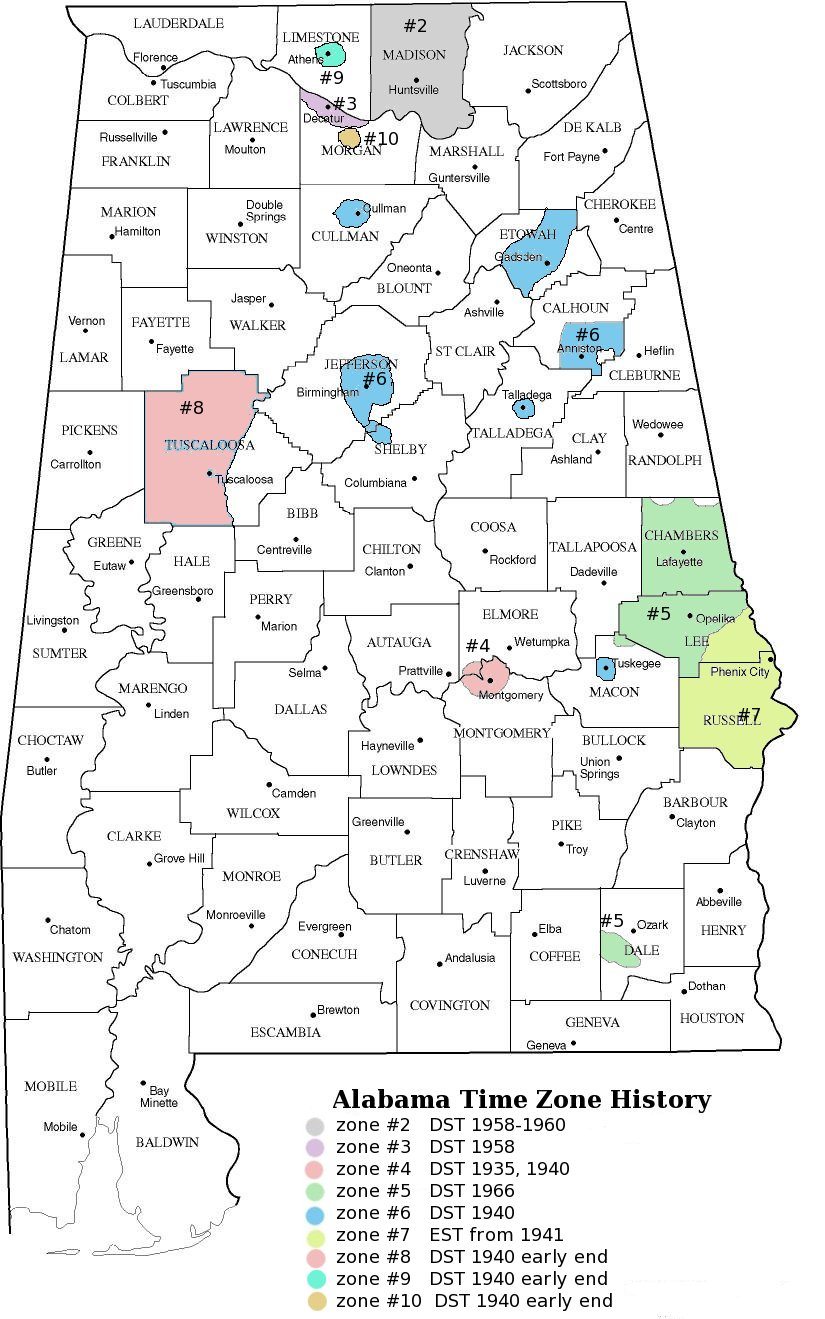
While the vast majority of Alabama adheres to Central Time, it’s worth noting that a very small sliver of its eastern border, specifically parts of Phenix City and some surrounding areas that unofficially synchronize with Columbus, Georgia, might operate on the Eastern Time Zone. However, for all practical purposes and official matters, whether you’re in Birmingham, Montgomery, Mobile, or Huntsville, you’ll be on Central Time. This consistency simplifies planning for visitors and residents alike, ensuring seamless coordination for travel, tourism, and daily activities across the state.
Understanding Alabama’s Time Zone: Central Time
The designation of Central Time for most of Alabama is part of a broader continental system designed to standardize timekeeping across vast geographical expanses. Bordering Mississippi to the west, Tennessee to the north, Georgia to the east, and Florida to the south, Alabama’s time zone choice is strategically placed within the American Central Time Zone, which also encompasses states like Mississippi, Arkansas, Louisiana, Missouri, and parts of others. This geographical alignment is crucial for everything from interstate commerce to synchronized weather reporting and broadcast schedules.
For travelers, the adherence to Central Time means that if you’re flying in from the Eastern Time Zone, you’ll gain an hour upon arrival. Conversely, if you’re arriving from the Mountain or Pacific Time Zones, you’ll need to adjust your internal clock forward. This seemingly small detail can have a significant impact on travel logistics, affecting everything from flight connections to hotel check-in times and the scheduling of local tours or business meetings.
The Importance of Knowing the Local Time for Travelers
When embarking on any journey, particularly one that crosses time zones, meticulous planning is paramount. For visitors to Alabama, a clear understanding of the local time directly influences their entire itinerary. Imagine booking a delightful brunch reservation in Birmingham or a sunset dolphin cruise off the Gulf Shores without factoring in the time difference – you could easily miss out on cherished experiences.
Beyond simple scheduling, knowing the exact time in Alabama helps mitigate jet lag, especially for those arriving from distant time zones. Adjusting your sleep schedule and meal times even before you depart can make your arrival far smoother. For business travelers, missing a crucial conference call or a client meeting due to a time zone miscalculation is simply not an option. Moreover, many attractions, such as the U.S. Space & Rocket Center in Huntsville or the Civil Rights Memorial in Montgomery, operate on strict schedules, and being punctual ensures you make the most of your visit. Even simple daily activities, like knowing when local restaurants open or close, or the optimal time to catch public transport, rely heavily on accurate time awareness. It’s a foundational element for a stress-free and enjoyable travel experience, allowing visitors to immerse themselves fully in the rich culture and diverse offerings of Alabama.

Exploring Alabama: A Journey Through Time and Culture
While the time zone provides the logistical framework, Alabama itself offers a timeless journey, rich in history, natural beauty, and vibrant culture, making it an exceptional destination for travelers of all interests. From its pivotal role in the American Civil Rights Movement to its stunning Gulf Coast beaches and forested mountains, Alabama promises a diverse array of experiences. The website’s focus on travel, tourism, landmarks, and lifestyle finds a perfect home in the diverse offerings of this Southern gem.
Historic Cities and Cultural Gems
Alabama’s cities are repositories of history and hubs of culture, each with its own distinct flavor. Montgomery, the state capital, stands as a testament to pivotal moments in American history. Visitors can walk the footsteps of civil rights pioneers at the Civil Rights Memorial and the Dexter Avenue King Memorial Baptist Church, where Dr. Martin Luther King Jr. served as pastor. The city’s blend of historic architecture and contemporary vibrancy offers a profound glimpse into the state’s past and present.
Birmingham, once the industrial heartland of the South, has transformed into a culinary and cultural hotspot. The Birmingham Civil Rights Institute provides a deeply moving exploration of the movement, while attractions like Vulcan Park and Museum offer panoramic views of the city. The city is also home to the Sloss Furnaces National Historic Landmark, an astonishing preserved industrial site that once shaped the urban landscape.
Further south, Mobile exudes a rich, multicultural heritage, evident in its French-influenced architecture and status as the birthplace of Mardi Gras in the USA. The historic downtown, complete with antebellum homes and oak-lined streets, invites exploration. A visit to the Battleship USS Alabama Memorial Park offers a fascinating look into military history.
To the north, Huntsville, often called “Rocket City,” is a nexus of aerospace innovation. The U.S. Space & Rocket Center is a must-visit for space enthusiasts, offering immersive exhibits and a glimpse into the future of space exploration. Other cities like Tuscaloosa, home to the University of Alabama, and the historic musical towns of Florence and Muscle Shoals, known for their legendary recording studios, add further depth to Alabama’s cultural tapestry. Even smaller towns like Selma hold immense historical significance, marking the turning points of the Civil Rights Movement.

Natural Wonders and Outdoor Adventures
Beyond its urban centers, Alabama boasts incredible natural diversity, making it a playground for outdoor enthusiasts. The pristine white-sand beaches of Gulf Shores and Orange Beach are a major draw, offering sun-soaked relaxation, watersports, and fresh seafood. Gulf State Park provides an extensive network of trails, a pier for fishing, and a chance to experience the coastal ecosystem up close.
Inland, the state’s landscape transitions to rolling hills and the southern Appalachian foothills. Here, destinations like Little River Canyon National Preserve offer dramatic waterfalls, deep canyons, and opportunities for hiking, kayaking, and scenic drives. Cheaha State Park, home to Alabama’s highest point, provides breathtaking vistas and rugged trails. Oak Mountain State Park, near Birmingham, is the state’s largest state park, offering everything from hiking and mountain biking to golf and a wildlife rehabilitation center.
The state is also crisscrossed by numerous rivers and lakes, perfect for fishing, boating, and paddleboarding. Birdwatchers will revel in the diversity found at places like the Wheeler National Wildlife Refuge. For those interested in ancient history, Moundville Archaeological Park showcases the impressive legacy of a prehistoric Mississippian culture. The scenic beauty of Noccalula Falls Park near Gadsden offers a stunning 90-foot waterfall and botanical gardens. The tranquil beauty of Mobile Bay and the ecological wonders of Dauphin Island also contribute to the state’s allure for nature lovers.
Southern Hospitality: Food and Festivities
No visit to Alabama would be complete without indulging in its renowned Southern hospitality, particularly its culinary traditions. From succulent BBQ joints to elegant fine dining, Alabama’s food scene is a delightful blend of comfort and creativity. Fresh seafood from the Gulf Coast, classic fried chicken, grits, and pecan pie are staples that tell a story of regional ingredients and generational recipes. Food festivals, farmers’ markets, and local eateries abound, inviting visitors to savor the authentic flavors of the South.
Beyond food, Alabama comes alive with various festivals and events throughout the year. The revelry of Mardi Gras in Mobile in early spring, the annual Hangout Music Festival in Gulf Shores, and numerous arts, music, and heritage festivals provide continuous entertainment and a chance to connect with local culture.
Planning Your Alabama Getaway: Accommodation and Lifestyle
Planning your trip to Alabama involves more than just knowing the time zone and identifying attractions; it also requires careful consideration of where you’ll stay and what kind of travel experience you seek. The state caters to a wide spectrum of preferences, whether you’re seeking luxury, budget-friendly options, or something in between.
Diverse Accommodation Options
Alabama’s hospitality sector is robust, offering a range of accommodation choices to suit every traveler’s needs. For those seeking opulence and comprehensive services, the state boasts several world-class hotels and resorts. In cities like Mobile, the historic The Battle House Renaissance Mobile Hotel & Spa offers a blend of classic elegance and modern amenities. Along the Gulf Coast, resorts like the Grand Hotel Golf Resort & Spa, Autograph Collection provide luxurious beachfront access, championship golf courses, and exquisite dining experiences, ideal for a relaxing retreat. Birmingham also features upscale options, including the Renaissance Birmingham Ross Bridge Golf Resort & Spa, which combines luxury with access to a segment of the renowned Robert Trent Jones Golf Trail.
Beyond these grand establishments, boutique hotels are increasingly popular in urban centers, offering unique charm and personalized service. For budget-conscious travelers, a plethora of motels, inns, and chain hotels provide comfortable and affordable stays. Families or groups might prefer the convenience of vacation rentals, apartments, or villas, particularly in coastal areas like Gulf Shores and Orange Beach, which offer more space and amenities like full kitchens. For the adventurous spirit, camping in one of Alabama’s many state parks, such as Cheaha State Park or Oak Mountain State Park, provides an immersive natural experience. Booking sites and comparison tools make finding the perfect accommodation seamless, often allowing for reviews and virtual tours to assist in decision-making.
Tailoring Your Trip: Lifestyle Choices
Alabama offers a canvas for various travel lifestyles. If you’re looking for a luxury travel experience, the upscale resorts, gourmet dining, and exclusive golf courses (like those along the Robert Trent Jones Golf Trail) across the state will fulfill your desires. From private fishing charters on Mobile Bay to spa treatments in Birmingham, the state can cater to a high-end itinerary.
For budget travel, Alabama offers numerous opportunities to explore without breaking the bank. Free attractions like historical markers, scenic drives, and many state park trails provide rich experiences. Local diners offer affordable, authentic Southern cuisine, and numerous budget-friendly lodging options ensure a comfortable stay.
Family trips to Alabama can be incredibly rewarding. The U.S. Space & Rocket Center is a hit with kids of all ages, while the beaches of Gulf Shores provide endless entertainment. Educational opportunities abound, from civil rights history to natural science museums. Many resorts offer kid-friendly amenities and activities.
Business stays are well-supported, particularly in cities like Birmingham, Huntsville, and Montgomery, which have convention centers, business-class hotels, and reliable infrastructure. Blending business with leisure is easy, with many cultural and dining options readily accessible after work hours.
Finally, for those interested in long-term stays or experiential travel, Alabama offers chances to delve deeper into its communities. Volunteering, participating in local festivals, or exploring the state’s hidden gems over an extended period can provide a richer, more authentic understanding of its charm and character.
Navigating Alabama: Tips for a Seamless Experience
To truly enjoy all that Alabama has to offer, a few practical considerations can enhance your trip. Understanding local customs, transportation options, and the best times to visit will ensure your journey through the Heart of Dixie is as smooth as possible.
Best Time to Visit and Travel Essentials
The climate in Alabama is generally humid subtropical, characterized by hot summers and mild winters. Spring (March to May) and Fall (September to November) are often considered the best times to visit. During these seasons, temperatures are comfortable, making it ideal for exploring outdoor attractions like Little River Canyon National Preserve, hiking at Cheaha State Park, or enjoying the beaches of Orange Beach without the intense summer heat or humidity. Spring also brings beautiful blooms, while fall showcases stunning foliage, particularly in the northern parts of the state. Summer (June to August) is peak beach season, but visitors should be prepared for high temperatures, humidity, and the occasional afternoon thunderstorm. Winter (December to February) is mild, offering a pleasant escape from colder climates, though coastal areas remain popular.
When packing for your Alabama adventure, essentials include light, breathable clothing for warmer months, sunscreen, insect repellent, and comfortable walking shoes. If you plan to hike or engage in outdoor activities, appropriate gear is a must. Don’t forget a camera to capture the beauty of landmarks like Noccalula Falls Park or the historical significance of the Civil Rights Memorial. Given the widespread nature of attractions, renting a car is highly recommended for flexibility and ease of travel across the state, especially when visiting diverse destinations like Florence, Dauphin Island, or the Robert Trent Jones Golf Trail.
In conclusion, knowing the time in Alabama is just the first step in unlocking a memorable travel experience. From its Central Time Zone to its rich history, diverse landscapes, and warm Southern hospitality, Alabama offers a captivating journey for every type of traveler. By understanding the logistical details and embracing the breadth of attractions and accommodation options, you can ensure a well-planned and deeply enriching visit to this fascinating Southern state.