
For many seasoned travelers, the nuances of local time zones are a familiar pre-trip checklist item. However, when journeying to the sunny expanse of Arizona, this seemingly straightforward detail takes on a unique and fascinating complexity. Far from a simple switch, Arizona’s approach to time can significantly impact everything from flight connections and hotel check-ins to tour schedules and even the seamless enjoyment of its world-famous landmarks. As a premier resource for travel, hotels, tourism, and accommodation, we delve into the heart of Arizona’s temporal landscape to ensure your next visit is perfectly timed. Understanding this distinctive characteristic isn’t just about punctuality; it’s about optimizing your entire Arizona experience, from capturing a breathtaking sunrise over the Grand Canyon to ensuring you don’t miss that reservation at a top-tier Phoenix restaurant.
The question “What time is it in Arizona now?” is deceptively simple. Unlike most states in the United States that observe Daylight Saving Time (DST), Arizona largely does not. This singular decision means its time relative to neighboring states, and indeed much of the world, shifts twice a year. This article will unravel the intricacies of Arizona’s time-keeping, exploring its practical implications for various facets of travel and lifestyle. From navigating flight arrivals into Phoenix Sky Harbor International Airport to planning your road trip through the vast Navajo Nation – which does observe DST – a comprehensive understanding of Arizona time is your key to unlocking a stress-free and truly unforgettable adventure in the Grand Canyon State.
Understanding Arizona’s Unique Time Landscape
The most crucial piece of information for anyone asking about the time in Arizona is its steadfast refusal to participate in the biannual ritual of Daylight Saving Time. This historical choice, largely influenced by the state’s intense summer heat and the desire to maximize cooler evening hours, sets Arizona apart.
Arizona’s Standard Time: MST All Year Round (Mostly)
For the majority of the year, Arizona operates on Mountain Standard Time (MST). This means that from approximately early November to mid-March, when Daylight Saving Time is not in effect across the rest of the United States, Arizona’s time is aligned with its Mountain Time Zone neighbors such as Colorado, Utah, and New Mexico. During these months, if it’s 10:00 AM in Denver, it’s also 10:00 AM in Phoenix.
However, the situation changes dramatically when Daylight Saving Time kicks in, typically on the second Sunday in March. While most states spring forward an hour to Mountain Daylight Time (MDT) or Pacific Daylight Time (PDT), Arizona (outside of the Navajo Nation) remains on Mountain Standard Time. This effectively means that from mid-March to early November, Arizona’s time aligns with Pacific Daylight Time (PDT). So, if it’s 10:00 AM in Los Angeles (PDT), it’s also 10:00 AM in Phoenix (MST). This is a critical distinction that can easily trip up even the most experienced travelers. When checking flight times, planning calls, or scheduling activities, always remember to account for this seasonal shift. This particular time eccentricity is deeply woven into the fabric of daily life in Arizona, influencing local business hours, television schedules, and the rhythm of lifestyle for residents and visitors alike.

The Navajo Nation Exception
To add another layer of intrigue to Arizona’s time zone puzzle, there’s the significant geographical area of the Navajo Nation. This vast sovereign territory, which spans portions of northeastern Arizona, northwestern New Mexico, and southeastern Utah, does observe Daylight Saving Time. This means that within the borders of Arizona itself, there are two distinct time zones during the DST period.
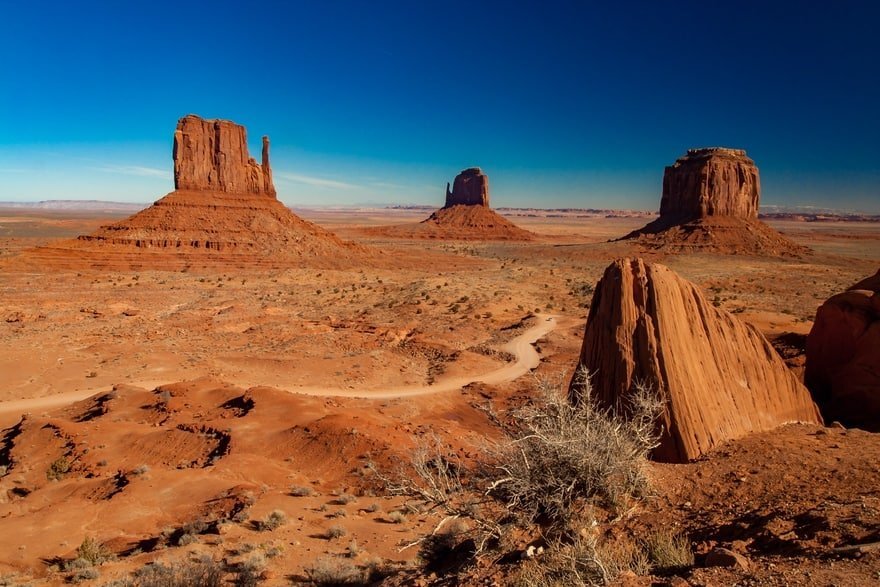
During the warmer months, when the rest of Arizona is effectively on Pacific Daylight Time (though officially Mountain Standard Time), the Navajo Nation springs forward to Mountain Daylight Time. This creates a one-hour difference between communities just a few miles apart. For instance, if you’re visiting Monument Valley, which is within the Navajo Nation, and then drive to a town like Page, which is not, you will cross a time boundary. This is crucial for anyone exploring the iconic Antelope Canyon tours, which are located on Navajo Nation land and operate on Navajo Nation time. Similarly, visitors to Canyon de Chelly National Monument will also be operating on Navajo Nation time.

Always verify the local time, especially when planning multi-stop itineraries that include both regions. Your smartphone or GPS device will usually adjust automatically, but it’s wise to double-check, particularly if you have scheduled tours or specific dining reservations. The cultural richness and stunning natural landmarks of the Navajo Nation are well worth the minor inconvenience of a time zone check, offering an immersive tourism experience that transcends mere sightseeing.
Navigating Time Zones for a Seamless Arizona Adventure
The intricate dance of time in Arizona isn’t merely a matter of academic interest; it has profound practical implications for travelers and their accommodation arrangements. Ignoring these details can lead to missed flights, forfeited reservations, and unnecessary stress.
Planning Your Arizona Itinerary: Flights, Tours, and Reservations
When booking flights into or out of Arizona, particularly during the Daylight Saving Time period (March to November), pay meticulous attention to the time zone listed on your ticket. An airline ticket might display arrival times in “local time,” but understanding how Arizona local time relates to your departure point is essential. For example, if you’re flying from California (PDT) to Phoenix (MST) in July, the flight duration will seem identical to the numerical difference in departure and arrival times, as both are effectively on the same clock during DST. However, if you’re flying from Denver (MDT) to Phoenix (MST) in July, you’ll gain an hour upon arrival in Phoenix as Arizona will be an hour behind Denver.
This seasonal shift also profoundly impacts bookings for popular attractions and tours. Imagine booking a sunset tour of the Grand Canyon or a specific slot canyon experience in Antelope Canyon. If these are time-sensitive, as most are, confirming the operating time zone is paramount. Many tour operators in areas like Flagstaff, Sedona, and Tucson will explicitly state their local time. Still, if you’re venturing into the Navajo Nation from one of these cities, remember the potential one-hour difference. Restaurants, spa appointments, and other reservation-based activities in key destinations like Scottsdale or Mesa also adhere strictly to Arizona’s unique timekeeping. A simple double-check on their website or a quick phone call can save you from an awkward missed booking, ensuring your lifestyle preferences are accommodated without a hitch.
Accommodation and Check-in/Check-out Logistics
The unique time zone situation in Arizona extends to how hotels, resorts, apartments, and other forms of accommodation manage their daily operations. While most properties will clearly state their check-in and check-out times in local Arizona time, the critical factor for travelers is how this aligns with their internal body clock and their travel schedule.
If you’re arriving from a state that observes Daylight Saving Time during the summer months, you’ll effectively “lose” an hour relative to your departure point when flying into Arizona. For example, a 3 PM check-in might feel like 4 PM if you’re coming from the Mountain Daylight Time zone, or conversely, feel like 3 PM even though your Pacific Daylight Time origin means it’s still 3 PM for you. This means you might arrive feeling an hour “behind” or “ahead” of schedule depending on your origin, impacting your energy levels for early evening activities or late-night arrivals. Many luxury resorts in Scottsdale or charming boutique hotels in Sedona offer flexible check-in options, but knowing the actual local time will ensure you communicate your needs effectively.
For longer stays in apartments or villas, or for those on a business stay, coordinating with local services, deliveries, or even remote work schedules becomes paramount. If you have video conferences with colleagues in other time zones, always clarify the time difference, especially during the DST transition periods. A well-planned accommodation strategy, coupled with a firm grasp of Arizona time, ensures that your stay is as restful and productive as possible, allowing you to fully enjoy the amenities and experiences on offer.
Experiencing Arizona’s Landmarks and Lifestyle, Time-Adjusted
Arizona’s unique time zone impacts more than just logistics; it shapes how visitors interact with its iconic landmarks and immerse themselves in the local lifestyle. From natural wonders to vibrant urban centers, every experience is subtly influenced by the state’s temporal rhythm.
Iconic Destinations and Their Time Considerations
Visiting Arizona’s magnificent landmarks requires foresight regarding the time. The vastness of the Grand Canyon means that travel between different viewpoints can take time, and understanding sunset or sunrise times in local Arizona MST is key to witnessing these spectacular natural phenomena. Many Grand Canyon hotels and park facilities adhere to the local Arizona time.
As mentioned, the most significant impact is felt when exploring the Navajo Nation. Popular attractions like Antelope Canyon (Lower and Upper), Monument Valley, and Canyon de Chelly National Monument are all located within this territory and observe Daylight Saving Time. This means that during the spring and summer months, they are one hour ahead of neighboring Arizona towns like Page or Flagstaff. If you book an Antelope Canyon tour for 10:00 AM, ensure you arrive at 10:00 AM Navajo Nation time, not 10:00 AM Arizona MST. Missing your tour due to a time zone miscalculation is a common, yet entirely avoidable, pitfall.
Even smaller, charming towns like Sedona, Jerome, or Tombstone operate on Arizona’s consistent MST. This can sometimes feel like an advantage to visitors arriving from Pacific Daylight Time regions during summer, as they effectively gain an hour, allowing for more morning exploration before the desert heat intensifies. Conversely, those coming from Mountain Daylight Time zones might feel they’ve lost an hour, needing to adjust their morning routines slightly. Whether you’re hiking in Saguaro National Park near Tucson or exploring the petrified wood formations at Petrified Forest National Park, a quick confirmation of local time will ensure your plans unfold perfectly.
Lifestyle Implications: From Business to Leisure
The Arizona time zone also subtly shapes the state’s lifestyle and the experiences of its visitors. For luxury travel enthusiasts, the extra hour of daylight in the evenings during summer (relative to MDT) can mean more time to enjoy resort amenities, golf courses in Wickenburg, or poolside cocktails. For budget travelers, it might mean more opportunities for free outdoor activities like hiking or stargazing.
Family trips can also benefit from this understanding. Parents might find it easier to manage young children’s sleep schedules, as the relative alignment with Pacific Daylight Time in summer can reduce the impact of jet lag for those traveling from California, for example. Even for those on a business stay, scheduling conference calls or meetings with clients across the United States requires an awareness of Arizona’s unique temporal standing. Communicating “10 AM Arizona time” leaves no room for ambiguity.
Furthermore, the state’s vibrant local culture and food scene are implicitly linked to its time. Dinner reservations in Phoenix or Tucson will always be on MST. Events and festivals, from the Tucson Gem & Mineral Show to spring training baseball games, will adhere to Arizona’s consistent time, simplifying attendance for locals and visitors alike. Even seemingly minor interactions, like confirming operating hours for a local shop in Prescott or a vineyard tour in Willcox, become smoother when you’re attuned to the state’s temporal rhythm. Embrace the Arizona way of time, and you’ll find your travel experiences are not only more efficient but also more enjoyable.
In conclusion, while the question “What is the time in Arizona now?” might seem elementary, its answer unveils a distinctive aspect of the state that every visitor should grasp. Arizona’s general adherence to Mountain Standard Time year-round, contrasted with the Navajo Nation’s observance of Daylight Saving Time, creates a dynamic time landscape crucial for meticulous travel planning. From ensuring timely arrivals for flights and hotel check-ins to perfectly timing your visit to iconic landmarks like the Grand Canyon or Antelope Canyon, an informed approach to Arizona time will elevate your entire journey. So, before you embark on your desert adventure, take a moment to set your watch, understand the local rhythm, and prepare for a truly seamless and unforgettable experience in the Grand Canyon State.
LifeOutOfTheBox is a participant in the Amazon Services LLC Associates Program, an affiliate advertising program designed to provide a means for sites to earn advertising fees by advertising and linking to Amazon.com. Amazon, the Amazon logo, AmazonSupply, and the AmazonSupply logo are trademarks of Amazon.com, Inc. or its affiliates. As an Amazon Associate we earn affiliate commissions from qualifying purchases.