
For anyone planning a memorable journey to the Treasure State, understanding the local time in Montana is far more than a mere curiosity; it’s a fundamental aspect of seamless travel, effective planning, and fully immersing oneself in the unique rhythm of this vast and stunning wilderness. From coordinating flight arrivals and hotel check-ins to maximizing daylight for epic outdoor adventures or simply ensuring you don’t miss a dinner reservation, knowing the time zone is crucial. Montana, nestled in the heart of the United States and bordering Canada, operates on Mountain Time Zone (MT), observing both Mountain Standard Time (MST) during the cooler months and Mountain Daylight Time (MDT) when Daylight Saving Time is in effect. This distinction, while seemingly simple, carries significant implications for travelers from different parts of the globe, affecting everything from communication with loved ones to the scheduling of guided tours and the very flow of your daily itinerary.
Our comprehensive guide delves beyond the simple clock face, exploring how Montana’s time zone influences travel logistics, tourism experiences, accommodation choices, and the overall lifestyle you’ll encounter. Whether you’re chasing the sunrise over the majestic peaks of Glacier National Park, exploring the geysers of Yellowstone National Park‘s Montana sections, or simply unwinding in a charming Bozeman café, aligning with local time ensures you capture every precious moment this magnificent state has to offer. We’ll cover everything from the practicalities of adjusting your internal clock to how the changing seasons and Daylight Saving Time can impact your travel plans, ensuring your Montana adventure is perfectly timed.
Understanding Montana’s Time Zone: Mountain Time (MST/MDT)
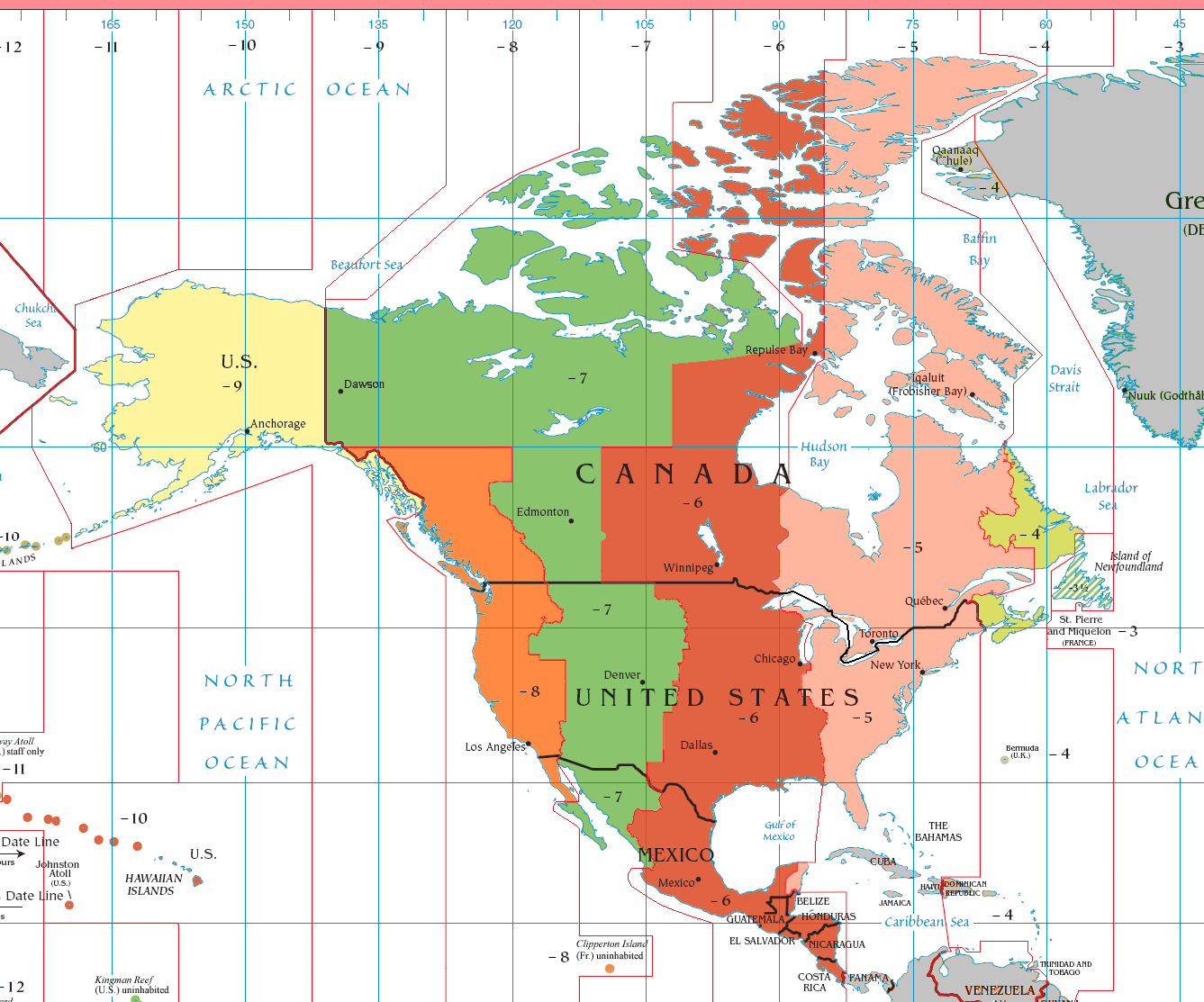
At its core, Montana operates on Mountain Time Zone. This places it one hour ahead of the Pacific Time Zone, one hour behind the Central Time Zone, and two hours behind the Eastern Time Zone. Specifically, during standard time (roughly early November to mid-March), it’s Mountain Standard Time (MST), which is UTC-7. When Daylight Saving Time kicks in (mid-March to early November), it switches to Mountain Daylight Time (MDT), which is UTC-6. This annual shift means that during the summer months, Montana enjoys even longer daylight hours, a significant boon for outdoor enthusiasts.
For travelers, understanding this distinction is paramount. Imagine arriving from New York ( Eastern Time Zone) for a morning flight into Bozeman or Missoula. A 9:00 AM departure from New York would mean a 7:00 AM departure in Montana local time, giving you a sense of the time shift. Conversely, if you’re coming from Seattle ( Pacific Time Zone), your body clock will need to adjust forward an hour. While most modern smartphones and devices automatically update, it’s always wise to double-check, especially for crucial timings like picking up a rental car, making a guided tour appointment, or catching a connecting flight. This small detail can prevent missed opportunities and unnecessary stress, ensuring a smoother transition into your Montana adventure.
Daylight Saving Time: Maximizing Your Montana Days
Daylight Saving Time (DST) in Montana is a game-changer, particularly for those visiting between spring and fall. When the clocks spring forward, Montana shifts to MDT, providing an additional hour of daylight in the evening. This means that in the peak of summer, sunset can extend well past 9:00 PM in many parts of the state. This extended daylight is a blessing for activities like hiking, fishing, photography, and simply enjoying the scenic beauty of the Northern Rockies. Imagine having extra time to explore the winding trails of Glacier National Park, embark on an evening wildlife safari in Yellowstone, or simply linger longer on the patio of a Whitefish restaurant, savoring the cool evening air.

However, DST also means that mornings start later, in terms of actual clock time. For early risers planning to catch a sunrise over a pristine lake or be the first on the slopes at Big Sky Resort, this means an earlier wake-up call by the clock. It’s a trade-off that most visitors find incredibly beneficial, as the extended evenings allow for a fuller, more relaxed itinerary, reducing the feeling of being rushed. For families traveling with young children, the later sunset might require slight adjustments to bedtime routines, but the opportunity for additional outdoor play often outweighs the minor inconvenience. Planning your itinerary around these longer daylight hours can significantly enhance your travel experience, allowing you to fit more activities into each day without feeling exhausted.
Planning Your Montana Adventure: Time Zone Considerations for Travel
Effective planning is the cornerstone of any successful trip, and when it comes to a vast state like Montana, time zone awareness plays a critical role. From booking flights and accommodations to scheduling tours and dining experiences, every element of your itinerary is linked to the clock. Ignoring the time difference can lead to missed connections, forfeited reservations, or simply a disoriented start to your vacation. Our aim is to help you navigate these temporal nuances with ease, ensuring your focus remains on experiencing the unparalleled beauty and adventure that Montana offers.
Bridging the Time Gap: Eastern, Central, Pacific vs. Mountain Time
Travelers arriving in Montana will typically experience a time shift, depending on their origin. For those journeying from the East Coast of the United States or Canada, the two-hour difference from the Eastern Time Zone can lead to a phenomenon known as “time zone fatigue” or “social jet lag.” While not as severe as international jet lag, it can still impact your first day or two. Arriving from the Central Time Zone involves a one-hour shift, generally easier to manage. Conversely, those coming from the Pacific Time Zone will move forward an hour, often finding it easier to adjust as they “gain” time.
To minimize the impact, consider scheduling your arrival flight for earlier in the day if coming from the east. This allows for an afternoon of gentle exploration, a leisurely dinner, and an early night, helping your body adjust naturally. If coming from the west, arriving later might make sense to align your sleep schedule more quickly. Always confirm flight times, hotel check-in and check-out times, and any pre-booked activities in Mountain Time. Apps that display multiple time zones can be incredibly useful, allowing you to see your home time alongside Montana time at a glance. Communication with tour operators or accommodation providers should always specify Mountain Time to avoid any misunderstandings.
Maximizing Daylight: Best Times to Visit for Activities
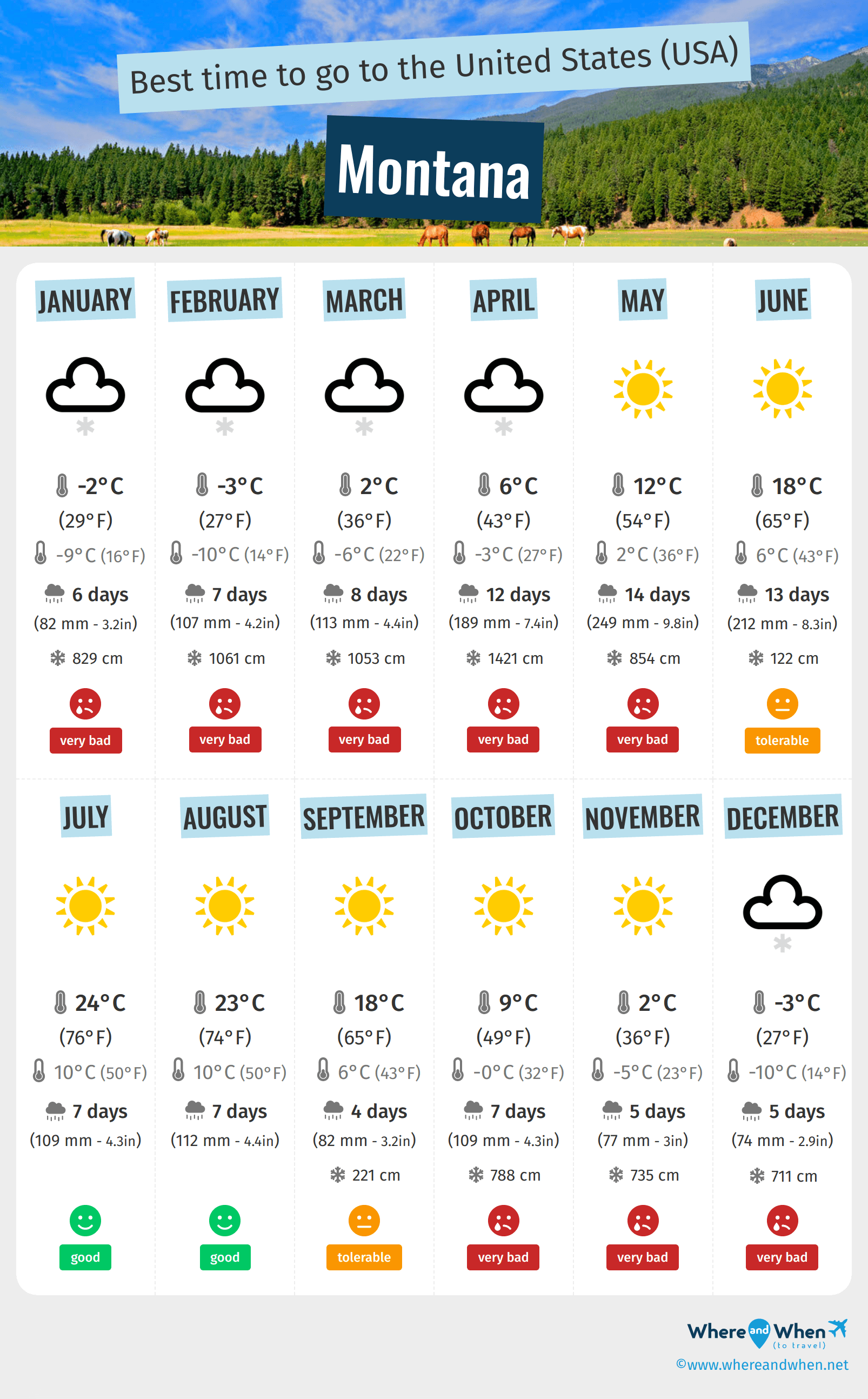
The extended daylight hours during Daylight Saving Time (MDT) are a huge draw for summer and fall visitors. This means more time for hiking the trails of Glacier National Park, fishing in the pristine rivers near Livingston, or exploring the vibrant downtowns of cities like Bozeman and Missoula. For photographers, the “golden hour” extends, offering breathtaking opportunities for capturing Montana’s landscapes. If your primary goal is outdoor adventure, consider visiting between late May and early October to take full advantage of these longer days.
However, if you’re planning a winter ski trip to resorts like Big Sky Resort or Whitefish Mountain Resort, you’ll be on MST. Shorter daylight hours mean lifts typically open around 9:00 AM and close around 4:00 PM. Knowing this allows you to plan your morning routine to hit the first chair and maximize your time on the slopes. Even in winter, the crisp, clear air and stunning snow-covered vistas make for unforgettable experiences, and careful timing ensures you don’t miss out. For wildlife viewing, especially in Yellowstone National Park or near Gardiner and West Yellowstone, early mornings and late afternoons are often the best times, regardless of the season, coinciding with animal activity.
Accommodation and Dining: Aligning with Local Rhythms
Your accommodation and dining experiences are also intrinsically linked to Montana’s local time. Hotels, resorts, apartments, and villas all operate on Mountain Time for check-in/check-out, breakfast hours, and amenity access. For instance, if your booking states check-in is at 3:00 PM, that’s 3:00 PM MDT/MST. High-end resorts like The Ranch at Rock Creek or The Resort at Paws Up will have meticulously planned itineraries that are strictly adhered to, so punctuality is key. Even for more independent accommodation options, like cabins near Flathead Lake or an Airbnb in Kalispell, coordinating arrival and departure times with hosts is essential.
Dining in Montana also follows the local clock. Restaurants in popular towns like Bozeman, Missoula, or Big Sky will typically serve breakfast from 7:00-11:00 AM, lunch from 11:30 AM-2:00 PM, and dinner often starting around 5:00 PM, with peak times between 6:30 PM and 8:00 PM. Making reservations, especially for popular spots or during peak season, is highly recommended, and always confirm the time in Mountain Time. Experiencing Montana’s local culture includes enjoying its culinary scene, from hearty breakfasts to fine dining, and respecting these local rhythms enhances the overall experience.
Iconic Montana Destinations and Their Timeless Appeal
Montana is a treasure trove of iconic landmarks and breathtaking natural wonders, each offering unique experiences that are often enhanced or defined by the passage of time. From national parks to historic towns and vibrant cities, understanding how local time impacts your visit to these destinations is key to unlocking their full potential.
Glacier National Park: Majestic Vistas and Early Starts
Glacier National Park, often called the “Crown of the Continent,” is a prime example where timing is everything. Access to popular areas like the Going-to-the-Sun Road is often limited by timed entry permits during peak season, which are strictly enforced based on Mountain Time. If you have an 8:00 AM entry slot, arriving promptly is crucial. For avid hikers and photographers, an early start is almost always recommended to beat the crowds, find parking at trailheads (like Avalanche Lake or Hidden Lake), and witness the pristine beauty of the park bathed in soft morning light. Sunrise, especially during MDT, can be as early as 5:30 AM, offering spectacular photographic opportunities without the rush. The park’s visitor centers and ranger programs also adhere to local time, so checking their schedules is vital for interpretive experiences.
Yellowstone National Park (Montana Sections): Wildlife and Wilderness
While the majority of Yellowstone National Park lies in Wyoming, its northern and western entrances are in Montana, specifically near Gardiner and West Yellowstone. The entire park operates on Mountain Time. For wildlife enthusiasts, dawn and dusk are prime viewing times for bison, elk, and grizzly bears. This means setting your alarm for a pre-sunrise departure from your accommodation to catch the animals at their most active. Geothermal features like Old Faithful erupt on a somewhat predictable schedule, and these times are always listed in Mountain Time at visitor centers and online. Planning your route and stops based on these timings ensures you don’t miss the iconic eruptions. Many guided tours, from wildlife safaris to fishing excursions, also begin early, making local time awareness non-negotiable.
Exploring Bozeman and Missoula: Urban Charms and Nightlife
Bozeman and Missoula are two of Montana’s most vibrant cities, each offering a blend of outdoor access, cultural attractions, and a lively culinary scene. In Bozeman, visits to the Museum of the Rockies or a stroll through its charming downtown are easily timed. Restaurants, breweries, and shops typically open mid-morning and extend into the evening, especially with the longer daylight hours of summer. Missoula, known for its arts scene and riverfront recreation, also follows standard Mountain Time operating hours. Catching a show at a local theater or enjoying live music at a brewery will require checking start times carefully. Even for something as simple as a morning coffee run or an afternoon browse through local boutiques, being aligned with the local clock ensures a relaxed and enjoyable experience without feeling rushed or missing opening hours.
Big Sky Resort: Skiing, Summer Fun, and Schedule Savvy
Big Sky Resort, one of North America’s largest ski resorts, is a year-round destination where time management is key. In winter, lift operations, ski school lessons, and dining reservations are all scheduled on Mountain Time. The ski day typically runs from 9:00 AM to 4:00 PM, meaning early mornings are for gearing up, and evenings are for après-ski activities. During summer, Big Sky transforms into a hub for hiking, mountain biking, zip-lining, and scenic lift rides. These activities also have specific operating hours. For example, a guided hike might depart at 8:30 AM, or a whitewater rafting trip on the Gallatin River might have a 1:00 PM rendezvous. Staying at luxury accommodations like the Yellowstone Club or a Grand Montana Lodge nearby means you’ll be on their carefully curated schedule, all strictly adhering to Mountain Time.
Beyond the Clock: Experiencing Montana’s Unique Lifestyle
While understanding the exact time is crucial for logistics, truly experiencing Montana involves stepping beyond the rigid adherence to the clock and embracing the local pace of life. Montana’s lifestyle, whether in its bustling cities or its serene rural expanses, often encourages a more deliberate, unhurried rhythm, allowing visitors to connect deeply with its natural beauty and authentic charm.
The Rhythm of Rural Montana: Ranch Stays and Small Towns
In rural Montana, particularly in towns like Philipsburg, Anaconda, or Butte, the day often flows with the sun, even when operating on Mountain Time. Ranch stays, a popular form of accommodation and tourism, offer a glimpse into this timeless way of life. Mornings might start early with a hearty cowboy breakfast before heading out for horseback riding, cattle drives, or fly-fishing. Evenings are often spent under star-filled skies, far from city lights, where the concept of time seems to slow down. Attractions like the Garnet Ghost Town or the Gates of the Mountains Wilderness might have specific visiting hours, but the overall experience encourages a connection with history and nature that transcends the clock. Embracing this slower pace is part of the allure, allowing for deeper relaxation and appreciation of the state’s vastness.
Luxury and Leisure: High-End Resorts and Relaxed Pacing
For those seeking luxury travel experiences, Montana offers world-class resorts and opulent lodges. While these establishments operate on precise schedules for services, from spa appointments to gourmet dining, they also cultivate an atmosphere of relaxed leisure. At places like The Ranch at Rock Creek or The Resort at Paws Up, your days are meticulously planned to maximize enjoyment without feeling rushed. You might have a morning guided fly-fishing excursion, an afternoon massage, and an evening wine tasting, all perfectly coordinated around the Mountain Time Zone. Even though activities are scheduled, the underlying philosophy is about indulging in experiences at your own pace, soaking in the opulent amenities and breathtaking surroundings. This balance of structured activity and unhurried enjoyment is a hallmark of Montana’s high-end lifestyle offerings, whether you’re staying at a historic lodge like Historic Tamarack House or enjoying the amenities of Elkhorn Hot Springs Resort.
Budget-Friendly Exploration: Making Every Moment Count
Even for budget travelers, understanding Montana’s time is essential for maximizing every dollar and minute. Early mornings can be a strategic time for visiting popular free attractions, avoiding crowds and entry fees that might apply later in the day, or simply securing the best spots for scenic views along routes like the Beartooth Highway. Utilizing the extended daylight during summer can mean packing more self-guided activities into a single day, reducing the need for multiple paid tours. Many free events, such as farmers’ markets in Helena or outdoor concerts in Great Falls, often have specific timings that require local time awareness. Efficient time management allows budget travelers to fully experience Montana’s natural wonders and cultural offerings without overspending, ensuring that every moment, whether planned or spontaneous, contributes to an enriching journey.
Conclusion
Understanding “What Is The Time In Montana?” extends far beyond a simple clock check; it’s a vital piece of the puzzle for crafting an unforgettable journey through this magnificent state. Operating within the Mountain Time Zone, Montana’s adherence to Daylight Saving Time significantly influences everything from travel logistics and accommodation bookings to the timing of your most anticipated adventures. Whether you’re planning an epic hiking expedition in Glacier National Park, a wildlife viewing tour in the Montana sections of Yellowstone National Park, or simply enjoying the vibrant urban scenes of Bozeman or Missoula, being attuned to the local time ensures a seamless and enriching experience.
By bridging time zone differences, strategically leveraging extended daylight hours, and aligning with the local rhythms of both bustling resorts and tranquil rural communities, you empower yourself to make the most of every moment. Montana invites you to explore its vast landscapes, immerse yourself in its unique culture, and create memories that will last a lifetime. With careful planning and an awareness of its temporal nuances, your Montana adventure will be perfectly timed, allowing you to fully embrace the grandeur and timeless appeal of the Big Sky Country. So set your watch, prepare your itinerary, and get ready to discover why Montana truly is a destination where every second counts.