
For any traveler, planner, or business professional with interests in the vibrant United States South, understanding the local time is often the very first step in organizing a trip or coordinating an activity. Alabama, a state rich in history, natural beauty, and modern attractions, operates under a single, unified time zone, simplifying logistics for visitors and residents alike. Whether you’re planning a visit to the bustling streets of Birmingham, the historic capital of Montgomery, or the pristine beaches of Gulf Shores, knowing the precise time is crucial for seamless travel, timely bookings, and making the most of every moment.
This guide will delve into Alabama’s time zone, explain its nuances, and explore how understanding it is fundamental to navigating the state’s diverse offerings in travel, accommodation, tourism, and lifestyle. From catching an early morning flight to enjoying a late-night dinner, mastering the clock in Alabama ensures a smooth and enriching experience.
Understanding Alabama’s Time Zone: Central Time
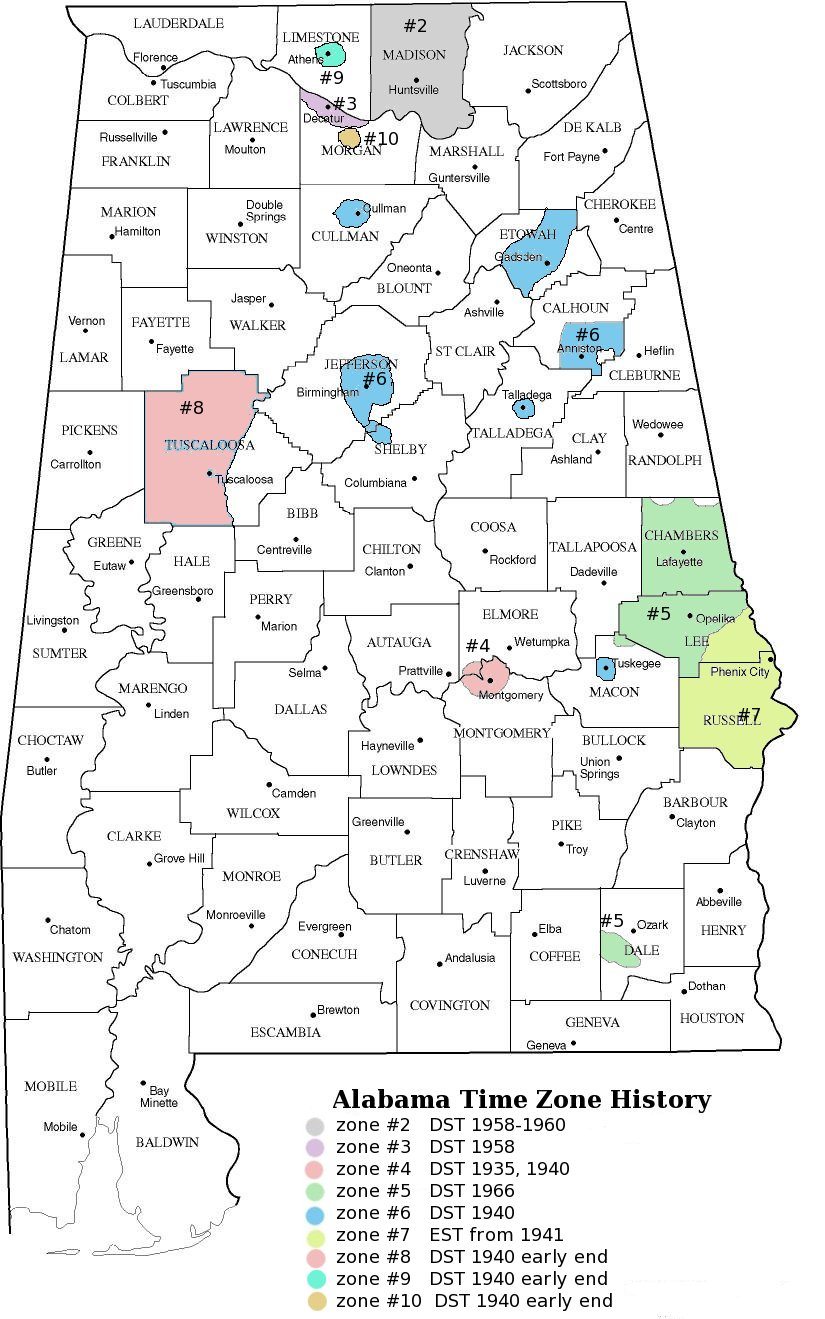
Alabama observes the Central Time Zone (CT), a standard that governs a significant portion of the central United States. This means that whether you’re in the northern reaches of Huntsville or the southern coastal areas near Mobile, your clock will align with CT. This consistency is a boon for travelers, eliminating the confusion that can sometimes arise in states split across multiple time zones.
The Central Time Zone is typically 6 hours behind Coordinated Universal Time (UTC-6) during standard time and 5 hours behind Coordinated Universal Time (UTC-5) during Daylight Saving Time. This standard applies across the entire state, making it straightforward to plan your itinerary without needing to account for regional time shifts within Alabama itself.
CST vs. CDT and Daylight Saving Time Explained
The concept of Central Time Zone encompasses two distinct phases: Central Standard Time (CST) and Central Daylight Time (CDT).
- Central Standard Time (CST): This is observed during the colder months, roughly from early November to mid-March. During this period, Alabama is UTC-6.
- Central Daylight Time (CDT): This is observed during the warmer months, typically from mid-March to early November. During Daylight Saving Time, clocks are moved forward by one hour, making Alabama UTC-5. The purpose of Daylight Saving Time is to make better use of daylight, shifting an hour of daylight from the morning to the evening during warmer months.
Understanding this annual shift is paramount, especially when coordinating travel from other time zones or booking time-sensitive activities. For example, a flight arriving from the Eastern Time Zone will land an hour “earlier” than expected by its local departure time (e.g., a 2 PM departure from Atlanta will arrive at 2 PM in Birmingham, but will have only taken one hour of actual travel time). Conversely, traveling east means “losing” an hour. These nuances are vital for effective trip planning.
Why Knowing the Exact Time Matters for Travelers
Knowing the current time in Alabama goes far beyond simple curiosity. It’s a foundational element for almost every aspect of travel and tourism.
- Flight and Transportation Schedules: Accurate time is critical for catching flights, trains, or buses, and for coordinating car rentals or ride-shares. Missing a connection due to a miscalculation of time zones can disrupt an entire itinerary.
- Accommodation Check-ins and Check-outs: Hotels, resorts, apartments, and villas all have strict check-in and check-out times. Arriving too early or too late without prior arrangement can lead to extra charges or delays.
- Attraction Opening Hours: Museums, historical sites, amusement parks, and natural landmarks adhere to specific operating hours. Knowing the local time ensures you arrive when they’re open and avoid disappointment.
- Dining Reservations: Popular restaurants, especially in cities like Birmingham or Mobile, often require reservations. Precise timing is essential to secure your spot and enjoy Alabama’s renowned culinary scene.
- Event Participation: Whether it’s a concert, a festival in Fairhope, a college football game in Tuscaloosa or Auburn, or a business meeting, punctuality is key. Local time dictates when events begin and end.
- Communication: Staying connected with family, friends, or colleagues in different time zones requires knowing Alabama time to avoid inconvenient calls.
Planning Your Alabama Journey: Time-Sensitive Experiences
Alabama’s diverse landscape and rich cultural tapestry offer a plethora of experiences that can be perfectly timed throughout the day. From educational mornings to vibrant evenings, a well-planned schedule makes all the difference in maximizing your adventure.
Morning Adventures and Historical Insights
The quiet calm of an Alabama morning, whether CST or CDT, provides an ideal window to explore historical sites and cultural institutions before the midday crowds.
- In Birmingham, mornings are perfect for reflection at the Birmingham Civil Rights Institute and a walk through Kelly Ingram Park, absorbing the powerful narratives of the Civil Rights Movement. Starting early allows for a thorough exploration without feeling rushed.
- Montgomery beckons with the Rosa Parks Museum and the powerful National Memorial for Peace and Justice. These sites offer profound insights and are best experienced with ample time for contemplation, making an early start invaluable.
- For nature enthusiasts, a sunrise hike at Cheaha State Park, the highest point in Alabama, offers breathtaking views and cooler temperatures. Many state parks, like those found within Bankhead National Forest, open early, allowing adventurers to embrace the tranquility of the wilderness.
Afternoon Delights: Coastal Breezes and Space Exploration
As the sun climbs higher, Alabama offers a different array of experiences, perfectly suited for the afternoon.
- The coastal cities of Gulf Shores and Orange Beach come alive in the afternoon. With the sun warming the emerald waters, it’s an ideal time for beach activities, dolphin cruises, or exploring the Dauphin Island Sea Lab. The afternoon allows for leisurely lunches at waterfront restaurants and soaking in the relaxed coastal vibe.
- In Huntsville, the U.S. Space & Rocket Center is a must-visit, and its vast exhibits require several hours to fully appreciate. An afternoon visit allows for exploration of the Saturn V rocket, interactive displays, and the various simulators, without the rush of morning crowds.
- History buffs might spend their afternoon aboard the USS Alabama Battleship Memorial Park in Mobile, exploring the mighty battleship and submarine, a testament to American military history.
Evening Entertainment and Culinary Wonders
As dusk settles and clocks tick into the evening hours, Alabama transforms, offering vibrant nightlife and exceptional dining experiences.
- Cities like Birmingham boast a dynamic culinary scene. Evening reservations are essential for popular spots, ranging from upscale dining to casual eateries serving classic Southern hospitality. After dinner, explore the live music venues or grab a craft beer at a local brewery.
- Muscle Shoals, renowned for its musical heritage, offers evening tours of legendary Fame Recording Studios or opportunities to catch local bands, often starting in the late afternoon and extending into the night. A visit to the Alabama Music Hall of Fame can round out a music-themed day.
- Many coastal towns offer spectacular sunset cruises, followed by fresh seafood dinners, providing a perfect end to a day on the Gulf Coast. In Point Clear, resorts like the Grand Hotel Golf Resort & Spa, Autograph Collection offer exquisite dining experiences with stunning bay views.
Accommodation and Logistics: Mastering Alabama Time
Beyond attractions, the precise time in Alabama is crucial for managing the practical aspects of your trip, especially concerning accommodation and overall travel logistics.
Check-ins, Check-outs, and Hotel Amenities
Understanding Alabama’s local time is fundamental for coordinating with your chosen accommodation, whether it’s a luxury hotel in Huntsville, a boutique hotel in Florence, a resort on the Gulf Coast, or a vacation rental.
- Standard Times: Most hotels have a check-in time around 3:00 PM or 4:00 PM Central Time and a check-out time around 11:00 AM or 12:00 PM Central Time. If you’re arriving from a different time zone, adjust your mental clock immediately to avoid early arrival fees or late check-out penalties.
- Communication with Staff: If your flight arrives early or departs late, call ahead to inquire about early check-in or late check-out options, or to arrange luggage storage. This proactive communication, timed correctly, can save you hassle and allow you to explore the city without your bags.
- Amenities and Services: Hotel amenities like breakfast hours, pool access, fitness center schedules, and spa appointments are all governed by local time. Plan your use of these services accordingly to enhance your stay. Booking a tee time at one of the world-class courses on the Robert Trent Jones Golf Trail also requires precise timing to ensure availability and a smooth start to your game.

Navigating Travel Schedules and Local Events
Effective itinerary planning hinges on a solid understanding of time. This includes not just arrival and departure times but also the rhythms of local life and the schedules of special events.
- Driving Times: While mapping apps adjust for time zones, always double-check estimated driving durations. Traffic, especially during peak hours in larger cities like [Birmingham](https://lifeoutofthebox.com/birmingham] or Montgomery, can significantly impact travel time between destinations, potentially throwing off your schedule.
- Public Transportation: If utilizing local public transit, be aware of peak and off-peak service times, which are all dependent on the local clock.
- Special Events and Festivals: Alabama hosts numerous festivals, concerts, and sporting events throughout the year. From the Talladega Superspeedway races to various city-specific celebrations in Decatur or Dothan, these often have specific start and end times that demand punctuality. Always verify the schedule in Central Time to avoid missing out.
- Business Hours: For shoppers, museum-goers, or those needing local services in cities like Anniston, being mindful of typical business hours is important. While major establishments may have extended hours, smaller local shops and attractions might close earlier.
Embracing the Alabama Lifestyle, One Hour at a Time
Beyond the strict scheduling, understanding Alabama’s time zone also helps you tune into the state’s unique lifestyle and cultural rhythm. The pace of life, while varying from bustling urban centers to serene rural landscapes, is intrinsically linked to the clock.
Beyond the Clock: Southern Rhythms and Relaxation
Alabama offers a distinct Southern hospitality that often encourages a slightly slower, more relaxed pace than some other parts of the United States. While planning is essential, don’t be afraid to embrace a degree of spontaneity and allow yourself to enjoy the moment.
- Leisurely Mornings: Some of the best experiences in Alabama involve simply enjoying a slow breakfast on a charming porch or taking a leisurely stroll through a historic district like Mobile’s Dauphin Street.
- Afternoon Comfort: A mid-afternoon break for sweet tea or a light snack is a common and cherished practice. Consider exploring Little River Canyon National Preserve at a relaxed pace, soaking in the natural beauty without constant clock-watching.
- Evening Socials: Evenings are for unwinding and connecting. Whether it’s a family gathering, a casual dinner with friends, or enjoying live music, the evening hours are often dedicated to social interaction and relaxation.
Making the Most of Every Moment in the Heart of the South
Ultimately, knowing “What is the time now in Alabama?” is more than a factual query; it’s the gateway to unlocking a full and rewarding travel experience. By understanding Central Time and its Daylight Saving Time shifts, travelers can meticulously plan their itineraries, from booking their ideal accommodation to scheduling visits to iconic landmarks.
From the intellectual stimulation of Huntsville’s space history to the poignant reminders of civil rights struggles in Montgomery, and the serene beauty of the Gulf Coast, every second in Alabama offers an opportunity for discovery and enjoyment. Embrace the rhythm of the Central Time Zone, and you’ll find yourself perfectly aligned with the heartbeat of this magnificent Southern state, ready to create lasting memories. So, go ahead, set your watch to Alabama time, and embark on an unforgettable journey.