
When planning a trip to the bustling metropolis of New York, one of the first and most crucial details to sort out, beyond your itinerary and accommodation, is understanding its time zone. Whether you’re traveling for leisure, business, or considering a long-term stay, knowing the local time can significantly impact everything from flight bookings to dining reservations and your overall well-being. New York, a vibrant hub of travel, tourism, and lifestyle on the Eastern Seaboard of the United States, operates on Eastern Standard Time (EST) for part of the year and Eastern Daylight Time (EDT) during the warmer months. This guide delves into the specifics of New York’s time zone, its implications for travelers, and practical tips to ensure a seamless and enjoyable experience in the Big Apple.
Understanding New York’s Time Zone: EST and EDT
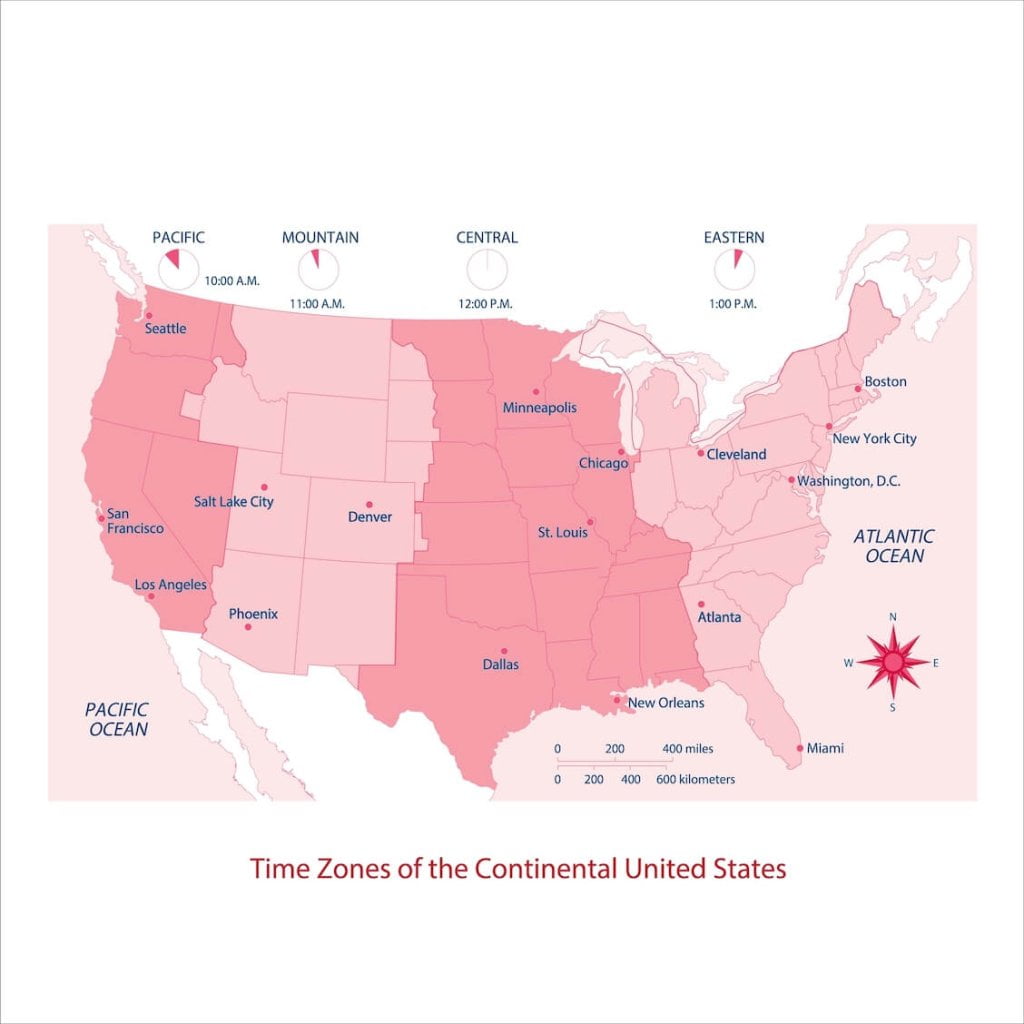
New York’s position on the east coast of North America places it firmly within the Eastern Time Zone. However, like many regions across the globe, it observes Daylight Saving Time, leading to a shift between EST and EDT. Understanding this transition is fundamental for anyone interacting with the city, whether physically present or managing affairs remotely.
The Basics of Eastern Standard Time (EST)
Eastern Standard Time (EST) is the standard time zone observed in New York during the fall and winter months. It is UTC-5, meaning it is five hours behind Coordinated Universal Time. This fixed offset remains in effect from early November to mid-March. During this period, when it’s noon UTC, it’s 7 AM in New York. This consistency is helpful for international travelers trying to calculate the time difference from their home country. For example, if you’re coming from London, which is on GMT/UTC+0, New York will be five hours behind. If you’re arriving from Los Angeles on Pacific Standard Time (PST), New York will be three hours ahead. This regular schedule helps in coordinating everything from booking flights and hotel check-ins to scheduling business calls with partners across continents.
Navigating Eastern Daylight Time (EDT)
Eastern Daylight Time (EDT) comes into play during the spring and summer, typically from the second Sunday in March until the first Sunday in November. During this period, clocks in New York are advanced by one hour, making the time zone UTC-4. This “spring forward” means you lose an hour of sleep on the night of the change but gain an extra hour of daylight in the evenings, which is perfect for enjoying New York City‘s numerous outdoor attractions. For instance, a sunset stroll through Central Park or an evening ferry ride past the Statue of Liberty becomes even more appealing. Travelers must be mindful of this transition, especially if their trip overlaps with the changeover dates. For instance, a flight departing at 9 AM EST on the day of the change would effectively depart at 10 AM EDT if the change happens at 2 AM that morning. It’s a common pitfall that can lead to missed connections or appointments if not accounted for.
The Impact of Time Zones on Your New York Travel Experience
Understanding New York’s time zone is more than just knowing what time to set your watch. It’s a critical component of successful trip planning, impacting logistical considerations, personal well-being, and how you engage with the city’s vibrant tourism offerings.
Planning Your Arrival and Departure
The most immediate impact of time zones on travel is felt during arrival and departure. When booking flights, particularly international ones, always confirm departure and arrival times in local time. A flight scheduled to arrive at “3 PM” might mean 3 PM local time in New York, which could be a significant difference from your home time. This also affects hotel check-in and check-out times. Most hotels, from luxury suites to budget-friendly apartments, adhere to a standard check-in around 3 PM and check-out around 11 AM or noon, all based on local time. Arriving much earlier or later than anticipated due to a miscalculation can lead to additional fees or waiting periods, especially in popular New York establishments like the New York Marriott Marquis or a Hyatt property. Double-checking your booking confirmations and flight details against New York’s current time is paramount.

Beating Jet Lag for a Smoother Trip
Jet lag is the bane of many international travelers, and a significant time difference, especially when flying west to east, can be particularly challenging. Traveling from Europe or Asia to New York can involve shifts of 5 to 12 hours or more, impacting your sleep cycle, appetite, and energy levels. To mitigate jet lag, try to adjust your sleep schedule gradually before your trip. Once in New York, immediately switch to local time. Expose yourself to natural light during the day, stay hydrated, and try to avoid long naps. Many travelers find that arriving earlier than planned for crucial meetings or events allows for a day or two of adjustment. Choosing accommodation that offers amenities like a comfortable bed, blackout curtains, and a quiet environment, whether a resort or a boutique hotel in Manhattan, can also significantly aid in recovery.
Scheduling Attractions and Activities
New York City is a city that never sleeps, but its attractions, restaurants, and shows certainly do have operating hours. From visiting the Metropolitan Museum of Art to catching a Broadway show, all timings are based on local New York time. Missing a timed entry slot for the Empire State Building or Top of the Rock because you miscalculated the time can be a frustrating experience and might mean waiting in long queues for the next available slot. Similarly, popular dining spots often require reservations, and punctuality is expected. Ensure you convert all scheduled activities to New York time well in advance. For those interested in local culture and unique experiences, checking the opening hours for places like the 9/11 Memorial & Museum or Grand Central Terminal is crucial. Embrace the city’s rhythm; early mornings are great for exploring quieter neighborhoods like Greenwich Village or SoHo, while evenings come alive with theater, dining, and vibrant nightlife in areas like Times Square.
Time Zone Considerations for Business and Lifestyle in the Big Apple
New York isn’t just a tourist destination; it’s a global financial, media, and cultural capital. For business travelers, remote workers, or those considering a temporary relocation, the time zone plays an even more significant role in daily lifestyle and professional interactions.
Corporate Travel and Meetings
For business travelers, understanding New York’s time zone is non-negotiable. Meetings are scheduled precisely, and being late due to a time zone miscalculation is unprofessional. Many international companies with offices in New York operate across multiple time zones, requiring careful planning for conference calls and deadlines. Financial markets, such as the New York Stock Exchange (NYSE), open and close according to EST/EDT. Business hotels in districts like Midtown Manhattan often cater to global travelers, offering amenities like 24-hour business centers and early breakfast options to accommodate different schedules. When traveling for corporate purposes, ensure your devices automatically update to the local time, and consider using a world clock app to easily track multiple time zones simultaneously.
Family Trips and Daily Rhythms
Traveling with family, especially young children, adds another layer of complexity to time zone management. Kids thrive on routine, and a sudden shift in time can disrupt sleep patterns, meal times, and overall mood. When planning a family trip to New York, gradually adjust your children’s sleep schedules a few days before departure. Once in the city, stick to a consistent daily routine as much as possible, including meal times and bedtimes, based on local New York time. Prioritize early bedtimes on arrival and build in quiet periods or naps during the day if needed. Choosing family-friendly accommodation, perhaps an apartment with kitchen facilities in neighborhoods like Brooklyn or Queens, can help maintain a semblance of home routine, making the adjustment smoother for everyone. Activities like visiting the Bronx Zoo or the Intrepid Sea, Air & Space Museum should be scheduled taking into account the family’s adjusted energy levels.
Remote Work and Global Connections
With the rise of remote work, many individuals find themselves working for companies based in New York while living in different time zones, or vice versa. This requires careful coordination. If you’re a remote worker based in New York collaborating with teams in Europe or Asia, your workday might start earlier or extend later to accommodate colleagues. Conversely, if you’re working remotely for a New York-based company from the West Coast, you’ll likely start your day three hours earlier. Tools like world clock widgets, shared calendars with time zone support, and clear communication are essential. This lifestyle offers flexibility but demands discipline in managing your schedule to align with New York’s time.
Practical Tips for Managing Time in New York
Staying on top of New York’s time zone and its shifts is crucial for a stress-free experience. Here are some practical tips to help you manage your time effectively during your visit or stay.
Using Technology to Your Advantage
Modern technology is your best friend when dealing with time zones.
- Smartphones and Laptops: Most smartphones and laptops automatically detect your location and adjust to the local time zone. Ensure this feature is enabled before you travel.
- World Clock Apps: Utilize built-in world clock features or download dedicated apps that allow you to track multiple time zones simultaneously. This is especially useful for coordinating with people in different parts of the world.
- Online Converters: Before booking anything, use online time zone converters to double-check times for flights, reservations, and meetings.
- Calendar Tools: When scheduling events, always use calendar tools that offer time zone support, which typically allows you to view events in your current time zone, regardless of where they were originally created.
Staying Informed About Time Changes
The switch between EST and EDT happens twice a year. While most devices update automatically, it’s wise to be aware of the exact dates.
- Set Reminders: Mark the “spring forward” and “fall back” dates in your calendar.
- Check Local News: Keep an eye on local New York news or reputable travel websites in the weeks leading up to the change for any specific announcements.
- Confirm with Providers: If you have crucial appointments, flights, or reservations around these dates, confirm the exact timings with airlines, hotels, or tour operators, such as a Hilton resort or a specific attraction like the Museum of Modern Art (MoMA). This proactive step can prevent misunderstandings.
Beyond the Clock: Maximizing Your New York Stay
While understanding the time zone is a practical necessity, the real goal is to maximize your enjoyment of New York. Once you’ve adjusted to the local time, the city unfolds with endless possibilities. From exploring iconic landmarks like Rockefeller Center and One World Trade Center to immersing yourself in the diverse local culture of Staten Island or Flushing, every moment counts.
Embrace the energy of New York. Take advantage of early mornings for quiet contemplation in Washington Square Park or later evenings for unforgettable experiences in Harlem. Planning your days with an awareness of the time, combined with strategic scheduling and good rest, will ensure that your visit, whether for a quick business stay or an extended exploration, is as vibrant and fulfilling as the city itself. So, set your watch, calibrate your schedule, and prepare to dive into the unforgettable adventure that awaits you in New York.
LifeOutOfTheBox is a participant in the Amazon Services LLC Associates Program, an affiliate advertising program designed to provide a means for sites to earn advertising fees by advertising and linking to Amazon.com. Amazon, the Amazon logo, AmazonSupply, and the AmazonSupply logo are trademarks of Amazon.com, Inc. or its affiliates. As an Amazon Associate we earn affiliate commissions from qualifying purchases.