
California, often celebrated as the Golden State, beckons travelers with its diverse landscapes, iconic landmarks, vibrant cities, and a lifestyle that’s as varied as its geography. From the sun-drenched beaches of San Diego to the bustling tech hubs of Silicon Valley, the glamorous streets of Los Angeles to the fog-kissed hills of San Francisco, there’s an endless array of experiences awaiting. Whether you’re planning a luxury escape, a budget-friendly adventure, a family vacation to the Disneyland Resort, or a business trip to Sacramento, understanding the local customs and regulations, especially concerning alcohol sales, is a practical tip for any visitor. This isn’t just about legality; it’s about seamlessly integrating into the local rhythm, planning your evenings, and making the most of California’s renowned hospitality and entertainment scenes.

For many, a trip to California includes enjoying a glass of world-class wine in Napa Valley, sipping a craft beer in a lively San Diego brewpub, or indulging in a sophisticated cocktail at a rooftop bar overlooking the Hollywood Hills. Knowing when alcohol sales cease can significantly impact your itinerary, whether you’re stocking up for a quiet evening in your hotel suite, planning a late-night celebration, or simply want to understand the rhythm of local commerce. This comprehensive guide will walk you through the specifics of alcohol sales laws in California, offering insights that will enhance your travel experience and ensure a smooth, enjoyable stay.
Navigating California’s Alcohol Sales Laws: The Basics
California is known for many things, but a relaxed approach to alcohol sales, particularly regarding late-night purchases, is not one of them. The state has a uniform approach to the hours during which alcoholic beverages can be sold, aiming to create consistency across its vast and varied counties. This statewide regulation simplifies things for both residents and visitors, removing much of the guesswork that might arise in states with more localized control over sales hours.
The Statewide Standard: Understanding Daily Hours
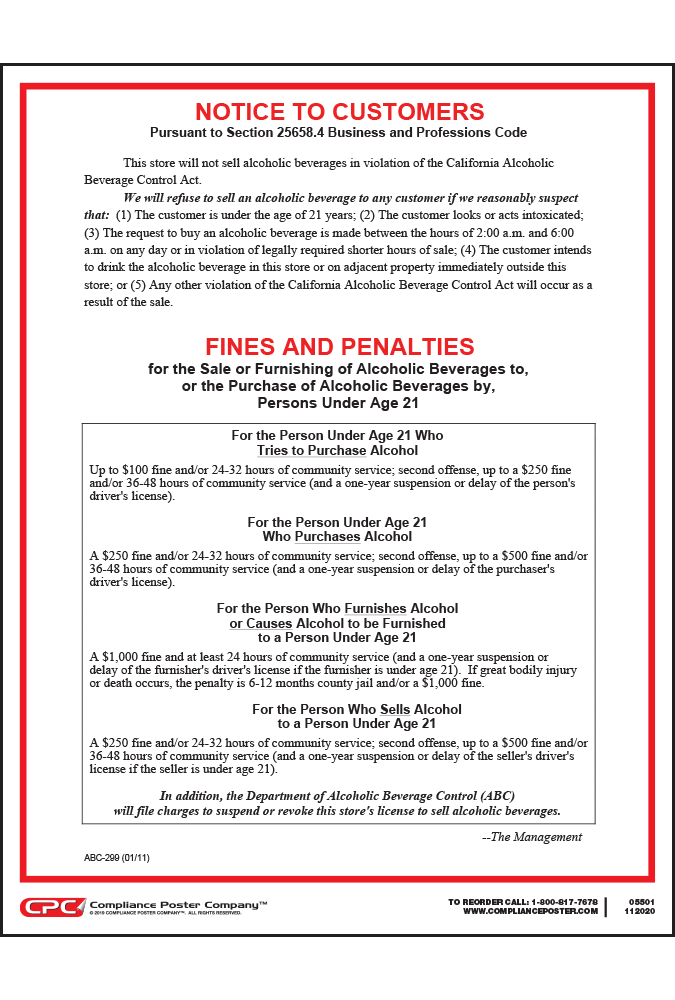
At the heart of California’s alcohol sales regulations is a clear, consistent time window. Across the entire state, alcohol can be legally sold from 6:00 AM to 2:00 AM, seven days a week. This applies universally, regardless of whether it’s a weekday, a weekend, or a holiday. This 20-hour window provides ample opportunity for purchases, but the strict 2:00 AM cutoff is a critical detail that travelers and residents alike must remember.
What does this mean in practical terms? If you’re planning an evening out in Los Angeles or enjoying the vibrant nightlife in San Francisco, establishments serving alcohol on-premise, such as bars, restaurants, and nightclubs, must cease serving all alcoholic beverages by 2:00 AM. Similarly, off-premise retailers like grocery stores, convenience stores, and dedicated liquor stores are prohibited from selling alcohol after this time. This isn’t a suggestion; it’s a legal requirement rigorously enforced by the California Department of Alcoholic Beverage Control (ABC). Bartenders and cashiers are obligated to cut off sales, and attempting to purchase alcohol after 2:00 AM will be met with a polite but firm refusal. It’s a good practice for visitors staying in hotels or villas to plan ahead if they anticipate needing beverages for late-night enjoyment after these hours.
Where Alcohol is Sold: A Venue-by-Venue Look
The 6:00 AM to 2:00 AM rule applies to all types of licensed establishments throughout California. However, understanding the distinction between on-premise and off-premise sales can be helpful for travelers:
- Off-Premise Retailers (Grocery Stores, Convenience Stores, Liquor Stores): These are locations where you can purchase sealed bottles or cans of alcoholic beverages for consumption elsewhere, perhaps back at your accommodation or a picnic in a designated area. Popular chains and local independent stores adhere strictly to the 2:00 AM cutoff. If you plan to stock your mini-fridge in your resort suite or enjoy a bottle of local wine on your balcony, ensure your purchases are made before the deadline.
- On-Premise Establishments (Bars, Restaurants, Nightclubs, Breweries, Wineries): These venues are licensed to serve alcohol for consumption on their premises. Whether you’re enjoying a gourmet meal with wine, a craft cocktail at a trendy bar, or dancing the night away at a club in Hollywood, all service of alcoholic drinks must cease by 2:00 AM. This often means “last call” is announced well before 2:00 AM to give patrons time to finish their drinks and for staff to process payments and prepare for closing. Many restaurants and bars in prime tourist areas like the Gaslamp Quarter in San Diego or Fisherman’s Wharf in San Francisco will be bustling until just before the cutoff.
Beyond the Clock: Important Nuances for Travelers
While the 6 AM to 2 AM rule is the golden standard, there are other crucial aspects of California’s alcohol laws that travelers should be aware of. These nuances, though seemingly minor, can significantly impact your tourism experience and ensure you remain on the right side of the law while exploring the Golden State.
Local Ordinances and Exceptions: Are There Any?
Unlike some states where counties or cities have significant autonomy over alcohol sales hours, California’s 2:00 AM cutoff is a statewide mandate that generally isn’t overridden by local municipalities for sales. What local jurisdictions often regulate are aspects like noise ordinances, public consumption, and zoning for establishments. For instance, while you can buy alcohol until 2:00 AM anywhere in California, a specific city might have stricter rules about when outdoor patios or rooftops can operate, or where open containers are permitted.
It’s important to differentiate between when alcohol can be sold and when it can be consumed. Many cities, including major tourist destinations like Los Angeles, San Francisco, and San Diego, have strict open container laws, prohibiting the consumption of alcohol in public places unless within a licensed establishment or at a specifically permitted event. Always check local guidelines if you’re unsure, but generally, public intoxication and open containers are not tolerated outside of designated areas. This emphasis on responsible consumption is part of the broader lifestyle in California, impacting how visitors experience its vibrant cities and natural beauty.
Special Licenses and Events
While the 2:00 AM rule is firm for regular commercial sales, there can be very specific, temporary exceptions for special events with special permits. Large-scale festivals, concerts, or designated public events might obtain temporary licenses that allow for slightly extended hours or specific conditions for alcohol service within their controlled boundaries. These are rare and apply only to the specific event area and duration.
For those interested in California’s renowned wine industry, regions like Napa Valley, Sonoma County, and Santa Barbara offer unique experiences. Wineries and tasting rooms typically operate during daytime hours, focusing on wine education and sales during the day, not late-night service. Similarly, the burgeoning craft beer scene, especially prominent in cities like San Diego, features breweries with tasting rooms that usually close well before 2:00 AM, often around 9:00 PM or 10:00 PM, aligning more with a casual evening outing than a late-night party. These daytime activities contribute significantly to California’s diverse tourism offerings and provide a different context for enjoying alcoholic beverages.
Age Restrictions and ID Requirements
A critical piece of information for any visitor is California’s strict adherence to the 21-year-old minimum drinking age. This is non-negotiable and enforced vigorously across all establishments. Whether you’re buying a six-pack from a convenience store or ordering a cocktail at a high-end restaurant, expect to be asked for a valid, government-issued photo ID. This includes passports for international visitors, U.S. state driver’s licenses, or military IDs. Do not be offended if you are asked for identification even if you believe you look well over 21; it is standard practice and a legal requirement for sellers to verify age, often for anyone appearing under 30 or 40. This policy is a cornerstone of responsible alcohol service and public safety, reflecting the state’s lifestyle values.
Experiencing California’s Nightlife and Culinary Scene
California’s allure isn’t just in its natural beauty or iconic landmarks like the Golden Gate Bridge or Yosemite National Park; it’s also deeply rooted in its vibrant social and culinary scenes. Understanding alcohol sales times allows you to fully immerse yourself in these experiences, from casual dinners to high-energy nights out.
Making the Most of Evening Entertainment
With the 2:00 AM cutoff in mind, planning your evening activities becomes key to a seamless experience. California’s major cities offer a plethora of nightlife options that cater to every taste and budget, fitting perfectly within the specified hours:
- Los Angeles: From the glamorous clubs of Hollywood and Beverly Hills to the trendy bars in Downtown LA and West Hollywood, the city offers an unparalleled variety of entertainment. Many establishments start to fill up around 9:00 PM or 10:00 PM, with the peak hours before last call. Consider enjoying a pre-dinner cocktail, a delightful meal, and then heading to a bar or club, ensuring you arrive with enough time to savor the atmosphere before 2:00 AM.
- San Francisco: Famous for its sophisticated cocktail bars, historic pubs, and lively music venues, San Francisco also embraces the 2:00 AM cutoff. Whether you’re exploring the lively Mission District, enjoying views from a rooftop bar, or taking a stroll past Alcatraz Island, the city provides ample opportunities for evening enjoyment that align with the state’s alcohol laws.
- San Diego: Known for its laid-back yet vibrant atmosphere, San Diego boasts excellent breweries and a dynamic nightlife, particularly in areas like the Gaslamp Quarter and Pacific Beach. Early evening starts are popular here, allowing visitors to enjoy the pleasant weather and vibrant social scene without rushing against the clock.
- Universal Studios Hollywood and Disneyland Resort: Theme park visitors can also enjoy alcoholic beverages within designated areas of these resorts, often until park closing or slightly before, adhering to state regulations. It’s an integral part of the overall experience, especially for adults looking to unwind after a day of rides and attractions.
Wine Tasting and Craft Breweries: Daytime Delights
While the 2:00 AM rule primarily concerns late-night sales, California’s reputation as a world-class producer of wine and craft beer means that many alcohol-related experiences are actually daytime affairs.
- Wine Country Escapes: A trip to California isn’t complete for many without visiting its iconic wine regions. Napa Valley and Sonoma County offer exquisite vineyard tours and tasting experiences, generally operating from late morning until late afternoon or early evening. Similarly, the Central Coast regions, including Santa Barbara, provide stunning vineyard settings and equally impressive wines. These tours often conclude long before the 2:00 AM cutoff, focusing on the sensory experience and education rather than extended drinking hours.
- Craft Beer Scene: California is at the forefront of the craft beer revolution. Cities like San Diego, Los Angeles, and Sacramento are dotted with innovative breweries offering tasting rooms and tours. These establishments provide a social and cultural experience, often paired with food trucks and live music, typically closing their doors in the late evening, making them perfect for a relaxing afternoon or early evening outing.
These daytime activities offer a different dimension to California’s alcohol culture, showcasing its agricultural bounty and innovative spirit, and are a key draw for tourism and lifestyle travelers seeking unique experiences.
Practical Tips for Responsible Enjoyment
Enjoying alcohol responsibly is a key aspect of any travel experience, and California’s laws and culture encourage this. By keeping a few practical tips in mind, visitors can ensure a safe and enjoyable trip.
Planning Ahead for Your California Trip
- Transportation: With the 2:00 AM cutoff, knowing how you’ll get back to your hotel or apartment is crucial. California’s major cities offer various ride-sharing services (Uber, Lyft), taxis, and often robust public transportation networks. Always designate a sober driver if you’re with a group and have access to a car.
- Hydration and Food: Don’t forget to stay hydrated with water and eat nourishing meals while enjoying alcoholic beverages. Many California restaurants offer fantastic late-night menus that can help balance your consumption and prolong your evening comfortably.
- Pacing Yourself: The long 20-hour window for alcohol sales means you have plenty of time. There’s no need to rush. Enjoy the diverse array of establishments and drinks California has to offer at a comfortable pace.
Understanding California’s Public Consumption Laws
As previously mentioned, California has strict open container laws. It is illegal to consume an alcoholic beverage in public places, such as on streets, sidewalks, or in parks, unless it is a designated event with a specific permit. Always keep alcoholic beverages in sealed containers until you are in a private space or a licensed establishment. Driving with an open container of alcohol is also illegal, even if the driver is not consuming it. Fines and penalties for these infractions can be significant, so it’s always best to err on the side of caution. Popular landmarks like the Santa Monica Pier, Balboa Park, and areas around Lake Tahoe are not places for public alcohol consumption.
In conclusion, knowing that alcohol sales cease at 2:00 AM across California is a fundamental piece of information for anyone visiting the Golden State. This consistent statewide regulation simplifies planning and ensures that whether you’re exploring the glamorous landmarks of Los Angeles, savoring the culinary delights of San Francisco, or relaxing in a boutique hotel in Napa Valley, you can do so with confidence and clarity. By respecting these regulations and practicing responsible consumption, you’ll be well-prepared to enjoy all the incredible tourism, lifestyle, and travel experiences that California has to offer.