
For any traveler planning an adventure through the vast landscapes of Texas, understanding when the sun sets is more than just a matter of curiosity – it’s a crucial element for optimizing itineraries, capturing breathtaking photos, and fully immersing oneself in the local culture and evening experiences. The Lone Star State, renowned for its expansive terrain, vibrant cities, and diverse attractions, presents a unique dynamic when it comes to daylight hours. From the humid shores of the Gulf Coast to the arid mountains of West Texas, sunset times can vary significantly, not only by season but also by geographical longitude. This guide delves into the specifics of when darkness descends upon Texas, exploring how these timings influence travel plans, accommodation choices, and the myriad of enchanting activities that unfold as day transitions to night. Whether you’re chasing the golden hour for photography, seeking the best stargazing spots, or planning a lively evening out, knowing the rhythm of the Texan sky is your first step towards an unforgettable journey.

Understanding Texas Sunset Times: A Traveler’s Guide
The precise moment the sun dips below the horizon in Texas is influenced by a combination of astronomical and geographical factors. Unlike smaller states, Texas’s immense size means that sunset can occur at noticeably different times from one end of the state to the other.
Geographical Nuances Across the Lone Star State
Texas stretches approximately 773 miles (1,244 km) from east to west, encompassing a substantial range of longitudes. This geographical spread is the primary reason for the variation in sunset times within the state. Simply put, locations further west will experience sunset later than those to the east.
For instance, a city like El Paso, situated in the far western part of Texas and operating on Mountain Time (though most of Texas observes Central Time), will see the sun set significantly later than Houston or Dallas in the east. Even within the Central Time Zone, there’s a noticeable difference:
- Eastern Texas: Cities like Houston, Galveston, and Beaumont experience the earliest sunsets.
- Central Texas: Austin, San Antonio, and Dallas-Fort Worth fall in the middle range.
- Western Texas (Central Time portion): Areas like Lubbock and Amarillo in the Texas Panhandle will have later sunsets compared to the eastern and central regions.
- Far West Texas (Mountain Time): El Paso consistently enjoys the latest sunsets, often more than an hour later than Houston, especially during Daylight Saving Time.
This east-to-west gradient is a vital consideration for travelers scheduling outdoor activities, evening events, or even long drives across the state. A road trip from Houston to El Paso will see you chasing the sun, effectively gaining an hour of daylight as you travel westward.
Seasonal Shifts and Daylight Saving Time
Beyond geography, the time of year dramatically impacts when the sun sets. Texas, like most of the United States, experiences significant seasonal variation in day length.
- Summer (June, July, August): The longest days of the year mean the latest sunsets. In peak summer, areas like Dallas might see sunset around 8:30 PM CDT, while El Paso could enjoy daylight until close to 9:00 PM MDT. This extended daylight is perfect for outdoor adventures, long evenings on restaurant patios, and late-afternoon dips in hotel pools.
- Winter (December, January, February): The shortest days of the year bring the earliest sunsets. During the winter solstice, the sun can set as early as 5:15 PM CST in Houston and around 6:00 PM MST in El Paso. Travelers planning winter visits should account for shorter daylight hours, perhaps shifting outdoor activities to the morning and reserving evenings for indoor cultural experiences or cozy dining.
- Spring and Autumn (March-May, September-November): These transitional seasons offer moderate day lengths. Sunsets gradually shift from early evenings in spring to later times as summer approaches, and then reverse course in autumn. Equinoxes (around March 20th and September 22nd) typically see sunsets closer to 7:00 PM local time across much of the state.
Daylight Saving Time (DST), observed from mid-March to early November, further complicates matters by shifting clocks forward by one hour. This artificially pushes sunset times later by an hour, giving the illusion of more daylight in the evening. For travelers, DST means brighter evenings for longer, extending opportunities for outdoor sightseeing and evening activities. Conversely, when DST ends, the sun appears to set an hour earlier, requiring adjustments to schedules. Always remember to check local sunset times for your specific destination and travel dates using a reliable weather app or online resource.
Embracing the Twilight: Evening Activities and Attractions
The transition from day to night in Texas is often a magical period, offering a distinct set of experiences for travelers. Understanding sunset timings allows you to strategically plan activities that maximize the beauty of twilight and the allure of the Texan night.
From Stargazing to City Lights: Texas After Dark
The diverse landscapes of Texas offer a spectrum of evening attractions, from the celestial wonders of its dark skies to the glittering skylines of its metropolises.
For astronomy enthusiasts and those seeking a serene escape, West Texas boasts some of the darkest skies in the United States. Locations like Big Bend National Park, Big Bend Ranch State Park, Guadalupe Mountains National Park, and the Davis Mountains provide unparalleled opportunities for stargazing. The renowned McDonald Observatory near Fort Davis hosts public star parties several nights a week, making it an essential stop for anyone wanting to witness the Milky Way in all its glory. Planning your visit around sunset ensures you arrive in time to witness the stars emerge. Many luxury hotels and unique accommodations in remote areas, such as those near Marfa, offer stargazing amenities or dedicated viewing areas, making it a key part of the lifestyle experience.
In contrast, Texas’s major cities transform into vibrant hubs of light and activity as night falls.
- In Austin, the twilight hours are famous for the emergence of North America’s largest urban bat colony from beneath the Congress Avenue Bridge. Thousands of spectators gather on boats, paddleboards, and along the bridge to witness this spectacular flight at dusk – a perfect example of a travel experience dictated by sunset. Afterwards, the city’s legendary live music scene comes alive, with countless venues offering entertainment into the late hours.
- San Antonio’s historic Riverwalk glows with enchanting lights after dark, creating a romantic atmosphere for evening strolls, river cruises, and al fresco dining. Landmarks like The Alamo take on a solemn beauty under evening illumination.
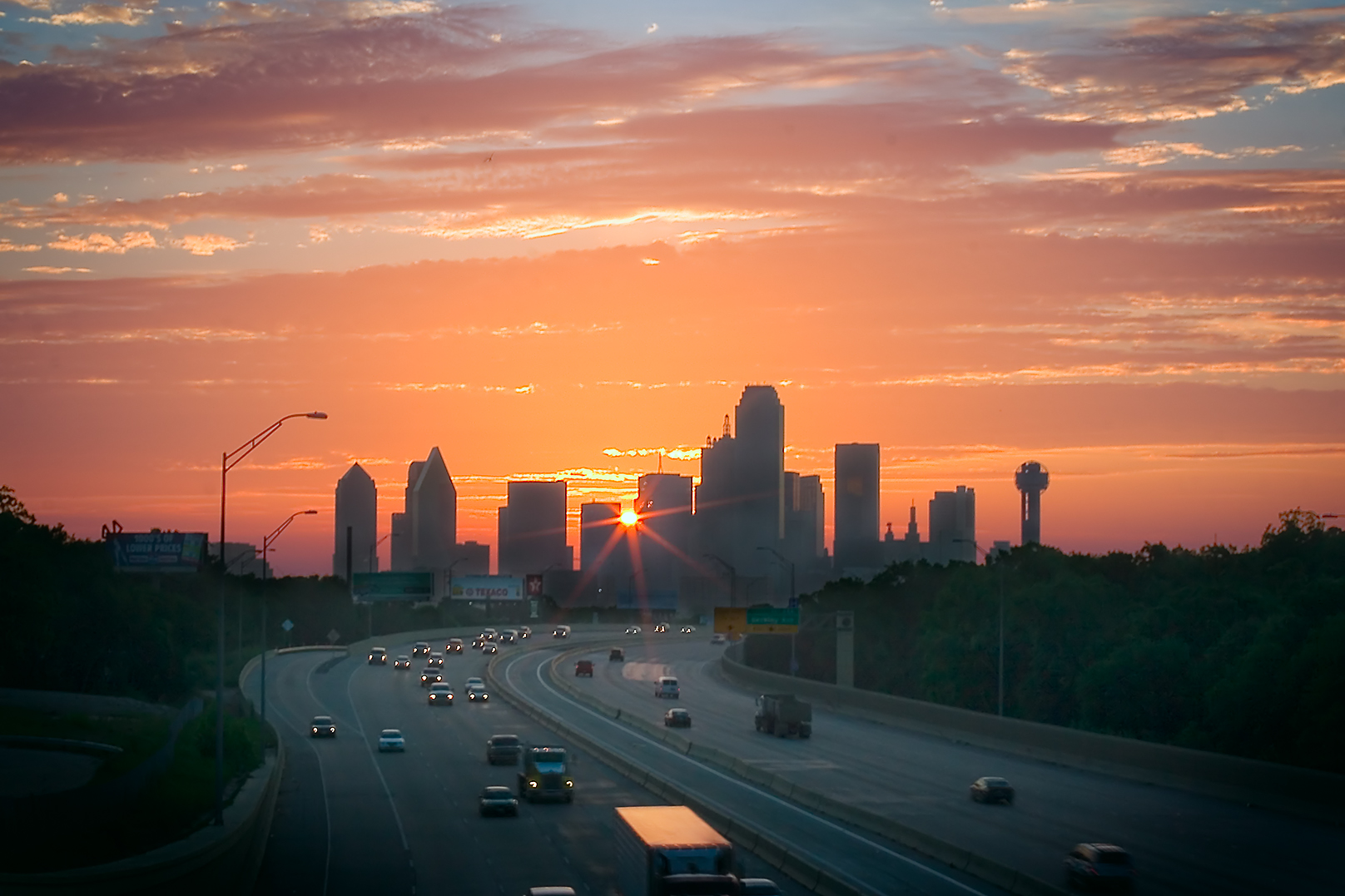
- Dallas’s skyline is a testament to its modern grandeur, with the iconic Reunion Tower offering panoramic views that are particularly stunning at sunset and after dark. The Dallas Arts District also buzzes with evening performances and events.
- Houston’s Museum District Houston often hosts evening events and its vast culinary scene thrives well into the night.
The period just after sunset, known as the “blue hour,” provides exceptional opportunities for photography, as the sky takes on deep shades of blue, contrasting beautifully with artificial lights. Many travelers specifically plan their visit to landmarks like the San Jacinto Monument or the State Capitol building in Austin to capture these stunning twilight moments.
Culinary Delights and Lively Entertainment

The arrival of evening in Texas signals the prime time for its rich culinary and entertainment scenes to truly shine. From upscale dining experiences to casual food truck parks, the options for evening tourism are endless.
Cities like Austin, Houston, and Dallas boast world-class restaurants where chefs craft innovative dishes, often best enjoyed under the evening sky on a patio or with city lights as a backdrop. Many establishments in the Hill Country wine region, such as those around Fredericksburg, offer wine tastings and gourmet dinners that extend into the cooler evening hours.
The nightlife in Texas is as diverse as its geography. Austin, the “Live Music Capital of the World,” offers everything from intimate jazz clubs to energetic rock venues. Dallas and Houston feature sophisticated cocktail bars, dance clubs, and entertainment districts that cater to a variety of tastes. Even smaller towns often have local honky-tonks or community events that come alive after dark, offering a glimpse into authentic Texan lifestyle. Planning dinner reservations or concert tickets around sunset ensures a smooth transition from your daytime explorations to an evening of indulgence.
Accommodations with a View: Maximizing Your Texas Evenings
For many travelers, the choice of accommodation is central to their overall experience. When the sun sets in Texas, the right hotel, resort, or apartment can transform a simple evening into a memorable highlight, offering unparalleled views, luxurious amenities, and perfectly timed access to evening activities.
Resorts and Hotels for Memorable Sunsets
Hotels strategically positioned to capture the breathtaking Texas sunsets are a significant draw for discerning travelers. Imagine unwinding on a private balcony as the sky erupts in hues of orange, pink, and purple, or enjoying a cocktail at a rooftop bar with a panoramic view of a city gradually coming alive with lights.
- In Austin, luxury properties like the Four Seasons Hotel Austin or the W Hotel Austin often boast rooms and common areas with stunning views of Lady Bird Lake and the downtown skyline, making them ideal for sunset watching.
- San Antonio’s Hotel Emma at the Pearl Brewery district, while not primarily a sunset view hotel, offers an incredible ambiance for evening strolls and exquisite dining experiences post-sunset. For sprawling views and a resort experience that seamlessly blends with the natural evening beauty, the JW Marriott San Antonio Hill Country Resort & Spa provides a serene backdrop as day turns to night.
- In Houston, the Post Oak Hotel at Uptown Houston offers an opulent experience with high-floor rooms providing expansive city views, perfect for witnessing the city’s transformation at dusk.
- Dallas has numerous options, including the Omni Dallas Hotel or the Hyatt Regency Dallas, both providing iconic views of the Dallas skyline, particularly impressive with the illuminated Reunion Tower as a focal point.
Many resorts in the Texas Hill Country leverage their elevated positions to offer spectacular sunset vistas, often complementing them with outdoor dining, fire pits, and stargazing opportunities. When booking accommodation, consider researching properties known for their scenic outlooks, especially those with rooftop amenities or west-facing rooms. This approach to accommodation planning enhances the travel experience, turning the simple act of sunset viewing into a highlight of your stay.
Crafting the Perfect Evening Itinerary
Knowing the sunset times is instrumental in crafting a seamless and enjoyable evening itinerary. Travelers often find themselves rushing to see one last attraction before darkness, or inadvertently missing a beautiful natural phenomenon because they weren’t aware of the clock.
- Golden Hour Photography: The hour leading up to sunset, known as the “golden hour,” offers the softest, most flattering light for photography. Plan your visits to iconic landmarks like The Alamo, the Fort Worth Stockyards National Historic District, or the beach at South Padre Island to coincide with this magical time.
- Dinner Reservations: Scheduling dinner reservations to follow shortly after sunset allows for a leisurely pre-dinner activity, whether it’s a scenic walk, a quick drink, or simply relaxing at your accommodation.
- Evening Shows and Events: From Broadway shows in Houston to rodeos in Fort Worth or live music in Austin, many cultural and entertainment events kick off in the evening. Aligning your schedule with sunset ensures you can transition smoothly from sightseeing to entertainment without feeling rushed.
- Stargazing Expeditions: For those venturing to West Texas or remote parts of the Hill Country for stargazing, arriving before sunset is crucial. It allows time to set up, get acclimated to the surroundings, and watch as the first stars begin to appear, enhancing the overall experience. Some tour operators offer guided stargazing trips that begin right at dusk.
By integrating sunset times into your travel planning, you move beyond merely visiting attractions to truly experiencing the rhythm and beauty of Texas at every hour. This thoughtful approach to itinerary building is a hallmark of a well-planned trip, enriching the overall lifestyle and tourism experience.
Navigating the Texas Night: Practical Tips for Travelers
As the sun sets and the Texan night unfolds, a few practical considerations can ensure your adventures remain safe, enjoyable, and hassle-free. From planning your movements to optimizing your experience, these tips will help you embrace the evening fully.
Safety and Planning for an Enjoyable Experience
While Texas is generally a welcoming state for travelers, exercising caution and planning ahead is always advisable, especially after dark.
-
Awareness of Surroundings: In urban areas, stick to well-lit streets and populated areas, especially when walking after sunset. Be mindful of your belongings and avoid displaying valuable items. If venturing into a new neighborhood, consult with your hotel concierge or local guides for advice on safe areas.
-
Transportation: For late-night outings, utilizing ride-sharing services, taxis, or designated drivers is highly recommended. Many Texan cities have robust public transportation systems, but their operating hours might be limited after dark, particularly in less central areas. If driving yourself, be aware of increased wildlife activity on rural roads, especially around dusk and dawn.
-
Outdoor Activities: If your evening plans involve hiking, camping, or stargazing in remote areas like Big Bend National Park or Padre Island National Seashore, always inform someone of your plans and estimated return time. Carry appropriate gear, including headlamps or flashlights, extra water, and navigational tools. Be aware of local wildlife, which often becomes more active at night.
-
Weather Considerations: While daytime temperatures in Texas can be scorching, evenings, especially in winter or in higher elevations like the Davis Mountains, can get surprisingly cool. Pack layers to remain comfortable as temperatures drop after sunset.
-
Communication: Ensure your phone is fully charged, or carry a portable power bank, especially if you plan to be out late or in areas with limited services. Having access to maps and emergency contacts is crucial.
-
Local Etiquette: Many Texan establishments have specific closing times, particularly outside major city centers. Respect these hours and be aware of any local noise ordinances if you’re staying in a residential area.
By keeping these practical tips in mind, you can confidently navigate the Texas night, allowing you to fully enjoy the state’s diverse evening offerings without compromising your safety or peace of mind.
In conclusion, understanding “What Time Does It Get Dark In Texas?” is more than a simple inquiry; it’s a gateway to unlocking a richer, more immersive travel experience. From the varying sunset times dictated by its vast geography and changing seasons to the wealth of evening activities that transform its cities and natural wonders, Texas offers a captivating array of twilight and nocturnal adventures. By integrating this knowledge into your planning—whether you’re selecting a hotel with a perfect sunset view, scheduling a golden hour photography session, or mapping out a night of stargazing—you’ll ensure every moment of your journey through the Lone Star State is optimized for enjoyment and discovery. Embrace the magic as day fades to night, and let the unique charm of Texas after dark leave an indelible mark on your travel memories.