
For many, the mention of New York City evokes images of bright lights in Times Square, the towering presence of the Empire State Building, or a leisurely stroll through Central Park. Yet, for those with a keen interest in global finance, history, or simply the pulsating heart of economic activity, the question “What time does the New York Stock Exchange open?” carries significant weight. More than just a logistical detail, knowing the trading hours is often the first step in planning a visit to one of the world’s most iconic financial landmarks, nestled within the storied streets of the Financial District.
The New York Stock Exchange (NYSE) is arguably the most famous stock exchange globally, a powerful symbol of capitalism and economic prowess. Its opening and closing bells are not merely ceremonial; they mark the beginning and end of daily trading sessions that send ripples across international markets. For travelers, understanding these hours can help structure an itinerary that perfectly blends sightseeing with a deeper dive into the city’s unique economic culture. Whether you’re a seasoned investor, a curious tourist, or a business traveler, a trip to Wall Street offers an unparalleled glimpse into the mechanisms that drive global commerce, making the New York Stock Exchange Building a must-see landmark.
This article aims to not only answer the fundamental question about the NYSE’s operating hours but also to serve as a comprehensive guide for those looking to explore the surrounding historical and cultural attractions, discover the best accommodation options, and fully immerse themselves in the vibrant lifestyle of Downtown Manhattan. From the rhythm of the trading day to the culinary delights and historical narratives embedded in every cobblestone, your journey through New York City promises to be an unforgettable experience.
Understanding the New York Stock Exchange: A Global Financial Hub
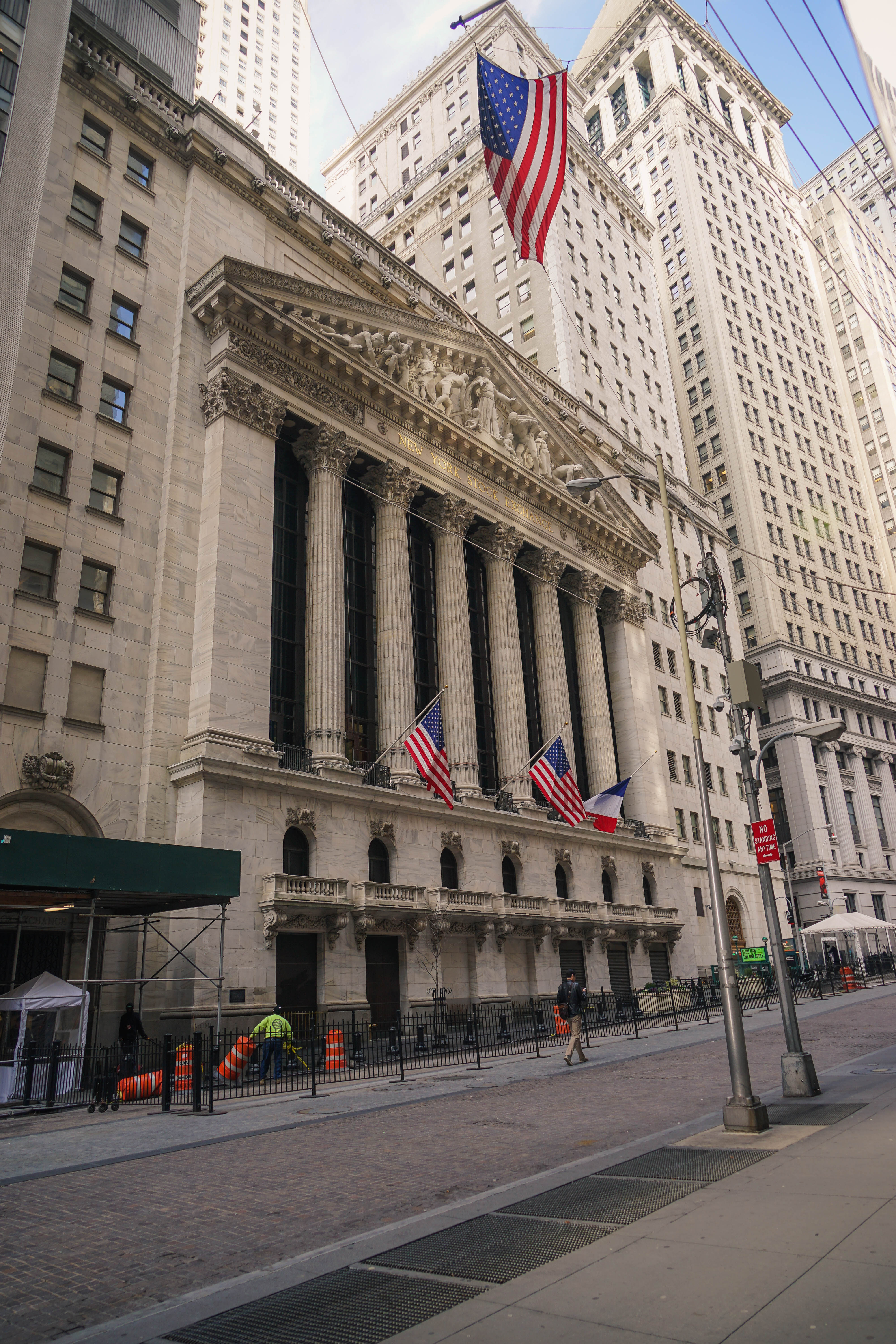
The New York Stock Exchange, often referred to simply as the NYSE or “The Big Board,” is a crucial component of the global financial system. Located at 11 Wall Street in Manhattan, it is the world’s largest stock exchange by market capitalization of its listed companies. Its daily operations influence economies worldwide, making it a focal point for financial news and analysis. While direct public access to the trading floor ended after the 9/11 attacks for security reasons, the exterior of the magnificent Beaux-Arts building remains an iconic landmark, drawing visitors from all corners of the globe.
The NYSE is more than just a place where stocks are bought and sold; it’s a living museum of economic history, a symbol of ambition, innovation, and resilience. Its facade, adorned with the iconic “Capital” and “Integrity” sculptures, speaks volumes about the principles it upholds. For anyone visiting New York City, especially those with an interest in business, history, or powerful institutions, observing the exterior and understanding the rhythm of its operations is an essential part of the travel experience.
The Rhythms of Wall Street: Opening and Closing Bells
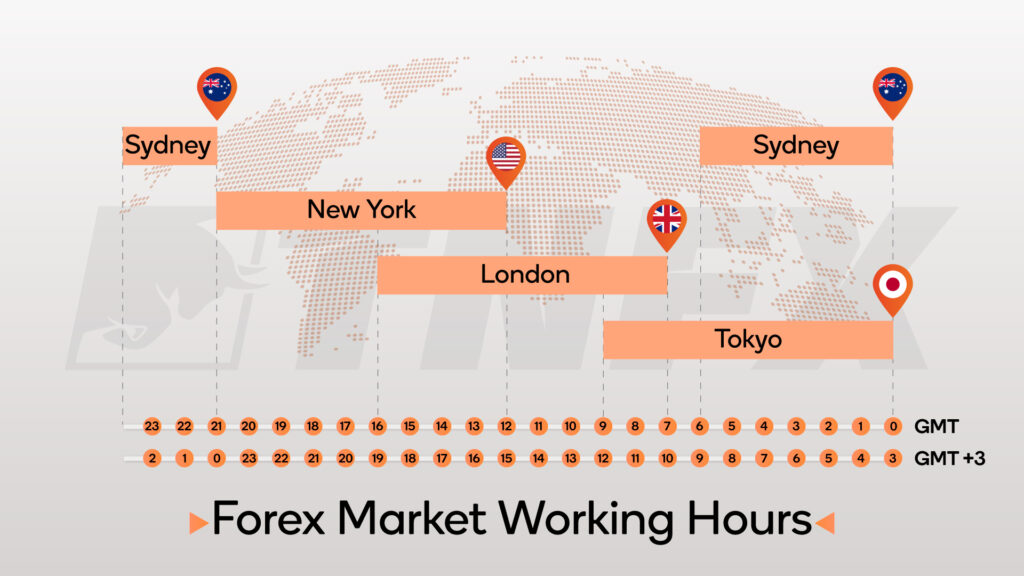
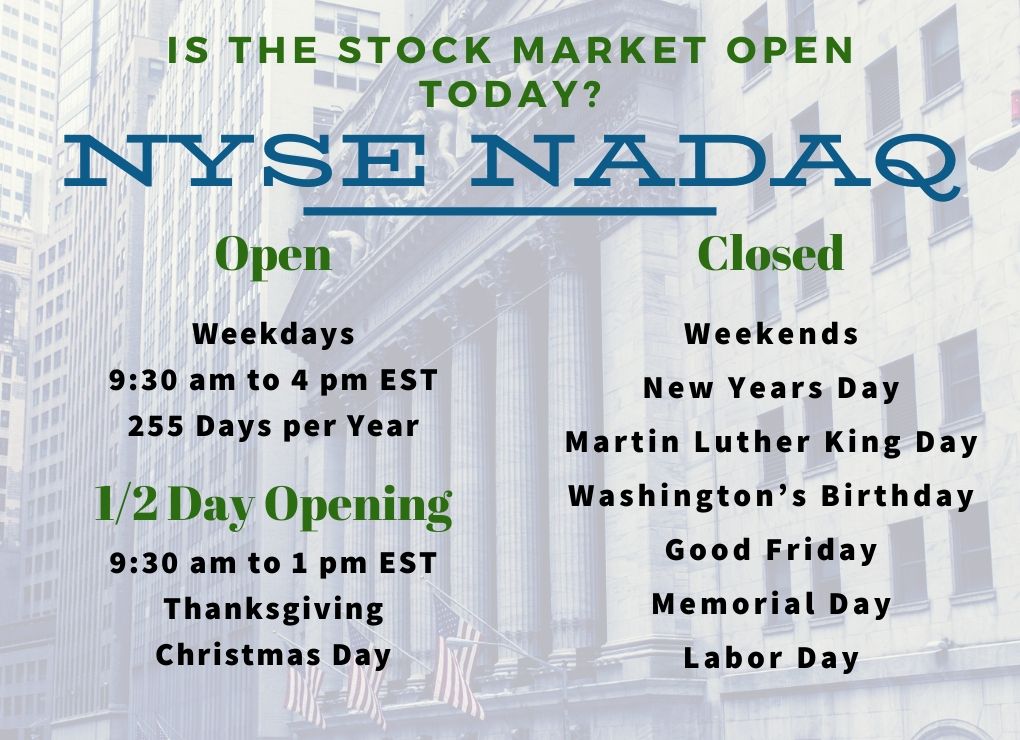
To answer the core question: The New York Stock Exchange typically opens for trading at 9:30 AM Eastern Time (ET). The trading day concludes with the closing bell at 4:00 PM Eastern Time (ET). These hours apply Monday through Friday.
It’s important to note that the NYSE observes several holidays throughout the year, during which it remains closed. Additionally, there are occasions when the exchange may close early, such as on the day after Thanksgiving (Black Friday), often concluding trading at 1:00 PM ET. It’s always advisable for serious investors or those planning a visit with a specific financial interest to check the official NYSE website for the most up-to-date holiday schedule and any potential changes to trading hours.
The opening and closing bells are iconic moments, often rung by special guests – celebrities, CEOs, politicians, or even contest winners – adding a touch of public spectacle to the otherwise intense world of high finance. While visitors cannot currently witness these events from the trading floor, the energy on Wall Street and in the surrounding Financial District during these times can still be palpable, especially if you’re in the vicinity. The sheer volume of pedestrian traffic, the hurried pace of business professionals, and the imposing architecture create an atmosphere unlike anywhere else.
Historical Significance and Evolution
The history of the New York Stock Exchange dates back to May 17, 1792, when 24 stockbrokers signed the Buttonwood Agreement under a buttonwood tree on Wall Street. This informal agreement laid the foundation for organized securities trading in the United States. Over the centuries, the NYSE grew from this humble beginning into the behemoth it is today, adapting to technological advancements, economic booms, and devastating crises.
From the roaring twenties to the Black Monday crash of 1987, the dot-com bubble, and the 2008 financial crisis, the NYSE has been a witness and a participant in pivotal moments of global economic history. Its evolution mirrors the growth of the United States itself, reflecting shifts in industry, technology, and global power dynamics. The building at 11 Wall Street, completed in 1903, stands as a monument to this enduring legacy, its grand classical architecture symbolizing stability and endurance amidst the ever-changing tides of finance. Exploring its history provides a profound understanding of how modern economies function and the role New York City plays on the world stage.
Planning Your Visit to the Financial District
A trip to New York City isn’t complete without experiencing the vibrant atmosphere of the Financial District. While the New York Stock Exchange Building itself is an impressive sight, the surrounding area is packed with other significant landmarks, historical sites, and unique experiences that offer a deeper understanding of New York City’s multifaceted identity. This neighborhood masterfully blends the gravitas of history with the dynamism of modern life, offering something for every type of traveler.
Beyond the NYSE: Exploring Wall Street and Nearby Landmarks
The Financial District is a treasure trove of historical and cultural attractions, easily walkable once you’re in the area. Just a short stroll from the NYSE, you’ll encounter several must-see sights:
- Charging Bull & Fearless Girl: These iconic bronze sculptures are quintessential photo opportunities. The Charging Bull, a symbol of aggressive financial optimism and prosperity, is a powerful piece of public art. Positioned nearby, the Fearless Girl statue, initially facing the bull, represents female leadership and empowerment, creating a compelling dialogue.
- Federal Hall National Memorial: Standing proudly across from the NYSE, this site is rich in United States history. It’s where George Washington took the oath of office as the first President of the United States in 1789 and was home to the first Congress, Supreme Court, and Executive Branch offices. Today, it serves as a museum commemorating these pivotal moments.
- Trinity Church: A magnificent Gothic Revival church, Trinity Church stands at the intersection of Wall Street and Broadway. Its historic graveyard is the final resting place of notable Americans, including Alexander Hamilton. The architecture is stunning, offering a serene contrast to the bustling financial world just outside its gates.
- Stone Street: One of New York City’s oldest streets, Stone Street is a charming, cobblestone pedestrian alley lined with historic buildings now housing popular restaurants and bars. It’s a fantastic spot for lunch or dinner, offering a taste of old New York with a vibrant, modern culinary scene.
- 9/11 Memorial & Museum: A poignant and powerful tribute to the victims of the 2001 and 1993 World Trade Center attacks. The twin reflecting pools, set within the footprints of the original Twin Towers, are incredibly moving, and the museum offers an immersive, educational, and deeply emotional experience. This site, including the towering One World Observatory, provides breathtaking views of the city skyline and beyond.
Immersive Experiences: Museums and Guided Tours
To truly grasp the essence of the Financial District and New York City, consider joining one of the many guided walking tours. These tours often provide fascinating anecdotes and historical insights that you might miss on your own, covering topics from the origins of Wall Street to the hidden gems of Lower Manhattan.
Beyond the financial realm, the area boasts other intriguing museums. The National Museum of the American Indian, housed in the opulent former U.S. Custom House, offers a profound look at the rich cultural diversity of Native American peoples. Close by, the South Street Seaport Museum allows visitors to step back in time, exploring historic ships and learning about New York City’s maritime history and its pivotal role as a port city. For those interested in the intricacies of the financial system, a visit to the Federal Reserve Bank of New York (with reservations made well in advance) can offer a rare glimpse into gold vaults and the workings of monetary policy.
Where to Stay: Accommodations for Every Traveler
After a day of exploring the bustling Financial District and its iconic landmarks, a comfortable and conveniently located accommodation is essential. Downtown Manhattan offers a diverse range of hotels, from luxurious high-rises with stunning views to charming boutique hotels and budget-friendly options, catering to every preference and purpose, whether it’s a business trip or a leisure vacation. The strategic location provides easy access not only to Wall Street but also to other major New York City attractions via the extensive subway system.
Luxury Hotels in Downtown Manhattan
For travelers seeking a premium experience, Downtown Manhattan does not disappoint. These hotels often combine historical elegance with contemporary amenities, providing impeccable service and breathtaking views of the Hudson River, the East River, or the city skyline, including the Statue of Liberty and Ellis Island.
- [Four Seasons Hotel New York Downtown](https://lifeoutofthebox.com/four- Seasons-hotel-new-york-downtown): Known for its unparalleled luxury, this hotel offers spacious rooms, a serene spa, and exceptional dining, perfect for discerning guests.
- The Wall Street Hotel: Housed in a historic building on Maiden Lane, this elegant hotel blends classic charm with modern sophistication, offering a refined atmosphere just steps from the NYSE.
- Conrad New York Downtown: This all-suite hotel provides spacious accommodations with contemporary design and stunning water views, along with easy access to the World Trade Center complex and ferry terminals.
- W New York – Downtown: Offering a stylish and vibrant experience, the W is ideal for those who appreciate modern design, a lively atmosphere, and proximity to major attractions and nightlife.
Boutique Stays and Budget-Friendly Options
Travelers looking for unique character or more economical choices will also find a variety of options. Boutique hotels often offer a more personalized experience, while well-appointed budget hotels provide comfort without breaking the bank.
- Club Quarters Hotel Wall Street: Designed with the business traveler in mind, this hotel offers comfortable rooms and convenient amenities in a prime location.
- Aloft Financial District: A stylish and tech-forward option, Aloft provides a modern, vibrant stay with smart amenities and a social lobby atmosphere.
- Hilton Garden Inn Financial Center Manhattan Downtown: Offering reliable comfort and amenities typical of the Hilton brand, this hotel is a solid choice for both business and leisure travelers seeking value in a convenient location.
Finding the Perfect Base for Business or Leisure
When choosing accommodation in the Financial District, consider your priorities. If business meetings are the main agenda, proximity to corporate offices and transport links will be key. For leisure travelers, ease of access to sights like the Brooklyn Bridge, Statue of Liberty ferries, and subway lines connecting to Midtown or Uptown will be paramount. Many hotels in the area cater to both, offering amenities such as business centers, fitness facilities, and concierge services to enhance your stay. Booking in advance, especially during peak travel seasons, is always recommended to secure the best rates and availability.
Navigating New York City: Travel Tips and Lifestyle
Visiting New York City is an experience in itself, a whirlwind of sights, sounds, and sensations. Beyond the specific allure of the Financial District and the New York Stock Exchange, understanding how to navigate the city and embrace its unique lifestyle will make your trip even more rewarding. From culinary explorations to exploring diverse neighborhoods, New York City offers endless possibilities.
Culinary Adventures and Local Culture
New York City is a global culinary capital, and the Financial District is no exception. Beyond the upscale dining found in luxury hotels, you can discover hidden gems on Stone Street, enjoy quick and delicious street food from carts, or explore the diverse ethnic eateries scattered throughout Lower Manhattan. From a classic New York bagel for breakfast to world-class fine dining, the city caters to every palate and budget.
Embracing local culture means more than just eating; it’s about soaking in the atmosphere. Catch a Broadway show, explore the street art in SoHo, listen to jazz in Greenwich Village, or simply people-watch from a cafe. The city’s energy is contagious, and its cultural fabric is woven from countless influences, creating a tapestry of experiences unique to New York.
Beyond Downtown: Exploring NYC’s Diverse Neighborhoods
While the Financial District provides a fascinating glimpse into the city’s economic heart, New York City is a mosaic of distinct neighborhoods, each with its own character and attractions. The subway system is your best friend for efficiently traversing the city.
- Midtown: Home to Times Square, the Empire State Building, Rockefeller Center (with the Top of the Rock Observation Deck), and Grand Central Terminal. This area is a bustling hub of commerce, entertainment, and iconic architecture.
- Uptown: Features the sprawling green expanse of Central Park and world-class museums like the Metropolitan Museum of Art, the Museum of Modern Art, and the American Museum of Natural History. It offers a more relaxed pace and cultural immersion.
- Greenwich Village & SoHo: These neighborhoods are famous for their bohemian history, charming streets, boutique shops, art galleries, and vibrant nightlife. Perfect for a leisurely afternoon of exploration.
Don’t forget to take a walk across the majestic Brooklyn Bridge for breathtaking views of the Manhattan skyline and a taste of one of New York City’s most beloved boroughs.
Essential Travel Tips for First-Timers
- Public Transportation is Key: The subway is the fastest and most efficient way to get around New York City. Purchase a MetroCard for easy access. Taxis and ride-shares are also available but can be slower and more expensive due to traffic.
- Wear Comfortable Shoes: You’ll be doing a lot of walking! Even short distances between subway stations and attractions can add up.
- Plan Ahead (but allow for spontaneity): While it’s good to have an itinerary for major attractions, leave some flexibility to discover unexpected delights.
- Stay Hydrated: Especially during warmer months, carry a water bottle.
- Be Aware of Your Surroundings: New York City is generally safe, but like any major metropolis, it’s wise to be mindful of your belongings and surroundings.
- Tipping Culture: Tipping is customary in the United States for services like dining, taxis, and hotel staff.
In conclusion, knowing what time the New York Stock Exchange opens at 9:30 AM Eastern Time is merely the gateway to a much grander experience. A visit to New York City is an opportunity to connect with the pulse of global finance, delve into rich history, explore world-class culture, and indulge in unforgettable culinary adventures. Whether you’re drawn by the allure of Wall Street or the vibrant life beyond it, the city promises a dynamic and enriching journey for every traveler.
LifeOutOfTheBox is a participant in the Amazon Services LLC Associates Program, an affiliate advertising program designed to provide a means for sites to earn advertising fees by advertising and linking to Amazon.com. Amazon, the Amazon logo, AmazonSupply, and the AmazonSupply logo are trademarks of Amazon.com, Inc. or its affiliates. As an Amazon Associate we earn affiliate commissions from qualifying purchases.