
Understanding the precise timing of Shabbat is a crucial aspect for Jewish travelers and residents in New York, a city renowned for its vibrant Jewish communities and rich cultural tapestry. Shabbat, the Jewish Sabbath, is a weekly day of rest and spiritual introspection, observed from sundown on Friday until nightfall on Saturday. Its observance requires careful planning, especially in a bustling metropolis like New York, where the rhythm of life rarely pauses. For those planning a trip, considering accommodation, dining, or cultural experiences, knowing when Shabbat begins is the first step in ensuring a meaningful and observant visit. This article will delve into the intricacies of Shabbat timing in New York, offering practical guidance for travelers and insights into how to embrace this unique spiritual rhythm within the dynamic urban landscape.
Understanding Shabbat: A Weekly Day of Rest and Reflection
Shabbat is more than just a religious observance; it is a profound cultural and lifestyle choice for millions worldwide. Instituted in the Torah, it commemorates God’s day of rest after creation and serves as a timeless reminder of spiritual freedom and renewal. For 25 hours, from sunset on Friday evening until the appearance of three stars in the sky on Saturday night, Jewish individuals traditionally abstain from creative work, travel, and the use of electricity, focusing instead on prayer, family, community, and study.
The Essence of Shabbat
The essence of Shabbat is menucha, meaning rest, but encompassing far more than mere cessation of labor. It’s a deliberate pause from the week’s material pursuits, allowing for spiritual rejuvenation and a deeper connection with family and community. This sacred time is marked by specific rituals, including the lighting of Shabbat candles, a festive Friday night meal (often featuring challah and Kiddush wine), synagogue services, and communal gatherings. It’s a period dedicated to intellectual and spiritual pursuits, fostering a sense of peace and tranquility that contrasts sharply with the demands of the modern world. For many, Shabbat is the spiritual anchor of the week, providing perspective and recharging the soul.
How Shabbat Timing Works
The timing of Shabbat is intrinsically linked to the solar cycle, specifically the setting of the sun. Unlike civil days which begin at midnight, Jewish days begin at sundown. Therefore, Shabbat commences at sundown on Friday. However, to ensure that the sacred period is fully observed without accidentally infringing on it, Jewish law dictates that Shabbat officially begins a few minutes before astronomical sunset, typically 18 minutes, with the lighting of the Shabbat candles. This practice is known as hadlakat neirot. The end of Shabbat, known as havdalah, occurs when three stars are visible in the sky on Saturday night, marking the transition back into the week.
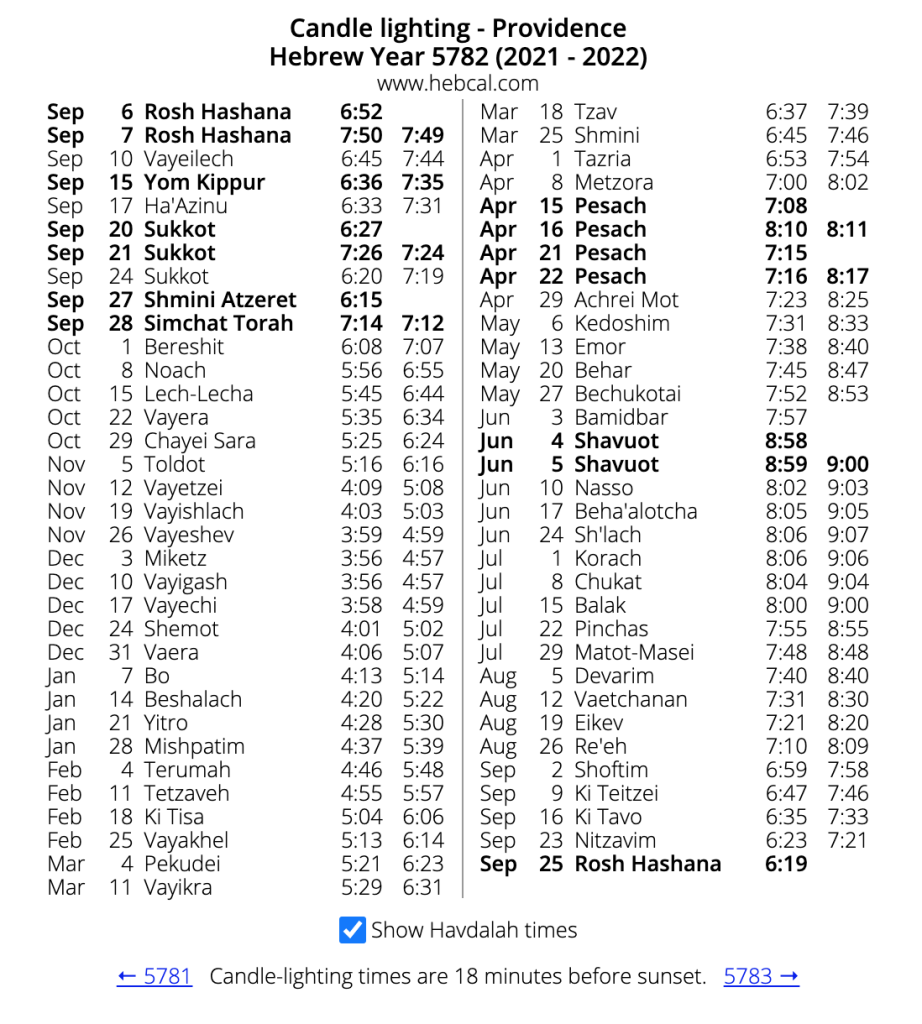
This sun-dependent schedule means that Shabbat start and end times fluctuate significantly throughout the year. In winter, when days are short, Shabbat begins much earlier in the afternoon, sometimes as early as 4:00 PM or 4:30 PM. Conversely, during the long summer days, Shabbat may not begin until 8:00 PM or even later. This variability necessitates checking specific times for each week, a practice that becomes second nature for observant Jews and a crucial detail for travelers.
Shabbat in the Big Apple: Timing and Practicalities for Visitors
New York, with its vast Jewish population and diverse communities, offers a unique environment for observing Shabbat. From the historic synagogues of the Lower East Side to the bustling kosher eateries of Brooklyn, the city provides ample resources for a Shabbat-observant visitor. However, the sheer size and pace of the city also present unique challenges, particularly concerning travel and accessibility during the Sabbath.
Calculating Candle Lighting Times in New York
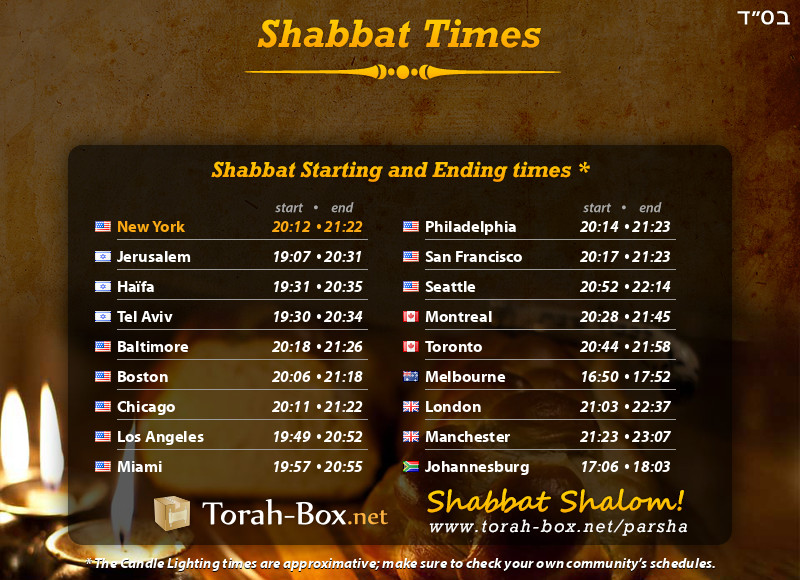
For travelers in New York, pinpointing the exact Shabbat candle lighting time is paramount. These times are precisely calculated based on the city’s geographical coordinates and the seasonal position of the sun. While the 18-minute pre-sunset rule is standard, variations can exist between communities or specific rabbinic opinions, sometimes ranging from 18 to 20 minutes before sunset.
Numerous resources are available to find accurate candle lighting times for New York:
- Online Jewish Calendars: Websites like Chabad.org, Hebcal.com, and Aish.com offer free, customizable Jewish calendars that provide precise Shabbat times for any given location and date.
- Local Synagogues: Many synagogues in New York publish weekly Shabbat times on their websites or bulletin boards. Reaching out to a local synagogue in the neighborhood you plan to stay in can also connect you with community resources.
- Jewish News Publications: Local Jewish newspapers often list candle lighting times for the upcoming Shabbat.
- Mobile Apps: Several mobile applications are designed specifically to provide Jewish calendar information, including daily and weekly Shabbat times, often with location-based services.
For instance, in December, around the shortest day of the year, candle lighting in New York might be as early as 4:15 PM, while in late June, near the summer solstice, it could be as late as 8:20 PM. This wide range emphasizes the importance of checking current times weekly.
Observing Shabbat as a Traveler in New York
Observing Shabbat in New York requires thoughtful preparation, especially concerning transportation, food, and activities.
- Transportation: During Shabbat, observant Jews refrain from driving or using public transportation. This means if you arrive on a Friday, you must complete your travel to your accommodation before candle lighting. Walking becomes the primary mode of transit for 25 hours. When choosing a hotel, proximity to a synagogue or a Jewish community is often a key consideration. Manhattan neighborhoods like the Upper West Side or Upper East Side, as well as parts of Brooklyn like Crown Heights or Borough Park, are particularly walkable and rich in Jewish life.
- Food: Ensuring access to kosher food for Shabbat meals is another practical concern. Many hotels do not offer kosher catering, making pre-arrangements essential. New York boasts an extensive network of kosher restaurants, caterers, and supermarkets, especially in areas with large Jewish populations. It’s often possible to pre-order Shabbat meals for pick-up or delivery before Friday sundown.
- Activities: Shabbat is a time for rest and spiritual engagement, not tourism in the conventional sense. Museums, theaters, and many attractions are typically off-limits. However, attending synagogue services offers a unique cultural and spiritual experience, providing insight into local Jewish life. Walking through residential neighborhoods, enjoying parks like Central Park (prior to Shabbat), or simply relaxing in your accommodation can be part of a restful Shabbat.
Navigating New York for a Shabbat-Friendly Experience
For a seamless Shabbat experience in New York, strategic planning of your accommodation, dining, and cultural exploration is vital. The city, being a global hub of diverse cultures, is surprisingly accommodating once you know where to look.
Accommodation Choices for Shabbat Observers
Selecting the right accommodation is perhaps the most critical decision for a Shabbat-observant traveler. Many mainstream hotels, especially those catering to business or luxury travel, may not inherently be Shabbat-friendly. However, some have adapted their services to meet the needs of their Jewish clientele.
When booking a hotel in New York, inquire about the following:
- Traditional Keys: Electronic key cards are problematic on Shabbat. Ask if the hotel can provide a traditional, non-electronic key.
- Shabbat Elevators: In multi-story buildings, operating an elevator is considered work. Some larger hotels, particularly in areas with significant Jewish populations, offer “Shabbat elevators” that automatically stop on every floor, allowing guests to use them without pressing buttons. Hotels like the Grand Hyatt Hotel or the Marriott Marquis might have such facilities, but it’s crucial to confirm in advance.
- Proximity to Synagogues and Kosher Food: Staying within walking distance of a synagogue and kosher dining options minimizes logistical challenges. Neighborhoods like the Upper West Side, Midtown East, and parts of Brooklyn are excellent choices.
- Room Amenities: Consider if the hotel can disable automatic lights in the room, particularly in the bathroom, or provide a low-wattage nightlight for the duration of Shabbat.
- Hotel Examples: While specific Shabbat-friendly features vary, some luxury establishments like The Plaza Hotel or the Waldorf Astoria New York (upon reopening) are known for their willingness to accommodate specific guest requests. Boutique hotels in Jewish neighborhoods may also be more attuned to these needs. Alternatively, renting an apartment in a Jewish area through platforms that allow direct communication with hosts can sometimes offer more flexibility.
Dining and Culinary Experiences
New York is a culinary paradise, and its kosher scene is no exception, offering everything from gourmet dining to casual delis.
- Kosher Restaurants: Explore the diverse kosher restaurant landscape. Manhattan features upscale kosher dining in areas like the Upper East Side and Midtown. Brooklyn is a stronghold of kosher cuisine, with neighborhoods like Borough Park, Flatbush, and Williamsburg boasting an incredible array of eateries, from traditional Ashkenazi fare to modern Israeli and Asian fusion.
- Pre-Ordered Shabbat Meals: Many kosher caterers and even some synagogues offer pre-ordered Shabbat meals that can be picked up before Friday sundown. This is an excellent option if your accommodation doesn’t offer kosher food or if you prefer dining privately.
- Kosher Supermarkets: Stores like Morton Williams, Key Food, and many smaller, independent grocery stores throughout New York have extensive kosher sections, allowing you to purchase snacks and ingredients if you have access to a kitchenette.
Exploring Jewish Heritage and Culture
Beyond the practicalities, New York offers unparalleled opportunities to immerse oneself in Jewish heritage and culture, even within the confines of Shabbat observance.
- Synagogues: Attending a synagogue service is a profound way to connect with the local community and experience the spiritual essence of Shabbat. New York is home to thousands of synagogues, each with its unique style and community. Notable historic synagogues include the Eldridge Street Synagogue on the Lower East Side (offering tours before Shabbat, though not during services) and Central Synagogue in Midtown.
- Museums (Pre-Shabbat): While closed on Shabbat, several museums offer deep dives into Jewish history and culture during the week. The Jewish Museum on the Upper East Side and the Museum of Jewish Heritage in Battery Park City are exceptional institutions that provide valuable context to the Jewish experience.
- Neighborhood Walks: Before Shabbat begins, explore historically Jewish neighborhoods. The Lower East Side still retains much of its immigrant charm, with historic tenement buildings and synagogues. Crown Heights in Brooklyn offers a vibrant glimpse into Chabad-Lubavitch life, while Borough Park is home to a large Hasidic community. Observing these communities prepare for Shabbat on a Friday afternoon offers a truly authentic New York experience.
Beyond the Clock: Embracing the Shabbat Lifestyle in New York
Beyond merely knowing the start time, truly embracing Shabbat in New York involves a shift in mindset, transforming a regular travel itinerary into a unique cultural immersion. It’s an opportunity to experience a different pace of life, even if just for a day, in one of the world’s fastest cities.
The Spiritual and Communal Aspect
For many, Shabbat is defined by its communal aspect. Attending a synagogue service in New York offers a chance to engage with locals, hear traditional prayers, and perhaps even share a Kiddush (light refreshments) afterward. These gatherings are not just religious rites; they are social events, cementing community bonds. Some communities also organize communal Shabbat meals, welcoming guests and travelers, which can be an incredibly enriching experience. This spiritual pause allows for reflection, learning, and connection, elements often lost in the whirlwind of sightseeing.
Planning Your New York Itinerary Around Shabbat
Strategic planning ensures that your New York visit is both fulfilling and respectful of Shabbat. Dedicate Friday morning and early afternoon to visiting major landmarks and attractions that might be inaccessible on Shabbat, such as the Statue of Liberty, Empire State Building, or various museums. Ensure you are back at your accommodation well before candle lighting time. Saturday can then be spent in quieter, reflective ways: walks in parks, attending services, or enjoying pre-prepared meals. Once Shabbat concludes on Saturday night, the city reawakens with countless entertainment options, from Broadway shows to live music venues, allowing you to seamlessly transition back into the vibrant New York nightlife.
A Unique Perspective on Travel
Observing Shabbat while traveling to New York offers a unique perspective on the city and on travel itself. It encourages a slower pace, forcing you to step back from the usual tourist hustle and engage with your surroundings in a more thoughtful way. It can transform a typical sightseeing trip into a journey of cultural discovery and personal reflection, fostering a deeper appreciation for the traditions and communities that thrive within the metropolis. Whether you are deeply observant or simply curious about Jewish culture, understanding and planning for Shabbat in New York will undoubtedly enrich your travel experience, offering a serene counterpoint to the city’s ceaseless energy.
LifeOutOfTheBox is a participant in the Amazon Services LLC Associates Program, an affiliate advertising program designed to provide a means for sites to earn advertising fees by advertising and linking to Amazon.com. Amazon, the Amazon logo, AmazonSupply, and the AmazonSupply logo are trademarks of Amazon.com, Inc. or its affiliates. As an Amazon Associate we earn affiliate commissions from qualifying purchases.