
For global investors, financial professionals, and curious travelers alike, understanding the operational hours of the world’s most iconic financial marketplace is key. The New York Stock Exchange (NYSE), a cornerstone of the global economy located in the bustling Financial District of Lower Manhattan, operates on a precise schedule that dictates the rhythm of markets worldwide. So, to answer the question directly: The New York Stock Exchange officially closes at 4:00 PM Eastern Standard Time (EST) on regular trading days.
This closing bell not only marks the end of a day’s intense trading but also signals a shift in the vibrant energy of Wall Street. For those planning a trip to New York City, whether for business or leisure, knowing these hours can significantly influence your itinerary, allowing you to witness the area’s unique pulse or explore its historical landmarks during quieter times. This article delves into the NYSE’s schedule, its global impact, and how a visit to this monumental site can enrich your travel experience, blending the worlds of finance, history, and urban exploration.

The Daily Rhythm of Global Finance: NYSE Trading Hours Explained
The New York Stock Exchange has a structured schedule that governs its daily operations, influencing financial decisions and market movements across continents. Understanding these hours is crucial, not just for traders, but for anyone who wishes to grasp the immense scale and precision of global capitalism that unfolds daily at this historic institution.
Standard Trading Hours: The Core of Market Activity
The core trading session at the New York Stock Exchange runs from 9:30 AM to 4:00 PM EST, Monday through Friday. These hours represent the most active period for buying and selling stocks, ETFs (Exchange Traded Funds), and other securities. During this six-and-a-half-hour window, the trading floor, though largely automated today, remains a symbol of dynamic interaction, even as most transactions occur electronically.
For a traveler, visiting the Financial District during these hours offers a glimpse into the frenetic energy that defines New York City’s economic engine. While public access to the actual trading floor is restricted, the atmosphere outside the historic NYSE building on Wall Street is palpable. The rush of suited professionals, the iconic architecture, and the sense of history converging with modern finance create a unique backdrop for sightseeing. Imagine grabbing a coffee from a local cafe and watching the professionals, briefcases in hand, navigate the historic streets, a scene that epitomizes the “business stay” aspect of urban travel.
Exploring Extended Hours: Pre-Market and After-Hours Trading
While the regular session commands the most attention, the New York Stock Exchange also accommodates trading outside these standard hours. These extended sessions are known as pre-market trading and after-hours trading.
- Pre-Market Trading: This typically begins as early as 4:00 AM EST and runs until the market opens at 9:30 AM EST. During this period, institutional investors, professional traders, and sophisticated individual investors can execute trades, often reacting to overnight news or earnings reports released before the market officially opens. The volume of trading is generally lower than during regular hours, and liquidity can be more limited.
- After-Hours Trading: Following the closing bell at 4:00 PM EST, after-hours trading can extend until 8:00 PM EST or even later, depending on the platform. Similar to pre-market trading, this allows participants to react to news that breaks after the market closes, such as late-day earnings announcements or geopolitical developments.
For the casual observer or traveler, these extended hours might not be directly visible in the bustling street scenes of the Financial District. However, understanding their existence provides a more complete picture of how continuously active global financial markets truly are, often without pause, across different time zones. It’s a testament to the 24/7 nature of modern finance and the interconnectedness of economies worldwide, an important consideration for business travelers whose schedules might revolve around global market shifts.
Navigating Market Holidays and Special Closures
The New York Stock Exchange observes all United States federal holidays, and there are specific dates when the market is either fully closed or operates on a shortened schedule. These closures are important for travelers to note, as they might impact the overall atmosphere and the availability of certain financial-themed attractions in the district.
Typical full market holidays include:
- New Year’s Day
- Martin Luther King, Jr. Day
- Presidents’ Day
- Good Friday
- Memorial Day
- Juneteenth National Independence Day
- Independence Day
- Labor Day
- Thanksgiving Day
- Christmas Day
Additionally, the NYSE sometimes has early closures on days preceding holidays, such as the day after Thanksgiving Day or Christmas Eve, when trading might conclude at 1:00 PM EST. It’s always advisable to check the official NYSE holiday calendar if your visit to New York City coincides with a major holiday, especially if your interest lies in experiencing the bustling trading environment. On these quieter days, the Financial District offers a different, more serene charm, allowing for a relaxed exploration of its architecture and historical sites without the usual weekday rush.
Beyond the Trading Floor: Experiencing the Financial District as a Traveler
The appeal of the Financial District extends far beyond its market hours. This historic neighborhood is a treasure trove of landmarks, architectural marvels, and cultural experiences, making it a prime destination for any New York City itinerary. From iconic statues to solemn memorials, the area offers a rich tapestry for travelers interested in history, architecture, and the vibrant pulse of urban life.
Iconic Landmarks and Historical Echoes of Lower Manhattan
A walk through the Financial District is a journey through time, revealing layers of American history and global commerce.
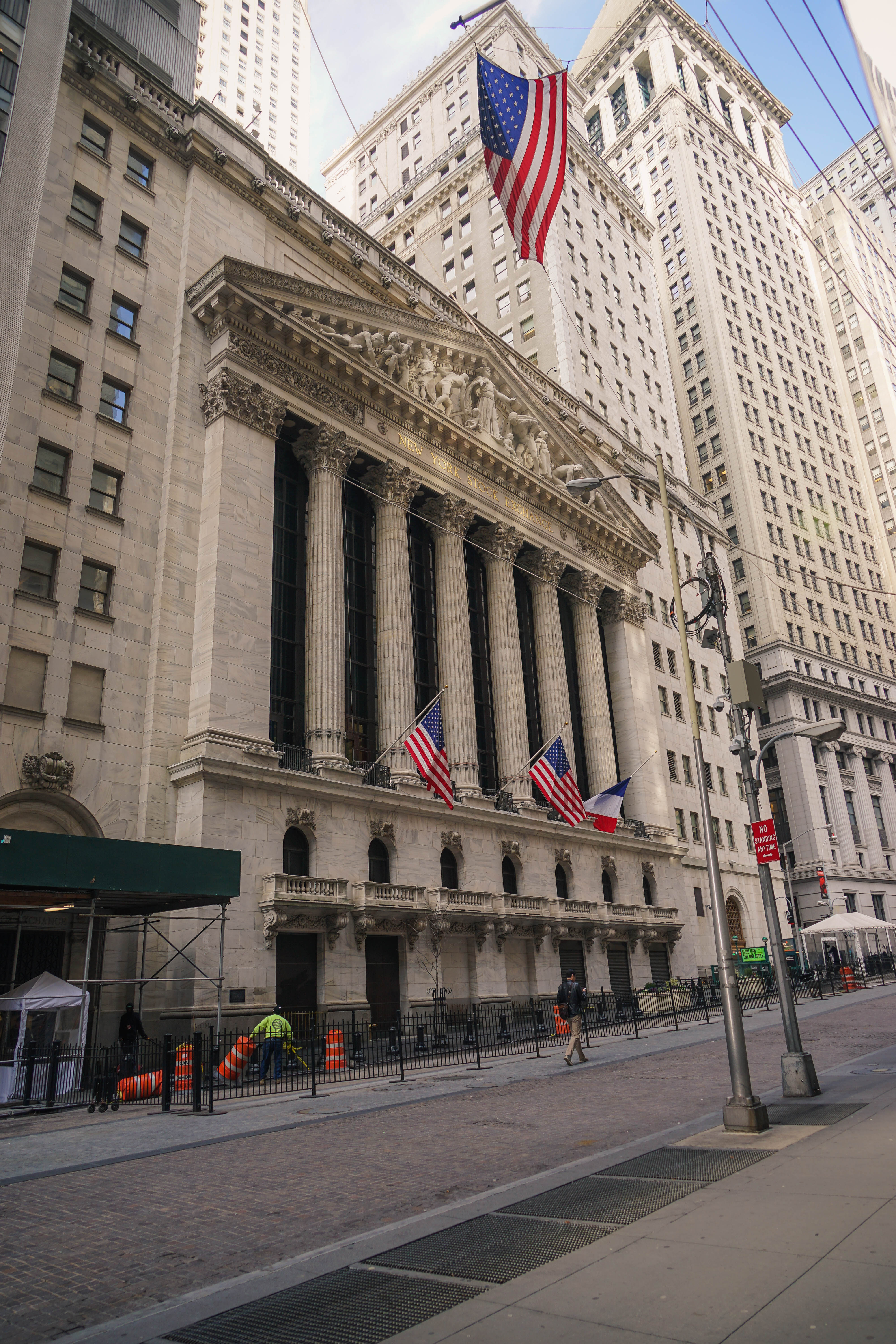
- The New York Stock Exchange Building: Even without direct access to the trading floor, the edifice itself, with its grand Beaux-Arts façade at 11 Wall Street, is an awe-inspiring sight. Its Corinthian columns and flag-draped exterior speak volumes about its enduring legacy.
- Federal Hall National Memorial: Directly opposite the NYSE building stands Federal Hall National Memorial, the site where George Washington took the oath of office as the first president of the United States and where the Bill of Rights was proposed. Its impressive architecture and historical significance make it a must-visit landmark.
- The Charging Bull: Just a short walk away, near Bowling Green Park, you’ll find the famous Charging Bull statue. This bronze sculpture, symbolizing aggressive financial optimism and prosperity, is a popular photo opportunity for tourists and a powerful emblem of Wall Street’s spirit.
- The Fearless Girl: Originally facing the Charging Bull, the Fearless Girl statue now stands proudly outside the New York Stock Exchange, symbolizing female empowerment and leadership in the corporate world. It’s a poignant and inspiring piece of public art that adds a modern narrative to the district’s historical landscape.
- 9/11 Memorial & Museum and One World Observatory: A short distance north, the solemn and moving 9/11 Memorial & Museum stands as a testament to resilience and remembrance. Adjacent to it, One World Observatory offers breathtaking panoramic views of New York City, the Hudson River, and beyond, providing a spectacular perspective on the urban sprawl that includes the Financial District.
- Trinity Church and St. Paul’s Chapel: These historic churches offer serene respites from the urban intensity. Trinity Church, with its gothic revival architecture, houses an ancient cemetery where notable Americans like Alexander Hamilton are buried. St. Paul’s Chapel, Manhattan‘s oldest public building in continuous use, served as a relief center after 9/11.
These landmarks provide not just photo opportunities, but deep dives into the history, culture, and resilience of New York City, appealing to all types of travelers, from history buffs to those simply seeking to absorb the local culture.
Planning Your Visit: Timing Your Exploration of Wall Street
The timing of your visit to the Financial District can significantly shape your experience.
- During Market Hours (9:30 AM – 4:00 PM EST): This is when the district is at its most vibrant and energetic. The streets are bustling with business professionals, reflecting the fast-paced financial world. While you can’t enter the NYSE, the atmosphere on Wall Street is uniquely exhilarating. This time is ideal for those who want to feel the pulse of the financial world and witness the urban lifestyle of business Manhattan.
- After Market Hours (After 4:00 PM EST): Once the closing bell rings, the intensity gradually dissipates. The streets become less crowded, offering a more relaxed environment for exploring the landmarks. Many historical sites and museums remain open into the early evening, making it a perfect time for a leisurely stroll, enjoying the architecture, and perhaps a sunset view from a nearby pier or the One World Observatory. This period is especially suitable for a “luxury travel” experience where you can enjoy the district’s high-end dining and accommodation without the daytime rush.
- Weekends and Holidays: On weekends and market holidays, the Financial District transforms into a quiet, almost serene neighborhood. This is an excellent time for travelers seeking a peaceful exploration of the historical sites, allowing ample time for photography and soaking in the rich history without the weekday hustle. It also offers a different perspective for “family trips,” as the area is less overwhelming for children.
Combining a visit during market hours with after-hours exploration or a weekend trip can provide a comprehensive understanding of this dynamic area’s multifaceted character.
Culinary Journeys and Premier Stays in the Heart of Finance
The Financial District is not just about finance and history; it’s also a burgeoning hub for exquisite dining and sophisticated accommodation, catering to a diverse range of travelers from business executives to leisure seekers.
- Dining Experiences: From quick-service delis catering to the busy office crowd to upscale restaurants offering gourmet cuisine, the Financial District’s culinary scene is vibrant. Enjoy fresh seafood at Stone Street, a historic cobblestone lane lined with outdoor dining options, or indulge in modern American fare at high-end establishments. Many restaurants offer excellent pre-fixe lunch options during market hours and transform into elegant dinner spots in the evening. For those interested in “local culture” through food, exploring the diverse range of eateries is a must.
- Accommodation Options: The area boasts an impressive array of hotels, from luxurious five-star resorts to comfortable boutique hotels, perfect for various travel styles, including “luxury travel” and “business stays.”
- The Wall Street Hotel: Offers sophisticated design and premium amenities, ideal for those seeking an elegant stay.
- Conrad New York Downtown: Known for its spacious suites and stunning views of the Hudson River and Statue of Liberty, perfect for extended stays or family trips.
- Four Seasons Hotel New York Downtown: Provides unparalleled luxury and service, embodying the ultimate in high-end accommodation.
- W New York – Downtown: A stylish option with modern amenities, appealing to younger travelers and those seeking a trendy vibe.
- Club Quarters Hotel Wall Street: Offers convenient and comfortable stays, often catering to business travelers with a focus on value.
These accommodations offer not just a place to sleep but an integral part of the New York City experience, often featuring fitness centers, fine dining within the hotel, and concierge services to help navigate the city. Whether you’re seeking opulence or efficiency, the Financial District provides a base that combines historical charm with modern convenience.
The New York Stock Exchange: A Symbol, a Destination, a Lifestyle
The New York Stock Exchange is more than just a place where stocks are traded; it is a powerful symbol, a significant travel destination, and a central element of the New York City lifestyle. Its influence permeates finance, culture, and even the daily routines of millions.
A Global Beacon of Commerce and Its Cultural Footprint
Since its founding in 1792 under a buttonwood tree, the New York Stock Exchange has evolved into the world’s largest stock exchange by market capitalization, serving as a vital engine for economic growth and a barometer of global financial health. Its iconic opening and closing bells resonate far beyond Wall Street, signaling the start and end of trading for economies across the globe. This institution symbolizes American capitalism, innovation, and opportunity, attracting businesses and investors from every corner of the world.
Culturally, the NYSE and its surrounding Financial District have permeated popular culture, appearing in countless films, television shows, and books. This portrayal has cemented its image as a place of immense power, ambition, and drama. Visiting this site allows travelers to step into this rich narrative, observing where historical decisions were made and where the future of global commerce continues to be shaped. It’s an experience that transcends mere sightseeing, offering insights into the very fabric of modern society.
Integrating Finance into Your New York City Travel Itinerary
For many, a trip to New York City is about Broadway shows, museum visits, and exploring Central Park. However, integrating a visit to the Financial District into your itinerary offers a unique and enriching perspective, especially for those interested in history, economics, or even just the vibrant pulse of urban life.
Consider starting your day with a morning coffee in the Financial District as the market opens, feeling the rush of activity. Then, explore historical sites like Federal Hall National Memorial and Trinity Church, immersing yourself in the nation’s founding stories. After the NYSE closes at 4:00 PM EST, the area shifts, becoming ideal for a leisurely walk to the 9/11 Memorial & Museum or a sunset cocktail with views of the Statue of Liberty from One World Observatory. This blend of financial insight, historical depth, and breathtaking views makes for a comprehensive and unforgettable New York City experience. It’s an opportunity to delve into the business side of the city while still enjoying its world-class attractions, appealing to a “lifestyle” traveler who seeks depth and unique experiences.
Maximizing Your Financial District Experience
To truly appreciate the unique character of the Financial District and its centerpiece, the New York Stock Exchange, it’s beneficial to plan your visit strategically. This approach allows you to engage with the area’s history and dynamism fully, whether you are on a budget travel adventure or a luxury escape.
Nearby Attractions to Complement Your Visit
The Financial District’s prime location in Lower Manhattan places it within easy reach of numerous other iconic New York City attractions, allowing for seamless transitions between different facets of your travel experience.
- Statue of Liberty & Ellis Island: Just a short ferry ride from Battery Park, which is at the southern tip of the Financial District, you can visit the Statue of Liberty and Ellis Island. These national treasures offer profound insights into American history and immigration.
- Brooklyn Bridge: Walk across the magnificent Brooklyn Bridge for spectacular views of the Manhattan skyline and the East River. The entrance to the pedestrian walkway is easily accessible from the Financial District.
- South Street Seaport Museum: Explore the maritime history of New York City at the South Street Seaport Museum, home to historic ships and exhibitions. The rejuvenated seaport area also offers unique shopping and dining options.
- Governors Island: During warmer months, take a short ferry to Governors Island for outdoor activities, art installations, and breathtaking views back towards Manhattan and the Statue of Liberty.
These nearby attractions make it easy to dedicate a full day or even several days to exploring Lower Manhattan and its rich offerings, moving from financial landmarks to historical monuments and scenic vistas.
Insider Tips for a Seamless Exploration
To enhance your visit to the Financial District and the New York Stock Exchange area, consider these practical tips:
- Walk or Use Public Transport: The Financial District is best explored on foot. Wear comfortable shoes as you’ll be doing a lot of walking. The area is also well-served by subway lines (2, 3, 4, 5, J, Z, R, W), making it easy to access from anywhere in Manhattan.
- Book Accommodations in Advance: If you plan to stay in the Financial District – highly recommended for business travelers or those seeking luxury experiences – booking hotels like The Wall Street Hotel or Conrad New York Downtown well in advance is advisable, especially during peak seasons.
- Consider a Guided Tour: For a deeper understanding of the area’s history and its financial significance, consider joining a guided Wall Street walking tour. Knowledgeable guides can bring the stories of Federal Hall, the NYSE, and other landmarks to life.
- Eat Like a Local: Explore the numerous delis, food trucks, and casual eateries that cater to the local workforce for a true taste of New York City at reasonable prices, embodying “budget travel” culinary experiences.
- Security Measures: Be aware that the Financial District has a visible security presence, especially around the NYSE and other government buildings. Respect any signage or instructions from security personnel.
By keeping these tips in mind, you can ensure a smooth, enjoyable, and insightful visit to one of the world’s most dynamic and historically rich neighborhoods.
In conclusion, while the answer to “What time does the New York Stock Exchange close?” is a straightforward 4:00 PM EST, the implications of this schedule, and the vibrant ecosystem surrounding it, offer a wealth of experiences for any traveler. From witnessing the bustling market activity to exploring profound historical landmarks and enjoying premier urban amenities, the Financial District in New York City is a destination that truly encapsulates the diverse spirit of travel, accommodation, tourism, and lifestyle that modern explorers seek. Plan your visit thoughtfully, and discover the layers of history, finance, and culture that make this iconic neighborhood a truly unforgettable part of your Big Apple adventure.