
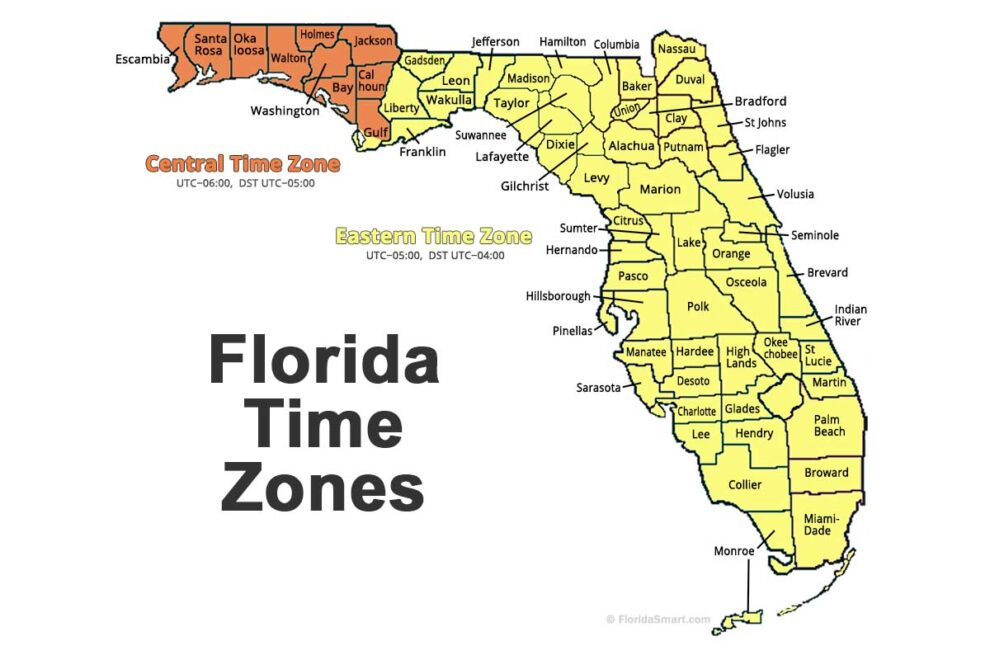
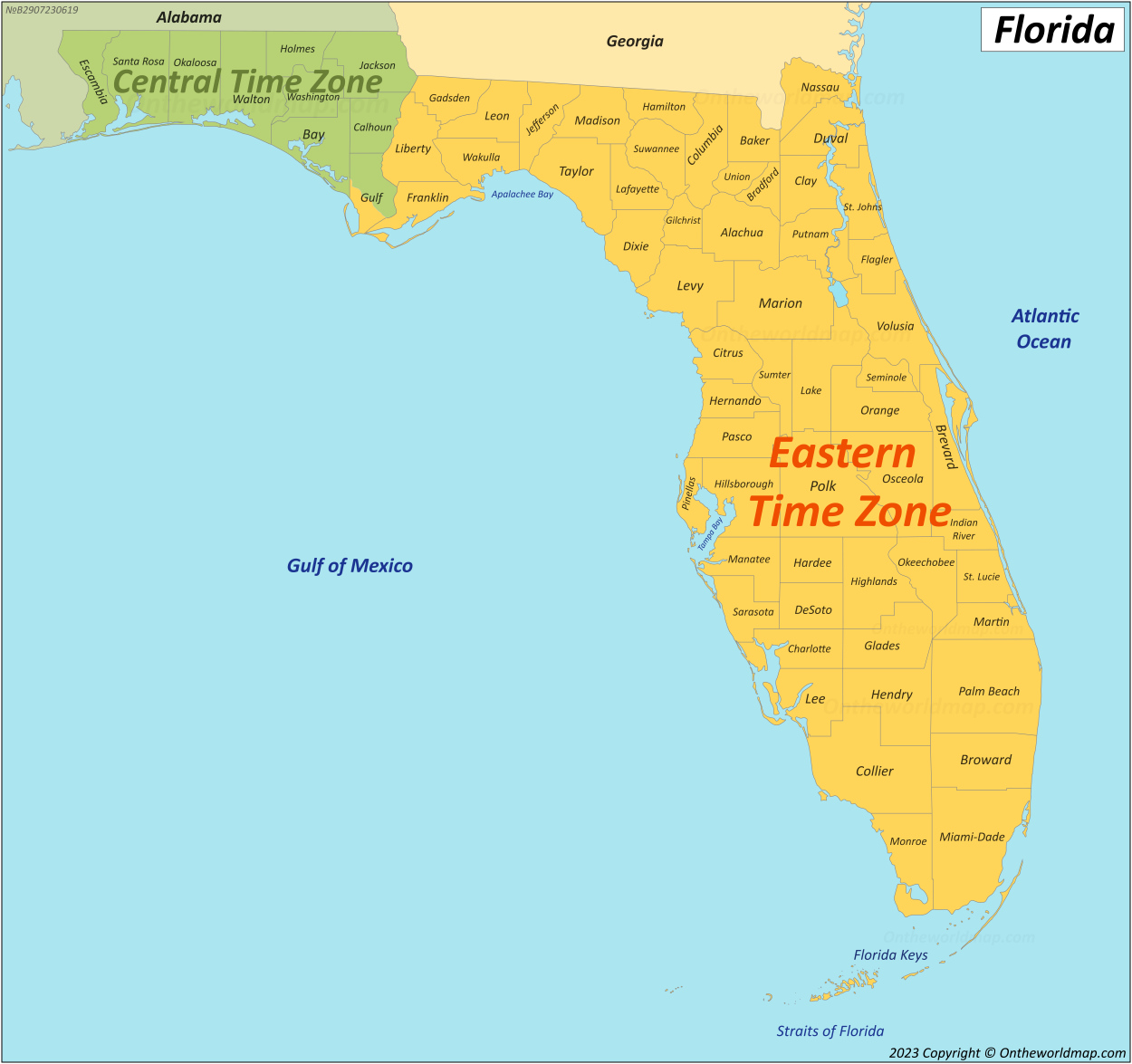
For anyone planning a trip, coordinating a business call, or simply curious about the rhythm of the Sunshine State, knowing “What time in Florida right now?” is far more than a simple query. It’s the gateway to understanding the pulse of this vibrant destination, influencing everything from seamless travel plans and hotel check-ins to optimizing your experiences at world-famous attractions and enjoying local culture. Florida, a sprawling peninsula renowned for its diverse landscapes, from the bustling cities of Miami and Orlando to the tranquil beaches of the Emerald Coast and the historic charm of St. Augustine, observes two different time zones. Most of the state operates on Eastern Time Zone (ET), while a portion of its western Panhandle region, near the border with Alabama, falls into the Central Time Zone (CT). This distinction, while minor, carries significant implications for travelers and residents alike.
Understanding these time nuances is crucial for crafting a flawless itinerary, ensuring you arrive on time for your Walt Disney World Resort reservation, catch that sunset cruise from Key West, or make your connecting flight from Tampa to another United States destination. This article delves into the practicalities of Florida’s time zones, offering insights into how this seemingly simple question can unlock a more organized, enjoyable, and enriching travel experience across the entire state, aligning with our focus on travel, accommodation, tourism, landmarks, and lifestyle.
Navigating Florida’s Time Zones: More Than Just the Current Hour
At first glance, checking the time seems straightforward. However, for a state as large and popular with tourists as Florida, a deeper understanding of its time divisions is essential. It’s not just about setting your watch; it’s about setting your expectations and planning your activities effectively.
The Eastern vs. Central Divide: What You Need to Know
The vast majority of Florida, including major hubs like Orlando, Miami, Jacksonville, Tampa, and the entire Florida Keys, observes the Eastern Time Zone. This means they are typically five hours behind Coordinated Universal Time (UTC-5) during Standard Time (Eastern Standard Time or EST) and four hours behind (UTC-4) during Daylight Saving Time (Eastern Daylight Time or EDT).
However, a significant portion of Florida’s Panhandle operates on Central Time Zone. Specifically, counties west of the Apalachicola River, including Bay County (home to Panama City Beach), Escambia County (featuring Pensacola), Okaloosa County (Fort Walton Beach), and Walton County (Santa Rosa Beach), adhere to Central Time. This means they are one hour behind the rest of Florida. For example, if it’s 3:00 PM in Orlando, it’s 2:00 PM in Pensacola. This time shift is crucial when traveling between these regions, especially if you have tightly scheduled appointments or connections. A missed flight or a late check-in could easily stem from overlooking this one-hour difference.
Daylight Saving Time: Staying Ahead of the Clock
Like most of the United States, Florida observes Daylight Saving Time, typically from the second Sunday in March to the first Sunday in November. During this period, clocks “spring forward” an hour, moving from Standard Time to Daylight Time. While this provides more daylight in the evenings, it can sometimes cause confusion, particularly for international travelers or those arriving from areas that do not observe Daylight Saving Time.
For travelers, verifying whether Florida is on EST or EDT (or CST or CDT in the Panhandle) is a simple but important step. Most smartphones and digital devices automatically adjust, but it’s always wise to double-check, especially if you’re relying on printed itineraries or older schedules. This small act of vigilance can prevent significant inconveniences and ensure your travel plans remain perfectly synchronized.
Timing Your Florida Adventure: Optimizing Your Travel Experience
Beyond simply knowing the current time, strategically considering time in Florida plays a pivotal role in optimizing your entire travel experience. From booking flights to enjoying attractions, every aspect of your trip can be enhanced by mindful timing.
Synchronizing for Seamless Travel: Flights, Check-ins, and Itineraries
When planning your journey to Florida, time coordination begins long before you even pack your suitcase. Booking flights, especially those with connections or arrivals at different airports within the state (e.g., flying into Tallahassee International Airport and then driving to Orlando International Airport), requires careful attention to time zones. Missing a connecting flight due to a time zone miscalculation is a common travel mishap that can be easily avoided. Similarly, confirming check-in and check-out times for your accommodation, be it a luxury resort in Naples, a cozy apartment in Sarasota, or a family villa near Kissimmee, is vital. Most hotels operate on a fixed schedule, and early arrivals or late departures without prior arrangement can incur additional fees or disrupt your plans.
Creating a detailed itinerary that accounts for potential time zone changes, travel time between destinations, and the operational hours of various attractions is key to a stress-free trip. For instance, a road trip from Miami up to St. Augustine requires a good understanding of travel duration, while a journey across the Panhandle might involve a quick clock adjustment.
Making the Most of Theme Parks and Attractions: Peak Hours and Showtime Planning
Florida is synonymous with world-class theme parks and attractions, particularly in Central Florida. At places like Walt Disney World Resort, Universal Orlando Resort, and SeaWorld Orlando, timing is everything. Understanding park opening and closing times, parade schedules, showtimes, and even ride wait times (which often fluctuate throughout the day) allows you to maximize your fun and minimize lines. Many parks offer early entry for resort guests, a prime example of how timing can enhance a luxury travel experience or a family trip.
Similarly, attractions beyond the theme parks, such as a visit to the Kennedy Space Center Visitor Complex on the Space Coast or an airboat tour in the Everglades National Park, have specific operational hours and optimal viewing times. Arriving too late could mean missing the last show or tour, while arriving too early might mean unnecessary waiting. Checking their current local time and operating schedules beforehand is indispensable.
Dining and Entertainment: Aligning with Local Rhythms
Experiencing Florida’s rich local culture often involves indulging in its diverse culinary scene and vibrant nightlife. Restaurants, especially popular ones in cities like Miami Beach or Fort Lauderdale, often require reservations, and punctuality is key. Understanding typical dining hours, from early bird specials to late-night suppers, helps you immerse yourself fully. In some areas, particularly tourist-heavy zones, restaurants might have extended hours, but local eateries might adhere to more traditional schedules.
For entertainment, whether it’s catching live music in Ybor City in Tampa, enjoying a Broadway show in Orlando, or exploring the art galleries in Gainesville, understanding event start times is critical. Nightlife in South Florida often kicks off later than in other parts of the country, reflecting a unique local rhythm. Being aware of these timings helps you plan your evenings effectively, ensuring you don’t miss out on local activities or cultural experiences.
Accommodation and Bookings: Time-Sensitive Decisions
The intricate dance of time deeply impacts your accommodation choices and booking strategies. From the moment you research potential stays to the final check-out, timing considerations are paramount for a smooth and comfortable experience.
Check-in/Check-out Times: Mastering Your Hotel Stay
Hotels, resorts, apartments, and villas across Florida all adhere to strict check-in and check-out times, which are invariably set according to their local time zone. Typically, check-in is in the afternoon (e.g., 3:00 PM or 4:00 PM), and check-out is in the late morning (e.g., 10:00 AM or 11:00 AM). These times are crucial for property management, allowing them to prepare rooms for new guests.
For travelers, especially those arriving on early flights or departing on late ones, understanding and planning around these times is essential. Many establishments, such as the Hyatt Regency Grand Cypress near Orlando or the beachfront resorts in South Beach, offer amenities like luggage storage or day-use facilities for guests with awkward schedules. Failing to coordinate your arrival or departure time with your accommodation’s policies can lead to unexpected waiting, inconvenience, or additional charges. Always confirm these details and, if needed, communicate your travel schedule with your host or front desk in advance.
The Urgency of Booking: When to Secure Your Spot
Timing also dictates the availability and pricing of accommodations. “When to book” is a question every savvy traveler asks. Peak seasons in Florida (like winter for snowbirds, spring break, or summer for family vacations) see increased demand, meaning hotels and vacation rentals fill up quickly and prices often escalate. For destinations such as Key West during Fantasy Fest or Orlando during major holiday weeks, booking many months in advance is not just recommended but often necessary to secure preferred rates and availability.
Comparison websites and booking platforms often highlight time-sensitive deals. Acting promptly on these can lead to significant savings, whether you’re looking for a luxury suite or a budget-friendly long-term stay. Conversely, last-minute bookings might present challenges, especially in popular areas, potentially limiting your choices or forcing you into higher-priced options. Time, in this context, translates directly into value and convenience.
Coordinating with Business or Family: Bridging Time Gaps
For business stays or family trips involving participants from different parts of the world, bridging time gaps becomes a critical logistical challenge. A business traveler from California (three hours behind Florida’s Eastern Time) scheduling a conference call with colleagues in Miami needs to be acutely aware of the time difference. Similarly, families coordinating a multi-generational reunion in a Florida villa may have members arriving from different time zones, requiring careful planning for meet-ups and activities. Clear communication about local time and respecting others’ time zones are vital for smooth coordination. Many online tools can assist with time zone conversions, making it easier to synchronize schedules across distances.
Beyond the Clock: Immersing in Florida’s Timeless Charm
While understanding the exact time is crucial for logistics, Florida also offers experiences that transcend the clock, inviting visitors to immerse themselves in its timeless natural beauty, rich history, and laid-back lifestyle.
Experiencing Florida’s Natural Wonders: Best Times for Exploration
Florida’s diverse natural landscapes offer countless opportunities for exploration, often best enjoyed at specific times of day or year. Sunrise on the Atlantic Coast (like in Cocoa Beach) and sunset on the Gulf Coast (such as in St. Pete Beach) are iconic experiences that require timing your presence perfectly. Wildlife viewing, particularly in protected areas like Everglades National Park or the Ding Darling National Wildlife Refuge on Sanibel Island, often yields the best results during early morning or late afternoon when animals are most active.
Furthermore, the “best time” to visit Florida for its beaches and outdoor activities often depends on the season. Winter offers cooler, drier weather ideal for hiking and exploring, while summer brings warmer temperatures perfect for swimming and water sports, albeit with higher humidity and the potential for afternoon thunderstorms. Understanding these seasonal rhythms allows travelers to align their visit with their preferred activities and make the most of Florida’s natural splendor.
Historical Landmarks: A Journey Through Time
Florida’s history is as rich and varied as its landscape, with numerous landmarks offering a glimpse into bygone eras. St. Augustine, the nation’s oldest continuously inhabited European-established settlement, provides a profound journey through time. Visiting the Castillo de San Marcos or exploring the Colonial Quarter transports visitors back centuries. Similarly, the Vizcaya Museum & Gardens in Miami offers a window into early 20th-century luxury, and the Art Deco Historic District on Miami Beach showcases a unique architectural period.
While these sites operate within modern time constraints (opening and closing hours), the experience they offer is one of stepping out of the present and into the past. Learning about their history, the architecture, and the stories embedded within their walls enriches the travel experience, connecting visitors to the enduring legacy of Florida.

Lifestyle and Leisure: Embracing the Florida Pace
Ultimately, a trip to Florida is about more than just checking off attractions; it’s about embracing a lifestyle. Whether it’s the high-energy luxury travel scene of South Florida, the laid-back charm of the Gulf Coast fishing villages, or the family-focused fun of Central Florida, the “pace” of life is an integral part of the experience. Time becomes less about minutes and hours, and more about savoring moments.
Budget travel often involves more self-catering and exploring free attractions, where flexibility with time can save money. Family trips demand careful scheduling to accommodate different age groups and energy levels. Business stays, while structured, still offer opportunities to unwind after hours. The beauty of Florida lies in its ability to cater to every lifestyle, allowing visitors to dictate their own pace and define their own precious moments, from a quiet morning coffee overlooking the ocean to a bustling evening at an outdoor festival.
In conclusion, while the simple question “What time in Florida right now?” has a direct answer dependent on your specific location and the observance of Daylight Saving Time, its implications for travel are vast and multifaceted. A thoughtful consideration of time zones, schedules, and local rhythms ensures that every aspect of your Florida adventure, from navigating its diverse destinations to enjoying its myriad attractions and comfortable accommodations, is as seamless and enjoyable as the Sunshine State itself.
LifeOutOfTheBox is a participant in the Amazon Services LLC Associates Program, an affiliate advertising program designed to provide a means for sites to earn advertising fees by advertising and linking to Amazon.com. Amazon, the Amazon logo, AmazonSupply, and the AmazonSupply logo are trademarks of Amazon.com, Inc. or its affiliates. As an Amazon Associate we earn affiliate commissions from qualifying purchases.