
Florida, often dubbed the “Sunshine State,” is a captivating tapestry of vibrant cities, pristine beaches, and world-renowned attractions, drawing millions of visitors from across the globe each year. From the magical theme parks of Orlando to the historic streets of St. Augustine and the tropical allure of the Florida Keys, this USA state offers an unparalleled array of experiences. However, for any traveler planning an unforgettable trip or business stay, one fundamental aspect that underpins all logistics and enjoyment is understanding the local time. “What time is it in Florida, USA?” is not just a simple question; it’s a critical piece of information that dictates everything from flight schedules and hotel check-ins to theme park opening hours and sunset viewing opportunities.
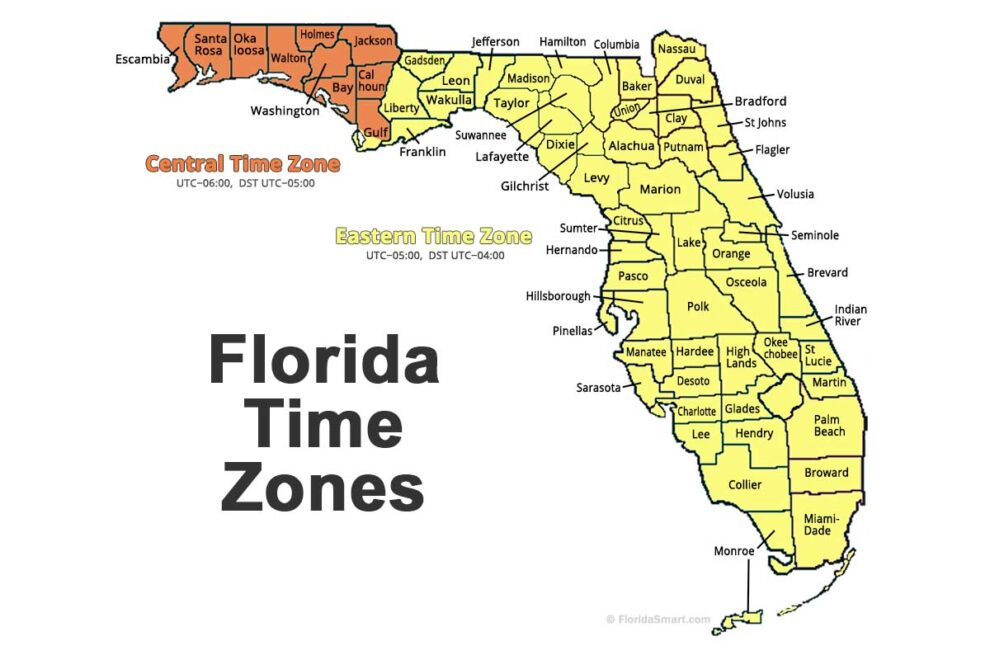
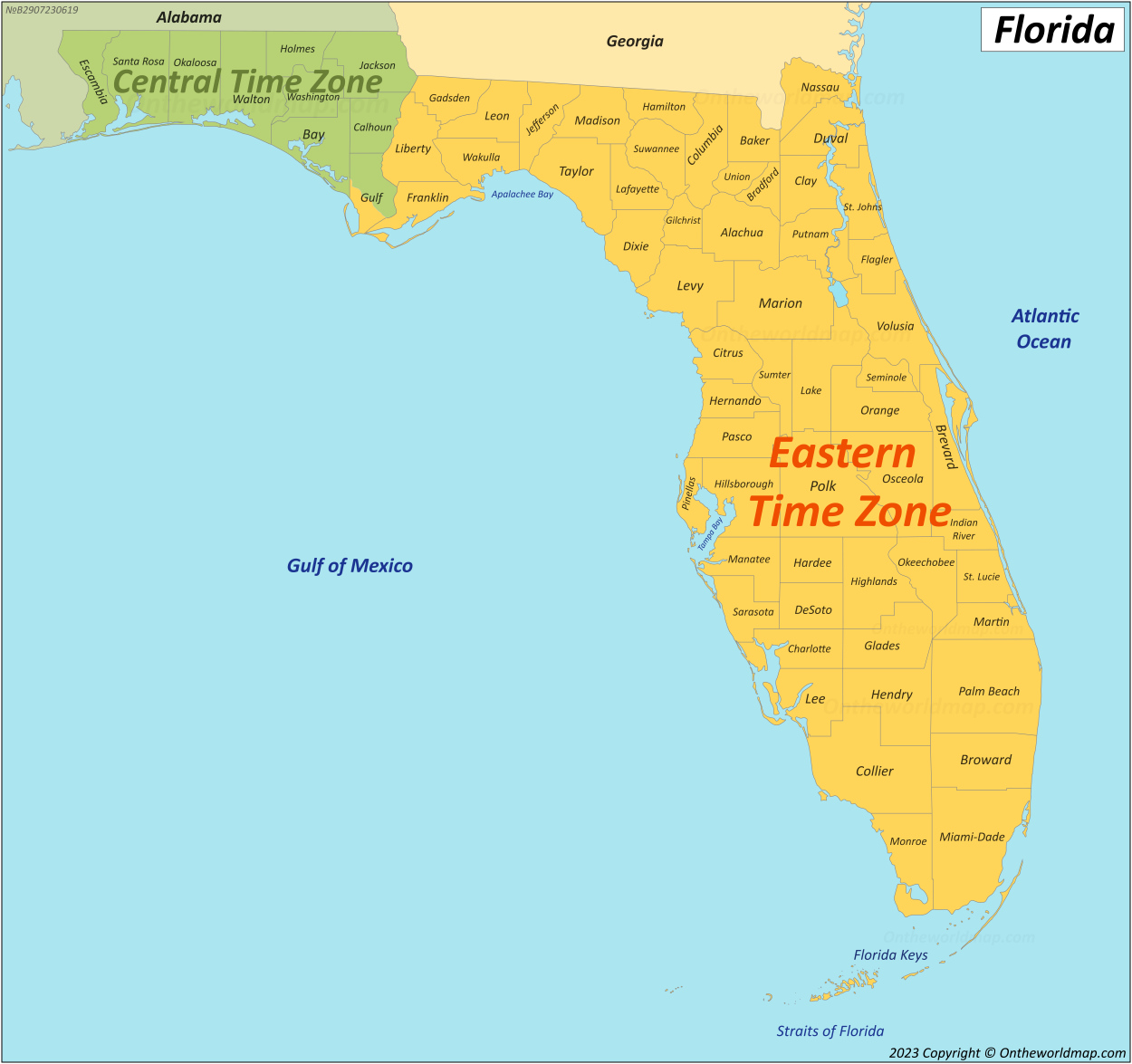
The vast majority of Florida operates on Eastern Time Zone (ET), which is UTC-5 during Standard Time and UTC-4 during Daylight Saving Time. This covers major travel hubs and tourist destinations like Miami, Orlando, Jacksonville, and Tampa. However, a crucial exception exists within the Florida Panhandle, where several western counties observe the Central Time Zone (CT), which is UTC-6 during Standard Time and UTC-5 during Daylight Saving Time. This seemingly minor detail can significantly impact travel plans, especially when traversing the state, making it imperative for visitors to be aware of the exact time zone their destination falls within. This article delves into the nuances of Florida’s time zones and explores how understanding them is crucial for a seamless and enriching travel experience, touching upon everything from accommodation logistics to maximizing your time at world-class attractions.
Navigating Florida’s Time Zones: An Essential Travel Guide
Understanding Florida’s geographical split across two time zones is the first step toward a well-planned trip. For first-time visitors or those planning a multi-city itinerary, recognizing where the time zone line falls can prevent confusion and ensure punctuality for all activities.
Eastern Time vs. Central Time: Where the Lines Are Drawn
The vast majority of Florida, including its most populous areas and popular tourist destinations, adheres to the Eastern Time Zone. This includes iconic cities such as Miami, home to the vibrant Art Deco Historic District and South Beach; Orlando, the theme park capital featuring Walt Disney World Resort and Universal Orlando Resort; and the historical gem of St. Augustine, boasting landmarks like the Castillo de San Marcos. Other major cities in the Eastern Time Zone include Fort Lauderdale, West Palm Beach, Key West, Tampa, Sarasota, and Jacksonville. Essentially, if you’re traveling anywhere along Florida’s Atlantic coast or most of its Gulf Coast south of the Panhandle, you’ll be on Eastern Time.
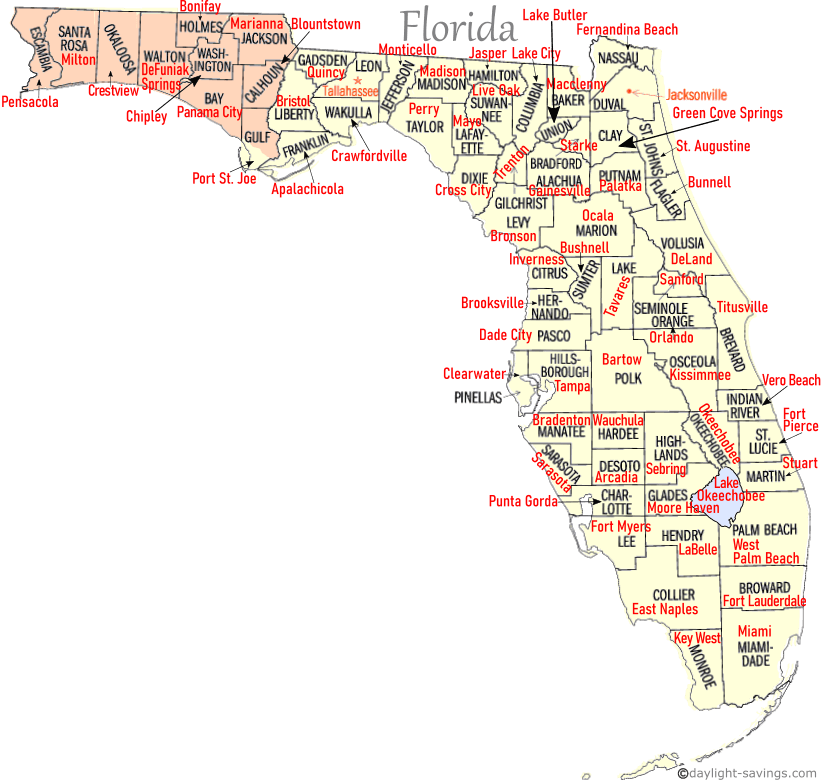
The exception lies in the western part of the Florida Panhandle. Specifically, the counties of Escambia, Santa Rosa, Okaloosa, and Walton observe the Central Time Zone. This means cities and popular beach destinations such as Pensacola, Destin, Fort Walton Beach, and most of Panama City Beach are an hour behind the rest of Florida. For instance, if it’s 3:00 PM in Orlando, it will be 2:00 PM in Pensacola. The time zone boundary roughly follows the Apalachicola River, with areas to its west falling into Central Time and those to its east in Eastern Time. Travelers driving across the Panhandle should be particularly mindful of this change to avoid missing appointments or check-in times.
Impact on Travel Planning and Logistics
The seemingly simple concept of time zones takes on significant importance when planning travel, booking accommodation, and coordinating activities. For instance, flights arriving at Pensacola International Airport (PNS) will adhere to Central Time, while flights into Orlando International Airport (MCO) or Miami International Airport (MIA) will be on Eastern Time. Mismatched expectations regarding arrival or departure times can lead to missed connections, additional fees for late check-ins at hotels or resorts, or even lost opportunities for pre-booked tours and experiences.
When booking hotels, apartments, or villas in different parts of Florida, always confirm the local time zone for check-in and check-out times. Websites and booking platforms generally display times in the local zone, but it’s always wise to double-check, especially if your itinerary involves moving between ET and CT areas. Furthermore, activities such as dinner reservations, guided tours in Everglades National Park, or even catching a space launch from Cape Canaveral are strictly timed to the local clock. Being off by an hour can disrupt your carefully curated itinerary and potentially lead to disappointment.
Time-Sensitive Experiences: Maximizing Your Florida Itinerary
Florida’s vibrant tourism scene offers countless experiences, many of which are best enjoyed or are strictly scheduled according to local time. From sunrise strolls to evening entertainment, understanding the clock is key to making the most of your trip.
Dawn to Dusk: Florida’s Iconic Attractions and Activities
The timing of your daily activities in Florida can significantly enhance your experience. Imagine catching the stunning sunrise over the Atlantic from Miami Beach or Daytona Beach – a moment best experienced shortly after dawn. For theme park enthusiasts heading to Walt Disney World Resort, Universal Orlando Resort, or Busch Gardens Tampa Bay, arriving right at park opening, known as “rope drop,” is a strategic move to beat the crowds and maximize ride time. These parks operate on Eastern Time, so planning your morning commute and breakfast accordingly is crucial.
Afternoons in Florida can be spent exploring diverse landmarks and attractions. A historical walking tour through St. Augustine or a visit to the Kennedy Space Center Visitor Complex requires adherence to operating hours, which are always presented in local time. Similarly, exploring the natural wonders of Everglades National Park with an airboat tour or kayaking through the Ten Thousand Islands depends on booking slots tied to the park’s local Eastern Time schedule. For those on Central Time in the Florida Panhandle, a visit to the National Naval Aviation Museum in Pensacola will follow their local Central Time hours.
As the day winds down, Florida offers spectacular sunsets, particularly over the Gulf of Mexico. Catching a sunset celebration in Key West’s Mallory Square, or a romantic dinner cruise from Anna Maria Island or Sarasota, requires precise timing to enjoy the golden hour. Evening entertainment, from Broadway shows in Tampa to the vibrant nightlife of Miami’s South Beach or Ybor City, also kicks off at specific local times. Don’t forget to factor in travel time to venues, especially if navigating bustling urban areas.
Local Events and Seasonal Considerations
Florida’s calendar is packed with local culture, festivals, sporting events, and seasonal activities. From the Winter Music Conference in Miami to the Epcot International Food & Wine Festival in Orlando, these events operate on local time schedules. Missing a concert or a parade because of a time zone miscalculation can be a significant letdown. Always double-check event schedules against your current location’s time.
Daylight Saving Time, which is observed across all of Florida from early March to early November, adds another layer of consideration. During this period, clocks spring forward by an hour, meaning later sunsets and more daylight for evening activities. This can be particularly beneficial for outdoor experiences like beach relaxation, nature walks, or al fresco dining. However, it also means an hour less of sleep when the change occurs, which weary travelers should anticipate. When Daylight Saving ends, clocks fall back, granting an extra hour but leading to earlier sunsets. These shifts can influence your travel planning, particularly for long-term stays or if your visit spans the changeover dates.
Accommodation and Time: Ensuring a Seamless Stay
The success of any trip often hinges on the comfort and convenience of your accommodation. Understanding how time influences hotel operations, from check-ins to amenities, is paramount for a smooth experience.
Hotel Check-ins, Check-outs, and Amenities
The standard check-in time for most hotels, resorts, apartments, and villas in Florida is typically between 3:00 PM and 4:00 PM local time, with check-out around 10:00 AM or 11:00 AM. Arriving significantly earlier or later than anticipated without prior arrangements can lead to complications. For instance, if you fly into Tampa (Eastern Time) at 10:00 AM and plan to drive to Destin (Central Time) for a 3:00 PM check-in, remember that upon crossing into the Central Time Zone, your clock will effectively go back an hour, giving you more driving time than you might initially assume. Conversely, driving from Destin to Tampa for a 3:00 PM flight means you lose an hour, so you’ll need to leave earlier.
Many establishments, especially luxury hotels like The Breakers Palm Beach or Four Seasons Resort Orlando, offer flexibility with early check-ins or late check-outs, often for an additional fee or based on availability. It’s always best to communicate your arrival and departure times with your accommodation in advance, especially if they fall outside standard hours or if you’re traveling across time zones. Restaurant and bar hours within resorts, spa appointments, and pool operating times are all dictated by local time, so staying informed is vital to utilize all available amenities.
Long-term Stays and Daily Rhythms
For those planning long-term stays in Florida, such as snowbirds escaping colder climates or business travelers on extended assignments, adapting to the local time zone becomes a daily rhythm. This includes managing work schedules, attending local meetings, coordinating with family or colleagues in different time zones, and scheduling medical appointments or social engagements. Whether you’re enjoying the laid-back lifestyle of Naples or managing a demanding schedule in Miami, syncing your internal clock with Florida’s can significantly reduce stress and improve productivity. Understanding the impact of Daylight Saving Time is also crucial for those settling in for several months, as it will shift their daily routines and the available daylight hours.
Time and Lifestyle: Crafting Your Ideal Florida Experience
The element of time extends beyond mere scheduling; it deeply influences the lifestyle and overall quality of your Florida experience. From managing personal well-being to savoring local food, time plays a pivotal role.
Balancing Relaxation and Adventure Across Time Zones
For many, a trip to Florida is about finding the perfect balance between thrilling adventures and serene relaxation. If you’re arriving from a distant time zone, particularly from the west, jet lag can impact your initial days. Prioritizing rest, staying hydrated, and gradually adjusting your sleep schedule before arrival can ease the transition. For instance, if you’re flying from California (Pacific Time, 3 hours behind ET) to Orlando, your body will initially feel the urge to sleep later and wake later. Early morning park visits might feel challenging at first.
Similarly, even within Florida, transitioning between the Central Time Zone and the Eastern Time Zone can subtly affect your energy levels. Knowing when you’ll “gain” or “lose” an hour can help you plan your activities to either capitalize on extra daylight for exploring Sanibel Island or allow for a more leisurely morning before tackling the bustling streets of South Beach. Whether you’re on a budget travel adventure or a luxury travel escape, respecting your body’s clock in relation to the local time is a valuable tip for a more enjoyable journey.
Culinary Delights: Timing Your Meals for Authentic Experiences
Florida’s diverse food scene is an integral part of its tourism appeal, offering everything from fresh seafood in the Florida Keys to Cuban cuisine in Miami and gourmet dining in Orlando. However, dining experiences are also time-sensitive. Popular restaurants in high-demand areas, such as those along Las Olas Boulevard in Fort Lauderdale or in St. Pete Beach, often require reservations, especially for prime dinner slots (typically between 6:00 PM and 8:00 PM local time). Lunch rushes, brunch specials, and happy hour deals are also tied to specific local hours.
For an authentic taste of Florida’s local culture, consider exploring farmer’s markets in the morning, enjoying a leisurely mid-day meal at a waterfront cafe, or indulging in late-night food trucks in cities like Tampa. All these culinary experiences are time-bound. A quick check of opening and closing times will ensure you don’t miss out on that specific dish you’ve been craving or that unique dining atmosphere.
In conclusion, knowing “What time is it in Florida, USA?” is far more than a simple inquiry. It is a foundational piece of knowledge that shapes every facet of a visitor’s travel to the Sunshine State. From pinpointing your exact location within the Eastern Time Zone or Central Time Zone to meticulously planning your itinerary, booking accommodation, and immersing yourself in local culture and attractions, time is the unseen thread connecting all your Florida adventures. By being mindful of the clock, both standard and daylight saving, travelers can ensure smooth transitions, punctual arrivals, and an overall enriching and stress-free experience in this captivating destination.