
Navigating the local customs and regulations of a new destination is an integral part of any travel experience. For those planning a trip to the vast and vibrant state of Texas, understanding the nuances of its alcohol sales laws can be particularly useful, whether you’re looking to enjoy a local craft beer, savor a glass of wine with dinner, or stock up for an evening at your accommodation. The “Lone Star State” boasts a rich history, diverse landscapes from the bustling cities of Dallas and Houston to the serene beauty of the Big Bend National Park, and a unique approach to alcohol regulation that can often surprise visitors. This comprehensive guide will break down the essential rules governing when and where alcohol sales cease across Texas, ensuring your travel plans remain smooth and enjoyable, aligning perfectly with the spirit of exploration and local immersion.
Understanding Texas Alcohol Laws: A Visitor’s Guide
Texas’s alcohol laws are governed primarily by the Texas Alcoholic Beverage Commission (TABC), a state agency responsible for regulating the alcoholic beverage industry. These regulations aim to balance public safety with consumer access, leading to a system that differentiates significantly between various types of alcohol and sales environments. For travelers, understanding these distinctions is key to avoiding last-minute rushes or disappointment. The state’s history, influenced by prohibition and evolving social norms, has shaped a regulatory framework that, while perhaps appearing complex at first glance, is quite manageable once you grasp the core principles.
The General Framework: On-Premise vs. Off-Premise
The fundamental distinction in Texas alcohol sales lies between “on-premise” and “off-premise” establishments. On-premise refers to venues where alcohol is sold for immediate consumption at the location, such as bars, restaurants, and pubs. Off-premise, on the other hand, refers to locations where alcohol is purchased to be consumed elsewhere, like grocery stores, convenience stores, and dedicated liquor stores. Each category operates under its own set of rules regarding permissible sales hours, largely impacting how and when tourists can acquire their beverages. This bifurcated system reflects a historical approach to controlling alcohol consumption and its perceived social impact, a common thread in many states, but with distinct Texas twists.
Weekday Wisdom: Navigating Purchases
During weekdays, alcohol sales in Texas generally follow a predictable pattern. For on-premise establishments, the good times typically roll late into the night. Bars and restaurants are usually permitted to sell alcohol from 7:00 AM until 2:00 AM, Monday through Saturday. This provides ample opportunity for travelers to enjoy dining experiences, vibrant nightlife in cities like Austin or San Antonio, or simply relax with a drink at their hotel bar or resort lounge. The extended hours reflect a recognition of the social aspect of alcohol consumption in controlled environments.
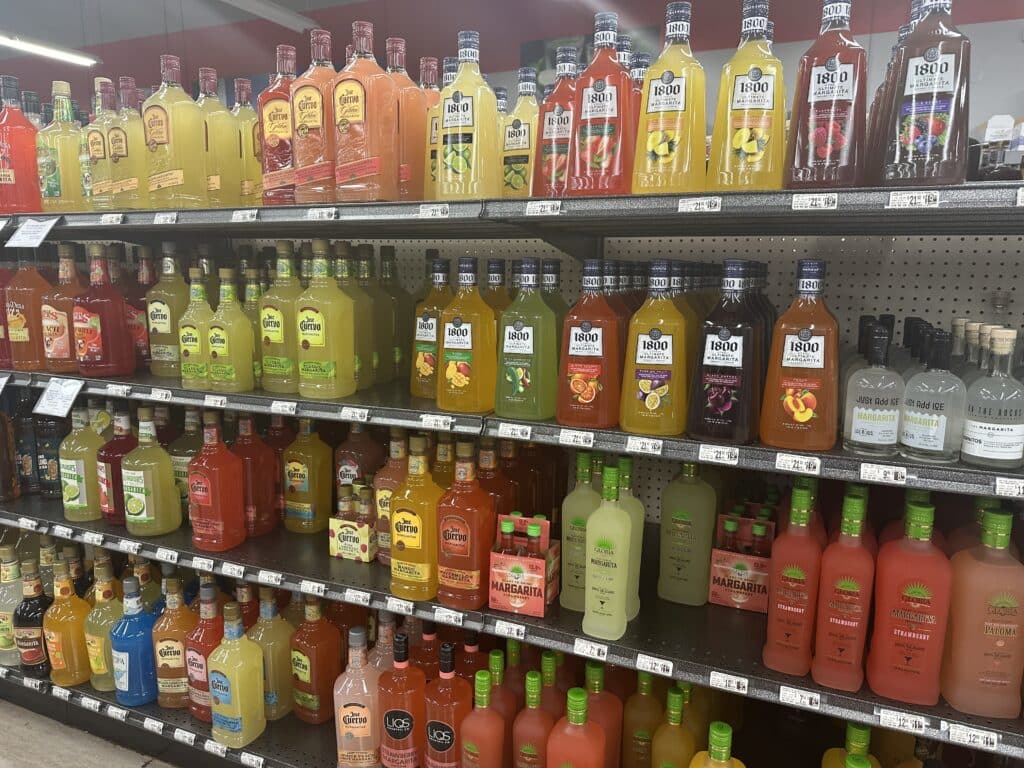
Off-premise sales, however, conclude much earlier. Grocery stores, convenience stores, and other retailers selling beer and wine are generally allowed to do so from 7:00 AM until midnight, Monday through Friday. This means if you’re planning to pick up some beer or wine for your hotel room or a picnic, you’ll need to do so before the clock strikes twelve. Liquor stores, which are the exclusive retailers for distilled spirits, have even more restrictive weekday hours, typically opening at 10:00 AM and closing at 9:00 PM, Monday through Saturday. This differentiation reflects a historical perspective on spirits as having a potentially higher social impact than beer and wine, leading to tighter regulations on their availability.
Weekend Wonders: Sunday Sales and Special Cases
Weekends, particularly Sundays, introduce additional considerations for alcohol sales in Texas. Historically, Texas had “Blue Laws” that severely restricted or prohibited certain commercial activities on Sundays, including alcohol sales. While many of these laws have been relaxed over time, remnants still influence Sunday alcohol regulations.
For on-premise establishments, Sunday sales hours are mostly consistent with weekdays, allowing bars and restaurants to serve alcohol from 10:00 AM until 2:00 AM. This extended start time from the usual 7:00 AM is a slight adjustment, but largely means Sunday brunch and evening entertainment are well-catered for.
Off-premise sales on Sundays, however, are where the most significant differences emerge. For beer and wine, grocery stores and convenience stores can begin sales at 10:00 AM and continue until midnight. This was a relatively recent change, as for many years, sales of these beverages were prohibited until noon on Sundays. This amendment was a welcome development for tourists and locals alike, allowing for earlier Sunday purchases for recreational activities.
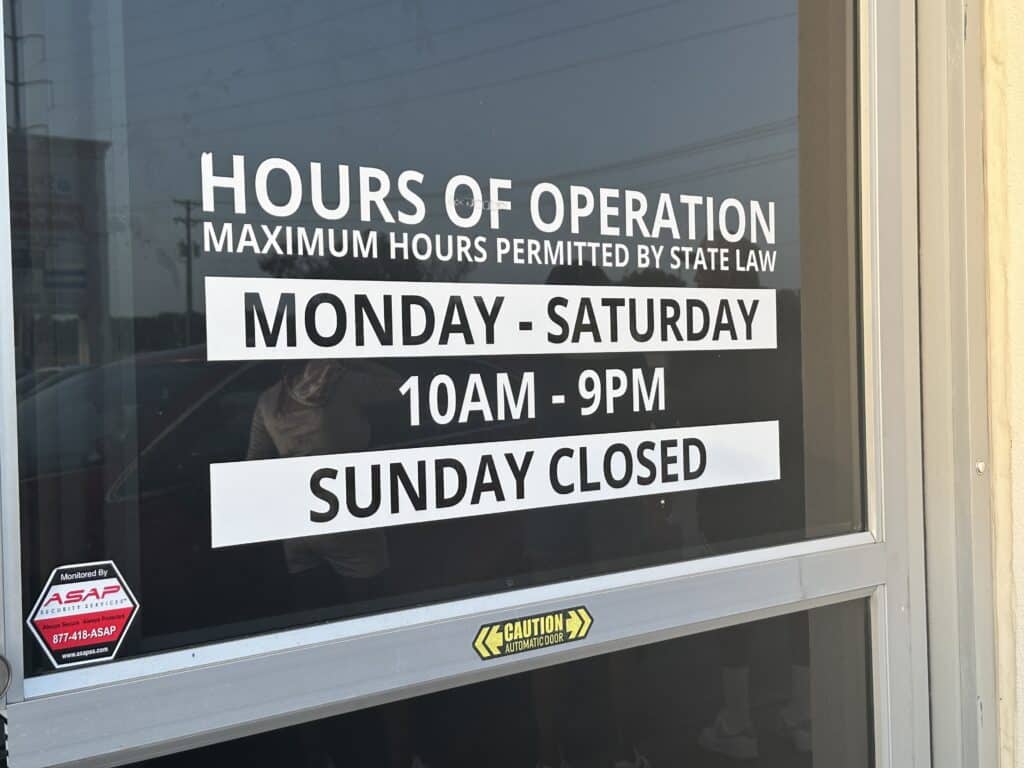
Liquor stores, on the other hand, remain strictly closed on Sundays. This is a crucial point for travelers to remember: you cannot purchase distilled spirits from a liquor store on a Sunday in Texas. This regulation is one of the most persistent remnants of the state’s historical Blue Laws and significantly impacts planning for those looking to enjoy cocktails or spirits during their Sunday travels or stays.
A Deep Dive into Specific Alcohol Types
The type of alcohol you’re looking to purchase plays a paramount role in determining when and where you can buy it in Texas. This distinction is not arbitrary but rather a product of long-standing legal classifications and social considerations. Understanding these categories is essential for anyone traveling through the state, from exploring the vibrant nightlife of Austin to relaxing on the Gulf Coast.
Beer and Wine: The Everyday Essentials
Beer and wine are generally the most accessible alcoholic beverages in Texas. They can be purchased in a wide variety of off-premise locations, including most grocery stores, convenience stores, and pharmacies that hold a relevant permit. This broad distribution makes them convenient options for travelers looking to stock up during their stay.
Off-Premise (Grocery Stores, Convenience Stores, etc.):
- Monday – Saturday: 7:00 AM to midnight
- Sunday: 10:00 AM to midnight
On-Premise (Bars, Restaurants, etc.):
- Monday – Saturday: 7:00 AM to 2:00 AM
- Sunday: 10:00 AM to 2:00 AM
It’s important to note that while these are the general state-level rules, some local jurisdictions might have slightly more restrictive ordinances, although these are less common for beer and wine than for spirits or for specific dry areas. The relatively liberal hours for beer and wine reflect their common integration into daily life and dining experiences, making them staples for both locals and visitors.

Distilled Spirits: Liquor Store Logic
When it comes to distilled spirits – often referred to simply as “liquor” – the rules become significantly more stringent. Unlike beer and wine, spirits can only be sold in dedicated liquor stores (also sometimes called package stores). You will not find hard liquor for sale in grocery stores or convenience stores in Texas. This separation is a key aspect of Texas’s alcohol regulation, aiming to control the availability of higher-proof alcohol.
Off-Premise (Liquor Stores):
- Monday – Saturday: 10:00 AM to 9:00 PM
- Sunday: CLOSED
- Holidays: Liquor stores are also typically closed on certain holidays, including New Year’s Day, Thanksgiving Day, and Christmas Day. This is another crucial detail for travelers planning to celebrate during these times. It is always wise to check holiday schedules if your trip coincides with them.
On-Premise (Bars, Restaurants, etc.):
- Monday – Saturday: 7:00 AM to 2:00 AM
- Sunday: 10:00 AM to 2:00 AM
The strict closing times for liquor stores, coupled with their complete closure on Sundays and major holidays, necessitates careful planning for travelers who wish to purchase spirits. If you arrive in Texas late on a Saturday or plan a Sunday gathering, ensure you purchase any necessary spirits beforehand. This distinction is perhaps the most impactful for tourists unfamiliar with the state’s unique alcohol landscape, highlighting a key aspect of Texas lifestyle and legal heritage.
Beyond the Clock: Local Nuances and Exceptions
While the statewide regulations provide a solid framework, Texas’s sheer size and local autonomy mean that certain exceptions and additional layers of complexity can exist. Understanding these local nuances is crucial for a truly informed travel experience, ensuring you’re never caught off guard. These localized rules are a testament to the state’s diverse communities and their historical preferences regarding alcohol regulation.
Dry Counties and Wet Areas: A Patchwork of Regulations
One of the most significant local nuances in Texas is the existence of “dry” counties or precincts, “wet” areas, and various shades in between. Historically, individual counties or even smaller precincts within counties could vote to restrict or prohibit the sale of alcohol. While the number of completely dry counties has significantly decreased over the years, many areas still maintain some form of local option restriction.
- Completely Dry: In a truly dry county or precinct, the sale of all alcoholic beverages (beer, wine, and spirits) is prohibited, both on-premise and off-premise. While rare, encountering such an area means travelers might need to drive to a neighboring “wet” area to purchase alcohol.
- Partially Dry/Wet: More commonly, areas might be “partially wet,” meaning they allow the sale of some types of alcohol but not others, or only allow sales under specific conditions (e.g., beer and wine sales are permitted, but not spirits, or only on-premise sales are allowed, but not off-premise).
- Completely Wet: In fully wet areas, all types of alcohol sales are permitted according to state laws. Most major cities like Houston, Dallas, Austin, and San Antonio fall into this category.
For travelers, especially those venturing into rural areas or planning road trips across the state, it’s wise to be aware of the local alcohol laws. While the prevalence of fully dry areas is diminishing, a quick online search for “alcohol laws in County Name, Texas” can save you from an unexpected detour. This patchwork quilt of regulations adds a layer of local culture to the alcohol landscape, reflecting historical community values.
Special Events and Extended Hours Permits
Beyond the standard operating hours, there are specific circumstances where alcohol sales might be extended or altered. The Texas Alcoholic Beverage Commission (TABC) can issue temporary permits for special events, festivals, concerts, and other gatherings that allow for extended hours of sale. For instance, at major events like South by Southwest (SXSW) in Austin or professional sports games, you might find alcohol sales continuing later than usual within the venue.
These permits are typically applied for and granted on a case-by-case basis and are usually tied to a specific location and timeframe. For visitors attending such events, it’s advisable to check the event’s official guidelines or venue policies regarding alcohol sales. This flexibility allows for special occasions to cater to attendees’ desires while still maintaining regulatory oversight.
Furthermore, some establishments, particularly those licensed as “mixed beverage late hours” locations, are permitted to serve alcohol until 2:00 AM, Monday through Sunday. These are typically bars, nightclubs, and certain restaurants in larger urban areas. If an establishment holds this specific permit, they can maintain consistent late-night service throughout the week, offering a seamless experience for those exploring the local nightlife. Understanding this distinction is particularly useful for those planning evening entertainment in major Texas cities.
Planning Your Texas Experience: Tips for Travelers
Equipped with knowledge of Texas’s alcohol laws, you can now plan your trip with greater confidence and ease. Whether your stay involves luxury travel, a budget-friendly adventure, a family trip, or a business stay, factoring in these regulations will enhance your overall experience. The goal is to integrate these local tips seamlessly into your travel itinerary, making your journey as smooth and enjoyable as possible.
Stocking Up: Grocery Stores and Convenience
For travelers staying in apartments, villas, or hotels with mini-fridges, stocking up on beer and wine from a local grocery or convenience store can be a cost-effective and convenient option. Remember that these sales cease at midnight on weekdays and Sundays, and at 10:00 PM for spirits from liquor stores on weekdays (with no Sunday sales). If you arrive in Texas on a Saturday evening, especially late, it’s a good idea to prioritize your liquor store run before 9:00 PM if you want spirits for Sunday.
Consider purchasing non-alcoholic beverages and mixers at any time, as these are not subject to the same restrictions. Planning your shopping trips around these hours will prevent any last-minute rushes or disappointment. Many grocery stores in urban areas are open 24 hours for food, but their alcohol sections will be cordoned off or unstaffed outside of legal selling times, serving as a visual reminder of the regulations.
Enjoying the Nightlife: Bars and Restaurants
The vibrant nightlife and dining scenes in Texas’s major cities like Dallas, Houston, Austin, and San Antonio are fantastic attractions for tourists. With on-premise sales generally extending until 2:00 AM every day of the week, you have ample opportunity to explore local pubs, cocktail lounges, and fine dining establishments. These venues often showcase local breweries, wineries, and distilleries, offering a taste of Texas’s burgeoning craft beverage scene.
When dining out, remember that restaurants with a “Wine and Beer Retailer’s Permit” can only sell beer and wine, while those with a “Mixed Beverage Permit” can sell spirits, beer, and wine. Most full-service restaurants will hold the latter. Tipping culture in Texas is similar to the rest of the United States, with 15-20% being standard for good service.
For a truly immersive experience, consider exploring local wine trails, particularly in the Texas Hill Country, or visiting craft breweries that often have taprooms with extended hours for on-site consumption. Always remember to drink responsibly and arrange for safe transportation, especially when enjoying the late-night options. Many hotels and resorts offer concierge services that can help you navigate local nightlife and ensure a pleasant, worry-free experience.
In conclusion, while Texas’s alcohol laws might seem intricate at first glance, a little planning and awareness can ensure they don’t impede your travel enjoyment. From understanding the cut-off times for off-premise purchases to knowing when you can enjoy a late-night drink at a bar, being informed allows you to fully immerse yourself in the rich culture and diverse attractions that the Lone Star State has to offer. Enjoy your travels responsibly and make the most of your Texas adventure!
LifeOutOfTheBox is a participant in the Amazon Services LLC Associates Program, an affiliate advertising program designed to provide a means for sites to earn advertising fees by advertising and linking to Amazon.com. Amazon, the Amazon logo, AmazonSupply, and the AmazonSupply logo are trademarks of Amazon.com, Inc. or its affiliates. As an Amazon Associate we earn affiliate commissions from qualifying purchases.