
For travelers planning a vibrant escape to the Golden State, understanding the local time is far more than a simple fact – it’s the gateway to a seamless and enriching experience. Whether you’re coordinating a business meeting in Silicon Valley, booking a sunrise hike in Yosemite National Park, or dining reservations in San Francisco, knowing “what time is California on right now?” is fundamental. This article delves into the intricacies of California’s time zone, its implications for travel and lifestyle, and how to master your itinerary to make the most of every precious moment in this diverse and captivating state.

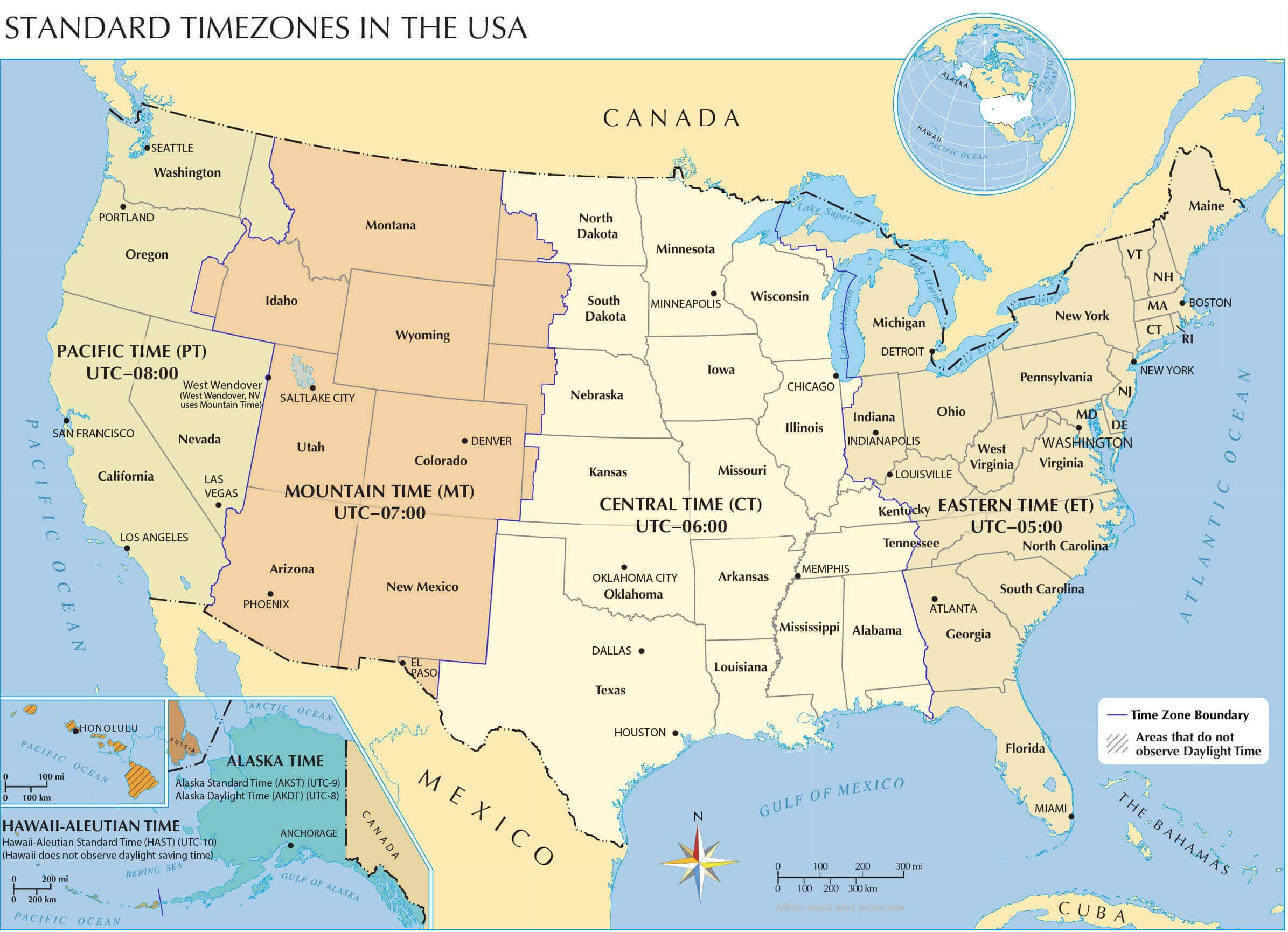
California, a beacon of innovation, natural beauty, and cultural dynamism, operates primarily within the Pacific Time Zone. This means that for a significant portion of the year, it observes Pacific Standard Time (PST), which is UTC-8. However, like many regions across the United States, it transitions to Pacific Daylight Time (PDT), shifting its clocks forward by one hour to UTC-7 during the spring and summer months. This adjustment, often occurring on the second Sunday in March and reverting on the first Sunday in November, is crucial for anyone planning to visit or conduct business with the state. Neglecting this seasonal shift can lead to missed flights, botched appointments, or a frustrating start to your eagerly anticipated vacation. Beyond mere clock-watching, understanding this rhythm allows you to synchronize with the pulse of California, from its bustling cities to its serene natural landmarks.
The Golden State’s Clock: Pacific Time Explained
The concept of time zones emerged as a necessity with the advent of railway travel in the late 19th century, standardizing time across vast geographical expanses. For California, located on the western edge of the contiguous United States, the Pacific Time Zone (PT) governs its daily life. This designation is shared with Oregon, Washington, Nevada, and portions of Idaho, as well as parts of Canada and Mexico in North America. For global travelers, this typically means a significant time difference from European or Asian destinations, requiring careful pre-planning to mitigate the effects of jet lag and ensure a smooth arrival.
Pacific Standard Time (PST) vs. Pacific Daylight Time (PDT)
The distinction between Pacific Standard Time (PST) and Pacific Daylight Time (PDT) is central to navigating California’s calendar.
- Pacific Standard Time (PST): Observed during the winter months, from early November to mid-March, PST is 8 hours behind Coordinated Universal Time (UTC-8). During this period, when the East Coast of the United States is in Eastern Standard Time (EST, UTC-5), California is three hours behind. This means if it’s 3 PM EST in New York City, it’s 12 PM PST in Los Angeles.
- Pacific Daylight Time (PDT): In effect from mid-March to early November, PDT is 7 hours behind Coordinated Universal Time (UTC-7). The clocks “spring forward” one hour, effectively extending daylight into the evening. While the difference from UTC changes, the three-hour difference from the United States’s Eastern Time Zone (now Eastern Daylight Time, EDT) remains consistent. This shift is designed to conserve energy and allows for longer evenings of outdoor activities and tourism.
Understanding which specific time is active is vital. Always check the current date against the Daylight Saving schedule, especially if your trip straddles the changeover dates. Online time zone converters and smartphone applications are indispensable tools for confirming the exact current time in California at any given moment.
Why Understanding California Time Matters for Travelers
For any globetrotter or domestic visitor, time is a precious commodity. A grasp of California’s time zone goes beyond simple scheduling; it deeply impacts the quality and efficiency of your entire travel experience.
Firstly, for those arriving from different time zones, jet lag is a significant consideration. The human body’s circadian rhythm can be severely disrupted by rapid time zone shifts. Arriving in California from the East Coast, or even more so from Europe or Asia, requires strategies to adjust quickly. Knowledge of the local time helps you plan your sleep schedule, meal times, and exposure to natural light to recalibrate your internal clock. Many hotels and resorts in California, from the luxurious Four Seasons Hotel Los Angeles at Beverly Hills to boutique stays in Carmel-by-the-Sea, offer amenities and advice to help guests combat jet lag, ensuring a comfortable start to their adventure.
Secondly, seamless bookings and coordination are heavily reliant on accurate time. Imagine missing a flight because you confused PST with PDT, or arriving for a guided tour only to find you’re an hour late. From confirming flight departure times with Los Angeles International Airport (LAX) or San Francisco International Airport (SFO), to scheduling train travel with Amtrak, or reserving a rental car, precision is key. This extends to accommodation check-in and check-out times, which are always stated in local time. A late check-out might incur additional fees, while an early arrival could mean a wait. Understanding the time ensures smooth transitions and avoids unnecessary stress during your trip planning.
Lastly, maximizing your itinerary is all about timing. Many attractions and experiences in California are time-sensitive. Catching the perfect sunset view from the Golden Gate Bridge, experiencing the magic of Disneyland Resort’s fireworks, or securing a coveted reservation at a Michelin-starred restaurant in Napa Valley all require adherence to local hours. Without this awareness, you might miss out on peak experiences or find yourself rushing through activities.
Navigating Time Across California’s Diverse Regions
California is a state of vast geographical and cultural diversity, stretching from the temperate rainforests of the north to the arid deserts of the south. While the entire state observes the Pacific Time Zone, the impact and experience of time can feel distinctly different depending on whether you’re in a bustling metropolis or a tranquil natural retreat.
Urban Adventures: Synchronizing with Los Angeles and San Francisco
California’s major urban centers like Los Angeles, San Francisco, and San Diego operate on a fast-paced rhythm. In these vibrant cities, every minute counts, especially for those on business trips or tightly scheduled itineraries.
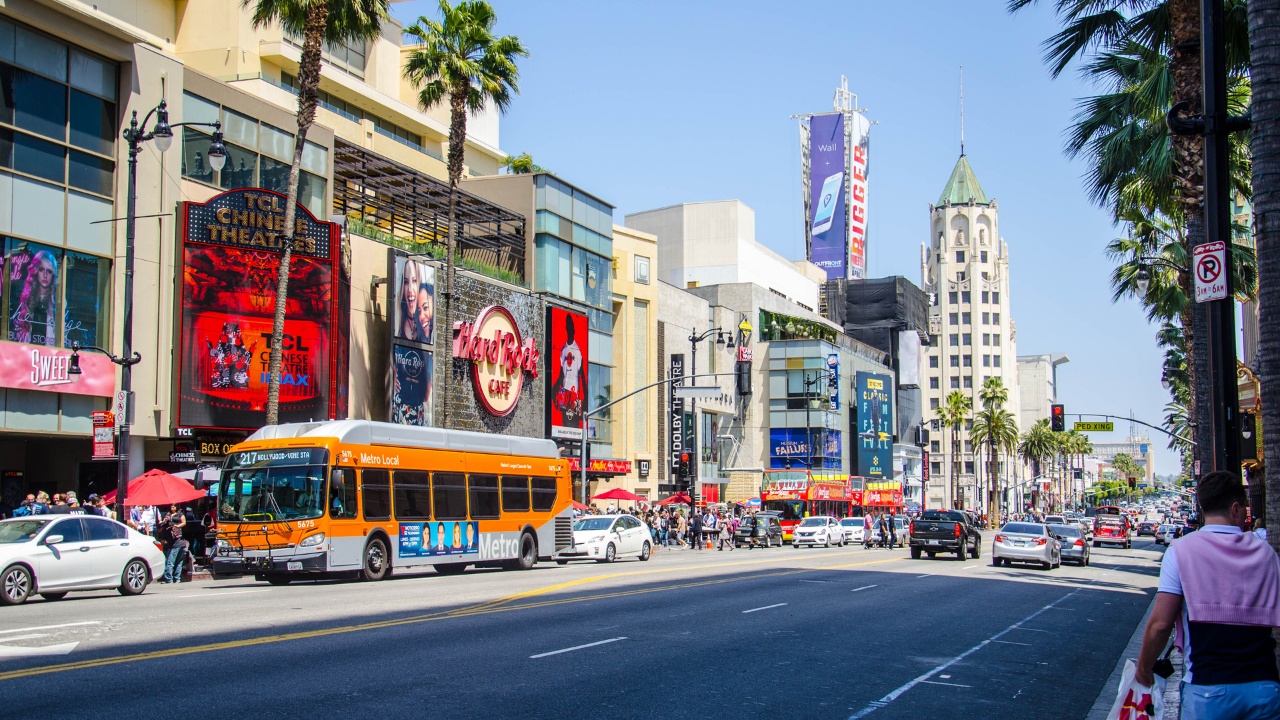
In Los Angeles, the entertainment capital of the world, early mornings can mean beachfront runs in Malibu or Santa Monica before the city truly awakens. Mid-day is for studio tours at Universal Studios Hollywood or navigating the star-studded streets of Beverly Hills. Evenings come alive with world-class dining, live music, and theater, often extending late into the night. Visitors often stay in luxury hotels or stylish apartments in areas like West Hollywood, where dining reservations can be critical and booking well in advance is essential. For business travelers, coordinating meetings across different time zones is a daily challenge, making a firm grasp of PST/PDT indispensable.
San Francisco, with its iconic cable cars and tech-driven economy, also demands punctuality. A ferry ride to Alcatraz Island requires precise timing, as do visits to Ghirardelli Square or exploring the vibrant neighborhoods. Sunrise over the Golden Gate Bridge is a photographic opportunity not to be missed, necessitating an early start. Many San Francisco hotels cater to both leisure and business travelers, often providing amenities like 24-hour concierge services to help manage diverse schedules. Whether you’re exploring Chinatown or enjoying a sunset cruise on the San Francisco Bay, timing your activities ensures a richer cultural experience.
Coastal Escapes and Natural Wonders: Time in Tranquil Settings
Beyond the urban sprawl, California’s natural landmarks and serene coastal towns offer a different rhythm. While still adhering to the Pacific Time Zone, the focus shifts from strict schedules to aligning with nature’s clock.
Along the stunning Big Sur coastline, for instance, daylight hours dictate much of the activity. Scenic drives, hikes through ancient Redwood National and State Parks, and wildlife spotting are best enjoyed during ample daylight. Many resorts and boutique hotels here, such as Post Ranch Inn, emphasize disconnecting from digital clocks and reconnecting with the environment. The sound of the Pacific Ocean and the slow pace of life become the primary timekeepers.
In mountainous regions like Lake Tahoe or Yosemite National Park, the time of day directly impacts outdoor recreational opportunities. Ski slopes open and close at specific times in winter, and hiking trails in summer are best tackled in the cooler morning hours. Sunset over Half Dome in Yosemite or the crystal-clear waters of Lake Tahoe offers breathtaking views but requires timing your ascent or positioning yourself correctly. Accommodation in these areas ranges from cozy cabins and villas to rustic lodges, often emphasizing early starts for adventurers.
Even in the desert landscapes of Palm Springs or Joshua Tree National Park, time plays a crucial role. Early mornings are ideal for exploring before the desert heat becomes intense, while late evenings offer unparalleled stargazing opportunities. The lifestyle here encourages relaxation and embracing the natural rhythms of the day.
Optimizing Your California Trip: Time-Savvy Travel Tips
Successful travel to California isn’t just about knowing the time zone; it’s about strategizing around it. Incorporating time-savvy tips into your planning and execution can elevate your trip from good to unforgettable, ensuring every experience is enjoyed to its fullest.
Booking Accommodation and Flights Across Time Zones
One of the most critical aspects of planning any California getaway is making timely reservations for accommodation and travel. When booking flights, always double-check the departure and arrival times in local time for both your origin and destination. Many online booking platforms automatically convert times, but a manual check can prevent costly errors. Be particularly vigilant when booking international flights or those with multiple layovers across different time zones.
For hotels, resorts, or apartments in California, familiarize yourself with their standard check-in and check-out times, typically between 3 PM and 11 AM local Pacific Time Zone. If you’re arriving on an early morning flight, consider booking an extra night or arranging for an early check-in, especially if you’re battling jet lag. Similarly, if your departure is late in the day, inquire about late check-out options or luggage storage services. Websites offering reviews and comparison of accommodation options often highlight such flexibility, which can be invaluable for maximizing your comfort and convenience. Whether you opt for a luxury suite overlooking the Pacific Ocean in Santa Barbara or a charming villa in Sonoma Valley, confirm all details in local California time.
Conquering Jet Lag for a Seamless California Experience
Jet lag can significantly detract from the initial days of your California adventure. Proactive measures can help minimize its impact:
- Gradual Adjustment: Before you depart, try to shift your sleep schedule by an hour or two closer to California time.
- Stay Hydrated: Drink plenty of water before, during, and after your flight to combat dehydration, which exacerbates jet lag symptoms.
- Adjust on Arrival: Immediately switch to local California time upon arrival. Eat meals at local meal times and try to expose yourself to natural light during the day to reset your circadian rhythm.
- Strategic Napping: If you must nap, keep it short (20-30 minutes) and avoid napping too close to bedtime.
- Avoid Over-Scheduling: Especially for the first 24-48 hours, resist the urge to pack too many activities. Allow yourself time to acclimate. Many California resorts and hotels are designed with relaxation in mind, offering spas and wellness amenities perfect for recovery.
The Rhythms of California Lifestyle: Activities by the Clock
California offers an incredible array of activities and experiences, each often best enjoyed at a particular time of day.
- Morning: Embrace the early hours for invigorating activities. A paddleboard session off Laguna Beach, a challenging hike in Griffith Park with views of the Hollywood Sign, or an early bird tour of the Ferry Building Marketplace in San Francisco can be incredibly rewarding.
- Mid-day: This is prime time for exploring museums, art galleries, and indoor attractions. Think the Getty Center in Los Angeles, California Academy of Sciences in San Francisco, or Hearst Castle tours. It’s also a great time for food tours or visiting wine country in Napa Valley, where tastings are typically scheduled throughout the day.
- Afternoon/Sunset: As the day wanes, California unveils its spectacular sunsets. Drive along the Pacific Coast Highway near Big Sur, relax on La Jolla Shores in San Diego, or enjoy rooftop cocktails in Downtown Los Angeles as the city lights begin to sparkle.
- Evening: California offers a vibrant nightlife scene. From world-class theater in San Francisco to comedy clubs in Los Angeles and stargazing events in Joshua Tree National Park, there’s something for every interest. Dinner reservations are often essential, especially at popular restaurants, and it’s always wise to confirm opening and closing hours for venues.
By harmonizing your internal clock with the Pacific Time Zone, whether it’s PST or PDT, you unlock the full potential of your California journey. From orchestrating efficient business stays in Sacramento to curating memorable family trips to Monterey or enjoying luxury travel in Palm Springs, a mindful approach to time ensures that every moment spent in the Golden State is truly golden.
LifeOutOfTheBox is a participant in the Amazon Services LLC Associates Program, an affiliate advertising program designed to provide a means for sites to earn advertising fees by advertising and linking to Amazon.com. Amazon, the Amazon logo, AmazonSupply, and the AmazonSupply logo are trademarks of Amazon.com, Inc. or its affiliates. As an Amazon Associate we earn affiliate commissions from qualifying purchases.