
For any seasoned traveler or first-time adventurer, the rhythm of a hotel stay is marked by two crucial timings: check-in and check-out. While the excitement of arriving and settling into a new space often takes precedence, understanding and planning around hotel checkout times is equally, if not more, important for a seamless journey. A misstep in this area can lead to unexpected fees, hurried departures, or even missed connections. This comprehensive guide will demystify the intricacies of hotel checkout, from standard timings and flexible options to the process itself, ensuring your departure is as smooth and stress-free as your arrival.

The question “What time is checkout at hotels?” is one of the most frequently asked by guests. It directly impacts your final day of travel, influencing everything from your last-minute sightseeing plans to your departure airport transfers. Whether you’re on a whirlwind business trip, a relaxing luxury travel escape, or a family trip to a bustling city, mastering the art of hotel checkout is key to optimizing your travel experience.
Understanding Standard Hotel Checkout Times
The vast majority of hotels operate within a fairly standardized window for guest departures. Typically, you can expect checkout to be between 10:00 AM and 12:00 PM (noon). While this range is common across various types of accommodation, the specific time can vary significantly based on the hotel’s brand, location, and operational model.
Why these times? The rationale behind these timings is rooted in the operational efficiency of a hotel. Once a guest vacates a room, the housekeeping team needs adequate time to thoroughly clean, inspect, and prepare it for the next arriving guest. Most hotel check-in times are typically in the afternoon, often around 3:00 PM or 4:00 PM. The gap between checkout and check-in allows for the rigorous cleaning process, especially during peak seasons or at larger establishments like the Grand Hyatt Hotel or a bustling Sheraton Hotels & Resorts property. This meticulous preparation ensures that every new guest experiences the same high standard of cleanliness and comfort.
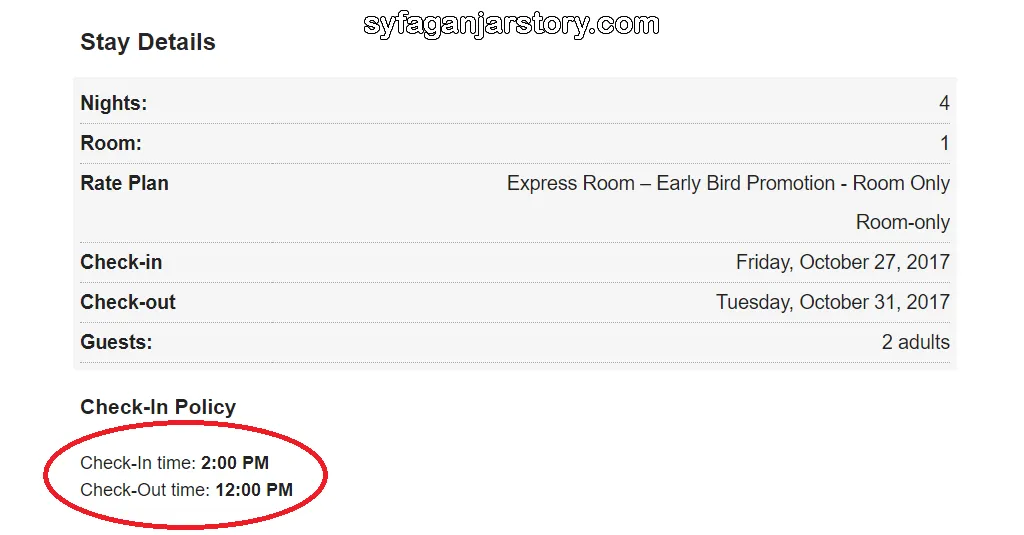
You’ll usually find the exact checkout time clearly stated in several places:
- Your booking confirmation email or receipt: This is the most reliable source.
- The hotel’s website: Often listed on the “Rooms” or “FAQ” pages.
- At the front desk: A friendly reminder during check-in or visible signage.
- On your room key card holder: Sometimes printed for convenience.
- On in-room information channels: Many hotels offer digital guest services via the television.
Always double-check the specific time for your reservation, as it can be a critical detail in planning your departure day. This small effort can prevent potential late checkout fees and ensure a smooth transition out of your temporary home.
Navigating Early and Late Checkout Options
While standard checkout times serve as a baseline, hotels often offer flexibility, especially for guests with specific travel needs. Understanding your options for early or late checkout can significantly enhance your travel planning and overall comfort.
Early Checkout: When Plans Change
Early checkout, while less common than its late counterpart, is sometimes necessary if your travel plans unexpectedly shift. Perhaps a flight was rescheduled, a meeting ended sooner than expected, or you simply decided to move on to your next destination ahead of schedule.
If you anticipate leaving earlier than your original checkout date, it’s always advisable to inform the front desk as soon as possible. While most hotels won’t penalize you for checking out a few hours before the standard time on your scheduled departure day, leaving an entire day or more early might incur fees, especially if you booked a non-refundable rate or a package deal. Some properties may charge an early departure fee to compensate for the lost revenue opportunity. Communication is key here; a polite conversation with the staff can often clarify any potential charges and ensure a smooth early departure without unpleasant surprises.
Late Checkout: Maximizing Your Stay
Late checkout is a highly sought-after amenity, particularly beneficial for travelers with evening flights, those who wish to enjoy a final morning of sightseeing in Paris or Rome, or simply desire a more leisurely start to their departure day. The availability of late checkout is primarily dependent on the hotel’s occupancy levels and its specific policies. During peak seasons or when the hotel is fully booked, offering late checkout becomes challenging due to the tight turnaround required for incoming guests.
How to request late checkout:
- Ask at check-in: This is an opportune moment to inquire, as the front desk might already have an idea of upcoming occupancy.
- Inquire the day before departure: This gives the hotel more accurate insight into their room availability.
- Leverage loyalty status: Members of hotel loyalty programs, such as Marriott Bonvoy or Hilton Honors, often receive late checkout as a complimentary benefit, sometimes even guaranteed until a specific time (e.g., 2:00 PM or 4:00 PM), depending on their elite tier. This is a significant perk for frequent travelers and a testament to the value of building loyalty with specific brands.
Potential costs: If you don’t have elite status, late checkout often comes with a fee. This could range from a nominal hourly charge to a “half-day rate” (typically extending your stay until 3:00 PM or 4:00 PM) or even a “full-day rate” if you need the room until late evening. The cost reflects the hotel’s potential loss of revenue from not being able to sell the room to an arriving guest on that day. However, for many, the convenience of having a room to freshen up, store luggage, and relax before a long journey makes the cost worthwhile.
If late checkout isn’t possible, don’t despair! Most hotels offer complimentary luggage storage services. You can check out at the standard time, leave your bags with the bell desk or concierge, and still enjoy a few more hours exploring London or New York City before returning to collect your belongings and head to the airport. This is a common and highly effective strategy for optimizing your final day.
The Checkout Process: What to Expect
The actual checkout process is usually straightforward and designed to be efficient, but knowing what to expect can help you navigate it seamlessly.
Settling Your Final Bill
Before you leave, the hotel will prepare a final invoice detailing all charges incurred during your stay. This typically includes:
- Room rate: Your nightly rate, including any taxes and resort fees.
- Incidentals: Any charges for services like the minibar, room service, pay-per-view movies, or laundry.
- Additional amenities: Costs for extra beds, specific requests, or late checkout fees if applicable.

It’s crucial to take a moment to review your bill carefully. Mistakes can happen, and it’s much easier to rectify them at the front desk before you’ve departed. Check for duplicate charges, items you didn’t consume, or services you didn’t use. If you spot any discrepancies, politely bring them to the attention of the front desk staff, who are usually adept at resolving such issues.
You’ll then typically settle your bill using the payment method on file (credit card) or any other preferred method. Many modern hotels offer express checkout options, allowing you to review your bill via the in-room TV or a hotel app and simply leave your key card at the front desk or in a designated drop box. This can be a huge time-saver, especially if you’re in a hurry.
Key Return and Departure Logistics
Once your bill is settled, the final step is to return your room key cards. While some hotels collect them, many simply ask you to leave them in the room or drop them in a designated box, especially for contactless checkout.
If you’re not heading straight to the airport or your next destination, remember the convenience of luggage storage. Most hotels, from Ibis Hotels to Mandarin Oriental, offer this free service, allowing you to explore freely for a few more hours without being burdened by your bags. The bell desk or concierge will provide you with a claim ticket for your belongings.
Finally, consider your transportation arrangements. Whether you need a taxi, a ride-share service, or directions to public transport, the front desk or concierge can assist. Pre-booking an airport transfer, especially for early morning flights or during peak hours, can alleviate stress and ensure you arrive at the airport with ample time. Planning these logistics as part of your overall travel itinerary is a smart way to ensure a smooth departure.
Tips for a Smooth and Stress-Free Checkout
A well-planned checkout can significantly reduce stress and enhance the positive memories of your trip. Here are some actionable tips to ensure a seamless departure:
- Confirm Your Checkout Time at Check-in: As soon as you arrive, re-confirm your official checkout time with the front desk. This simple step eliminates any ambiguity and helps you plan your final day.
- Pre-Pack the Night Before: Don’t leave packing until the last minute. Get most of your belongings organized and packed the evening before, leaving only essential items for the morning. This saves precious time and prevents forgotten items.
- Review Your Bill Early: If your hotel offers an in-room bill review feature (via TV or app), take advantage of it the night before. This gives you time to identify and address any discrepancies without feeling rushed at the front desk.
- Utilize Express Checkout: If available and you’re confident in your bill, express checkout can save you minutes, or even a queue, especially during busy morning periods.
- Do a Final Room Check: Before closing the door, do a quick sweep of the room. Check drawers, closets, the safe, and under the bed for any forgotten personal items like chargers, documents, or small souvenirs. Many hotels, especially those catering to business stays, have safes that are easily forgotten.
- Leave the Room Tidy: While not mandatory, leaving the room reasonably tidy can be a thoughtful gesture for the housekeeping staff.
- Inform the Hotel if You Need Early Departure: If you know you’ll be leaving significantly before the standard checkout time (e.g., catching a very early flight), let the front desk know, especially if it’s outside of typical operating hours for the main reception.
- Leverage Luggage Storage: Even if you can’t get late checkout, remember that the bell desk is there to store your bags, allowing you to enjoy your final hours unencumbered. This is particularly useful in popular tourism cities like Tokyo or Singapore.
- Plan Your Transportation: Know how you’re getting to the airport, train station, or your next destination. Factor in potential traffic, especially if you’re in a bustling metropolis. The concierge can often assist with booking taxis or providing public transport directions.
By incorporating these tips into your travel routine, you can ensure that your departure from any hotel, whether a small boutique hotel or a large resort, is as smooth and pleasant as the rest of your stay.
Variations by Hotel Type and Destination
While the 10 AM to 12 PM window is a general guideline, hotel checkout times can display fascinating variations influenced by the type of accommodation and its geographical location. Understanding these nuances can further refine your accommodation booking and planning.
Luxury Hotels vs. Budget Stays
- Luxury Hotels: High-end establishments like The Ritz-Carlton or Four Seasons often offer more flexibility and personalized service. While their standard checkout might still be 12 PM, they are typically more accommodating with complimentary late checkout requests for loyal guests or those booked into premium suites, often extending until 2 PM or even 4 PM. This reflects their commitment to elevated guest experiences and their capacity to manage room turns more efficiently with larger staff complements.
- Budget Hotels: Brands like Holiday Inn Express or Premier Inn usually adhere more strictly to their published checkout times, often leaning towards the earlier end (e.g., 10 AM or 11 AM). Due to leaner staffing and high occupancy rates, their operational flexibility for late departures is often limited, and fees for extensions are more common and non-negotiable.
Resorts and All-Inclusive Properties
Resorts and all-inclusive properties, especially in popular destinations like the Caribbean or Southeast Asia, might have slightly different considerations. Their checkout times are often coordinated with flight schedules or the end of specific meal plans and activities. Many will offer “hospitality rooms” or guest lounges where you can shower and change after checking out, allowing you to enjoy resort amenities until your evening flight without needing your room. This is particularly useful for travelers on long-term stays or those maximizing their vacation time.
Boutique Hotels and Vacation Rentals
- Boutique Hotels: These unique properties, known for their individualized service and distinct character, can sometimes offer more bespoke checkout arrangements. Communication directly with the hotel staff is paramount here, as flexibility might be greater than with large chains, depending on their occupancy and operational model.
- Vacation Rentals: Platforms like Airbnb and Vrbo (or private villas and apartments) typically have very specific checkout instructions set by the individual hosts. These can range from early 10 AM departures (to allow for professional cleaning services) to more relaxed times, depending on the next guest’s arrival. Always read the listing details and communicate with your host well in advance if you require any flexibility. The rules for these accommodations are often less standardized than traditional hotels.
International Destinations
While the 10 AM to 12 PM standard generally holds true across North America and Europe, slight variations can be observed in other regions. In some parts of South America or Africa, a slightly later standard checkout might be more common, or cultural norms might make staff more amenable to informal late checkout requests without a fee, especially if the hotel isn’t busy. Conversely, in bustling Asian hubs like Tokyo or Seoul, where efficiency is key and occupancy rates are high, hotels might be stricter. Always verify the local norms and specific hotel policies when traveling internationally.
Regardless of where you travel, being aware of these potential variations allows for better planning and reduces the likelihood of encountering unexpected hurdles on your departure day. The key is proactive communication and a clear understanding of your booking terms.
In conclusion, understanding what time is checkout at hotels, along with the available options and the process involved, is an essential aspect of confident and comfortable travel. By being informed, communicating effectively, and planning ahead, you can ensure that your final moments in a hotel are as pleasant and stress-free as the rest of your stay, leaving you free to focus on the memories you’ve made and the adventures that lie ahead.