
When you ask “What time is Denver, Colorado?”, you’re not just seeking a simple number on a clock; you’re often embarking on the initial steps of planning an adventure, coordinating a business trip, or connecting with friends and family in this vibrant United States city. Understanding Denver’s time zone is the first crucial piece of information for anyone looking to travel to, or engage with, the Mile High City, especially for those venturing from different corners of the globe or even other parts of North America. Beyond the practicalities of setting your watch, this knowledge unlocks a deeper understanding of the city’s daily rhythm, from the bustling morning commute to the serene Rocky Mountain sunsets.

Denver operates on Mountain Standard Time (MST) during the winter months and Mountain Daylight Time (MDT) during the summer. This means it is typically seven hours behind Coordinated Universal Time (UTC-7) during MST and six hours behind Coordinated Universal Time (UTC-6) during MDT. This biannual shift, often referred to as Daylight Saving Time, is a common practice across many regions to maximize daylight hours in the warmer seasons. For travelers, this insight is paramount, influencing everything from flight schedules and hotel check-ins to planning your excursions to the city’s myriad attractions. A miscalculation can lead to missed connections, closed museum doors, or even a late arrival for that highly anticipated dinner reservation. But fear not, for this comprehensive guide will not only clarify Denver’s time but also delve into how this timing impacts your visit, offering a window into the city’s travel, tourism, and lifestyle offerings that make it an unforgettable destination.
Decoding Denver’s Time Zone: Mountain Standard Time (MST) and Mountain Daylight Time (MDT)
At its heart, Denver’s time is a reflection of its geographical location within the Western United States. Positioned high in the Rocky Mountains region, the city naturally falls into the Mountain Time Zone. This designation has profound implications for anyone planning a visit, a call, or even just checking the weather.
The Basics: MST vs. MDT
From early November to mid-March, Denver observes Mountain Standard Time (MST), which is UTC-7. This is the period when the days are shorter, and the city settles into its winter rhythm. As spring approaches, typically on the second Sunday in March, Denver “springs forward” to Mountain Daylight Time (MDT), which is UTC-6. This change pushes the clock forward by an hour, granting the city glorious extended evenings perfect for outdoor activities, al fresco dining, and enjoying the natural beauty of the surrounding landscape. The transition back to MST occurs on the first Sunday in November, when clocks “fall back” an hour.
For international travelers, understanding this time difference is crucial. If you’re flying in from London, for instance, the time difference can be substantial – up to eight hours during MDT. From New York, it’s a two-hour difference. These seemingly small details can greatly affect your arrival plans, jet lag management, and the coordination of any pre-booked activities or meetings. Being aware of the specific time of year you visit will dictate which time zone you’ll be operating under, ensuring you’re always precisely on schedule.
Why Time Matters for Your Denver Itinerary
Beyond merely setting your watch, comprehending Denver’s time zone has practical implications for every aspect of your trip. Consider flight arrivals: A flight scheduled to land at 3:00 PM Eastern Time will actually touch down at 1:00 PM Denver time, potentially giving you more afternoon to explore or check into your accommodation. Conversely, if you’re departing Denver to an eastward destination, you’ll “lose” time, meaning your flight might land later than you anticipate based on your destination’s local time.
Hotel check-in and check-out times are strictly adhered to and based on local Denver time. Most hotels, from luxury resorts to budget-friendly stays, typically have a 3:00 PM check-in and 11:00 AM or 12:00 PM check-out. Being aware of the time difference helps you avoid early arrival fees or late departure penalties. Similarly, attractions, restaurants, and tours operate on fixed schedules. The Denver Art Museum might close at 5:00 PM, and missing that window because of a time zone miscalculation can be a frustrating experience. For business travelers, accurately scheduling virtual meetings with colleagues in different time zones is paramount to professional success. By embracing Denver’s time zone, you pave the way for a smooth, stress-free, and enjoyable visit.
Experiencing Denver: A Timely Guide to Top Attractions
Denver is a city that beautifully blends urban sophistication with easy access to rugged natural beauty. Its attractions cater to diverse interests, from history buffs and art aficionados to outdoor enthusiasts and foodies. Understanding the best times to visit these landmarks often correlates with local operating hours and seasonal daylight.
Iconic Landmarks and Cultural Gems
To truly immerse yourself in Denver’s rich cultural tapestry, strategic timing is key. The majestic Colorado State Capitol, with its iconic gold dome, offers free tours on weekdays. To avoid crowds and get the best photo opportunities, especially from its observation deck with panoramic views of the city and Rocky Mountains, consider visiting in the morning hours, shortly after it opens, or later in the afternoon.
The Denver Art Museum, a landmark itself with its striking architecture, houses an impressive collection of indigenous art and modern masterpieces. Its hours typically extend later on Tuesdays, offering a unique evening experience. Planning your visit on these extended hours can allow for a more leisurely exploration of its galleries.
Union Station, a beautifully restored Beaux-Arts masterpiece, functions as a transportation hub, hotel, and culinary destination. It’s bustling throughout the day, but a visit during lunchtime offers a vibrant atmosphere, while evenings bring a sophisticated dining and bar scene. Its timeless charm makes it a perfect spot for people-watching at any time.
For a taste of Denver’s history and trendy boutiques, a stroll through Larimer Square is a must. This historic block truly comes alive in the evenings, when string lights illuminate the street, and its many restaurants and bars welcome diners and revelers. Day visits offer a more relaxed shopping experience.
And, of course, no visit to Denver is complete without experiencing Red Rocks Park and Amphitheatre. This geological marvel and world-renowned concert venue is open to the public during non-event days. Arriving in the morning for a hike around its trails or a workout up its amphitheater stairs is a popular choice, offering cooler temperatures and breathtaking views of the sunrise over the plains. For concerts, always check the local start times, which are, of course, tied to Denver’s current time zone.
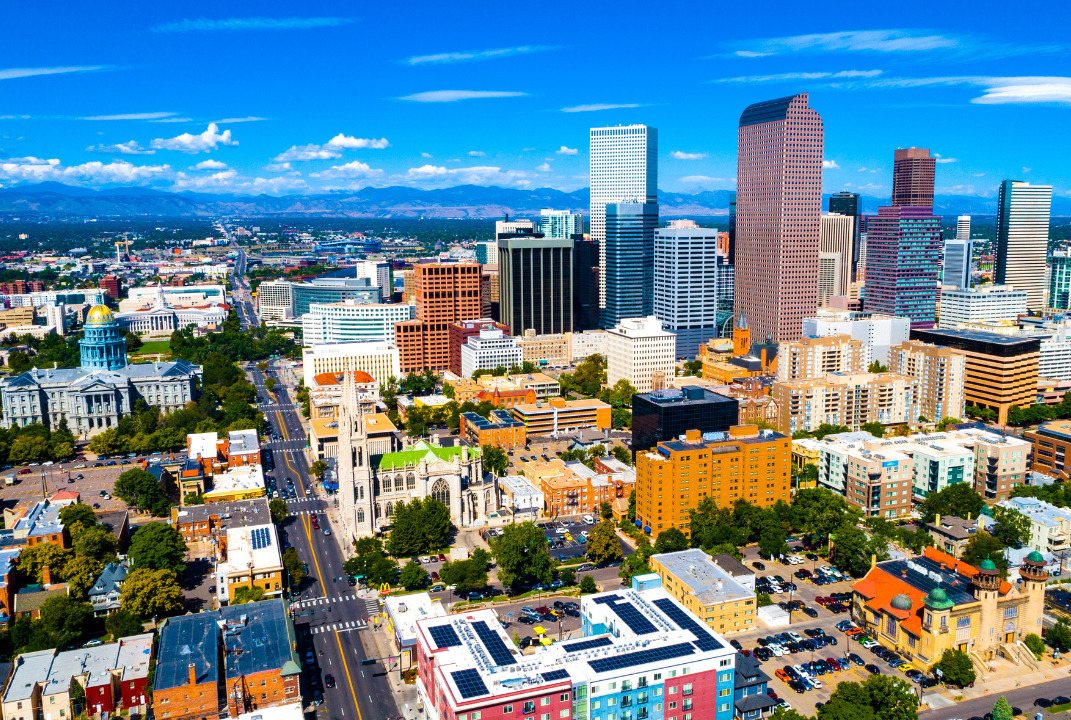
Nature’s Embrace: Parks and Outdoor Adventures
Denver is often lauded for its immediate access to nature, making outdoor activities a cornerstone of the local lifestyle and tourism experience. City Park, home to the Denver Zoo and the Denver Museum of Nature & Science, is a sprawling urban oasis. Mornings are ideal for jogging, picnicking, or visiting the zoo before it gets too crowded, especially during the warmer months. The Denver Botanic Gardens offers a serene escape, with its diverse plant collections and tranquil pathways. Early mornings or late afternoons are often the best times to visit to enjoy the quiet beauty and avoid peak crowds, particularly in spring and summer.
For those eager to venture further afield, the majestic Rocky Mountain National Park is an unforgettable day trip. Located approximately an hour and a half’s drive from Denver, early departures are highly recommended, especially during peak season (summer and fall), to secure parking and enjoy the hiking trails before they become too busy. The higher altitudes mean weather can change rapidly, so checking the forecast and packing layers are essential, irrespective of the time of day. Whether you’re chasing waterfalls, spotting wildlife, or simply soaking in the alpine views, a full day dedicated to this natural wonder is a day well spent, timed perfectly with Denver’s expansive daylight hours in MDT.
Accommodation and Lifestyle: Making Your Denver Stay Effortless
From luxurious five-star resorts to charming boutique hotels, Denver offers a wide array of accommodation options designed to suit every taste and budget. Your choice of lodging, combined with an understanding of the local lifestyle, forms the backbone of a successful trip.
Choosing Your Home Away From Home
Denver’s hotel scene is as diverse as its landscape. For those seeking unparalleled luxury, properties like The Ritz-Carlton, Denver and Four Seasons Hotel Denver offer world-class amenities, exquisite dining, and prime locations in the heart of downtown. Their concierge services are invaluable for making timely reservations for shows or restaurants. The historic Brown Palace Hotel and Spa, an iconic landmark since 1892, provides a glimpse into Denver’s opulent past, famous for its afternoon tea, an experience best booked well in advance.
Boutique options like Hotel Teatro, known for its elegant design and proximity to the performing arts complex, offer a more personalized touch. For travelers prioritizing convenience and unique design, The Crawford Hotel within Union Station places you right at the nexus of transportation, dining, and vibrant city life. When booking, always confirm check-in/check-out times, keeping Denver’s current time zone in mind to ensure a smooth arrival and departure. Many hotels offer luggage storage if your arrival or departure times don’t perfectly align with official check-in/out, allowing you to maximize your exploration time.
Dining and Nightlife: A Taste of Denver
Denver’s culinary landscape is a dynamic blend of innovative farm-to-table restaurants, renowned breweries, and diverse international flavors. Neighborhoods like the RiNo Art District (River North Art District) are famous for their street art, craft breweries, and trendy eateries, often bustling from late afternoon into the evening. LoDo (Lower Downtown) offers a mix of historic pubs, upscale dining, and lively sports bars, perfect for catching a Denver Broncos, Denver Nuggets, Colorado Avalanche, or Colorado Rockies game. Cherry Creek, on the other hand, is synonymous with upscale shopping and fine dining, making it an excellent choice for a sophisticated evening out.
Dinner reservations in popular Denver restaurants are highly recommended, especially on weekends, and local time awareness is key to securing your preferred table. The city’s thriving craft beer scene also means brewery tours and taproom visits are a popular pastime. Many breweries offer happy hour specials in the late afternoon, an ideal time to sample local brews and mingle with locals. For a quintessential Denver experience, plan a visit to a rooftop bar at dusk to witness the spectacular Rocky Mountain sunsets, perfectly timed with the transition from day to evening.
Navigating Denver: Practical Tips for a Seamless Visit
With its expansive layout and diverse attractions, getting around Denver efficiently is a key component of a successful trip. From arrival to daily excursions, understanding transportation options and planning your movements around Denver’s time will enhance your experience significantly.
Getting Around
Your journey to Denver will likely begin at Denver International Airport (DIA), one of the busiest airports in the United States. From DIA, the convenient RTD Light Rail A Line provides a direct link to Union Station in downtown Denver. The ride takes approximately 37 minutes, offering a stress-free transfer without worrying about traffic, an especially important consideration if you arrive during rush hour. Within the city, RTD also operates an extensive network of buses and light rail lines, making it easy to reach various neighborhoods and attractions. Utilizing public transport can save time and money, allowing you more resources and moments to explore.
For exploring downtown’s core, the 16th Street MallRide, a free shuttle, runs frequently along the pedestrian-friendly 16th Street Mall, connecting major attractions, shops, and restaurants. For destinations further afield or beyond public transport routes, ride-sharing services and taxis are readily available. If you plan to explore the Rocky Mountains or other distant attractions extensively, renting a car might be beneficial. Always factor in Denver’s traffic patterns, especially during morning and evening commutes, when planning your travel times, as these can add significant delays to your itinerary.
Planning Your Visit
The “best” time to visit Denver largely depends on your interests. Spring and fall offer mild temperatures and fewer crowds, ideal for exploring the city’s parks, gardens, and cultural institutions. Summer is vibrant with festivals, outdoor concerts at Red Rocks, and easy access to mountain adventures, though it is also the peak tourist season. Winter transforms Denver into a gateway to world-class skiing and snowboarding in the nearby resorts. Each season brings its own charm and activities, and understanding Denver’s time zone helps you calibrate your expectations for daylight hours and activity scheduling accordingly.
When packing, remember that Denver’s high altitude means intense sunshine, so sunscreen and hats are a must, regardless of the season. The weather can also be highly variable, especially in spring and fall, so layering is always a good strategy. Budgeting for your trip should include considerations for accommodation, dining, transportation, and activity fees. Many attractions offer discounts for booking online in advance, which can also help streamline your entry and save you valuable time. By thoughtfully planning your visit around Denver’s time and seasonal offerings, you are poised for an enriching and memorable experience in this dynamic Western city.
In conclusion, “What time is Denver, Colorado?” is more than a simple query; it’s the gateway to unlocking a well-planned and enjoyable journey. By understanding Mountain Standard Time and Mountain Daylight Time, you can seamlessly navigate flight schedules, hotel arrangements, and the myriad attractions that define this incredible destination. From the historic charm of Union Station to the natural grandeur of Red Rocks Park and Amphitheatre and the nearby Rocky Mountains, every moment in Denver is an opportunity for discovery. So, set your watch, plan your itinerary, and prepare to immerse yourself in the unforgettable experiences that await you in the Mile High City.
LifeOutOfTheBox is a participant in the Amazon Services LLC Associates Program, an affiliate advertising program designed to provide a means for sites to earn advertising fees by advertising and linking to Amazon.com. Amazon, the Amazon logo, AmazonSupply, and the AmazonSupply logo are trademarks of Amazon.com, Inc. or its affiliates. As an Amazon Associate we earn affiliate commissions from qualifying purchases.