
For any seasoned traveler, the questions “What time is hotel check-in?” and “When do I need to check out?” are as fundamental as “Where’s the best local food?” or “How do I get to the Eiffel Tower?” These seemingly simple queries hold significant sway over your travel plans, impacting everything from your flight itinerary to your daily sightseeing agenda in a bustling city like Paris or the serene beaches of the Maldives. Understanding the standard hotel check-in and check-out procedures, along with the flexibility available, is key to a smooth, stress-free, and enjoyable accommodation experience.
Often, travelers arrive at their destination after a long-haul flight, perhaps from New York City to Tokyo, only to find themselves with hours to kill before their room is ready. Conversely, a late flight departure might mean lugging suitcases around London for half a day after being asked to vacate your room. This article delves into the intricacies of hotel check-in and check-out times, exploring the reasons behind these industry standards, how to navigate common challenges, and strategies to maximize your stay, regardless of your travel style—be it luxury travel at a Four Seasons Hotel or a budget-friendly trip at an Ibis Budget.
Understanding Standard Hotel Check-In and Check-Out Times
The hospitality industry operates on a remarkably consistent schedule when it comes to guest arrivals and departures. While there can be minor variations depending on the type of hotel and its location, a general pattern prevails globally. Grasping these standard times is the first step in planning your trip effectively and avoiding any unexpected inconveniences.
The Rationale Behind These Timings
Hotel check-in and check-out times aren’t arbitrary; they are meticulously planned to ensure operational efficiency and a seamless experience for every guest. The period between a guest checking out and the next guest checking in is crucial for the hotel’s housekeeping and maintenance teams.
Typically, when a guest checks out, their room immediately enters a cycle of deep cleaning, sanitization, and meticulous inspection. Housekeeping staff must clean bathrooms, change linens, vacuum carpets, dust surfaces, restock amenities, and ensure everything is in perfect order. This process can take anywhere from 30 minutes to over an hour, especially for larger suites or if unexpected maintenance is required. Imagine a busy property like the Hyatt Regency in Sydney, dealing with hundreds of rooms simultaneously. The window between check-out and check-in allows them to prepare every room to the highest standard, ready for the next arrival.
Furthermore, these timings align with staff shifts, particularly for the front desk, bell services, and housekeeping departments. Staggering check-ins and check-outs helps distribute the workload, preventing overwhelming surges at the front desk and ensuring that staff can attend to each guest efficiently. It’s a delicate logistical ballet that aims to minimize waiting times for new arrivals while providing ample time for the previous guests to depart comfortably.
What to Expect: Typical Hours
While there isn’t a universally mandated time, most hotels adhere to a common schedule:
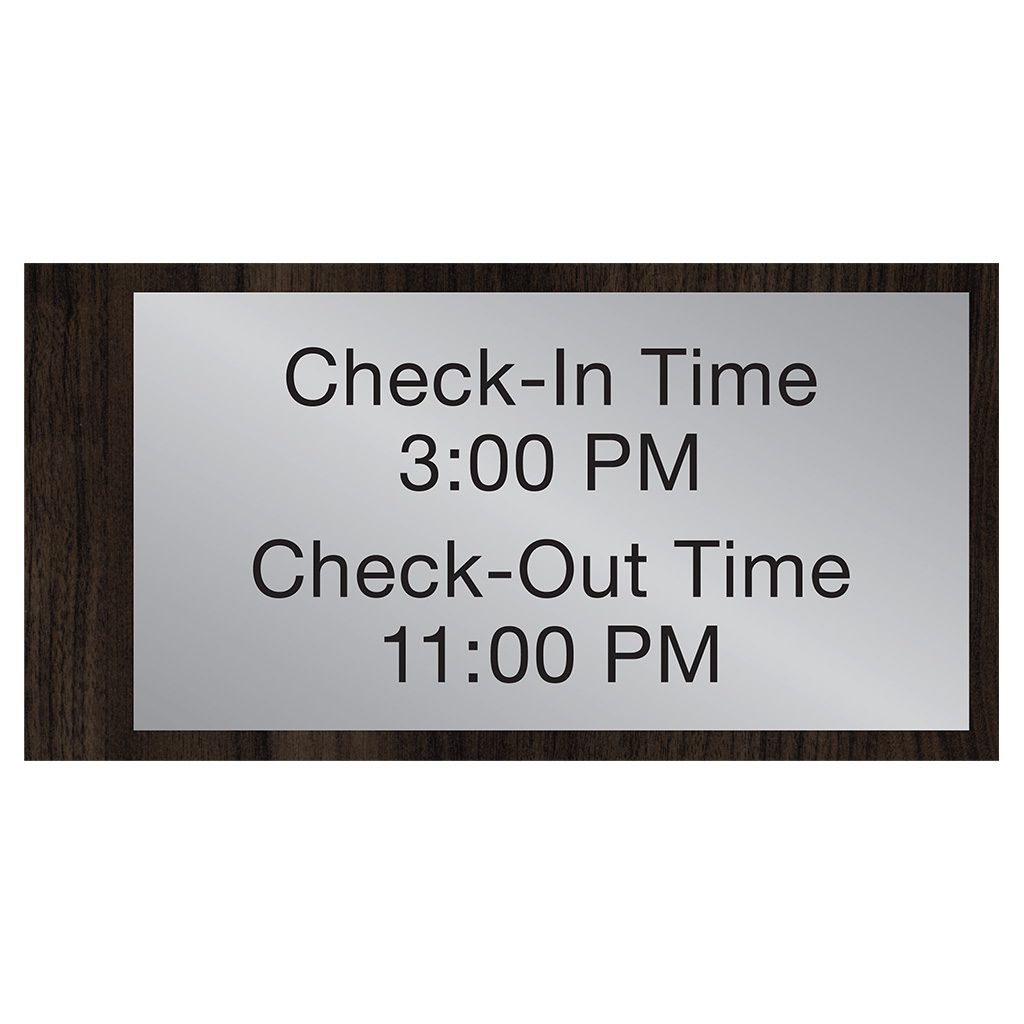
- Standard Check-In Time: Generally, check-in is set for 3:00 PM or 4:00 PM. This later afternoon slot allows the hotel ample time to clean and prepare rooms after the morning exodus of departing guests.
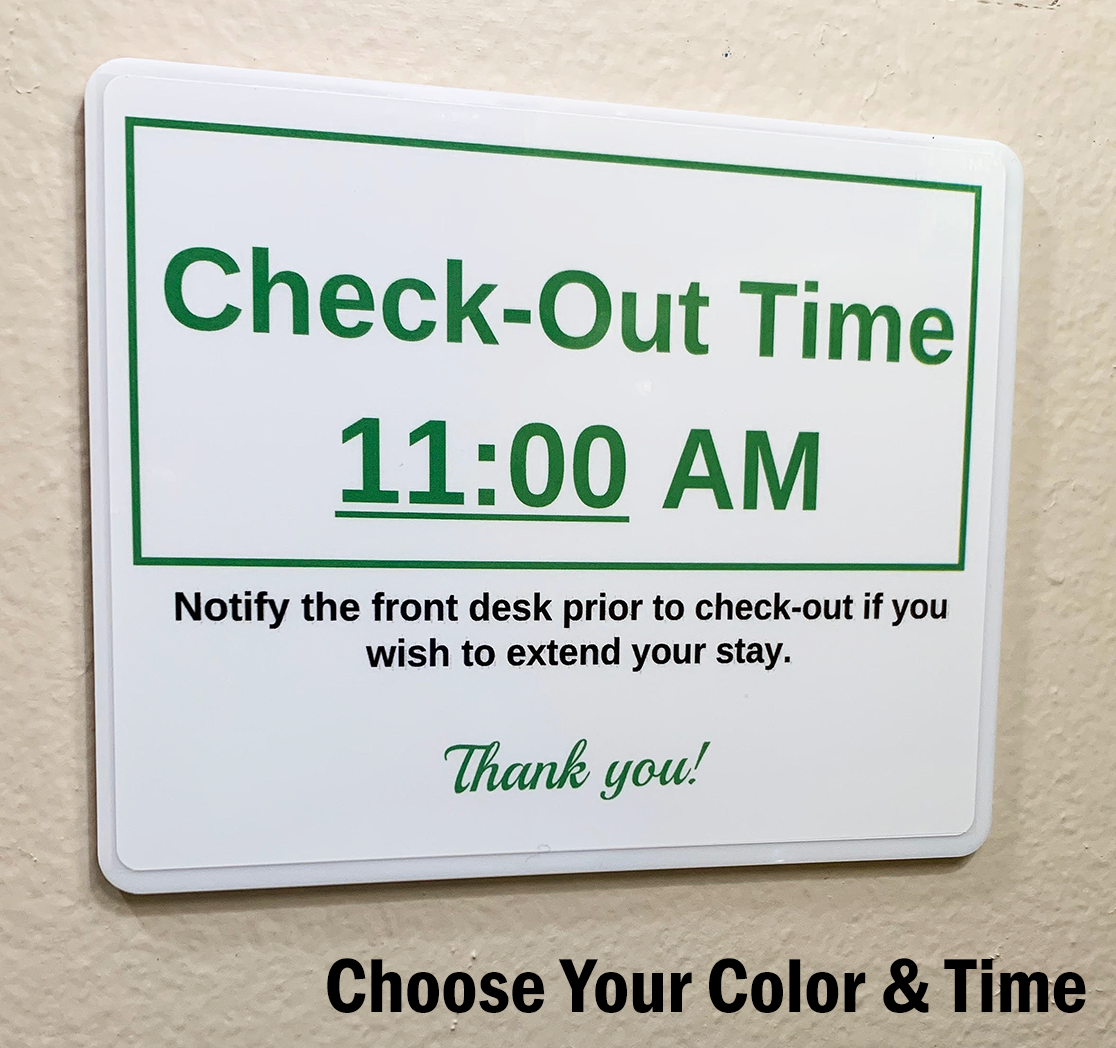
- Standard Check-Out Time: Most hotels require guests to check out by 10:00 AM, 11:00 AM, or 12:00 PM (noon). This morning deadline creates the necessary window for housekeeping to begin their crucial work.
It’s always prudent to confirm these exact times when you make your booking or directly with the hotel beforehand. This information is usually available on the hotel’s website, your booking confirmation from platforms like Expedia or Booking.com, or by simply calling the front desk.
The Impact on Your Travel Itinerary
Understanding these standard times is not just about avoiding penalties; it’s about optimizing your entire travel experience. Arriving at Singapore‘s Changi Airport at 7:00 AM and knowing your check-in isn’t until 3:00 PM means you have several hours to plan for. Similarly, if your flight from Rome departs late in the evening but check-out is at 11:00 AM, you’ll need a strategy for your luggage and activities during the interim.
Failing to account for these timings can lead to wasted time, unnecessary stress, and even additional costs if you’re forced to pay for an extra night or a half-day rate for early check-in or late check-out. Conversely, planning allows you to seamlessly integrate these gaps into your itinerary, perhaps by exploring nearby attractions like the Colosseum in Rome or enjoying hotel amenities.
Navigating Early Check-In and Late Check-Out
While standard times exist, the hospitality industry often demonstrates remarkable flexibility, especially for valued guests or during less busy periods. The ability to secure an early check-in or a late check-out can significantly enhance your travel comfort and convenience. However, it usually requires a bit of strategy and understanding of hotel operations.
Requesting Flexibility: Tips and Strategies
The best approach to requesting early check-in or late check-out is proactive communication and politeness.
- Communicate in Advance: Don’t wait until the last minute. If you know your flight arrives early or departs late, contact the hotel a few days before your arrival or during your stay. A simple phone call or email can go a long way. Explain your situation politely.
- Be Realistic: Understand that early check-in or late check-out is often subject to room availability. If the hotel is fully booked or expecting a high volume of arrivals/departures, their capacity for flexibility might be limited. A hotel like The Ritz-Carlton might be more accommodating than a budget roadside motel due to higher staffing levels and a focus on premium service.
- Arrive Prepared: Even if early check-in isn’t guaranteed, arriving at the hotel a bit early allows you to complete the check-in process, drop off your luggage, and potentially use hotel facilities while you wait. Similarly, for late check-out, having your bags packed and ready to go can make the transition smoother.
- Consider Your Arrival/Departure Day: Weekends and peak seasons are generally less flexible. If you’re staying mid-week or during an off-peak period, your chances of securing a complimentary early check-in or late check-out increase significantly.
- Be a Valued Guest: Repeat guests or those with loyalty program status often receive preferential treatment. We’ll delve into this more below.
Who Gets Priority? Loyalty Programs and Room Availability
Not all guests are treated equally when it comes to flexibility, and for good reason. Hotels prioritize guests based on several factors:
- Loyalty Program Status: This is arguably the most significant factor. Elite members of hotel loyalty programs like Marriott Bonvoy, Hilton Honors, or Accor Hotels often enjoy guaranteed late check-out (sometimes as late as 2:00 PM or 4:00 PM) and prioritized early check-in, subject to availability. These programs are designed to reward frequent travelers and encourage brand loyalty, making membership a valuable asset for flexible travel.
- Room Availability: The most critical determinant for both early check-in and late check-out is whether the room category you’ve booked is available. For early check-in, the hotel needs a clean room ready before standard check-in time. For late check-out, your room cannot be assigned to another arriving guest. If the hotel is at low occupancy, flexibility is much easier to grant.
- Booking Channel: Sometimes, booking directly with the hotel or through their official app can give you a slight edge, as hotels often reserve their best benefits for direct bookings.
Potential Costs and Fees
While complimentary flexibility is ideal, it’s not always possible. Hotels may offer early check-in or late check-out for a fee. This is a common practice, especially during busy periods or if you require an extended period beyond the standard flexible allowance.
- Hourly Rates: Some hotels charge an hourly rate for late check-out, particularly if you only need an extra hour or two.
- Half-Day Rate: For a more substantial extension, you might be offered a “half-day rate,” which could be 30-50% of the daily room rate. This is common if you need to stay until late afternoon.
- Full Night Rate: If you need to extend your stay significantly, perhaps until late evening, the hotel might charge you for an additional full night. This ensures they don’t miss out on revenue from a potential new guest and covers the full cost of housekeeping and utilities.
Always inquire about potential fees upfront. Understanding the cost allows you to weigh the convenience against your budget, making an informed decision. Sometimes, the peace of mind of having your room for an extra few hours is well worth the additional expense, especially for business travelers needing a quiet space or families with young children needing a nap.
Maximizing Your Time: When Flexibility Pays Off
Securing early check-in or late check-out isn’t just a luxury; it can be a strategic move that significantly improves your travel experience.
- Red-Eye Flights: Arriving on an early morning red-eye flight, especially after crossing multiple time zones, can leave you exhausted. An early check-in means you can freshen up, take a nap, and start your day energized, rather than trying to power through until the afternoon.
- Business Meetings: For business travelers, a late check-out can provide a crucial quiet space to prepare for or decompress after a meeting, perhaps in a city like Dubai where schedules can be intense.
- Leisure and Relaxation: If you’re on a leisure trip, an extended check-out allows you to enjoy the hotel’s amenities for longer, perhaps one last swim in the pool, a final gym session, or a leisurely breakfast without feeling rushed.
- Connecting Flights: For those with long layovers or connecting flights, an extended stay can provide a comfortable retreat instead of lingering at the airport.
Beyond the Standard: Special Circumstances and Hotel Types
While the 3 PM check-in and 11 AM check-out are widespread, the specific nature of your accommodation and its location can introduce unique variations to these timings. Understanding these nuances is crucial for diverse travel experiences, from luxurious getaways to self-catering adventures.
Luxury Resorts vs. Budget Hotels: Different Approaches
The type of property often dictates the level of flexibility and service you can expect regarding check-in and check-out.
- Luxury Resorts and Boutique Hotels: High-end establishments, such as those found in exclusive destinations or major cities like New York City near Times Square, often pride themselves on personalized service. They might be more proactive in offering early check-in or late check-out, especially to repeat guests or those with high loyalty status. Their higher staffing levels can also mean quicker room turnovers, allowing for greater flexibility. Expect these properties to go the extra mile to accommodate reasonable requests, sometimes even providing a temporary hospitality suite if your room isn’t ready.
- Budget and Mid-Range Hotels: While still aiming for good service, budget-friendly and mid-range hotels often operate with leaner staff and tighter margins. This can mean less wiggle room for complimentary early check-in or late check-out. They might be more inclined to charge a fee for extensions or adhere strictly to published times, as their primary focus is efficiency and volume. However, a polite request never hurts, especially during off-peak seasons.
Apartments and Vacation Rentals: Unique Timelines
Unlike traditional hotels, vacation rentals, whether booked through platforms like Airbnb or independent agencies, often have a different set of rules.
- Key Handovers: Many vacation rentals require a physical key handover or have specific instructions for lockbox access, which can be time-sensitive. The owner or a representative may need to meet you, so flexibility depends on their schedule.
- Dedicated Cleaning Services: These properties typically rely on third-party cleaning services, which have their own fixed schedules. Cleaners might only be available at specific times, making early check-in or late check-out more challenging to arrange spontaneously.
- Direct Communication: With vacation rentals, direct communication with the host is paramount. They might be more flexible if given ample notice, but it’s often a case-by-case basis. Always clarify check-in/check-out times and procedures well in advance, and discuss any special requests.
International Variations: A Global Perspective
While the 3 PM/11 AM rule is a common benchmark, slight variations can be observed across different regions and cultures.
- Europe: Many European hotels, especially in popular tourist cities, tend to adhere closely to standard times, often due to high occupancy and efficient operational models. However, boutique hotels might offer more personalized flexibility.
- Asia-Pacific: In regions like Asia Pacific, particularly in countries known for exceptional service like Japan or Thailand, hotels might proactively offer small courtesies if their schedule allows. However, they also face extremely high occupancy rates in major hubs like Tokyo, which can limit spontaneous flexibility. Resorts, especially those designed for longer stays, might be more accommodating.
- North America: The 3 PM/11 AM standard is very prevalent across North America. Loyalty programs play a significant role here, with elite members receiving considerable benefits regarding check-in/out flexibility.
- Middle East and Africa: Luxury properties in places like the Middle East often set a high bar for service and can be quite accommodating, especially if you have status or are staying in a premium suite. However, in regions across Africa with smaller, independent hotels, flexibility might vary greatly.
Always check the specific hotel’s policy, as it can differ even within the same country or brand.
The Role of Digital Innovation: Seamless Stays
Technology is increasingly playing a role in streamlining the check-in and check-out process, offering new avenues for flexibility and convenience.
- Mobile Check-In/Keyless Entry: Many major hotel chains now offer mobile check-in through their apps. This allows you to check in before you even arrive, and sometimes even choose your room. While it doesn’t always guarantee an early room, it speeds up the process significantly upon arrival. Keyless entry via your smartphone further streamlines access, bypassing the front desk entirely.
- Digital Requests: Some hotel apps or in-room tablets allow you to digitally request late check-out. This can be more convenient than calling the front desk, and the system might provide an immediate response based on real-time availability.
- Automated Communication: Hotels are also using automated messages to communicate check-in readiness or to offer late check-out options, making the process more transparent and efficient for guests.
These digital tools, while not replacing human interaction, certainly enhance the potential for a smoother, more flexible stay, particularly for tech-savvy travelers.
Practical Solutions for In-Between Times
Despite the best planning and negotiation, there will be instances where early check-in or late check-out isn’t possible. This often leaves travelers with a few hours to spare between vacating their room and their departure. Rather than feeling stranded, consider these practical solutions to make the most of your time.
Luggage Storage Services: Your Best Friend
Perhaps the most common and convenient solution for bridging the gap between check-out and departure is utilizing luggage storage services. Almost all hotels, from budget-friendly options to opulent resorts like the Marina Bay Sands in Singapore, offer this service.
- Hotel Bell Desk: Upon check-out, simply inform the front desk or bell staff that you’d like to store your luggage. They will tag your bags and provide you with a claim ticket. Your belongings will be stored securely, often in a dedicated luggage room. This service is usually complimentary, though a small tip for the bell staff is always appreciated.
- Dedicated Luggage Storage Facilities: In major cities, especially near airports, train stations, or popular attractions, you might find independent luggage storage services. These can be particularly useful if you’ve checked out of an Airbnb or prefer not to return to your hotel later. Apps and websites can help you locate these services.
With your luggage safely stowed, you’re free to explore without the burden of heavy bags, turning a potential inconvenience into an opportunity for further adventure.
Utilizing Hotel Amenities Before/After Your Stay
Even if you no longer have access to your room, most hotels are happy for you to continue using their public amenities. This is a fantastic way to extend your comfortable stay without additional cost.
- Lounge Areas: Relax in the hotel lobby or a designated guest lounge. Many hotels offer comfortable seating, Wi-Fi, and sometimes even complimentary refreshments, making it an ideal spot to catch up on emails or simply unwind.
- Fitness Centers and Pools: If you have some time, why not squeeze in a final workout or a refreshing swim? Just ensure you have appropriate changing facilities (perhaps a public restroom or the hotel’s locker room, if available).
- Business Centers: Need to print a boarding pass or do some last-minute work? The hotel’s business center is usually accessible to all guests, even after check-out.
- Restaurants and Cafes: Enjoy a final meal or coffee at the hotel’s on-site restaurant or café. It’s a convenient way to pass the time and enjoy the ambiance.
Remember to ask at the front desk about which amenities are available for use after check-out. Most hotels are accommodating, understanding that guests might have later flights or plans.
Exploring the Local Area: Immediate Adventures
Having a few hours between check-out and departure can be an unexpected gift, offering a chance to discover more of your destination without being tied down by a fixed itinerary.
- Nearby Attractions: Research local landmarks or attractions that are close to your hotel. If you’re staying near Shinjuku Gyoen National Garden in Tokyo, for instance, it’s perfect for a leisurely stroll. In London, a visit to Buckingham Palace might be feasible.
- Local Cafes and Markets: Immerse yourself in the local culture by visiting a nearby cafe for a coffee or exploring a local market. It’s a great way to experience authentic daily life and perhaps pick up some last-minute souvenirs.
- Walking Tours: Many cities offer short walking tours that can be completed in a few hours, providing insights into history and local life.
- Shopping: If your hotel is near shopping districts, it’s an excellent opportunity for some retail therapy.
The key is to plan light activities that don’t require too much travel time or complex logistics, ensuring you get back to retrieve your luggage and head to your next destination well in advance of your flight or train.
In conclusion, while hotel check-in and check-out times are a standard part of the travel experience, they don’t have to be a source of stress. By understanding the rationale, communicating proactively, leveraging loyalty benefits, and knowing the practical solutions available, you can navigate these transitions seamlessly. A well-planned approach ensures that your travel experience remains enjoyable from the moment you arrive until your final departure.