
When planning a journey to the heart of the American West, one might naturally wonder about the local time. For a state as geographically diverse and captivating as Idaho, the answer to “What time is Idaho?” is not as straightforward as it might seem. This fascinating state, known for its rugged mountains, pristine lakes, vast wilderness, and vibrant cities, actually spans two distinct time zones. Understanding this unique temporal division is not just a matter of setting your watch; it’s a crucial first step in meticulously planning your adventure, ensuring seamless travel, and fully immersing yourself in the rich tapestry of experiences that the Gem State has to offer. From bustling urban centers to serene natural wonders, Idaho invites travelers to discover a land where time, in many ways, feels both divided and delightfully timeless.
This comprehensive guide will delve into the intricacies of Idaho’s time zones, explain why these distinctions are important for travelers, and illuminate the incredible array of destinations, accommodations, and activities that await, regardless of which clock you’re consulting. Whether you’re chasing the thrill of whitewater rafting, seeking solace in a luxury resort, or exploring the cultural nuances of its dynamic cities, mastering Idaho’s temporal landscape is key to unlocking an unforgettable experience.
A Tale of Two Time Zones: Understanding Idaho’s Unique Clock
The continental United States is carved into several time zones, a practical solution for coordinating activities across a vast landmass. Most states adhere to a single time zone, but a select few, due to their expansive east-west stretch or geographical alignments, straddle two. Idaho is one such state, gracefully bisected by a temporal boundary that shapes daily life and travel itineraries alike.
The Mountain Time Zone Majority
The vast majority of Idaho, encompassing its southern and central regions, operates on Mountain Time Zone (MT). This includes the state’s capital and largest city, Boise, along with other prominent areas such as Sun Valley, Idaho Falls, Twin Falls, and Pocatello. When it’s 12:00 PM in New York City (Eastern Time), it’s 10:00 AM in Boise. This alignment with Mountain Time Zone positions much of Idaho in sync with neighboring states like Utah, Colorado, and Montana, facilitating regional coordination and travel. Travelers flying into Boise Airport or driving through the southern plains and central mountains will find themselves firmly on Mountain Time.
The Pacific Time Zone Slice: Northern Idaho’s Distinct Rhythm
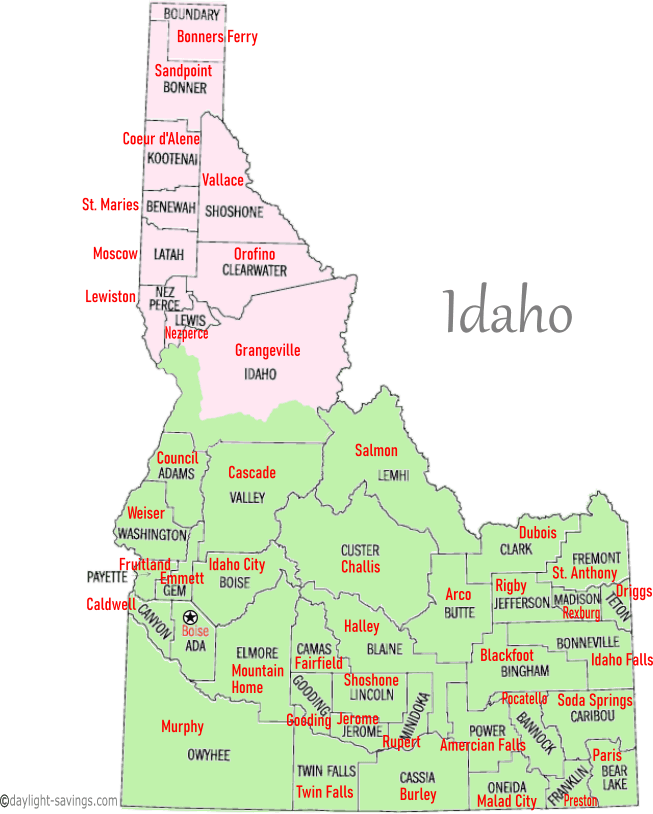
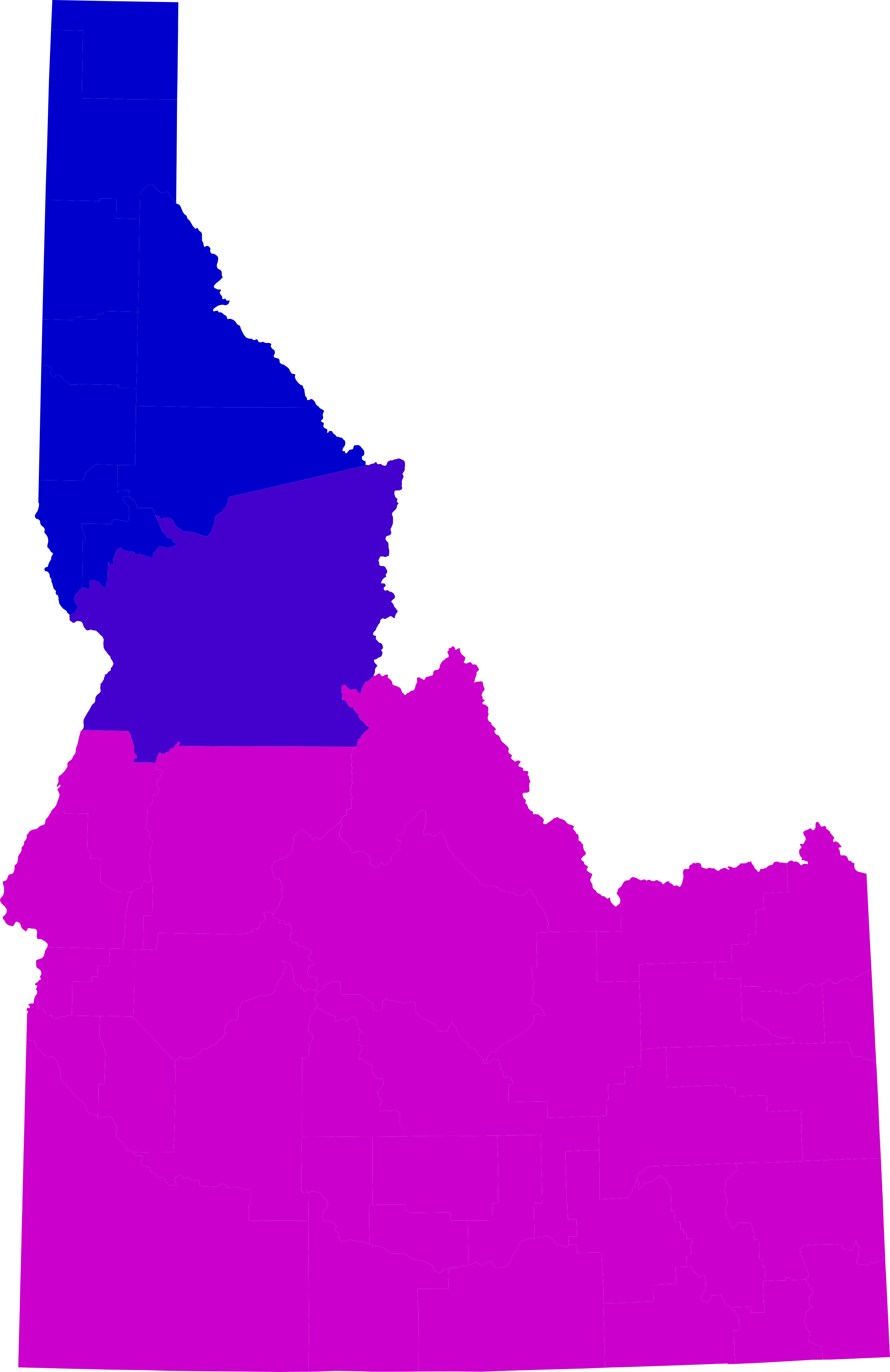
A significant portion of northern Idaho operates on Pacific Time Zone (PT). This includes major northern cities like Coeur d’Alene, Sandpoint, and Lewiston. This temporal division roughly follows the Salmon River and the Payette National Forest, extending north to the Canadian border. Being on Pacific Time means these areas are one hour behind Mountain Time and three hours behind Eastern Time. This alignment is largely due to Northern Idaho’s close proximity and strong economic and social ties to Eastern Washington and Oregon, both of which observe Pacific Time. For instance, if it’s 10:00 AM in Boise, it will be 9:00 AM in Coeur d’Alene.
The time zone boundary is not always a perfectly straight line; it often follows county lines for practical purposes. Generally, counties north of the Salmon River are on Pacific Time, while those to the south are on Mountain Time. Travelers driving across the state, especially from south to north or vice-versa, will undoubtedly cross this invisible line, necessitating a one-hour adjustment to their internal clocks and devices.
Daylight Saving Time: Adjusting the Clocks
Like most of the United States, Idaho observes Daylight Saving Time. This means that on the second Sunday in March, clocks spring forward one hour, and on the first Sunday in November, they fall back one hour. This practice applies uniformly across both the Mountain Time Zone and Pacific Time Zone portions of the state. So, while the absolute time changes, the one-hour difference between northern and southern Idaho remains constant throughout the year. Always double-check local times, especially when booking flights, making reservations, or planning activities that straddle the time zone boundary during the transition periods of Daylight Saving Time.
Why Time Zones Matter for Your Idaho Journey
Beyond simply knowing what time it is, understanding Idaho’s dual time zones is paramount for a smooth, stress-free, and enjoyable travel experience. It impacts everything from flight connections to dining reservations and ensures you make the most of every precious moment in the Gem State.
Seamless Travel Planning: Avoiding Scheduling Pitfalls
For travelers flying into Idaho, particularly if your journey involves connecting flights or driving across the state, knowing the time zones is critical. Imagine landing in Boise (Mountain Time Zone) and having a pre-booked car rental pickup or hotel check-in in Coeur d’Alene (Pacific Time Zone). A simple oversight could lead to missing your reservation or arriving an hour late, impacting your entire itinerary. The same applies to booking tours, excursions, or even restaurant reservations. Always confirm the local time zone for each specific destination within Idaho to avoid any scheduling mishaps.
When booking accommodations, it’s wise to double-check the time zone of your chosen hotel, resort, or vacation rental. For example, if you’re staying at The Coeur d’Alene Resort in the north, you’ll be operating on Pacific Time, whereas a stay at The Sun Valley Lodge in the central part of the state means adhering to Mountain Time. This also extends to business travelers who might have virtual meetings or calls scheduled across different parts of the state or with clients outside Idaho.
Business and Connectivity: Staying on Schedule
For business travelers or those working remotely while exploring Idaho, the time zone differential takes on added significance. Coordinating meetings, conference calls, or project deadlines with colleagues in different time zones, whether within Idaho or across the country, requires careful attention. A scheduled 9:00 AM meeting might be 8:00 AM for someone in Lewiston and 11:00 AM for a counterpart on the East Coast. Modern smartphones and computers usually adjust automatically, but it’s always prudent to manually confirm when planning critical engagements. This foresight ensures you remain professional, punctual, and productive, even amidst the allure of Idaho’s scenic beauty. Many hotels, especially those catering to business guests like the Hyatt Place Boise Downtown or similar establishments in northern Idaho, offer robust Wi-Fi and business amenities, making it easier to stay connected, provided you’re mindful of the clock.
Embracing the Pace: From City Bustle to Wilderness Calm
Beyond the practicalities, understanding the time zones can subtly influence your perception of Idaho’s pace. The early morning light hits Idaho Falls an hour before it reaches Sandpoint, offering a slightly different rhythm to the start of the day depending on your location. In the bustling capital of Boise, you might find urban life kicking into gear on Mountain Time, while the lakeside towns of Northern Idaho might have a more relaxed, later start, aligning with the Pacific Time Zone’s slightly delayed clock.
This subtle difference can be embraced as part of the unique travel experience, allowing you to appreciate the varied lifestyles across the state. Whether you’re an early bird keen to hit the slopes at Bogus Basin (Mountain Time) or prefer a leisurely morning coffee before exploring the shores of Lake Coeur d’Alene (Pacific Time), Idaho’s dual time zones simply add another layer of charm to its diverse landscape.

Beyond the Clock: Timeless Experiences Await in Idaho
While knowing the time in Idaho is essential, the true essence of the Gem State lies in its boundless opportunities for adventure, relaxation, and cultural immersion. Idaho is a destination where natural beauty reigns supreme, offering diverse landscapes from volcanic plains to dense forests and crystalline lakes.
Iconic Destinations and Natural Wonders
Idaho’s landscape is a playground for outdoor enthusiasts and a haven for those seeking natural beauty. In the Mountain Time Zone part of the state, you can explore the lunar-like landscapes of Craters of the Moon National Monument and Preserve, a stark and beautiful testament to ancient volcanic activity. Near Twin Falls, the majestic Shoshone Falls (often called the “Niagara of the West”) tumbles dramatically into the Snake River Canyon. For the ultimate wilderness experience, portions of Yellowstone National Park are accessible from eastern Idaho, offering geothermal wonders and abundant wildlife viewing opportunities. The expansive Frank Church-River of No Return Wilderness provides unparalleled opportunities for river rafting, hiking, and remote exploration, truly embodying the “wild west” spirit.
Heading north into the Pacific Time Zone, the shimmering waters of Lake Coeur d’Alene are a centerpiece, offering boating, fishing, and stunning scenic cruises. Nearby, Silverwood Theme Park promises family-friendly thrills. Winter sports enthusiasts will flock to Schweitzer Mountain Resort near Sandpoint, known for its incredible skiing and panoramic views. Even Hells Canyon, North America’s deepest river gorge carved by the Snake River, offers breathtaking vistas and adventure sports, straddling the Idaho-Oregon border and influenced by the Pacific Time Zone on its western edge.
From Boise to Coeur d’Alene: Accommodation for Every Traveler
Idaho’s commitment to tourism and hospitality is evident in its diverse range of accommodation options. Whether you’re seeking luxury, budget-friendly stays, family-oriented resorts, or secluded wilderness cabins, the state caters to every preference.
In Boise, the capital city, you’ll find a wide selection of hotels, from boutique stays in the vibrant downtown area to well-known chain hotels, catering to both business and leisure travelers. Many offer modern amenities, proximity to the Boise River Greenbelt, and easy access to cultural attractions like the Boise Art Museum or the Idaho State Capitol Building. For a touch of luxury, Sun Valley boasts world-class resorts and lodges, famous for their winter sports and summer activities.
Up north, Coeur d’Alene is renowned for its lakeside resorts, including the iconic The Coeur d’Alene Resort with its floating green. These accommodations often provide stunning lake views, spa services, and access to water sports. Smaller towns throughout Idaho offer charming bed & breakfasts, rustic cabins, and convenient motels, perfect for road trippers or those exploring national forests and wilderness areas. For longer stays or family trips, consider vacation rentals or apartments, particularly popular around ski resorts like Tamarack Resort or the lake regions. Booking in advance, especially during peak seasons, is always recommended to secure the best rates and desired amenities.
Culinary Delights and Local Culture
Idaho’s tourism extends beyond its landscapes to its local culture and burgeoning culinary scene. Of course, the state is synonymous with potatoes, and you’ll find innovative and delicious ways they’re prepared across the state. But the food scene is far richer, with farm-to-table restaurants thriving, especially in Boise and Coeur d’Alene. Discover local delicacies like huckleberries (a beloved wild berry), fresh trout from Idaho’s pristine rivers, and a vibrant craft beer and wine industry. Many towns host farmers’ markets, allowing visitors to sample local produce and artisanal goods.
Culturally, Idaho offers a blend of Western heritage, Native American history, and a growing arts scene. Explore historic mining towns, visit museums detailing the state’s pioneering past, or attend local festivals celebrating everything from potatoes to jazz. Engaging with local guides can provide invaluable insights into the unique customs, traditions, and hidden gems that make Idaho such a special place to visit.
Planning Your Idaho Escape: Tips for a Seamless Experience
With its diverse landscapes, rich culture, and dual time zones, planning an Idaho trip requires a bit of foresight. Here are some tips to ensure your journey is as smooth and enjoyable as possible.
Essential Packing and Preparation
Packing for Idaho means preparing for varied climates and activities. Regardless of the time zone, the state experiences distinct seasons. Bring layers, as temperatures can fluctuate dramatically, especially in mountainous regions. For outdoor adventures, sturdy hiking boots, rain gear, and appropriate athletic wear are a must. Don’t forget sunscreen, a hat, and insect repellent for summer explorations. In winter, prepare for cold temperatures, snow, and ice, particularly if you plan on skiing or snowshoeing. A good camera is essential to capture the stunning vistas, and a portable charger for your devices will keep you connected, no matter which time zone you’re in.
Before you travel, download offline maps of areas where cell service might be spotty, especially if you’re venturing into remote wilderness or crossing time zone boundaries. Confirm all your bookings – flights, hotels, tours, and car rentals – noting the exact local time zones for each.
Maximizing Your Time: Itineraries and Activities
Crafting an itinerary that balances exploration with relaxation is key to maximizing your Idaho experience. If you plan to traverse both the Mountain Time Zone and Pacific Time Zone regions, allocate travel time for the one-hour shift. For example, if driving from Boise to Coeur d’Alene, the journey itself is several hours, plus you’ll “lose” an hour going west (or “gain” an hour coming east). Factor this into your arrival times for any scheduled activities.
Consider themed itineraries: a “Southern Idaho Adventure” focusing on Boise, Sun Valley, and the Snake River Canyon, or a “Northern Idaho Lakeside Retreat” centered around Lake Coeur d’Alene, Sandpoint, and the St. Joe River. For family trips, incorporate attractions like Silverwood Theme Park or whitewater rafting. For business stays, ensure your hotel has good connectivity and plan your meetings around the appropriate local times. Local tourism boards and online travel guides offer a wealth of information to help you build the perfect custom itinerary.
Budget to Luxury: Crafting Your Perfect Stay
Idaho caters to all budgets and preferences. Luxury travelers can indulge in high-end resorts and exclusive dining experiences in Sun Valley or Coeur d’Alene. For those on a budget, camping in one of Idaho’s many state parks or national forests offers an affordable way to experience its natural beauty, often with minimal fees. Mid-range options abound, from comfortable hotels in urban centers to charming cabins in scenic areas.
Comparison websites and booking platforms are invaluable tools for finding deals on flights and accommodations. Look for packages that bundle lodging with activities, especially during off-peak seasons, to stretch your travel budget further. Long-term stays can often be more cost-effective, particularly if you’re utilizing vacation rentals or extended-stay hotels. Idaho offers a unique lifestyle, whether it’s the thrill of adventure or the tranquility of nature, and with careful planning, it’s accessible to every type of traveler.
In conclusion, “What time is Idaho?” is more than just a question about clocks; it’s an invitation to explore a state rich in contrasts and wonders. By understanding its dual time zones and embracing the unique rhythm of each region, you’re not just setting your watch correctly – you’re preparing yourself for a seamless, memorable, and truly timeless adventure in the magnificent Gem State. From the high peaks of the Mountain Time Zone to the serene lakes of the Pacific Time Zone, Idaho awaits your discovery, ready to captivate your senses and leave you with cherished memories for years to come.
LifeOutOfTheBox is a participant in the Amazon Services LLC Associates Program, an affiliate advertising program designed to provide a means for sites to earn advertising fees by advertising and linking to Amazon.com. Amazon, the Amazon logo, AmazonSupply, and the AmazonSupply logo are trademarks of Amazon.com, Inc. or its affiliates. As an Amazon Associate we earn affiliate commissions from qualifying purchases.