
For travelers embarking on a journey through the Southern United States, understanding local time zones is often an overlooked, yet crucial, detail. While seemingly a minor point, knowing “what time is in Alabama?” can be the difference between a seamless vacation and a series of missed connections, late arrivals, or simply feeling out of sync. Alabama, a state renowned for its deep history, vibrant culture, stunning natural beauty, and warm hospitality, primarily operates within one time zone, but with a fascinating and important exception that every visitor should be aware of.
This guide delves into Alabama’s time zones, explains the nuances of Daylight Saving Time, and, more importantly, illustrates why these seemingly small details are fundamental for anyone planning to explore its diverse offerings. From booking your ideal hotel in Birmingham to catching a sunset over the Gulf Shores, a firm grasp of the clock ensures your travel experience is as smooth and enjoyable as possible. We’ll transition from the practicalities of timekeeping to a broader exploration of what makes Alabama an unforgettable travel destination, covering everything from its iconic landmarks and rich tourism experiences to diverse accommodation options and unique lifestyle opportunities.
Unraveling Alabama’s Time Zones: Central Time Dominance with a Twist
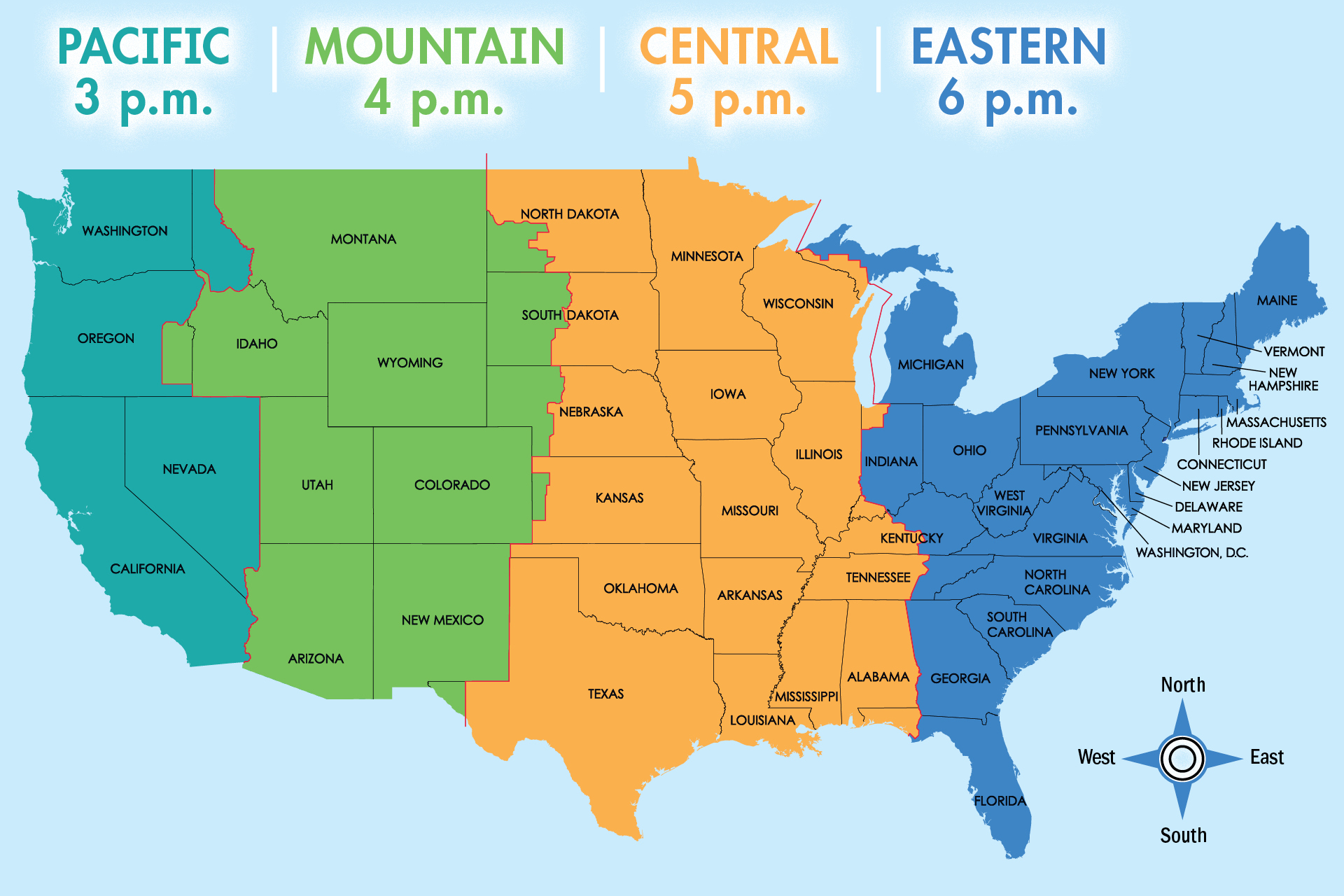
The vast majority of Alabama observes Central Time (CT), which aligns with the rhythm of many states across the central United States. However, for a small but significant portion of the state, particularly near its eastern border, a different clock governs daily life. Understanding these distinctions is paramount for effective planning.
Central Standard Time (CST) and Central Daylight Time (CDT)
For approximately 98% of Alabama, the standard time is Central Standard Time (CST), which is 6 hours behind Coordinated Universal Time (UTC-6). This is the time observed during the cooler months.
However, like most of the United States, Alabama participates in Daylight Saving Time (DST). When DST is in effect, Central Time shifts to Central Daylight Time (CDT), which is UTC-5. This change occurs annually on the second Sunday in March, when clocks “spring forward” one hour, and reverts back on the first Sunday in November, when clocks “fall back” one hour to CST.
For travelers, this means a few critical considerations:
- Flight Schedules: Always confirm your flight times. An early morning flight in March could be affected by the “spring forward,” potentially causing you to miss it if you don’t adjust your internal clock.
- Hotel Check-ins/Check-outs: While most hotels are clear about their check-in and check-out times, being aware of the DST transition prevents any confusion about when your room will be ready or when you need to depart.
- Tour and Attraction Bookings: Guided tours, museum visits, and outdoor activities often have strict start times. A time zone miscalculation could lead to missing your pre-booked slot, especially when crossing into or out of Alabama during these transitional periods.
- Dining Reservations: A dinner reservation at 7:00 PM local time could feel like 8:00 PM to your body if you’ve just traveled from a state observing a different time, or if you’ve recently experienced a DST shift.
Being mindful of Daylight Saving Time ensures you’re always punctual and can fully enjoy the vibrant culture and engaging activities Alabama has to offer, from a brunch in Montgomery to a late-night music session in Muscle Shoals.
The Eastern Time Zone Enigma: Phenix City and Lee County
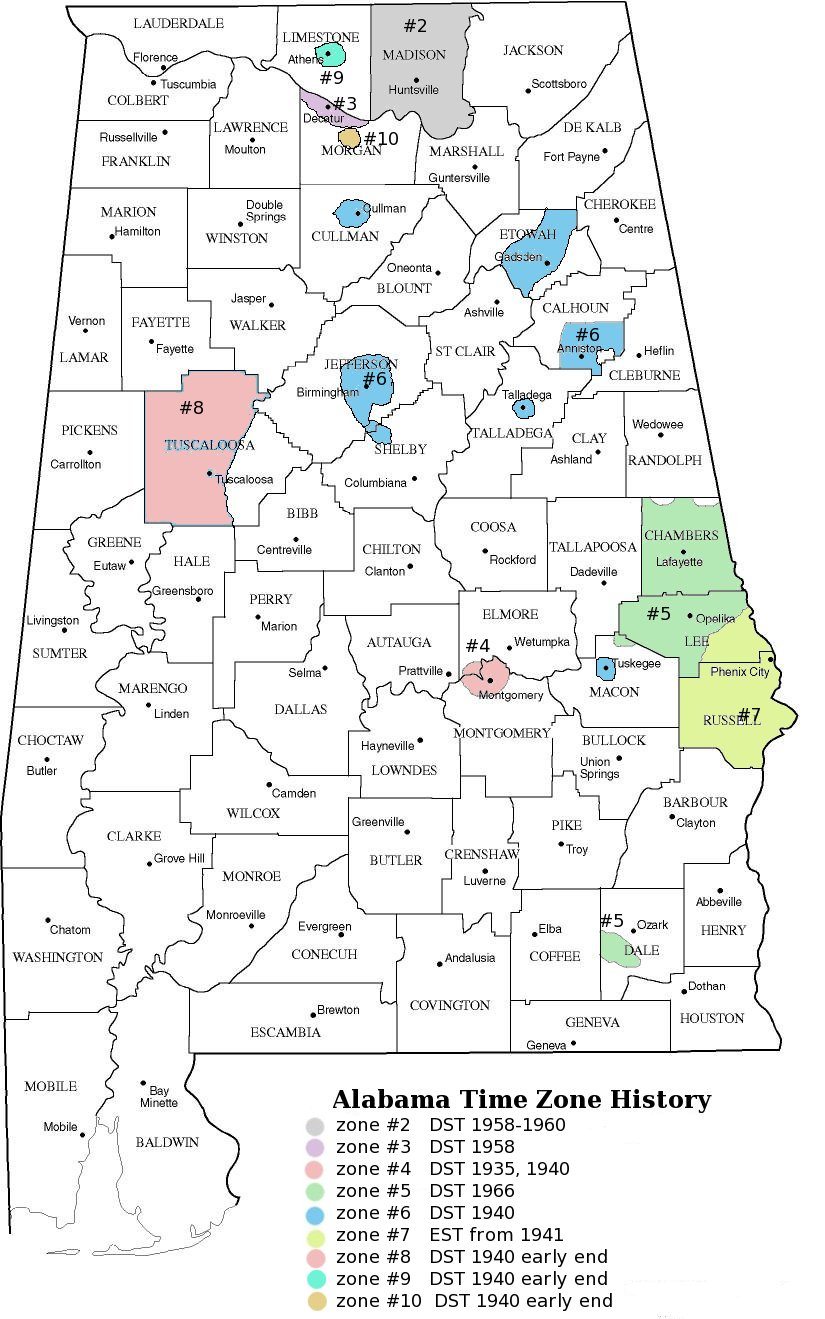
Here lies the unique twist in Alabama’s timekeeping: the city of Phenix City and parts of surrounding Lee County often observe Eastern Time (ET). While legally part of the Central Time Zone, Phenix City practically aligns itself with Columbus, Georgia, its larger neighbor directly across the Chattahoochee River. Columbus, Georgia operates on Eastern Time.
This practical decision is driven by economic and social integration. Many residents of Phenix City commute to Columbus for work, school, and other services, and businesses often operate in sync with their Georgia counterparts. As a result, even though the state line technically marks a time zone boundary, Phenix City effectively functions an hour ahead of the rest of Central Time Alabama.
For travelers, this means:
- Double-Checking Schedules: If your itinerary includes Phenix City or the easternmost parts of Lee County, always confirm the local time for any appointments, tours, or dining reservations.
- Communication: When coordinating with locals or businesses in this specific area, clarify whether they are operating on Central Time or Eastern Time to avoid confusion.
- GPS and Phone Clocks: While most smartphones and GPS devices automatically adjust to time zones, it’s wise to manually verify when you’re in this unique border area. Sometimes, the automatic adjustment might default to the legal time zone (Central) rather than the practical one (Eastern).
This small but significant detail adds an interesting layer to navigating Alabama, underscoring the importance of being informed and prepared for a truly seamless travel experience.
Beyond the Clock: Why Understanding Alabama’s Time Matters for Travelers
Knowing the exact time in Alabama goes far beyond mere punctuality; it’s a foundational element for effective travel planning and maximizing your engagement with the state’s offerings. From the moment you begin envisioning your itinerary to the final farewell, time zone awareness plays a critical role.
Seamless Travel Planning and Logistics
Every aspect of modern travel hinges on precise timing. A missed connection or a late arrival can throw an entire trip off schedule, leading to stress, additional costs, and lost opportunities to explore.
- Flights, Trains, and Buses: Whether you’re flying into Birmingham-Shuttlesworth International Airport, taking an Amtrak train, or using intercity bus services, arrival and departure times are always quoted in local time. If you’re traveling from a different time zone, failing to adjust can lead to missing your transportation, especially if you cross into Alabama from an Eastern Time state like Georgia or Florida. A one-hour difference can be the critical factor between a smooth transfer and a frantic sprint or an unexpected layover.
- Hotel Check-ins and Check-outs: Most hotels and accommodation providers, from luxury resorts to budget-friendly apartments, have strict check-in and check-out times. Arriving too early might mean a wait, while checking out late could incur additional fees. Knowing the local time ensures you arrive when your room is ready and depart without penalties, allowing you to seamlessly transition between stages of your journey. Imagine checking into a magnificent suite at The Grand Hotel Golf Resort & Spa in Point Clear – you wouldn’t want to miss a minute of that experience due to a time mix-up.
- Restaurant and Tour Bookings: Alabama’s culinary scene, with its famous Southern BBQ, fresh seafood, and farm-to-table restaurants, is a highlight for many visitors. Popular eateries and exclusive tours often require advance reservations. Missing a reservation due to a time zone miscalculation can be disappointing, especially if it’s for a highly sought-after experience. Similarly, if you’ve booked a guided tour of the U.S. Space & Rocket Center in Huntsville or a historical walk through Montgomery, being late means potentially missing crucial parts of the experience or delaying the entire group.
Maximizing Your Alabama Experience
Beyond the practicalities, understanding Alabama’s time zones allows you to fully immerse yourself in its local rhythm and capitalize on every moment of your trip.
- Synchronizing with Local Rhythms: Different regions have different peak hours for activities. For instance, knowing the local time helps you plan visits to popular attractions during less crowded periods or catch specific events like live music performances that start at a set time. It allows you to feel less like a tourist and more like a temporary local, enjoying the vibrant local culture.
- Avoiding Missed Attractions or Events: Many of Alabama’s landmarks and attractions have specific operating hours. Imagine planning a visit to the Birmingham Civil Rights Institute or Noccalula Falls Park, only to arrive after closing because you miscalculated the time. This is especially true for seasonal attractions or special events like festivals that often have precise schedules.
- Communicating with Family and Friends: Staying connected with loved ones back home is an important part of any travel experience. Knowing the time difference ensures you can call or video chat without disturbing them in the middle of the night, or missing out on important conversations. This small detail contributes significantly to your overall lifestyle satisfaction while traveling.
Discovering Alabama: A Timeless Journey Through Southern Charm
With the practicalities of time zones firmly established, it’s time to shift our focus to the myriad reasons why Alabama is a captivating travel destination. From its pivotal role in American history to its stunning natural landscapes and mouth-watering cuisine, Alabama offers a rich tapestry of experiences for every type of traveler.
Iconic Landmarks and Rich History
Alabama stands as a testament to significant moments in American history, particularly the Civil Rights Movement.
- Birmingham’s Civil Rights Legacy: Birmingham is a city steeped in history, serving as a crucial battleground during the Civil Rights Movement. Visitors can explore the profound exhibits at the Birmingham Civil Rights Institute, a powerful testament to the struggle for equality. Nearby, the historic 16th Street Baptist Church stands as a poignant reminder of the sacrifices made.
- Montgomery: The Cradle of the Civil Rights Movement: The state capital, Montgomery, is another essential stop for history buffs. Here, you can visit the Dexter Avenue King Memorial Baptist Church, where Dr. Martin Luther King Jr. preached. The Rosa Parks Museum and the powerful Civil Rights Memorial further illuminate the city’s pivotal role in shaping the nation.
- Huntsville’s Space Exploration: In stark contrast, Huntsville, known as “Rocket City,” offers a glimpse into America’s spacefaring ambitions. The U.S. Space & Rocket Center is a must-visit, housing one of the world’s largest collections of space artifacts, including a Saturn V rocket. It’s an inspiring experience for families and aspiring astronauts alike.
- Coastal Beauty and Natural Wonders: Alabama’s natural beauty is equally compelling. The pristine white-sand beaches of Gulf Shores and Orange Beach offer relaxing coastal escapes, perfect for sunbathing, swimming, and watersports. Dauphin Island, a charming barrier island, provides a tranquil setting for birdwatching and exploring historic Fort Gaines. Inland, adventurers can hike to the summit of Mount Cheaha, Alabama’s highest point, within Cheaha State Park, or marvel at the cascading waters of Noccalula Falls Park in Gadsden.
Culinary Delights and Local Culture
Alabama’s tourism appeal extends to its rich local culture and mouth-watering culinary traditions. The state is a paradise for foodies, offering authentic Southern comfort food, legendary BBQ, and incredibly fresh seafood along its Gulf Coast. Don’t miss the chance to savor classic dishes like fried green tomatoes, shrimp and grits, and pecan pie.
The state also boasts a vibrant music scene, particularly in Muscle Shoals, a legendary recording hub that has shaped American music history. Throughout the year, Alabama hosts numerous festivals celebrating everything from jazz and blues to shrimp and peaches, offering unique insights into local traditions and hospitality.
Accommodation and Lifestyle Choices
Whether you’re planning a luxurious getaway, a budget-friendly family trip, or a convenient business stay, Alabama offers a wide array of accommodation options to suit every lifestyle and preference.
- Luxury and Resorts: For those seeking indulgence, world-class resorts like The Grand Hotel Golf Resort & Spa in Point Clear offer exquisite suites, pristine golf courses, and luxurious amenities amidst breathtaking settings. Many coastal hotels provide direct beach access and premium services.
- Boutique Hotels and Budget Options: Charming boutique hotels can be found in historic downtowns, offering unique character and personalized service. For budget travelers or family trips, there are ample choices ranging from reputable chain hotels to comfortable motels and vacation rentals.
- Unique Stays: Consider booking a cozy cabin near Cheaha State Park for an outdoor adventure, a quaint villa on Dauphin Island, or a well-appointed apartment in a bustling city like Huntsville for a long-term stay. Booking platforms and comparison sites make it easy to find options that match your needs and read reviews.
- Activities for Every Lifestyle: Beyond history and relaxation, Alabama offers diverse activities. Golf enthusiasts will find numerous championship courses, while nature lovers can enjoy hiking, fishing, and kayaking in its many state parks and waterways. The Gulf Coast provides opportunities for deep-sea fishing, dolphin cruises, and paddleboarding.
Planning Your Alabama Adventure: Tips for a Smooth Trip
As you finalize your plans for an unforgettable journey through Alabama, keep these tips in mind to ensure a smooth and enjoyable experience, always with an eye on the clock.
First and foremost, always verify the local time for specific attractions, accommodations, and transportation schedules, especially if you are traveling during the Daylight Saving Time transitions or venturing into the Phenix City/Lee County area. A quick search on your phone or a call to the venue can prevent any confusion.
Consider the best time to visit Alabama based on your interests. Spring and fall offer pleasant weather perfect for exploring historical sites and outdoor activities without the intense summer heat. The summer months are ideal for enjoying the beaches of Gulf Shores and Orange Beach, but also coincide with peak tourist season.
When it comes to accommodation, it’s advisable to book ahead, particularly if you’re traveling during popular festivals or peak seasons. Utilize online booking platforms to find a variety of hotels, resorts, or vacation rentals, and don’t forget to check reviews for insights from fellow travelers.
Finally, embrace the Southern pace of life. While it’s important to be punctual for scheduled events, Alabama encourages a more relaxed approach to daily living. Allow yourself time to savor a meal, linger in a historic district, or simply enjoy the scenic beauty without constantly rushing. This approach, combined with a clear understanding of the local time, will ensure your Alabama travel experience is truly memorable and stress-free.
From the vibrant energy of its cities to the tranquil beauty of its coastlines and mountains, Alabama offers a rich tapestry of experiences waiting to be discovered. By taking a moment to understand “what time is in Alabama?” and planning accordingly, you set the stage for an enriching adventure through the heart of the South. Enjoy every moment of your journey!