
Planning a trip, making a reservation, or simply coordinating a call with someone in the Grand Canyon State? You might find yourself pausing to consider the time, and for good reason. Arizona holds a unique distinction among most U.S. states: it largely observes a consistent time zone all year round, eschewing the biannual ritual of Daylight Saving Time (DST). This seemingly minor detail can have significant implications for travelers, impacting everything from flight schedules and hotel check-ins to the timing of your eagerly anticipated Grand Canyon sunrise. Understanding Arizona’s peculiar relationship with time is not just a trivial pursuit; it’s an essential piece of knowledge for anyone looking to navigate its vibrant cities, breathtaking landscapes, and rich cultural experiences seamlessly.
For those accustomed to springing forward and falling back, Arizona’s steadfast approach to time can be a source of confusion. The state remains on Mountain Standard Time (MST) throughout the year. This means that for roughly half the year, from March to November, Arizona aligns with Pacific Daylight Time (PDT). When the rest of the Mountain Time Zone shifts to Mountain Daylight Time (MDT), Arizona stays put, effectively creating a one-hour difference with its neighboring states and often the very region it geographically belongs to. This time anomaly touches every aspect of a visit, from coordinating business meetings in Phoenix to timing your hike in Sedona, making it a crucial element in your travel planning. Whether you’re flying in from the East Coast, mapping out a multi-state road trip, or simply scheduling a dinner reservation, a grasp of Arizona’s unique temporal rhythm will ensure your adventure unfolds without a hitch. This article dives deep into the nuances of Arizona time, offering practical advice and insights to help you make the most of your journey to this captivating desert oasis.

Arizona’s Peculiar Relationship with Time: A Perpetual Standard
The question “What time is it in Arizona right now?” often carries more weight than in other places, primarily due to the state’s enduring commitment to Mountain Standard Time (MST) year-round. This decision sets Arizona apart, positioning it as one of the few regions in the United States that has largely opted out of observing Daylight Saving Time (DST). This consistency, while simplifying things in some regards, also introduces a layer of complexity for visitors accustomed to the bi-annual clock changes. Understanding this unique temporal landscape is fundamental for any traveler, from coordinating flight arrivals to optimizing your schedule for exploring the myriad attractions Arizona has to offer.
Understanding Arizona’s Time Zone: MST All Year Round
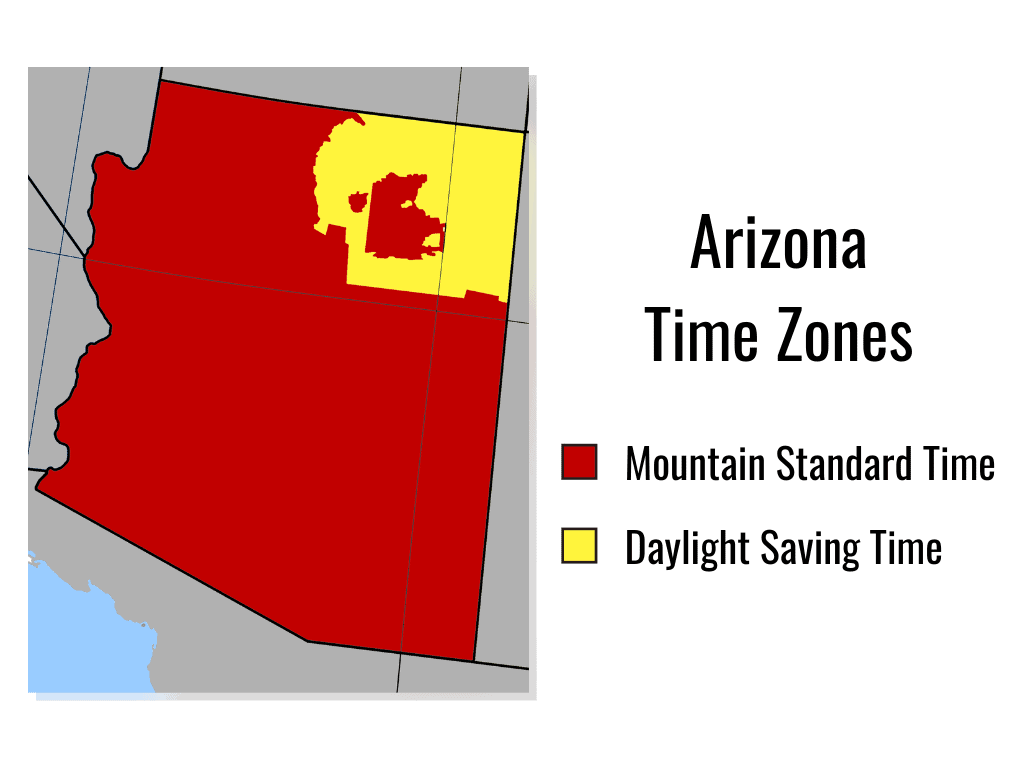
At its core, Arizona operates on Mountain Standard Time (UTC-7) throughout the entire year. Unlike most states in the Mountain Time Zone, which advance their clocks by an hour to Mountain Daylight Time (MDT) from early March to early November, Arizona remains fixed. This means that during the period when DST is in effect elsewhere, Arizona effectively syncs its clocks with Pacific Daylight Time (PDT). For example, if it’s 3 PM in Los Angeles (PDT), it’s also 3 PM in Phoenix. However, when DST ends in the fall, Arizona then becomes one hour behind California, reverting to the traditional Mountain Standard Time relationship.
This consistent MST observance covers most of the state, from bustling urban centers like Tucson to picturesque natural wonders. However, there’s one significant exception that adds another fascinating layer to Arizona’s time narrative: the Navajo Nation. This vast autonomous territory, spanning parts of northeastern Arizona, as well as New Mexico and Utah, does observe Daylight Saving Time. So, if you’re venturing through parts of the Navajo Nation within Arizona, you’ll need to remember to adjust your watch accordingly during DST months, creating a temporary time difference of one hour with the rest of the state. This unique geographical time split underscores the importance of being mindful of local time, especially when planning multi-stop itineraries that might traverse these distinct zones.
Historical Context: Why Arizona Opted Out of Daylight Saving
Arizona’s decision to forego Daylight Saving Time is rooted in a pragmatic understanding of its climate and lifestyle. The Uniform Time Act of 1966 established DST nationwide, but allowed states to opt out. Arizona made this choice in 1968. The primary reason is intensely practical: heat. Summers in Arizona are notoriously scorching, with temperatures frequently soaring above 100°F (38°C). The concept of DST, which pushes daylight later into the evening, would mean that the sun would set even later, extending the period of intense heat.
For a state where outdoor activities, agriculture, and daily life often revolve around escaping the midday sun, an extra hour of evening daylight simply wasn’t desirable. It would mean longer periods of extreme heat, higher energy consumption for air conditioning, and a greater challenge for scheduling outdoor work or leisure activities during cooler parts of the day. Families, especially those with young children, appreciated the earlier sunsets, which allowed for bedtime routines to align more naturally with cooler temperatures. Farmers, too, found that earlier mornings were more conducive to working the land before the heat became unbearable.

The decision was a local one, driven by the unique environmental conditions and the preferences of its residents. While it sometimes causes minor confusion for visitors and those interacting with other states, for Arizonans, it’s a practical adaptation to their desert environment, a testament to prioritizing comfort and energy efficiency over nationwide temporal uniformity. This historical context provides valuable insight into the cultural rhythm of the state and why understanding its time zone is more than just a logistical detail – it’s an appreciation for how life in Arizona truly flows.
Navigating Arizona’s Time for the Savvy Traveler
For travelers, Arizona’s unique time zone can be a subtle but significant factor in planning a smooth and enjoyable trip. From the moment you book your flight to the minute you check out of your resort, understanding how Arizona time works (or doesn’t work) with Daylight Saving Time can prevent missteps and enhance your overall experience. The implications stretch across various aspects of travel, including logistics, activities, and even dining, making informed time management a key component of savvy exploration in the Grand Canyon State.
Planning Your Arizona Itinerary: Flights, Check-ins, and Attractions
One of the first areas where Arizona’s consistent MST impacts travelers is during the booking and arrival process. Flights arriving at Phoenix Sky Harbor International Airport or Tucson International Airport during the DST period in other states often show arrival times that can be deceiving if you haven’t adjusted your mental clock. For instance, if you’re flying from Denver (MDT) to Phoenix (MST) in July, a two-hour flight might appear to take three hours on paper because Phoenix will be an hour behind Denver during that period. Always confirm the local arrival time in Arizona to avoid confusion with ground transportation, rental car pickups, and especially hotel check-ins.
Speaking of hotels, properties like the Hyatt Regency Phoenix or the luxurious Enchantment Resort in Sedona operate strictly on Arizona time. Early check-in requests or late check-outs need to be communicated clearly with the front desk, keeping the local time in mind. If you’re arriving from a state observing DST, you might gain an hour upon arrival, which could be a welcome bonus for relaxing by the pool or exploring local amenities before your room is ready. Conversely, departing during DST from Arizona to a DST-observing state means you’ll “lose” an hour, so ensure your alarm is set correctly for those early morning flights.
Attractions, too, adhere strictly to Arizona time. Whether you’re planning a visit to the Desert Botanical Garden in Phoenix, exploring the shops in Old Town Scottsdale, or embarking on an ATV tour near Lake Havasu, opening and closing times are firm. Dining reservations, particularly for popular spots like FnB Restaurant in Scottsdale, should be confirmed with Arizona local time in mind. Double-checking all scheduled activities against the state’s consistent MST will save you from missed opportunities and unnecessary stress.
The Grand Canyon and Beyond: Time-Sensitive Experiences
No discussion of Arizona travel would be complete without highlighting the Grand Canyon, a natural wonder that offers some of the most time-sensitive and breathtaking experiences. Witnessing a Grand Canyon sunrise or sunset is often a highlight for visitors, requiring precise timing. Since the Grand Canyon National Park is within the main part of Arizona, it observes MST year-round. This means that during DST months, sunrise and sunset will occur one hour earlier by the clock than in states observing DST, making those early morning departures for a prime viewing spot even earlier relative to your internal clock if you’ve traveled from a DST region. Always consult a local sunrise/sunset calendar for Grand Canyon National Park based on MST to ensure you don’t miss these spectacular moments.
Beyond the Grand Canyon, many guided tours and adventure activities across Arizona operate on strict schedules. River rafting trips on the Colorado River, hot air balloon rides over Sedona’s red rocks, or jeep tours through Monument Valley (which, depending on the exact location, might be on Navajo Nation time) all demand punctuality. Always confirm the local time for your meeting point and departure. Even a brief stop at the iconic Hoover Dam on the Arizona-Nevada border can be confusing; Nevada observes PDT/PST, creating a potential one-hour difference with Arizona during DST. Your phone’s automatic time zone updates typically handle this well, but it’s wise to keep a manual check in mind, especially when venturing into remote areas where cellular service might be spotty. Being aware of these time nuances ensures you capture every incredible vista and participate in every planned adventure without a hitch, making your Arizona journey truly unforgettable.
Maximizing Your Arizona Experience: Tips for Time Zone Management
Navigating Arizona’s unique time zone doesn’t have to be a source of stress. With a few proactive steps and an understanding of local rhythms, you can effortlessly integrate into the state’s perpetual Mountain Standard Time (MST) and fully immerse yourself in its offerings. Maximizing your Arizona experience involves not just knowing the time difference but also understanding its broader implications for your travel lifestyle, from battling jet lag to engaging with local culture.
Seamless Transitions: Adjusting to Arizona Time
For travelers arriving from areas that observe Daylight Saving Time (DST), the most significant impact will be felt during the spring and summer months when a one-hour difference with the majority of the Mountain Time Zone and a zero-hour difference with the Pacific Time Zone exists. If you’re coming from the East Coast, for instance, you’ll effectively “gain” three hours when you arrive in Arizona during DST. This can be beneficial for those prone to jet lag, as it feels like an earlier start to the day. For example, if it’s 6 PM in New York City (EDT), it’s only 3 PM in Phoenix (MST). This gives you more daylight hours upon arrival to settle into your accommodation, explore a local eatery, or simply relax by the pool at your chosen resort, such as the Omni Scottsdale Resort & Spa at Montelucia.
To ensure a seamless transition, set your devices to automatically update their time zone. Most smartphones and smartwatches will correctly adjust to Arizona’s unique time setting upon arrival. However, it’s always a good practice to manually check against a reliable source or ask a local upon arrival, especially if you plan to venture into the Navajo Nation where DST is observed. For those sensitive to jet lag, try to shift your sleep schedule gradually a few days before your trip. Arriving a bit earlier in the day can also help you adjust to the new time while the sun is still out. Embrace the earlier mornings that Arizona’s time often brings, especially during the warmer months. These cooler, quieter hours are perfect for outdoor adventures like hiking in Camelback Mountain or enjoying a tranquil breakfast on your hotel balcony.
Local Life and Business: What to Expect
The year-round observance of MST significantly shapes the daily rhythm of life and business in Arizona. Understanding this local cadence is crucial for both casual tourists and business travelers. For locals, the consistent time means stability in daily routines, work schedules, and children’s school hours. Businesses, from charming boutiques in Sedona to corporate offices in Tempe, operate on this unchanging schedule. This stability means that public services, banks, and major attractions maintain consistent operating hours throughout the year, removing the seasonal confusion of DST changes.
For business travelers, coordinating meetings with colleagues or clients in other states requires careful attention to the calendar. During the spring and summer, when Arizona is aligned with Pacific Daylight Time (PDT), a 9 AM meeting in Phoenix is simultaneously 9 AM in Los Angeles, 10 AM in Denver, and 12 PM in New York City. When DST ends, the time difference shifts, and Phoenix becomes one hour ahead of Los Angeles, aligning with [Denver](https://lifeoutofthebox.com/denver]’s standard time, and still two hours behind New York City. Always double-check time zone converters when scheduling inter-state calls or virtual meetings.
For family trips or those on a budget, knowing that Arizona avoids the late sunsets of DST can be a blessing. It means younger children can adhere to more natural bedtimes even after enjoying evening activities, and energy consumption for air conditioning might be less pronounced as the hottest part of the day passes sooner by the clock. From luxury travel experiences at resorts like The Phoenician, a Luxury Collection Resort to budget-friendly stays, the local adherence to MST is a foundational element of the Arizona lifestyle. Embracing this unique temporal rhythm will not only make your trip smoother but also offer a deeper appreciation for how the desert environment shapes daily life and culture in this remarkable state.
In conclusion, understanding “What time is it in Arizona right now?” is more than a mere curiosity; it’s a practical necessity for any traveler heading to the Grand Canyon State. Arizona’s steadfast observance of Mountain Standard Time (MST) year-round, with the exception of the Navajo Nation, fundamentally shapes the travel experience. From coordinating flights and hotel check-ins to timing your Grand Canyon sunrise viewing or scheduling important business calls, being aware of this temporal difference is paramount.
This unique approach to time, rooted in the state’s scorching climate and a desire for energy efficiency, offers both challenges and opportunities. It can simplify planning by removing the bi-annual clock adjustment, but it also demands an awareness of how Arizona time aligns differently with other states during the Daylight Saving Time period. By familiarizing yourself with these nuances, travelers can avoid logistical mishaps, optimize their itineraries, and make the most of every moment exploring Arizona’s diverse attractions, vibrant cities, and serene landscapes. So, as you prepare for your next adventure to this captivating corner of the American Southwest, remember to adjust your watch—or, more accurately, trust your device to know what time it truly is in Arizona right now, ensuring a journey that is as seamless as it is spectacular.