
For any traveler planning a trip to the Sunshine State, understanding the local time is far more than a mere curiosity; it’s a fundamental aspect of seamless travel planning and an enriching experience. Florida, a sprawling peninsula famed for its pristine beaches, vibrant cities, and world-class attractions, straddles two distinct time zones, presenting a unique consideration for visitors. From coordinating flight arrivals and hotel check-ins to optimizing visits to theme parks and dining reservations, a grasp of Florida’s temporal landscape is essential for a stress-free and enjoyable journey. This guide delves into the intricacies of time in Florida, offering insights for every type of traveler, whether you’re embarking on a luxurious getaway, a budget-friendly adventure, a family vacation, or a crucial business trip.
Understanding Florida’s Time Zones: A Traveler’s Essential Guide
At first glance, the question “What time is in Florida?” seems straightforward. However, the geographic expanse of the state means that its clock isn’t entirely uniform. The vast majority of Florida operates on one primary time zone, while a crucial segment adheres to another, making awareness paramount for anyone traversing its landscapes.
The Eastern Time Zone Dominance
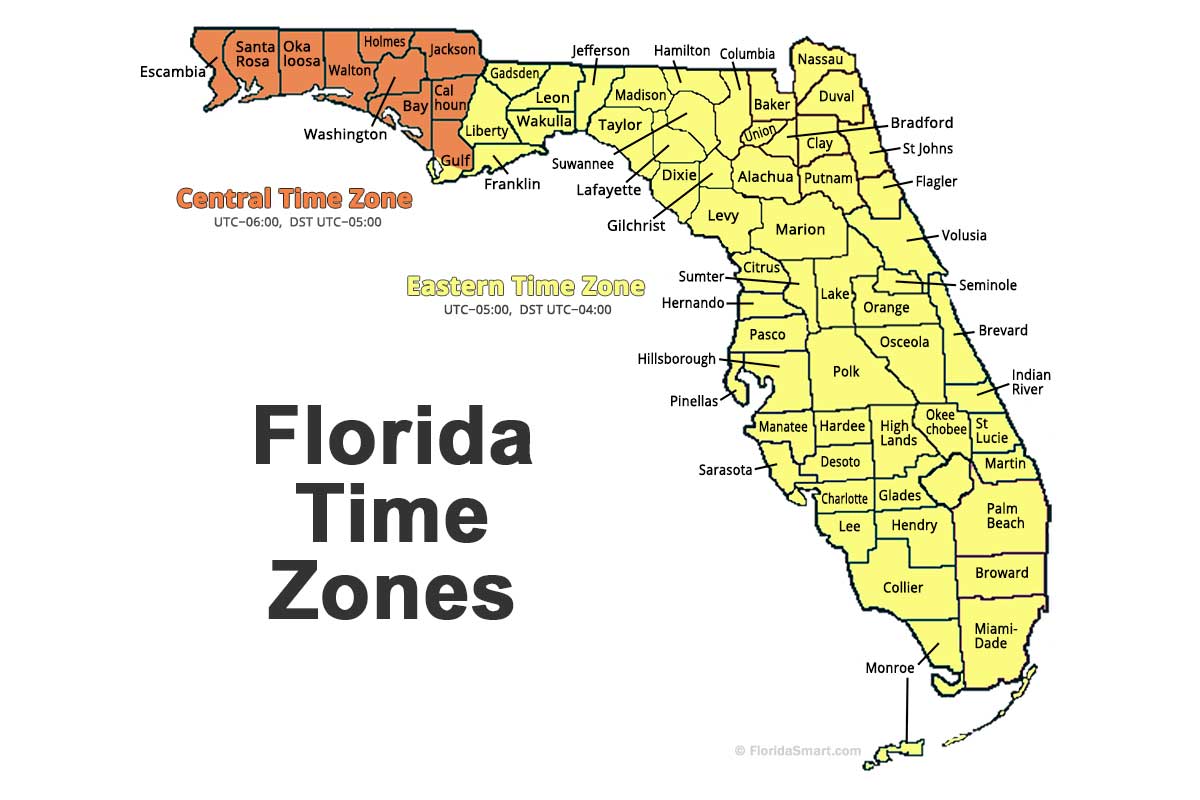
The overwhelming majority of Florida observes the Eastern Time Zone (ET). This includes major metropolitan hubs like Miami, Orlando, Tampa, Jacksonville, and Key West, encompassing virtually all the popular tourist destinations along both the Atlantic Coast and the majority of the Gulf Coast. When Daylight Saving Time is in effect, typically from March to November, these areas switch to Eastern Daylight Time (EDT), which is UTC-4. During the standard time period, it reverts to Eastern Standard Time (EST), which is UTC-5. This means that if you’re flying into Orlando International Airport to visit Walt Disney World Resort, or landing at Miami International Airport for a cruise, you’ll be operating on Eastern Time Zone schedules. For international travelers, understanding this offset from Coordinated Universal Time (UTC) is crucial for mental preparation and minimizing jet lag. Most digital devices will automatically adjust, but confirming the time manually can provide extra peace of mind, especially when booking tours or making reservations.
The Panhandle’s Unique Clock: Central Time Zone
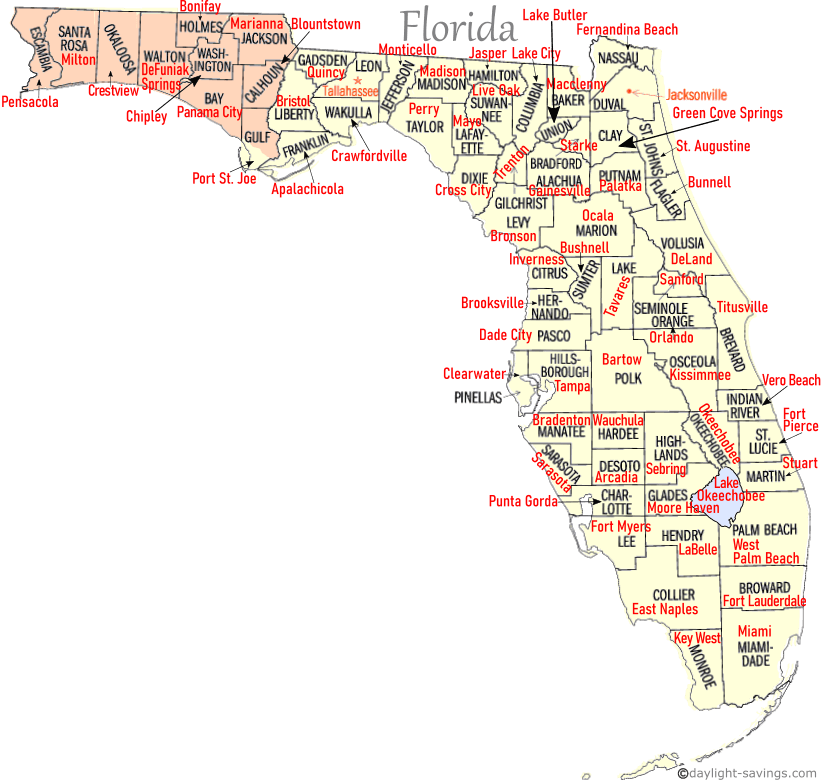
The exception to Florida’s Eastern Time Zone rule lies in its westernmost region, specifically the Florida Panhandle. A segment of counties in this area observes the Central Time Zone (CT). This includes cities such as Pensacola, Tallahassee, and Panama City Beach, which are popular for their beautiful beaches and historical sites. These areas are one hour behind the rest of the state. So, when it’s 3:00 PM in Miami, it’s 2:00 PM in Pensacola. During Daylight Saving Time, this region switches to Central Daylight Time (CDT), which is UTC-5, and then back to Central Standard Time (CST), UTC-6, during standard periods. This distinction is vital for travelers whose itineraries might involve moving between the main peninsula and the panhandle. Missing a connecting flight or arriving late for a booked accommodation could easily occur if this time zone shift is overlooked. Therefore, if your travel plans involve exploring both sides of Florida, a diligent check of local times for each destination is non-negotiable.
Daylight Saving Time in the Sunshine State
Like most of the United States, Florida observes Daylight Saving Time. On the second Sunday in March, clocks “spring forward” one hour, meaning that those in the Eastern Time Zone move from EST to EDT, and those in the Central Time Zone move from CST to CDT. On the first Sunday in November, clocks “fall back” an hour, returning to standard time. While devices automatically adjust, understanding this annual shift is particularly important for anyone planning travel or accommodation during these transition weekends. It affects everything from flight schedules to hotel check-in times and the operational hours of attractions. A minor miscalculation could mean missing a pre-booked excursion or arriving at an airport an hour early or late for your departure. For families traveling with young children, adjusting to the time change can also impact sleep schedules and daily routines, requiring a bit more planning and flexibility.

Navigating Time for Seamless Florida Travel
The practical implications of Florida’s time zones extend beyond simply knowing what time it is. They influence virtually every aspect of a traveler’s journey, from the moment of departure to the final farewell. Integrating time awareness into your travel preparations can significantly enhance the efficiency and enjoyment of your trip, aligning perfectly with the goals of effective travel, accommodation, and tourism planning.
Flights, Airports, and Arrival Times
Air travel is often the gateway to Florida’s wonders. Major airports like Orlando International Airport (MCO), Miami International Airport (MIA), and Tampa International Airport (TPA) are hubs of activity, all operating on Eastern Time Zone. When booking flights, all times displayed are typically local to the departure and arrival airports. However, travelers arriving from different time zones must account for their body clock’s adjustment. For example, a flight departing Los Angeles at 8:00 AM Pacific Time will land in Orlando in the early afternoon, but your body might still feel like it’s morning. This “time warp” can contribute to jet lag, affecting your energy levels for the initial days of your trip.
Furthermore, connecting flights, especially those within Florida that might cross time zones (e.g., from Miami to Pensacola), demand careful scrutiny of departure and arrival times. Always confirm the local time for each leg of your journey to avoid missing connections. For those driving from a different time zone, knowing precisely when you cross into a new zone allows for accurate navigation and adherence to any pre-booked appointments.
Hotel Check-ins and Check-outs: Maximizing Your Stay
Accommodation is a central pillar of any travel experience, and time plays a critical role in optimizing your stay. Most hotels, resorts, and vacation rentals in Florida have standardized check-in times, typically in the afternoon (e.g., 3:00 PM or 4:00 PM), and check-out times in the morning (e.g., 11:00 AM or 12:00 PM). These times are always presented in the local time zone of the property.
If you arrive early, understanding the local time allows you to plan activities while awaiting your room, such as exploring the hotel amenities, enjoying a meal, or dropping off luggage. Similarly, on your departure day, knowing the check-out time helps you manage your morning, whether it’s squeezing in one last swim or planning a leisurely breakfast. For travelers seeking a longer stay or a specific type of accommodation like an apartment or villa, coordinating arrival and departure with hosts becomes even more personal and critical. Luxurious resorts might offer flexible check-in/out options or access to amenities before your room is ready, while budget accommodations might be stricter. Always confirm these details in advance, considering the potential impact of time zone differences from your origin.
Planning Your Itinerary: Attractions and Activities
Florida’s allure lies in its myriad attractions, from the enchanting theme parks of Orlando to the historic streets of St. Augustine and the natural beauty of Everglades National Park. The operational hours of these landmarks and experiences are strictly dictated by local time.
For instance, Walt Disney World Resort and Universal Orlando Resort publish their park hours, showtimes, and parade schedules in Eastern Time Zone. Arriving late due to a time zone miscalculation could mean missing popular morning rides, a character breakfast, or even the opening “rope drop” ceremony. Similarly, historical sites like the Castillo de San Marcos in St. Augustine or museums like The Ringling Museum in Sarasota and the Salvador Dalí Museum in St. Petersburg have strict operating hours.
Even natural attractions like sunset cruises in Key West or guided tours in Everglades National Park adhere to local time. For adventurous travelers planning multi-day trips that involve crossing into the Central Time Zone, careful itinerary planning is paramount. Always confirm the local time for each attraction or activity booking, especially when dealing with pre-paid tickets or timed entry slots. This meticulous approach ensures you maximize your valuable vacation time and avoid any disappointment.
Time and the Florida Experience: Beyond the Clock
Beyond the logistical mechanics, understanding Florida’s time zones enriches the overall travel experience, influencing lifestyle choices, dining, and even well-being. It allows travelers to truly immerse themselves in the local culture and rhythm of the place, rather than just ticking off attractions.
Dining and Nightlife: Syncing with Local Rhythms
Florida’s diverse culinary scene and vibrant nightlife are integral parts of its tourism appeal. From upscale dining in South Beach to casual seafood shacks on the Gulf Coast and lively bars on Duval Street in Key West, these experiences are time-sensitive. Dinner reservations, happy hour specials, and showtimes are all scheduled according to local time. Arriving an hour late for a coveted reservation could mean losing your table, while missing the window for a sunset drink could mean missing a breathtaking view. For those interested in local culture, understanding meal times also offers a glimpse into local routines. Floridians generally dine earlier than some European cultures, for example, and prime dinner reservation slots (7:00 PM to 8:00 PM ET) can fill up quickly in popular areas like Orlando and Miami. Similarly, nightlife in cities like Fort Lauderdale or Tampa often kicks off later in the evening, requiring travelers to adjust their internal clocks to fully enjoy the experience.
Business Travel and Meetings: Staying on Schedule
Florida is not just a leisure destination; it’s also a significant hub for business and conferences, particularly in cities like Miami, Orlando, and Tampa. For business travelers, precise time management is critical. Conference schedules, client meetings, and networking events will all adhere to the local time zone. A miscalculation of even an hour could lead to missed appointments, affecting professional reputation and opportunities.
Business travelers often commute between different time zones within the same day, especially if collaborating with colleagues or clients in the Florida Panhandle or other parts of the country. Utilizing a reliable world clock or a dual-time zone watch becomes invaluable. Hotels catering to business clientele typically offer amenities like 24-hour business centers and early breakfast options, but these services still operate within the framework of local time, making punctuality and awareness paramount for a successful business trip.
Health and Well-being: Adjusting to Florida Time
The impact of time zones extends to personal well-being. Traveling across multiple time zones, especially from points further west, can lead to jet lag, disrupting sleep patterns, energy levels, and even appetite. While Florida’s warm climate and sunshine can be invigorating, it’s essential to allow your body time to adjust. Planning a less strenuous first day, avoiding heavy meals before bed, and staying hydrated can ease the transition.
Understanding the local time also allows you to make the most of Florida’s natural beauty and outdoor activities. Early mornings often offer cooler temperatures for walks on the beach in Naples or golfing in Amelia Island, while evenings are perfect for enjoying sunsets. Syncing with the natural rhythm of the local day—when the sun rises and sets—can enhance your overall sense of relaxation and enjoyment, truly allowing you to experience the “lifestyle” aspect of your journey.
Practical Tips for Managing Florida’s Time Zones
Navigating Florida’s dual time zones doesn’t have to be complicated. With a few practical tips and a proactive approach, travelers can ensure their trip runs like a well-oiled machine, free from temporal confusion.
Digital Tools and Time Zone Converters
In our hyper-connected world, technology is your best friend for time zone management. Most smartphones and smartwatches automatically update to the local time zone upon arrival. However, it’s always wise to double-check this setting. Beyond automatic updates, numerous apps and online tools offer reliable time zone conversion. Websites and apps like World Clock or Google search can instantly tell you the current time in any Florida city. Before traveling, consider adding the time zones for your origin and destination cities to your phone’s world clock feature for quick reference. This is especially helpful if you need to make calls back home or communicate with others in different time zones during your trip.
Communicating Across Time Zones
Whether you’re coordinating with family members meeting you in Florida, checking in with colleagues, or simply letting friends know you’ve arrived safely, effective communication across time zones is key. When arranging calls or virtual meetings, always specify the time zone (e.g., “7:00 PM ET” or “2:00 PM CT”) to avoid confusion. For families on vacation, especially those with children, setting a clear “local time” expectation upon arrival helps everyone adjust more quickly and prevents missed activities or late bedtimes. For business travelers, this precision in scheduling is paramount to professional efficiency and reliability.
The Importance of Double-Checking
Ultimately, the best advice for managing Florida’s time zones is to always double-check. Confirm the local time of your destination upon booking flights, hotels, tours, and any timed activities. When reviewing your itinerary, pay particular attention to any dates or times around the Daylight Saving Time shifts. Before any significant scheduled event, a quick mental check or a glance at your phone’s clock can save you from unnecessary stress or missed opportunities. This simple habit ensures that whether you’re relaxing on the beaches of Sarasota, exploring the magic of Epcot and Magic Kingdom, or riding thrilling attractions at Universal Studios Florida and Islands of Adventure, or experiencing the wonders of the Kennedy Space Center Visitor Complex, you are perfectly in sync with the rhythm of the Sunshine State.
In conclusion, while “What time is in Florida?” may seem like a simple query, its answer unlocks a deeper understanding of how to optimize your travel, accommodation, and tourism experiences across this diverse state. By acknowledging its dual time zones and the annual shift of Daylight Saving Time, you empower yourself to navigate Florida with confidence, ensuring every moment of your trip is enjoyed to the fullest, from sunrise to sunset across its beautiful landscapes, from the Florida Keys to the Florida Panhandle.