
The allure of Florida is undeniable. From the sun-drenched beaches of the Gulf Coast to the vibrant theme parks of Orlando, the Sunshine State beckons travelers with promises of adventure, relaxation, and unforgettable experiences. Whether you’re planning a luxurious escape to a world-class resort, a budget-friendly family vacation, or a business trip that conveniently blends work with leisure, understanding the local time is a fundamental aspect of seamless travel planning. As the world becomes increasingly interconnected, and our travel itineraries span across continents and time zones, knowing the precise moment in a destination can be the difference between catching a crucial flight and missing a vital connection, or enjoying a leisurely brunch without the rush.
This guide delves into the intricacies of time in Florida, exploring not just the current hour but also the nuances of its time zones, daylight saving practices, and how these factors influence your travel experience. We’ll navigate through the state’s diverse regions, highlighting how time plays a role in experiencing local culture, enjoying attractions, and making the most of your accommodation choices. For those seeking the ultimate Florida adventure, from the historic charm of St. Augustine to the bustling metropolis of Miami, grasping the temporal landscape is your first step to unlocking the Sunshine State’s magic.
Understanding Florida’s Time Zones and Daylight Saving
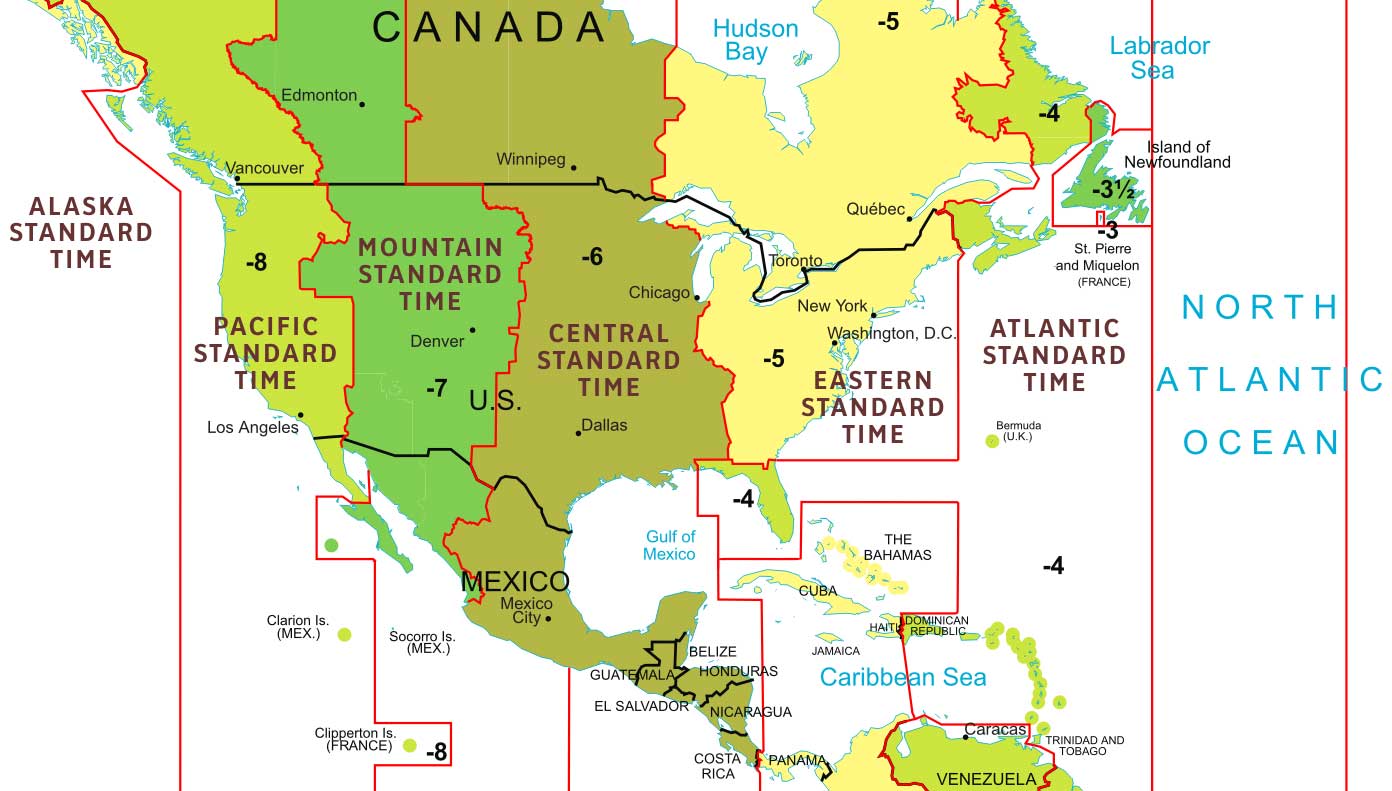
Florida is unique in that it observes two time zones, a fact that can sometimes lead to confusion for visitors. The majority of the state, including popular tourist hubs like Orlando, Miami, Tampa, and Jacksonville, operates on Eastern Standard Time (EST). This places it in the same time zone as much of the eastern United States. However, a small portion of the western panhandle, west of the Apalachicola River, observes Central Standard Time (CST). This means that at any given moment, there can be a one-hour difference between these two regions within the same state.
Eastern Standard Time (EST) and Central Standard Time (CST) in Florida
The Eastern Time Zone (ET) is by far the most prevalent in Florida. This zone encompasses the vast majority of the state’s population and its most frequented tourist destinations. When you think of experiencing the magic of Walt Disney World Resort, exploring the art deco district of South Beach, or indulging in the culinary delights of Little Havana, you are operating within Eastern Standard Time. This means that when it’s noon in New York City, it’s also noon in Miami.
The Central Time Zone (CT) applies to a smaller, northwestern section of the state. This area is less traversed by typical tourists but is still a part of Florida’s rich tapestry. Cities like Pensacola and surrounding areas adhere to Central Standard Time. Consequently, when it’s 12:00 PM EST in Orlando, it’s 11:00 AM CST in Pensacola. This distinction is crucial for travelers who might be driving across the state or have onward travel arrangements from different parts of Florida. Always confirm which time zone your specific destination falls under to avoid any temporal mishaps.
The Impact of Daylight Saving Time
Like most of the United States, Florida observes Daylight Saving Time (DST). During DST, clocks are advanced by one hour, so EST becomes EDT (Eastern Daylight Time) and CST becomes CDT (Central Daylight Time). This typically occurs on the second Sunday in March, and clocks are set back one hour on the first Sunday in November. The purpose of DST is to make better use of daylight during the warmer months. For travelers, this means that the sun will set later in the evening during these periods, allowing for extended hours of outdoor exploration and enjoyment of Florida’s numerous attractions.
The transition to and from DST can sometimes be a point of minor confusion, especially if you are arriving from a region that does not observe it or if you are coordinating with individuals in different time zones. Most modern devices, such as smartphones and computers, automatically update for DST. However, it’s always a good practice to verify the local time upon arrival, especially if relying on older timekeeping devices or if your travel plans involve precise scheduling across different states or countries. The extended daylight hours during DST can be particularly beneficial for maximizing your experience at theme parks like Universal Orlando Resort, enjoying sunset cruises along the coast, or simply taking a leisurely stroll through the charming streets of Key West.
Navigating Florida’s Time for Travel Planning
Understanding the current time in Florida is not merely about knowing the hour; it’s about optimizing your entire travel experience. From booking flights and accommodations to scheduling activities and meals, temporal awareness is key to a smooth and enjoyable journey. The state’s vast array of offerings means that the time of day can significantly influence the type of experience you have, from the bustling energy of a midday theme park to the tranquil beauty of a sunrise over the Atlantic Ocean.
Optimizing Arrival and Departure Schedules

When booking flights to Florida, whether you’re flying into Miami International Airport or Tampa International Airport, always double-check the arrival and departure times in local Florida time. This is especially important if you are flying from a different time zone. For example, a flight departing Los Angeles at 10:00 AM PST and arriving in Orlando at 6:00 PM EST seems like an eight-hour flight. However, factoring in the three-hour time difference (PST is three hours behind EST), the actual flight duration is closer to five hours. Understanding this temporal shift can help you better manage expectations, arrange airport transportation, and even prepare for potential jet lag.
Similarly, when planning your departure, ensure you have the correct local time for your return flight. Missing a flight due to a misunderstanding of the time zone is a costly and frustrating experience that can be easily avoided with careful planning. If you are renting a car, be mindful of the return time, especially if you are driving from the Central Time Zone portion of the panhandle to the Eastern Time Zone for your flight, as you’ll need to account for that hour difference.
Aligning Activities with Florida’s Clock
The beauty of Florida lies in its diverse range of activities, many of which are time-sensitive. Theme park hours, restaurant reservations, guided tours, and even the best times to visit certain landmarks all depend on the clock. For instance, visiting iconic attractions like Everglades National Park for an airboat tour is often best enjoyed in the morning or late afternoon when the wildlife is most active and the heat is less intense. Knowing the current time in Florida allows you to plan these excursions effectively.
For those interested in the nightlife of Miami or the culinary scene in Ybor City, understanding local dining hours and entertainment schedules is paramount. Many restaurants in Florida adhere to typical American dining times, with dinner reservations commonly sought between 6:00 PM and 9:00 PM EST. If you’re in the western panhandle, remember to adjust these times by an hour if you’re seeking a similar experience in Pensacola. Furthermore, cultural events, concerts, and shows have specific start times that must be adhered to. Being aware of the current time ensures you don’t miss out on the vibrant pulse of Florida’s social and cultural life.
Leveraging Time for Accommodation and Lifestyle Choices
Your choice of accommodation and your overall lifestyle approach to your Florida trip can be significantly influenced by temporal considerations. Whether you’re seeking a luxurious suite at a renowned resort or a budget-friendly apartment for a long-term stay, the time of day impacts how you experience your lodging and the surrounding environment.
Synchronizing with Hotel and Resort Schedules
When booking hotels and resorts, from the grand Don CeSar on St. Pete Beach to charming boutique hotels in Savannah (though Savannah is in Georgia, it’s a common reference point for comparison with Florida’s eastern time), checking in and out times are critical. Most hotels have a standard check-in time around 3:00 PM and a check-out time around 11:00 AM EST. If your flight arrives early in the morning, you’ll need to factor in whether you can store your luggage at the hotel or if you need to make arrangements for an early check-in, which may incur additional fees.
Similarly, understanding the current time in Florida is essential for enjoying the amenities offered by your accommodation. Pool hours, spa appointments, and restaurant operating times within the resort are all governed by the local clock. Planning your day to include a relaxing spa treatment at The Breakers Palm Beach or enjoying breakfast at your resort’s fine dining restaurant requires aligning your schedule with their operating hours, which are invariably based on the local time zone.
Tailoring Lifestyle Travel to Florida’s Time
Florida caters to a wide spectrum of lifestyle travelers, from those seeking the thrill of luxury travel to families on a budget and business travelers extending their stays. Each of these travel styles can benefit from a keen awareness of the local time. For luxury travelers, knowing the time allows for seamless transitions between exclusive experiences, such as arriving at a private villa in Key Largo just in time for a catered sunset dinner, or booking a late-night reservation at a Michelin-starred restaurant in Miami.
For budget travelers and families on vacation, time management is often about maximizing value and minimizing stress. Knowing the current time in Florida helps in planning free activities like visiting public parks, enjoying the beaches, or catching a free event, which are often best experienced during daylight hours. For business travelers, especially those on extended stays, aligning work schedules with local business hours, scheduling meetings, and allowing for personal time to explore attractions requires precise temporal planning. Whether you’re attending a conference at the Orange County Convention Center or looking for a quiet spot to work from your hotel in Clearwater, understanding the time in Florida is the bedrock of a well-orchestrated trip.
In conclusion, while the question “What time is in Florida now?” might seem straightforward, its implications for travelers are multifaceted. By understanding the state’s time zones, the impact of Daylight Saving Time, and how to leverage this knowledge for planning flights, activities, and accommodations, you can ensure your journey through the Sunshine State is as smooth, enjoyable, and memorable as possible. So, as you embark on your Florida adventure, keep an eye on the clock – it’s a simple yet powerful tool for unlocking the best the state has to offer.
LifeOutOfTheBox is a participant in the Amazon Services LLC Associates Program, an affiliate advertising program designed to provide a means for sites to earn advertising fees by advertising and linking to Amazon.com. Amazon, the Amazon logo, AmazonSupply, and the AmazonSupply logo are trademarks of Amazon.com, Inc. or its affiliates. As an Amazon Associate we earn affiliate commissions from qualifying purchases.