
Stepping onto the shores of Hawaii is like entering another world—a realm where lush volcanic landscapes meet pristine sapphire waters, where the gentle rhythm of aloha permeates every interaction, and where time, quite literally, operates on its own unique frequency. For visitors arriving from distant lands, one of the first and most critical adjustments is understanding the local time. Beyond merely knowing the current hour, grasping Hawaii’s distinct time zone is fundamental to planning seamless travel, managing jet lag, and truly immersing oneself in the island lifestyle. This comprehensive guide will not only answer the immediate question of “What time is it in Hawaii now?” but also delve into the profound implications this time difference has on your entire travel experience, from booking accommodations to exploring ancient landmarks and embracing the vibrant local culture.
Understanding Hawaii Standard Time (HST)
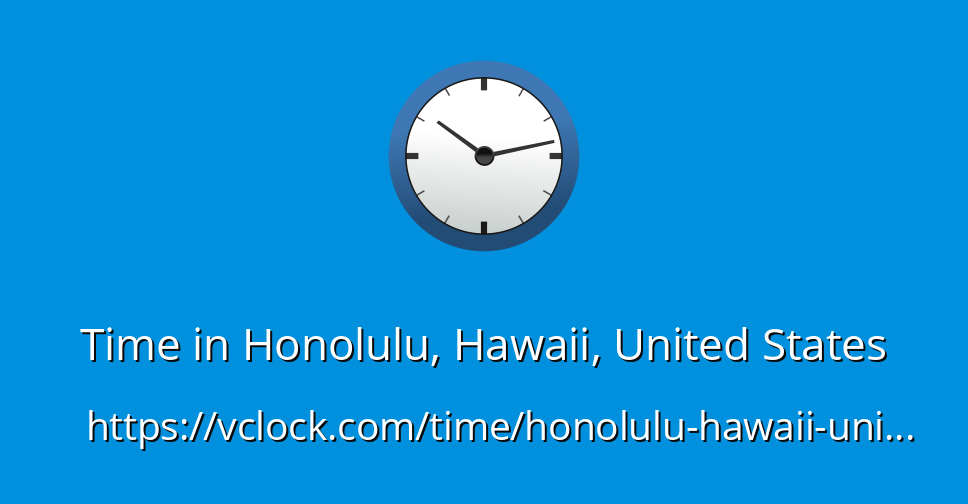
At the heart of Hawaii’s temporal uniqueness lies Hawaii Standard Time (HST). This time zone is observed throughout the entire Hawaiian archipelago, encompassing major islands like Oahu, Maui, the Island of Hawaii (often called the Big Island), and Kauai. HST is precisely 10 hours behind Coordinated Universal Time (UTC-10). This fixed offset remains constant year-round, a crucial detail that sets Hawaii apart from many other destinations, particularly within the United States.
The key distinguishing factor for Hawaii Standard Time is its permanent detachment from Daylight Saving Time (DST). While many mainland United States states, most of Europe, and parts of Oceania adjust their clocks forward by an hour in spring and back in autumn, Hawaii does not. This means that during the spring and summer months, the time difference between Hawaii and regions observing DST will widen by an additional hour. For instance, if you’re traveling from a state that observes DST, your departure time and arrival time relative to Hawaii will shift depending on the season. This consistency of HST simplifies calculations once understood, but requires initial awareness, especially when communicating with those outside the islands. The decision to forgo DST reflects Hawaii’s unique geographical position near the equator, where seasonal changes in daylight hours are minimal compared to higher latitudes. This stability contributes to the islands’ reputation as a place where the pace of life feels naturally more consistent and unhurried, reflecting the steady rhythm of the tides rather than the ticking hands of a clock.

Time Zone Differences: Bridging the Continents
The geographical isolation that lends Hawaii its paradise-like allure also places it significantly distant in terms of time from most of the world. For travelers, understanding these differentials is paramount for a smooth journey and an enjoyable stay.
From the Continental United States, the time difference can range dramatically:
- Pacific Standard Time (PST/UTC-8) / Pacific Daylight Time (PDT/UTC-7): Hawaii is 2 hours behind PDT (during summer) and 3 hours behind PST (during winter). This means if it’s 3 PM in Los Angeles during DST, it’s 1 PM in Honolulu.
- Mountain Standard Time (MST/UTC-7) / Mountain Daylight Time (MDT/UTC-6): Hawaii is 3 hours behind MDT and 4 hours behind MST.
- Central Standard Time (CST/UTC-6) / Central Daylight Time (CDT/UTC-5): Hawaii is 4 hours behind CDT and 5 hours behind CST.
- Eastern Standard Time (EST/UTC-5) / Eastern Daylight Time (EDT/UTC-4): For those on the East Coast, Hawaii is 5 hours behind EDT and 6 hours behind EST. This means if it’s 6 PM in New York City during DST, it’s 12 PM (noon) in Honolulu.
When venturing further afield to International Destinations, the differences become even more pronounced, often spanning an entire day:
- Europe: From major European cities like London (UTC+0/DST UTC+1) or Paris (UTC+1/DST UTC+2), Hawaii is typically 10 to 12 hours behind. For example, if it’s 8 PM on Tuesday in London during DST, it’s 9 AM on Tuesday in Honolulu.
- Asia and Oceania: The time gap here is significant, often placing Hawaii a full day behind. From Tokyo (UTC+9), Hawaii is 19 hours behind, meaning if it’s 1 PM on Wednesday in Tokyo, it’s 6 PM on Tuesday in Honolulu. Similarly, from Sydney (AEST/UTC+10), Hawaii is 20 hours behind (during DST for Sydney), placing it nearly a full day behind.
These substantial time differences highlight why thorough planning is non-negotiable for visitors. It affects everything from when you call loved ones back home to how you schedule your first few days on the island, aiming to mitigate the effects of jet lag and align with local rhythms.

The Traveler’s Guide to Hawaii Time: Maximizing Your Island Experience
Understanding Hawaii Standard Time is more than a mere curiosity; it’s a strategic tool for optimizing your travel. Every aspect of your trip, from the moment you consider booking until your departure, will be influenced by Hawaii’s unique time zone.
Travel & Planning
The initial phase of your Hawaiian adventure hinges on accurate time calculations. When booking flights, always double-check the arrival and departure times in local Hawaii time. What might seem like a late afternoon arrival from the mainland could actually be a very early morning, giving you more daylight to settle in. Conversely, an early morning flight out of Honolulu International Airport (HNL) could mean a full day of travel back to the East Coast, effectively losing a day due to the time difference.
For pre-booked activities and tours, time zone awareness is critical. Imagine missing your sunrise viewing reservation at Haleakala on Maui or your historical tour of Pearl Harbor on Oahu because you miscalculated the start time. Communication with tour operators, car rental agencies, and even family back home needs careful scheduling to avoid inconvenient hours.
Jet Lag Management: The significant time shifts, particularly from the East Coast or Europe, often lead to jet lag. To combat this:
- Pre-adjust: Try to shift your sleep schedule by an hour or two each day in the days leading up to your trip.
- Hydrate: Drink plenty of water before, during, and after your flight.
- Embrace sunlight: Upon arrival, expose yourself to natural light, especially in the mornings, to help reset your body’s internal clock.
- Strategic napping: If you must nap, keep it short (20-30 minutes) and early in the afternoon. Avoid long naps that can disrupt nighttime sleep.
Accommodation & Hospitality
Your choice of accommodation in Hawaii, whether it’s a luxurious resort, a cozy apartment rental, or a boutique hotel like the historic Moana Surfrider on Waikiki Beach, will have its own schedule. Check-in and check-out times are always in local HST, so factor in your arrival time to avoid waiting for your room or rushing out the door. Many hotels offer early check-in or late check-out options, especially for guests experiencing significant time changes, though these might come with a fee or be subject to availability.
Resort amenities and activities, from spa appointments at the Grand Wailea to dining reservations at fine establishments, operate strictly on island time. Ensure you’ve converted your appointment times correctly. For those on a long-term stay or working remotely, coordinating with colleagues on the mainland becomes a daily challenge, requiring careful planning to find overlapping work hours. The concierge desk, often the first point of contact for many traveler inquiries, will typically operate within set hours, so familiarize yourself with these times to maximize their invaluable assistance.
Tourism & Local Immersion
Part of the magic of travel is immersing oneself in the local rhythm, and in Hawaii, that rhythm is unique. From attending a traditional luau to taking early morning surfing lessons in Waikiki, everything has its designated time. Understanding the local meal times (often earlier than mainland counterparts), market opening hours, and the scheduling of cultural events like hula performances ensures you don’t miss out on authentic Hawaiian experiences. Food tours, which often involve visiting multiple eateries and markets, will have precise start times that must be adhered to. Embrace the “island time” philosophy – a slightly more relaxed approach to punctuality, but always be on time for organized activities.
Landmarks & Attractions
Hawaii boasts an array of iconic landmarks and attractions, each with its own operating hours that respect the local time zone. The gates of Diamond Head State Monument open early for hikers hoping to catch the sunrise over Waikiki, while the USS Arizona Memorial at Pearl Harbor has specific entry times for its solemn tours. Failing to account for HST can lead to missed opportunities, long waits, or even arriving when a site is closed.
Beyond fixed hours, understanding daylight cycles is crucial for natural attractions. Watching the sunset from Mauna Kea on the Big Island or enjoying the vibrant marine life at Hanauma Bay Nature Preserve on Oahu requires knowing when the sun rises and sets according to local time. These moments are often the most memorable parts of a Hawaiian vacation, and timing is everything.
Lifestyle in Hawaii: Syncing with the Island Pace
The unique time zone isn’t just a logistical challenge for travelers; it’s an integral part of the Hawaiian lifestyle and influences how different types of visitors experience the islands.
Luxury Travel & Relaxation
For those indulging in luxury travel, the time difference can initially feel like a hurdle, but ultimately it enhances the sense of escape. Disconnecting from the frantic pace of the mainland or other global financial centers is often the goal. By allowing yourself a day or two to fully adjust to HST, you can truly embrace the serene environment. Scheduling indulgent spa treatments, private dining experiences at Michelin-starred restaurants, or exclusive yacht charters will naturally align with the island’s relaxed schedule. The slower, more intentional pace that “island time” encourages is a luxury in itself, allowing for deeper relaxation and a true reset. Many high-end resorts understand this and offer personalized services to help guests acclimate, often including flexible check-in times and recommendations for jet-lag friendly activities.
Budget Travel & Efficiency
Budget travelers often prioritize maximizing every moment and every dollar. Understanding HST becomes a tool for efficiency. By adjusting quickly, you can take advantage of early morning excursions to beat crowds at popular spots like Diamond Head or Snorkeling at Hanauma Bay, where entrance might be capacity-controlled. Planning activities to align with daylight hours allows for fuller, more enriching days without incurring additional costs. Utilizing public transport, such as Oahu’s “TheBus,” requires adherence to schedules, which are, of course, strictly in HST. Look for early bird specials at local eateries or happy hour deals, which are all set to the local clock and can offer significant savings. The early start facilitated by a quick adjustment to the time zone allows for longer days of exploration and discovery.
Family Trips
Traveling with children adds another layer of complexity to time zone adjustments. Family trips to Hawaii require careful management of kids’ sleep schedules to avoid meltdowns and ensure everyone enjoys the vacation. Gradual adjustments before the trip, maintaining consistent bedtimes and wake-up times once on the island, and utilizing sunlight to help reset circadian rhythms are crucial. Planning kid-friendly activities, such as beach time at Ko Olina Lagoons or exploring the Honolulu Zoo, should align with their energy levels after the time change. Communication with family and friends back home must also consider the significant time difference, especially if children want to video call grandparents.
Business Stays
For individuals on business stays or those working remotely from Hawaii, the time difference presents unique challenges. Coordinating meetings with colleagues on the mainland United States or international partners requires strategic scheduling. An 8 AM meeting on the East Coast might mean a 2 AM call in Honolulu, which is unsustainable. Utilizing tools that display multiple time zones, establishing clear “office hours” for remote work, and communicating availability proactively are essential strategies. Attending conferences or industry events in Hawaii will operate on HST, allowing local networking but still requiring awareness for any necessary check-ins with one’s home office. The tranquil environment can be a boon for productivity, but only if the time zone challenge is successfully navigated.
In conclusion, knowing “What Time Is It In Hawaii Now?” is far more than a simple inquiry; it’s the gateway to unlocking a truly harmonious and unforgettable Hawaiian experience. From meticulous travel planning and effective jet lag management to fully embracing the unique local culture and maximizing every moment spent exploring its natural wonders, understanding Hawaii Standard Time is a non-negotiable aspect of any well-prepared visit. So, as you prepare for your journey to these enchanting islands, remember to set your watch, but more importantly, adjust your mindset to the unhurried, beautiful rhythm of Hawaii.
LifeOutOfTheBox is a participant in the Amazon Services LLC Associates Program, an affiliate advertising program designed to provide a means for sites to earn advertising fees by advertising and linking to Amazon.com. Amazon, the Amazon logo, AmazonSupply, and the AmazonSupply logo are trademarks of Amazon.com, Inc. or its affiliates. As an Amazon Associate we earn affiliate commissions from qualifying purchases.