
Understanding the local time in Los Angeles is far more than just knowing the current hour. For travelers, navigating the nuances of time zones, daylight saving, and the rhythm of the city can significantly enhance their journey through Southern California. From planning your arrival at Los Angeles International Airport (LAX) to securing dinner reservations in Beverly Hills, or even simply beating the crowds to see the Hollywood Sign, a grasp of LA’s clock is fundamental. This comprehensive guide will delve into everything you need to know about time in the City of Angels, helping you optimize your travel, tourism, and accommodation experiences.
Understanding Los Angeles’s Time Zone: PST and PDT Unpacked
At its core, understanding the time in Los Angeles begins with its designated time zone. This isn’t just a technical detail; it’s a crucial piece of information that impacts everything from flight schedules to business meetings and even the opening hours of your favorite landmarks and attractions.
The Basics: Pacific Standard Time (PST) and Pacific Daylight Time (PDT)
Los Angeles operates on Pacific Time, which alternates between Pacific Standard Time (PST) and Pacific Daylight Time (PDT).
- Pacific Standard Time (PST): During the colder months, from early November to mid-March, Los Angeles observes PST. This time zone is 8 hours behind Coordinated Universal Time (UTC-8). If it’s noon UTC, it’s 4 AM in Los Angeles.
- Pacific Daylight Time (PDT): From mid-March to early November, the city switches to PDT. This involves moving clocks forward by one hour, making it 7 hours behind Coordinated Universal Time (UTC-7). This is commonly known as Daylight Saving Time. The change typically occurs on the second Sunday in March when clocks “spring forward” and on the first Sunday in November when they “fall back.”
For international travelers, especially those arriving from Europe, Asia, or the East Coast of the United States, the time difference can be substantial. For example, if you’re flying from London (GMT/BST), Los Angeles will be 8 hours behind in summer and 8 hours behind in winter (due to London’s own daylight saving shift). Similarly, travelers from New York will find Los Angeles three hours behind, a difference that can feel profound when adjusting to a new schedule. Being aware of this difference is the first step in minimizing jet lag and ensuring smooth communication with friends, family, or business associates back home.
Why Time Matters for Your Los Angeles Itinerary
The active time zone in Los Angeles directly influences every aspect of your trip planning. Ignoring it can lead to missed connections, closed attractions, or even inconvenient check-in times for your accommodation. For instance, an early morning flight from the East Coast might feel like a reasonable departure time, but arriving in Los Angeles at what feels like mid-afternoon your body’s clock might mean you land exhausted in what’s actually still morning locally.
Beyond personal comfort, knowing the local time is crucial for practicalities. Most tourist attractions, such as Universal Studios Hollywood or the Getty Center, operate on strict opening and closing schedules. Dinner reservations at popular restaurants in West Hollywood or Santa Monica are made according to local time. Even a simple scenic drive along the Pacific Coast Highway to Malibu needs to consider daylight hours for the best views. Understanding PST/PDT is the foundation for a well-orchestrated and enjoyable Los Angeles experience, ensuring you’re always on schedule and making the most of every precious moment in this vibrant city.
Time-Sensitive Travel: Planning Your Los Angeles Adventure
A successful trip to Los Angeles involves meticulous planning, and time is often the most critical factor. From combating jet lag to synchronizing with local attraction schedules and ensuring seamless hotel bookings, understanding and leveraging the local clock can transform a good trip into an exceptional one. This section delves into practical strategies for managing your time effectively during your Los Angeles adventure.
Beating Jet Lag: Tips for a Seamless Transition
Jet lag is a common adversary for travelers crossing multiple time zones, and a significant time difference with Los Angeles can lead to fatigue, disorientation, and disrupted sleep patterns. However, with a few strategic approaches, you can significantly mitigate its effects:
- Pre-Trip Adjustment: If possible, start shifting your sleep schedule a few days before your departure. Gradually go to bed and wake up earlier or later, depending on whether you’re traveling east or west.
- Hydration is Key: Drink plenty of water before, during, and after your flight. Dehydration can exacerbate jet lag symptoms.
- Onboard Strategies: Adjust your watch to Los Angeles time as soon as you board the plane. Try to sleep on the plane if it aligns with the local night in Los Angeles, and stay awake if it’s daytime.
- Embrace Daylight: Upon arrival at Los Angeles International Airport (LAX), expose yourself to natural light. Sunlight helps reset your body’s internal clock. Head outdoors for a walk, perhaps to Venice Beach or a stroll through a local park.
- Smart Napping: Avoid long naps during the day, which can confuse your body further. If you must nap, keep it short (20-30 minutes).
- Stay Active: Engage in light activities. A walk through Runyon Canyon Park or exploring The Grove can help you feel more alert and get your body moving.
By proactively addressing jet lag, you can quickly immerse yourself in the vibrant lifestyle of Los Angeles and maximize your exploration time.
Maximizing Your Day: Attractions, Dining, and Entertainment
Every minute in Los Angeles is precious, and understanding the local clock is paramount for scheduling your activities efficiently.
- Attractions: Iconic landmarks and attractions often have peak hours. For example, visiting the Griffith Observatory in the late afternoon offers stunning sunset views and nighttime stargazing, but arriving earlier can help you secure parking and navigate smaller crowds. Similarly, theme parks like Disneyland Park in Anaheim or Universal Studios Hollywood benefit from early morning arrivals to beat the longest lines. Always check official websites for current operating hours, as these can change seasonally or for special events.
- Dining: Los Angeles boasts a world-class culinary scene. Brunch culture thrives on weekends, with popular spots in Santa Monica and West Hollywood seeing long waits. Making dinner reservations, especially for acclaimed restaurants, is often essential, particularly between 7 PM and 9 PM. Exploring off-peak hours or enjoying a late lunch can sometimes offer a more relaxed experience. Don’t forget to check out happy hour specials, typically running from 3 PM to 6 PM, which can be a great way to experience local eateries. A visit to Grand Central Market can be enjoyed throughout the day for diverse food options.
- Entertainment: The city’s entertainment calendar is packed. From concerts at the Walt Disney Concert Hall to sporting events at the Crypto.com Arena, understanding local showtimes and event schedules is crucial. Many theaters and venues have matinee and evening performances, offering flexibility. For a taste of the quintessential Los Angeles lifestyle, catching a movie premiere or a live comedy show requires checking local listings for specific times.
Booking Accommodation and Travel Across Time Zones
When planning your accommodation and travel logistics, the time difference can introduce complexities, especially when booking from a different time zone.
- Flight Bookings: Always confirm flight departure and arrival times in local time for each location. A flight departing at 9 AM from New York (EST) will arrive in Los Angeles (PST) at approximately 12 PM, not 9 AM, after accounting for a 6-hour flight time and the 3-hour time difference. Double-checking these details prevents confusion.
- Hotel Check-in/Check-out: Standard check-in times at most hotels in Los Angeles, whether a luxury resort in Malibu or a boutique hotel downtown, typically range from 3 PM to 4 PM local time, with check-out around 11 AM or 12 PM. If your flight arrives early, inquire about early check-in availability or luggage storage options so you can start exploring immediately. Conversely, if you have a late departure, ask about late check-out or day-use rates.
- Tour and Activity Bookings: Many guided tours and activity providers require bookings far in advance. When communicating or making reservations online, ensure you are clear about the time zone reference. A tour starting at “10 AM” should be explicitly understood as 10 AM Los Angeles time. This is especially important for experiences like a studio tour or a celebrity home tour in Beverly Hills.
By being time-aware, you can streamline your bookings, avoid potential mishaps, and ensure that your travel plans align perfectly with your desired Los Angeles experience.
The Rhythm of Los Angeles: Time and Local Lifestyle
Los Angeles moves at its own pace, a rhythm dictated by its geography, diverse lifestyle, and year-round pleasant climate. Understanding this temporal flow is key to truly experiencing the city, from enjoying its natural beauty to navigating its unique blend of business and leisure.
Sunrise to Sunset: Experiencing LA’s Natural Beauty
The sun plays a significant role in the lifestyle and natural attractions of Los Angeles. The city is blessed with abundant sunshine, making outdoor activities popular year-round, but the timing of sunrise and sunset dictates the best experiences.
- Morning Glory: Catching the sunrise over the city from the Griffith Observatory or enjoying a tranquil walk along the sands of Santa Monica Beach before the crowds arrive offers a serene start to the day. Hiking trails in Runyon Canyon Park are best explored in the cooler morning hours, especially during summer.
- Golden Hour Photography: Photographers and sightseers alike covet the “golden hour” – the period shortly after sunrise or before sunset. This soft, warm light is ideal for capturing iconic landmarks like the Hollywood Sign, the expansive views from the Getty Center, or the stunning coastline along Malibu. Planning your visits to coincide with these times can result in breathtaking memories and photographs.
- Sunset Spectacles: Los Angeles is renowned for its spectacular sunsets over the Pacific Ocean. Venice Beach, Santa Monica Pier, and various coastal vantage points offer prime viewing. Many visitors plan their evenings around this natural show, perhaps combining it with a beachfront dinner or a stroll along the boardwalk.
Business and Leisure: Time Management in the City of Angels
Los Angeles is a global hub for entertainment, technology (Silicon Beach), and tourism, attracting a diverse mix of business and leisure travelers. Time management here often means juggling different demands.
- Business Stays: For those on business stays, coordinating meetings across time zones is a daily reality. A 9 AM meeting in Los Angeles is already 12 PM on the East Coast and 5 PM in London, requiring careful scheduling and consideration for international partners’ working hours. The city’s sprawling nature also means factoring in travel time between appointments, especially during peak traffic hours. Many business travelers opt for accommodation close to their primary work locations to minimize commute times.
- Leisure Travel: For those on family trips or luxury travel, the focus is on relaxation and enjoyment. However, even leisure requires strategic timing. Want to experience the glamour of Rodeo Drive without the biggest crowds? Go early on a weekday. Planning a day trip to Palm Springs? Leaving early helps avoid traffic and maximizes your time in the desert oasis. Balancing sightseeing with downtime, especially for multi-generational family trips, is crucial to prevent fatigue and ensure everyone enjoys the experience.
Seasonal Considerations: Time of Year vs. Time of Day
While Los Angeles enjoys a mild climate, the time of year significantly impacts daylight hours and, consequently, the scope of activities.
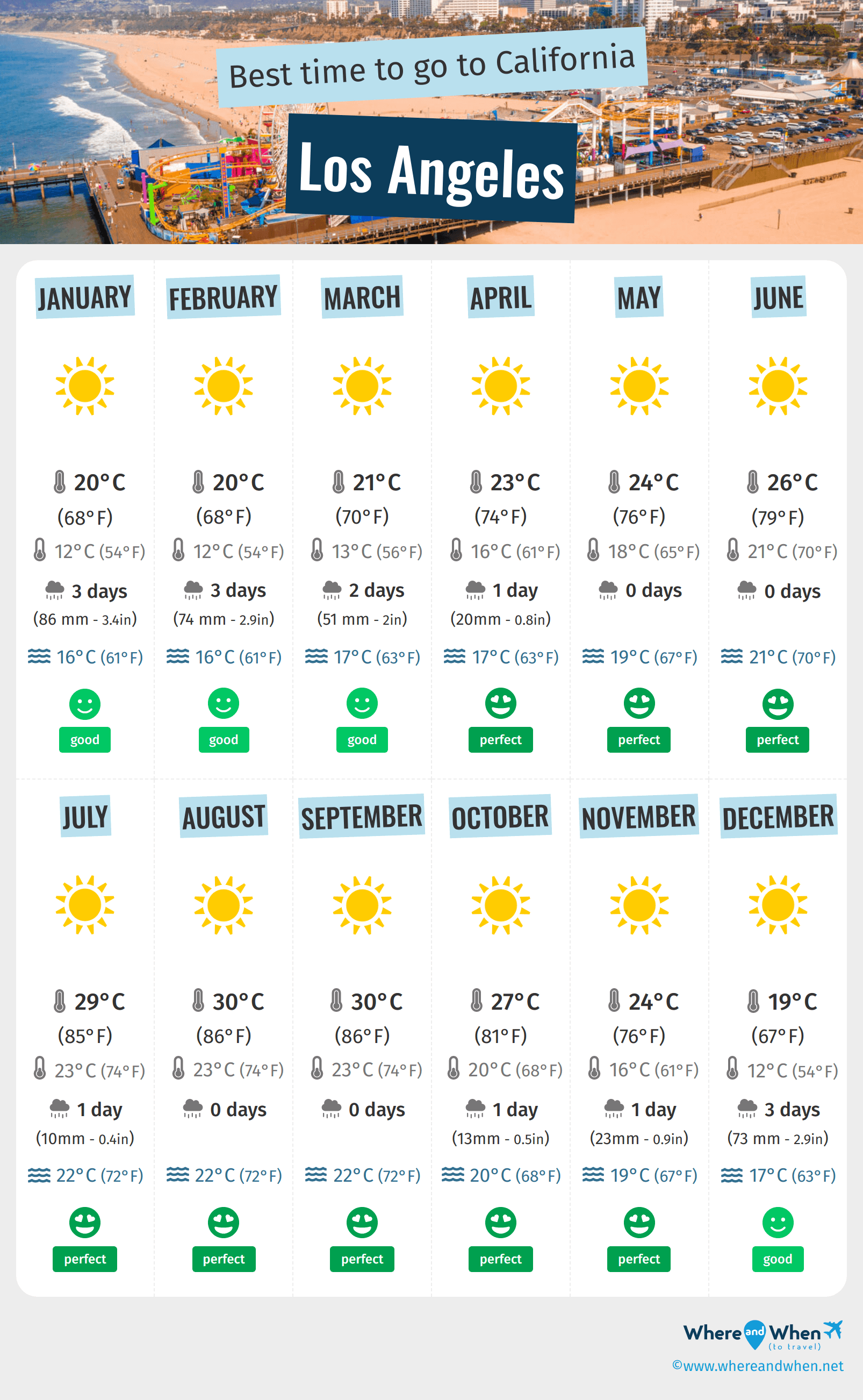
- Summer (June-August): With the longest daylight hours due to PDT, summer offers ample time for outdoor activities, beach visits to Laguna Beach, and late-night events. However, it’s also peak tourist season, meaning larger crowds and longer waits at attractions. Early mornings are vital for beating both the heat and the crowds.
- Fall (September-November): As the clocks “fall back” to PST, daylight hours shorten. However, the weather remains pleasant, and crowds thin out slightly, making it an excellent time for tourism. Sunset times become earlier, perfect for those seeking cozy evenings after a day of exploration.
- Winter (December-February): PST means the shortest daylight hours. While the weather is still mild compared to many other parts of the world, evenings come quickly. This is a great time to enjoy indoor attractions, museums, and holiday festivities without the intense summer heat.
- Spring (March-May): With the return of PDT, daylight hours extend, and the city bursts into bloom. Spring offers a sweet spot with pleasant weather, increasing daylight, and moderate crowds, ideal for exploring everything from landmarks to local markets.
Understanding the interplay between the time of day and the time of year allows travelers to craft itineraries that are both enjoyable and efficient, making the most of every moment in Los Angeles. By synchronizing with the city’s inherent rhythm, visitors can truly immerse themselves in its unique charm and vibrant lifestyle.
In conclusion, knowing what time it is in Los Angeles is more than a simple fact; it’s a strategic advantage for any traveler. From understanding PST/PDT to planning around jet lag, optimizing visits to iconic landmarks, scheduling delectable dining experiences, and navigating the practicalities of accommodation and travel bookings, every detail contributes to a richer, more fulfilling trip. By embracing the temporal nuances of the City of Angels, you empower yourself to experience the best of its tourism offerings and truly live the Los Angeles lifestyle to the fullest.
LifeOutOfTheBox is a participant in the Amazon Services LLC Associates Program, an affiliate advertising program designed to provide a means for sites to earn advertising fees by advertising and linking to Amazon.com. Amazon, the Amazon logo, AmazonSupply, and the AmazonSupply logo are trademarks of Amazon.com, Inc. or its affiliates. As an Amazon Associate we earn affiliate commissions from qualifying purchases.