
Understanding the current time in Seattle is far more than just a fleeting curiosity for travelers; it’s the fundamental starting point for crafting an unforgettable journey to one of the Pacific Northwest’s most vibrant cities. Whether you’re coordinating a business trip, planning a family vacation, or embarking on a solo adventure, knowing the precise hour in Seattle dictates everything from flight schedules and hotel check-ins to dining reservations and the optimal timing for exploring iconic landmarks. Seattle, like much of the western United States, operates on the Pacific Time Zone, which means it observes both Pacific Standard Time (PST) during the colder months and Pacific Daylight Time (PDT) through the spring, summer, and early fall. Currently, during Pacific Daylight Time, Seattle is UTC-7. During Pacific Standard Time, it shifts to UTC-8. This seasonal adjustment, often referred to as daylight saving, adds an extra layer of consideration for those planning their visit.
For anyone looking to dive deep into the city’s rich culture, breathtaking natural beauty, and innovative spirit, synchronizing with local time is paramount. It affects how you navigate the bustling Pike Place Market, gaze from the top of the Space Needle, or catch a ferry across the glistening Puget Sound. From a lifestyle perspective, aligning with Seattle’s clock ensures you’re not just an observer, but an active participant in its daily rhythm, whether that involves sipping on world-class coffee at dawn or enjoying a gourmet dinner as the city lights twinkle to life. This article serves as your comprehensive guide to understanding Seattle’s time, and more importantly, how to leverage this knowledge to curate an exceptional travel experience, from booking the perfect accommodation to immersing yourself in the local scene.

Understanding Seattle’s Time Zone: Pacific Standard Time (PST) and Pacific Daylight Time (PDT)
The question “What time is it in Seattle now?” isn’t always a static answer. It hinges on the time of year due to the observance of daylight saving. This shift, while common in many parts of the world, can often catch travelers off guard, particularly those crossing multiple time zones. Knowing when these changes occur and what they mean for your itinerary is key to a seamless trip.
The Basics: PST vs. PDT
Seattle operates within the Pacific Time Zone.
- Pacific Standard Time (PST): This is the standard offset from Coordinated Universal Time (UTC) for the Pacific Time Zone, which is UTC-8. PST is observed during the fall and winter months.
- Pacific Daylight Time (PDT): When daylight saving comes into effect, the clock springs forward by one hour, making the offset UTC-7. This typically occurs on the second Sunday in March and lasts until the first Sunday in November. During PDT, Seattle experiences longer daylight hours, which can significantly influence travel plans, outdoor activities, and even the atmosphere of the city’s vibrant neighborhoods.
For travelers, especially those arriving from distant locales or countries, understanding this distinction is vital. Missing a flight, a tour, or a crucial business meeting simply because of a miscalculated time difference can be a frustrating setback. Always double-check your arrival and departure times against Seattle’s current time setting, and remember to adjust your watches and devices accordingly upon arrival. Most modern smartphones and digital devices automatically adjust, but it’s always wise to confirm, particularly if you’re relying on printed itineraries.
Impact on Travel Planning and Coordination
The temporal rhythm of Seattle profoundly impacts the logistics of travel. For international visitors, the time difference can be substantial, leading to jet lag – a common side effect of rapid travel across multiple time zones. Planning for this can transform your first few days from groggy adjustments to productive exploration. For instance, booking an afternoon flight might allow for a morning arrival, giving you time to settle into your hotel before tackling any significant activities. Likewise, coordinating with friends, family, or business contacts in other time zones requires careful attention to avoid miscommunication and missed connections.
Consider the implications for booking accommodation or flights. Many booking platforms will show times in your local zone, but confirming Seattle local times for check-in, departure, or tour start times is a critical step. When comparing hotels or resorts, factor in their check-in and check-out policies concerning the local time. Early arrivals or late departures might necessitate booking an extra night or inquiring about luggage storage options, which are often provided by establishments aiming to offer seamless hospitality. The initial “What time is it?” question thus unfolds into a complex web of logistical considerations, all aimed at enhancing your comfort and ensuring a smooth transition into your Seattle experience.
Maximizing Your Seattle Experience: Time-Sensitive Activities and Planning
Beyond simply knowing the current hour, understanding the daily flow of time in Seattle allows you to meticulously plan your itinerary, ensuring you make the most of every moment. From avoiding crowds at popular attractions to catching the best light for photography, time is your ultimate guide.
Navigating Seattle’s Iconic Attractions by the Clock
Seattle’s most beloved landmarks each have their own optimal visiting hours, influenced by crowd levels, lighting, and operational schedules.
- Space Needle: Ascending this futuristic icon offers unparalleled panoramic views of the city, Puget Sound, and the surrounding mountain ranges, including the Olympic Mountains and Mount Rainier. For photographers and romantics, visiting during sunrise or sunset offers breathtaking vistas and vibrant sky colors. However, these times are also popular, so booking tickets in advance for a specific time slot is highly recommended. Mid-morning or late afternoon on weekdays might provide slightly fewer crowds.
- Pike Place Market: To truly absorb the energy and local flavor of this historic market, an early morning visit (shortly after opening) is ideal. You’ll witness vendors setting up, fewer crowds, and a more intimate experience with the local artisans and fishmongers. By midday, the market buzzes with tourists and locals alike, offering a different, more bustling atmosphere. Many shops and restaurants have specific opening and closing hours, so check ahead if you have a particular vendor in mind.
- Museum of Pop Culture (MoPOP) and Chihuly Garden and Glass: Located within the Seattle Center complex, these attractions are best visited during off-peak hours, typically weekdays, mid-morning or late afternoon, to avoid school groups and weekend rushes. Chihuly Garden and Glass is particularly magical during dusk when the glass sculptures are illuminated, offering a uniquely ethereal experience.
- Discovery Park: As Seattle’s largest urban park, Discovery Park offers stunning trails, beaches, and lighthouse views. Timing your visit to align with low tide can reveal fascinating marine life along the shore. Early mornings are perfect for quiet nature walks and birdwatching, while sunsets provide dramatic backdrops over the Puget Sound and Olympic Mountains.
Dining and Nightlife: A Culinary Journey Through the Day
Seattle’s culinary scene is as diverse as its population, offering everything from fresh seafood to innovative farm-to-table dishes.
- Breakfast & Brunch: Seattle’s coffee culture is legendary. Starting your day with a perfectly brewed cup at a local cafe is a quintessential experience. Many popular brunch spots, especially on weekends, can have long wait times, so consider an earlier start (before 9 AM) or making reservations where possible.
- Lunch: From quick bites at Pike Place Market to more leisurely sit-down meals, lunch hours (typically 11:30 AM – 2 PM) are bustling. Exploring different neighborhoods like Fremont or Capitol Hill can offer a diverse range of options.
- Dinner & Happy Hour: Seattleites tend to dine relatively early, with peak dinner reservations often between 6 PM and 8 PM. Many restaurants offer fantastic “Happy Hour” deals, usually from 4 PM – 6 PM, which can be a great way to sample local fare and craft beverages at a more budget-friendly price.
- Nightlife: The city comes alive after dark with a vibrant scene ranging from live music venues and cozy pubs to sophisticated cocktail bars. Most bars operate until late, often 1 AM or 2 AM, especially on weekends. Checking specific venue hours is advisable, particularly for live performances or unique events.
Exploring Nature and Outdoor Activities
Seattle’s proximity to stunning natural landscapes means outdoor adventures are always within reach.
- Ferry Rides: Taking a ferry across Puget Sound to places like Bainbridge Island or Vashon Island is a must-do. Ferry schedules vary by season and day of the week, so checking the Washington State Ferries website for up-to-the-minute timings is crucial, especially during peak travel times when wait times for vehicles can be long. For walk-on passengers, arriving a bit early is still a good idea.
- Hiking in the Cascades: If you plan to venture east into the Cascade Mountains, factor in travel time, daylight hours for hiking, and potential weather changes. Starting early in the morning allows for longer hikes and better chances of securing parking at popular trailheads.
- Kerry Park: This iconic viewpoint offers postcard-perfect views of the Seattle skyline, Space Needle, Mount Rainier, and Puget Sound. While beautiful any time, it’s particularly popular at sunset, so arriving early to secure a good spot is recommended.
Accommodation and Logistics: Time Considerations for Your Stay
Securing the right accommodation and managing the associated logistics are pivotal for any trip. Seattle offers a vast array of options, from luxury hotels and boutique resorts to comfortable apartments and charming villas, each with their own set of time-dependent rules and amenities.
Check-in, Check-out, and Hotel Amenities
- Standard Times: Most hotels and accommodations in Seattle adhere to standard check-in times (typically 3 PM or 4 PM [PDT/PST]) and check-out times (usually 11 AM or 12 PM [PDT/PST]). These times are established to allow staff sufficient time to prepare rooms for new guests.
- Early Check-in/Late Check-out: If your flight arrives early in the morning or departs late at night, inquire about early check-in or late check-out options. While often subject to availability and sometimes an additional fee, these can significantly enhance your comfort and convenience. Many establishments offer luggage storage services, allowing you to explore the city unburdened while waiting for your room or after check-out.
- Amenities and Services: The availability of hotel amenities, such as breakfast service, fitness centers, pools, and concierge services, is also time-bound. Understanding these schedules ensures you don’t miss out on a leisurely breakfast or a refreshing swim. For business travelers, knowing the hours of the business center or meeting facilities is equally important. When choosing between various types of accommodations – be it a luxury resort with 24/7 room service or a cozy apartment rental with self-check-in – factor in how their operational hours align with your travel style and needs.
Booking and Travel Coordination
Booking your travel elements in advance, and doing so with a clear understanding of Seattle’s time, is a critical step in effective trip planning.
- Flight Reservations: When booking flights, ensure you’re aware of the arrival and departure times in Seattle’s local time. This prevents miscalculations that could lead to missed connections or unnecessary airport waiting.
- Tour and Activity Bookings: Many popular tours, such as those to Mount Rainier National Park, boat tours on the Puget Sound, or special museum exhibits, require advance booking for specific time slots. Planning these around your arrival and departure times will optimize your schedule.
- Restaurant Reservations: For popular or high-end dining experiences, making reservations well in advance, especially for evening meals, is highly recommended. Use Seattle’s local time when scheduling.
- Transportation: Whether you plan to use King County Metro buses, the Link Light Rail, or the Seattle Monorail, understanding their operational hours is crucial for efficient travel around the city. These services typically have reduced schedules on weekends or holidays. For those considering long-term stays, coordinating utility hook-ups or service appointments will also revolve around local business hours.
Beyond the Clock: Embracing Seattle’s Lifestyle and Culture
While the practicalities of time are essential, the rhythm of Seattle extends into its very lifestyle and cultural fabric. Understanding this broader context enriches your visit, allowing for a deeper connection with the city.
Seasonal Influences on Timing Your Visit
The time of year you choose to visit Seattle dramatically influences not only the weather but also the types of activities available and the overall atmosphere.
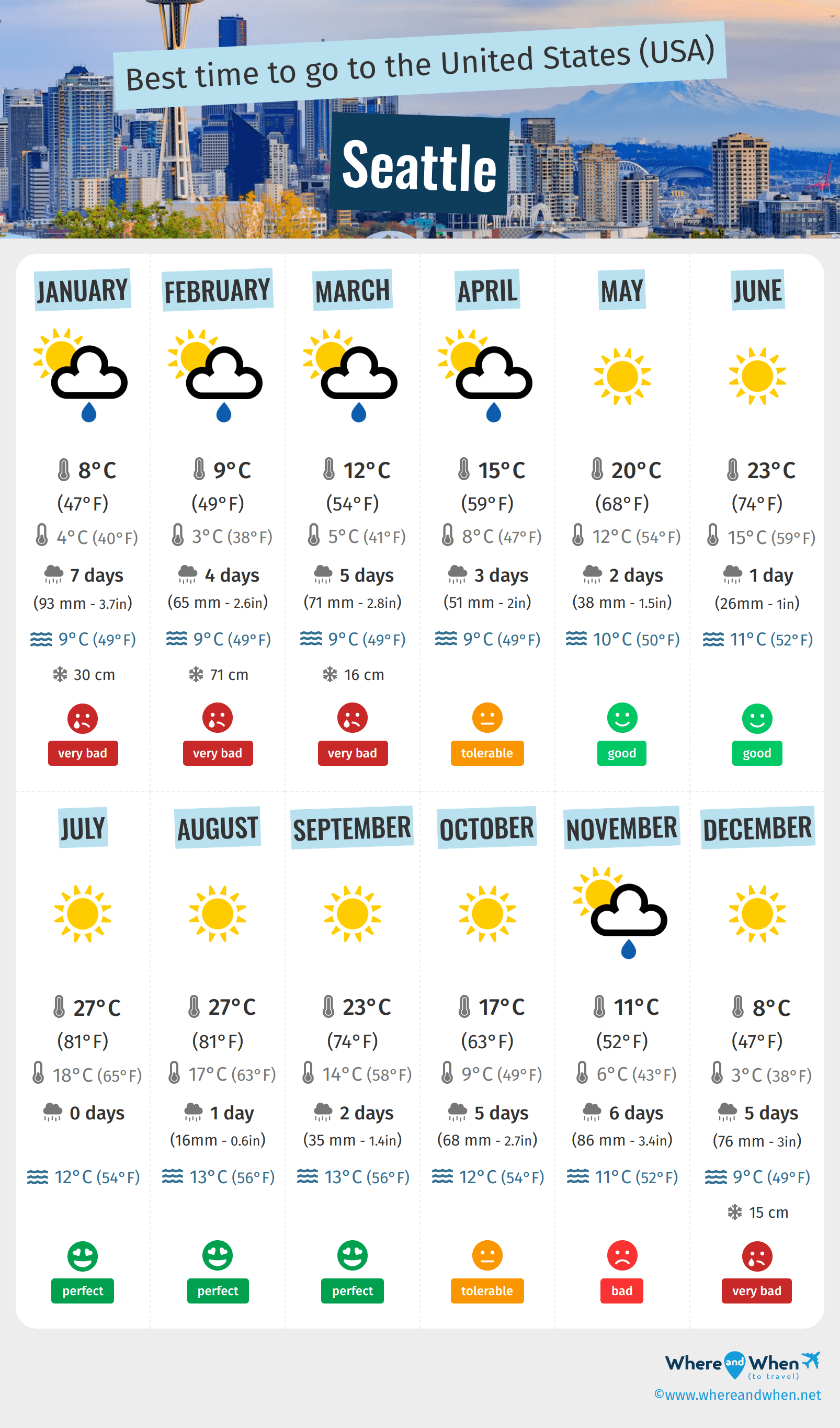
- Summer (June-September): With long daylight hours (thanks to PDT), warm temperatures, and generally less rain, summer is peak tourist season. This is the ideal time for outdoor activities, festivals, and enjoying the city’s parks and waterfront. However, expect larger crowds and higher prices for accommodation and flights.
- Fall (October-November): As Seattle transitions back to PST, the city takes on a golden hue. Crowds thin, and while rain becomes more frequent, it’s an excellent time for cultural experiences, cozy coffee shop visits, and enjoying the vibrant fall foliage.
- Winter (December-February): Shorter days and more consistent rainfall characterize winter. This period is perfect for indoor attractions like museums, theaters, and exploring the city’s culinary scene. The festive holiday season also brings unique events and decorations.
- Spring (March-May): Seattle springs forward into PDT, bringing blooming flowers, awakening nature, and increasing sunshine. It’s a fantastic time for budget travel and enjoying the city before the summer rush, with plenty of opportunities for brisk walks and enjoying the warming weather.
Each season offers a distinct Seattle experience, and aligning your travel dates with your desired activities and lifestyle preference (e.g., luxury travel, budget travel, family trips, business stays) will lead to a more fulfilling visit.
Jet Lag and Staying on Seattle Time
For travelers arriving from distant time zones, particularly those on business stays or family trips where maintaining a schedule is crucial, managing jet lag is paramount.
- Pre-Adjustment: If possible, try to adjust your sleep schedule by an hour or two each day in the days leading up to your trip, shifting towards Seattle’s time zone.
- Hydration and Light: Stay well-hydrated before, during, and after your flight. Upon arrival, expose yourself to natural light during Seattle’s daytime to help reset your body clock. Avoid heavy meals and excessive caffeine or alcohol, especially close to bedtime.
- Strategic Napping: If you must nap, keep it short (20-30 minutes) and early in the day to avoid disrupting your nighttime sleep.
- Embrace the Schedule: As soon as you land, try to adapt to Seattle’s schedule for meals and sleep, even if you don’t feel tired. This consistent effort will help your body synchronize more quickly, allowing you to fully engage with all the city has to offer.
In essence, “What time is it in Seattle now?” opens the door to a deeper conversation about travel, tourism, and lifestyle. It’s a call to conscious planning, encouraging visitors to not merely pass through, but to truly immerse themselves in the rhythm and experiences that make Seattle such a captivating destination. By understanding its time zone, planning around attraction hours, coordinating accommodation logistics, and embracing the seasonal shifts, you’re not just visiting a city; you’re living it, moment by meticulously planned moment.
LifeOutOfTheBox is a participant in the Amazon Services LLC Associates Program, an affiliate advertising program designed to provide a means for sites to earn advertising fees by advertising and linking to Amazon.com. Amazon, the Amazon logo, AmazonSupply, and the AmazonSupply logo are trademarks of Amazon.com, Inc. or its affiliates. As an Amazon Associate we earn affiliate commissions from qualifying purchases.