
For anyone planning a trip to the Sunshine State, a fundamental question often arises, surprisingly pivotal to the entire experience: “What time is it in Florida?” While seemingly straightforward, the answer holds more nuance than one might expect, as Florida is one of the few states that straddles two distinct time zones. Understanding this geographical and temporal division is not just a matter of curiosity; it’s a crucial element for seamless travel planning, booking accommodations, coordinating activities, and truly immersing oneself in the diverse offerings of this vibrant destination. From the bustling theme parks of Orlando to the tranquil beaches of the Panhandle, every aspect of a Florida adventure is subtly influenced by the clock.
This guide delves into the intricacies of Florida’s time zones, offering practical advice for travelers. We’ll explore how these time differences impact everything from flight schedules and hotel check-ins to dining reservations and communication with loved ones back home. Beyond the mere ticking of seconds, we’ll connect the concept of time to the broader tapestry of Florida travel, tourism, and lifestyle. Whether you’re a first-time visitor or a seasoned Florida enthusiast, grasping the temporal landscape is your first step towards unlocking a perfectly synchronized and unforgettable journey.
Navigating Florida’s Time Zones: A Crucial First Step for Travelers
Florida’s unique geographical stretch means that it falls within two major time zones, a detail that can significantly impact the logistics and enjoyment of your trip. Ignoring this subtle but important fact could lead to missed flights, late check-ins, or confusion with scheduled activities. For a smooth and stress-free vacation, it’s paramount to understand where these time zone boundaries lie and how they influence your itinerary.
The Split: Eastern vs. Central Time
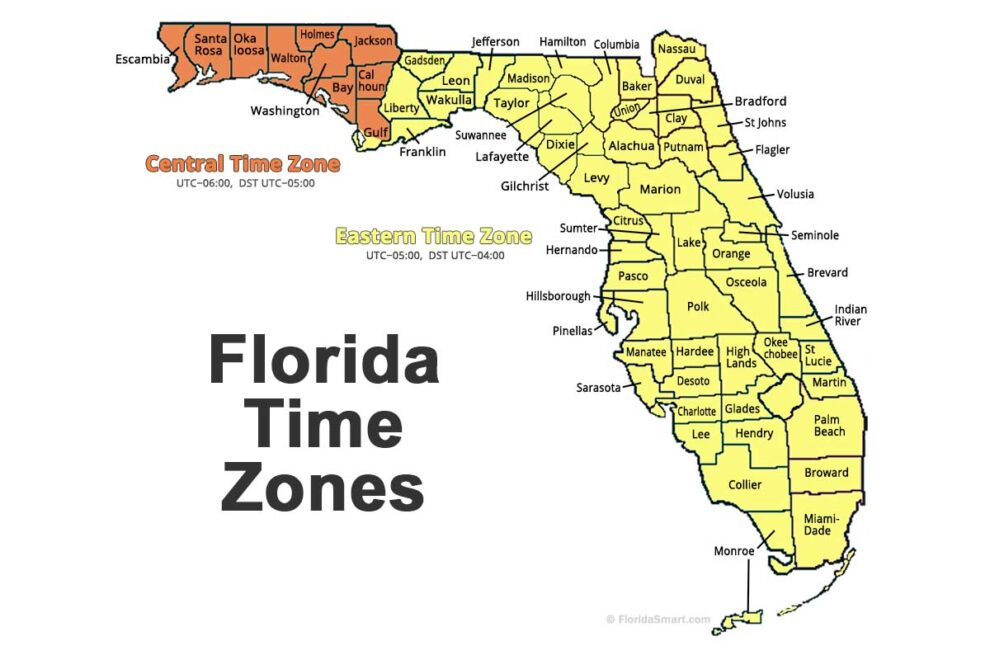
The majority of Florida, including its most famous cities and tourist hubs, observes the Eastern Time Zone (ET). This encompasses major destinations like Orlando, Miami, Tampa, Jacksonville, and all of the Florida Keys. If you’re planning a trip to Walt Disney World Resort, Universal Orlando Resort, or the vibrant nightlife of South Beach, you’ll be operating on ET. This time zone is typically five hours behind Coordinated Universal Time (UTC-5) during standard time and four hours behind (UTC-4) during Daylight Saving Time.
However, a significant portion of the Florida Panhandle, stretching westward from the Apachicola River, falls into the Central Time Zone (CT). This includes popular beach destinations like Pensacola, Destin, and Panama City Beach. These areas are one hour behind Eastern Time Zone. So, when it’s 3:00 PM in Orlando, it’s 2:00 PM in Pensacola. The Central Time Zone is typically six hours behind Coordinated Universal Time (UTC-6) during standard time and five hours behind (UTC-5) during Daylight Saving Time. This one-hour difference, while seemingly small, can be a source of confusion for travelers unaware of the split, especially when crossing between the two zones.
Practical Implications for Your Travel Plans
The time zone divide has several practical implications for travelers:
- Flight Schedules and Airports: Most major airports like Orlando International Airport (MCO), Miami International Airport (MIA), and Tampa International Airport (TPA) are in ET. However, if you’re flying into or out of Pensacola International Airport (PNS) or Northwest Florida Beaches International Airport (ECP) in the Panhandle, you’ll be on CT. Always double-check your flight times against the local time zone of your departure and arrival airports, particularly if you have connecting flights that cross the time zone boundary within Florida.
- Hotel Check-ins and Check-outs: Accommodation bookings are always based on local time. Ensure your arrival and departure plans align with the hotel’s operating hours in its specific time zone. Miscalculating this could lead to unexpected waiting times or even a lost night’s stay.
- Reservations and Activities: Whether it’s a dinner reservation, a theme park entry time, a boat tour, or a spa appointment, all scheduled activities will adhere to the local time. If you’re driving from Tallahassee (ET) to Panama City Beach (CT) for an afternoon excursion, remember to adjust your watch an hour back upon crossing the time zone line.
- Communication: If you’re communicating with family or business associates outside of Florida, or even across the state’s time zones, be mindful of the difference. A quick call to your travel agent in California (Pacific Time) from Miami (Eastern Time) will mean a three-hour difference, while a call to a friend in Destin from Orlando is just one hour.
Staying aware of Florida’s time zones is a simple but effective way to ensure your trip runs smoothly, preventing minor inconveniences from turning into major headaches.
Planning Your Florida Adventure: Top Destinations and Time Considerations
Florida’s appeal lies in its incredible diversity, offering everything from world-class theme parks and vibrant cityscapes to pristine natural landscapes and historical treasures. As you plan your adventure, integrating your understanding of time zones with your chosen destinations will enhance your experience, ensuring you make the most of every precious moment in the Sunshine State.
East Coast Wonders: Orlando, Miami, and the Atlantic Coast (ET)
The vast majority of Florida’s most famous destinations fall within the Eastern Time Zone. This cluster of excitement and relaxation makes planning relatively straightforward, as all your activities, from sunrise to sunset, will adhere to a single time standard.
- Orlando: The Theme Park Capital
As home to Walt Disney World Resort (including Magic Kingdom, Epcot, Disney’s Hollywood Studios, and Disney’s Animal Kingdom) and Universal Orlando Resort (featuring Universal Studios Florida and Islands of Adventure), Orlando is a magnet for families and thrill-seekers. Given the sheer number of attractions, meticulous time management is key here. Park opening and closing times, show schedules, and dining reservations are all strictly on Eastern Time Zone. Early mornings are often recommended to beat the crowds, and knowing the local time ensures you arrive promptly to maximize your day. Beyond the parks, Orlando offers excellent accommodation options, from luxury resorts to family-friendly suites, all geared towards making your stay as comfortable as possible. - Miami & South Florida: Beaches, Culture, and Nightlife
Further south, Miami pulsates with Latin flair, stunning beaches like South Beach, and a vibrant arts scene exemplified by the Art Deco Historic District. Miami, Fort Lauderdale, and their surrounding areas operate on Eastern Time Zone. For tourism here, time means everything for dining at trendy restaurants, experiencing the bustling nightlife, or catching an early morning yoga session on the sand. The best hotels and resorts in Miami often feature amenities designed for both relaxation and lively entertainment, catering to diverse lifestyles. - The Atlantic Coast: Space and History
Up the Atlantic Coast, destinations like Cape Canaveral, home to the Kennedy Space Center Visitor Complex, and St. Augustine, the nation’s oldest city, offer unique cultural and historical experiences. All are firmly in the Eastern Time Zone. Timing your visit to the Kennedy Space Center Visitor Complex around a rocket launch (if available) requires precise scheduling, while exploring the historic streets of St. Augustine can be a leisurely affair, guided by local business hours.
The Panhandle’s Allure: Pensacola, Destin, and Central Time (CT)
Shifting gears to Florida’s northwestern edge, the Panhandle offers a distinctly different vibe, characterized by sugar-white sands and emerald waters. This region operates on Central Time Zone, making it crucial for travelers to mentally (and physically) adjust their watches upon arrival.
- Pensacola: History Meets Gulf Shores
As one of the oldest settlements in Florida, Pensacola boasts a rich history alongside stunning beaches. Attractions like the National Naval Aviation Museum and the historic downtown are all on Central Time Zone. - Destin & Panama City Beach: Beach Paradise
These cities are quintessential Florida Panhandle destinations, renowned for their fishing, water sports, and family-friendly atmospheres. Popular activities such as dolphin cruises, deep-sea fishing charters, and sunset beach experiences are all timed according to Central Time Zone. Many resorts and vacation rentals in these areas cater to long-term stays, perfect for those looking to truly unwind on Central Time Zone.
For visitors driving from the eastern parts of Florida into the Panhandle, remember to set your clocks back an hour. This ensures you’re on time for any booked activities and can fully enjoy the later sunsets characteristic of the Central Time Zone.
Beyond the Mainland: The Florida Keys (ET)
The enchanting chain of islands that make up the Florida Keys operates entirely on Eastern Time Zone. From the bustling streets of Key West to the serene waters of Islamorada, time flows consistently with Miami and Orlando. This simplifies planning for those focused solely on exploring this unique archipelago. Snorkeling trips, sunset sails, and dining at local seafood shacks will all be in sync with ET, allowing visitors to fully embrace the relaxed, tropical lifestyle without temporal concerns.
Maximizing Your Stay: Accommodation, Activities, and Lifestyle
Beyond merely knowing the time, understanding how to strategically plan your itinerary around Florida’s temporal landscape enhances every aspect of your trip. From selecting the perfect place to stay to diving into local culture, every decision can be optimized with time in mind.
Seamless Stays: Choosing Your Ideal Accommodation
Florida’s accommodation landscape is as diverse as its geography, offering options to suit every taste, budget, and travel style. Your choice of lodging can significantly influence how you experience time during your vacation.
- Resorts & Hotels: For travelers seeking convenience and a full suite of amenities, Florida’s resorts and hotels are unparalleled. Many, especially in major tourist areas like Orlando and Miami, offer flexible check-in/check-out times (always local time, of course) and 24-hour services. When booking, consider properties that offer amenities like on-site dining or transportation to attractions, which can save valuable travel time. For those visiting the Panhandle, luxury resorts in Destin and Panama City Beach often provide direct beach access, allowing for more time enjoying the sand and sea.
- Villas & Apartments: For families, groups, or those planning long-term stays, booking a private villa or apartment can offer more space, privacy, and the ability to cook your own meals, saving both time and money. Websites for accommodation booking often allow comparisons based on location, amenities, and proximity to landmarks, helping you choose a spot that minimizes travel time to your desired activities. These options are popular in areas like Orlando (near theme parks) and coastal towns like Sarasota or St. Petersburg.
- Budget-Friendly Options: Travelers on a tighter budget can find excellent value in Florida’s numerous budget hotels and motels. While they might offer fewer amenities, they provide a comfortable base from which to explore. Smart budgeting frees up more funds for experiences, ensuring your time is well-spent on activities rather than solely on extravagant lodging.
Regardless of your choice, always confirm the local check-in and check-out times, especially if your travel itinerary involves crossing time zones.
Time for Adventure: Must-Do Activities and Experiences
Florida is an adventurer’s paradise, and making the most of your time means carefully selecting experiences that align with your interests and schedule.
- Theme Parks (ET): Dedicate full days to Walt Disney World Resort or Universal Orlando Resort. Arrive at opening to beat lines, utilize mobile ordering for food, and make strategic use of ride reservation systems to maximize your time. Evening shows and parades, always on Eastern Time Zone, are spectacular finales to a busy day.
- Beach Escapes (ET & CT): Whether you’re soaking up the sun on Clearwater Beach (ET) or the pristine sands of Destin (CT), beach time is a quintessential Florida experience. Plan your beach visits around sunrise or sunset for breathtaking views. The Panhandle’s Central Time Zone means later sunsets, offering more evening daylight for beach strolls and outdoor dining.
- Nature & Wildlife (ET & CT): Explore the unique ecosystems of Everglades National Park (ET) with an airboat tour or discover the underwater wonders of Biscayne National Park (ET). In the Panhandle, state parks and coastal dune lakes offer tranquil retreats. Guided tours often have strict departure times, so confirming the local time zone is crucial.
- Culture & History (ET & CT): Dive into history in St. Augustine (ET) or explore the vibrant Tampa Riverwalk (ET). For a blend of history and nature, consider a visit to Dry Tortugas National Park (ET) off Key West, accessible by ferry or seaplane on a strict timetable.
Embracing the Florida Lifestyle: From Luxury to Budget
Florida’s lifestyle caters to all preferences, making it a truly universal destination.
- Luxury Travel: For those indulging in luxury travel, time often means exclusivity and seamless service. High-end resorts offer concierge services that can manage all your bookings and schedules, ensuring your time is spent on enjoyment, not logistics. Private tours, bespoke dining experiences, and yacht charters are all meticulously timed to your preference.
- Budget Travel: Smart budget travel in Florida means maximizing value for every dollar and every minute. Taking advantage of free attractions (like beaches and parks), using public transportation or rideshares to save on parking time, and packing snacks can help stretch your budget and time efficiently.
- Family Trips: Planning for family trips requires even greater attention to time, considering nap times, meal schedules, and children’s energy levels. Opting for accommodations with kitchens can facilitate meal prep and save time eating out, while choosing attractions with diverse offerings ensures everyone in the family has a great time.
- Business Stays: For business travelers, time is literally money. Selecting hotels with business centers, reliable Wi-Fi, and proximity to convention centers or client offices is key. Being aware of time zones is particularly important for virtual meetings and client calls across different regions.
Embracing the Florida lifestyle means enjoying its relaxed pace while staying organized enough to fully experience its myriad offerings.
Essential Travel Tips for a Timeless Florida Experience
Having grasped the intricacies of Florida’s time zones and how they intertwine with your travel plans, a few more essential tips can ensure your journey is not only memorable but also effortlessly smooth, allowing you to truly relax and savor every moment.
Staying Connected Across Time Zones
In today’s interconnected world, staying aware of time differences extends beyond simply setting your watch. Modern technology offers numerous tools to help you navigate temporal shifts, making your Florida trip hassle-free.
- Smartphone Settings: Your smartphone is your best friend when it comes to time zones. Most phones automatically update to the local time zone when you travel. Ensure this setting is enabled. However, if you’re driving across the Florida time zone boundary (e.g., from Tallahassee in ET to Panama City Beach in CT), your phone might not immediately register the change if cell service is spotty. It’s always a good idea to manually verify the time and carry a traditional watch or simply cross-reference with a local.
- World Clock Apps: Utilize world clock features on your phone or dedicated apps to easily track the time in your home city, your current Florida location, and any other relevant time zones (e.g., for connecting flights or communicating with tour operators). This helps avoid confusion when scheduling calls or planning cross-zone activities.
- Digital Itineraries: Keep all your flight details, hotel bookings, and activity reservations in a digital format (e.g., a travel app, cloud document, or email folder). This way, you can easily access and confirm times against the local time, regardless of where you are in Florida. Many apps will even adjust times for you based on your current location.
Best Time to Visit and Other Practical Advice
Choosing the right time to visit Florida can profoundly impact your experience, influencing everything from crowd levels and weather to pricing for hotels and attractions.
- Seasonality and Crowds:
- Peak Season (Winter/Spring Break): From late November to May, Florida experiences its peak tourist season, especially in the central and southern parts. The weather is cooler and drier, making it ideal for theme park visits and beach relaxation. However, expect larger crowds and higher prices for accommodation, flights, and activities. Booking well in advance is essential during these times.
- Off-Peak Season (Summer/Fall): June through October brings hotter temperatures, higher humidity, and the hurricane season, particularly for the Atlantic Ocean and Gulf of Mexico coasts. However, you’ll find fewer crowds and often significantly lower prices. If you plan to visit during this time, consider travel insurance and stay updated on weather forecasts. This period can be excellent for budget-conscious travelers or those looking for a more relaxed pace.
- Packing Essentials: Regardless of when you visit, always pack light, breathable clothing. Sunscreen, hats, and sunglasses are non-negotiable. If visiting in winter, a light jacket might be useful for cooler evenings. Comfortable walking shoes are a must, especially for theme park adventures or exploring city landmarks.
- Transportation: While major cities like Miami and Orlando have some public transportation, renting a car offers the most flexibility for exploring diverse destinations. This is particularly true if you plan to traverse the state and cross between the Eastern Time Zone and Central Time Zone. Factor in driving times and potential traffic, especially around urban areas during rush hour.
- Local Culture and Etiquette: Florida is a melting pot of cultures, influenced by its proximity to the Caribbean and Latin America, particularly in South Florida. Embrace the local cuisine, from fresh seafood to Cuban sandwiches. Tipping is customary in restaurants, bars, and for services like taxi rides or hotel bellhops. A friendly, relaxed demeanor is generally appreciated.
- Explore Beyond the Obvious: While the major attractions are undeniably appealing, carve out time to explore Florida’s hidden gems. Visit a charming small town like Winter Park or Amelia Island, discover a lesser-known state park, or enjoy local festivals. These experiences often provide deeper insights into the authentic Florida lifestyle and create lasting memories.
By paying attention to “what time it is in Florida” in its literal and broader sense – understanding time zones, planning efficiently, and making time for both relaxation and adventure – you’re set to enjoy a truly unforgettable journey through this enchanting state. Florida is waiting to share its sunshine, excitement, and tranquil beauty, all on its own unique schedule.
LifeOutOfTheBox is a participant in the Amazon Services LLC Associates Program, an affiliate advertising program designed to provide a means for sites to earn advertising fees by advertising and linking to Amazon.com. Amazon, the Amazon logo, AmazonSupply, and the AmazonSupply logo are trademarks of Amazon.com, Inc. or its affiliates. As an Amazon Associate we earn affiliate commissions from qualifying purchases.