
The seemingly simple question, “What time is it Anchorage, Alaska?” unlocks a fascinating world of geographical nuance, travel planning essentials, and unique lifestyle considerations. For anyone contemplating a journey to the Last Frontier, understanding the intricacies of Alaska’s time zone is far more than a trivial detail; it’s a cornerstone for seamless travel, effective itinerary planning, and a deeper appreciation of the region’s distinctive rhythm. From battling jet lag to maximizing the endless summer daylight or preparing for the long winter nights, the clock in Anchorage plays a pivotal role in shaping every visitor’s experience.
This article delves into the specifics of Alaska’s time, offering insights for travelers, exploring how it impacts local life and tourism, and providing practical tips for navigating your adventure in this magnificent North American state.

Understanding Alaska’s Unique Time Zone
At first glance, time zones might appear straightforward, but Alaska, being the largest state in the United States, presents a unique situation. Its vast expanse and northern latitude contribute to a timekeeping system that influences daily life and travel in profound ways.
The Alaska Time Zone (AKT) Explained
Most of Alaska, including its largest city, Anchorage, operates on the Alaska Time Zone (AKT). This time zone is officially designated as UTC-9 during standard time and UTC-8 during Daylight Saving Time. What does this mean in practical terms?
Compared to the contiguous United States:
- AKT is one hour behind the Pacific Time Zone. So, if it’s 3 PM in Seattle, it’s 2 PM in Anchorage.
- AKT is two hours behind the Mountain Time Zone.
- AKT is three hours behind the Central Time Zone.
- AKT is four hours behind the Eastern Time Zone, which covers major cities like New York and Miami.

This significant time difference is crucial for anyone traveling from the Lower 48 or Canada. It also means that communicating with family, friends, or business associates in other parts of North America requires a bit of mental calculation. While most of Alaska adheres to AKT, a small portion of the state, specifically the westernmost Aleutian Islands and St. Lawrence Island, observes Hawaii-Aleutian Standard Time (UTC-10), making them even further removed from the mainland United States time. However, for visitors to Anchorage, the Alaska Time Zone is the primary concern.
Daylight Saving Time and Its Impact
Like most of the United States, Alaska observes Daylight Saving Time, which begins on the second Sunday in March and ends on the first Sunday in November. During this period, clocks spring forward one hour, effectively moving Anchorage to UTC-8.
While Daylight Saving Time is common, its impact in Alaska is somewhat unique due to the state’s extreme latitudes. In the summer, regions like Anchorage already experience exceptionally long daylight hours, famously known as the Midnight Sun. Shifting the clock forward means that the sun sets even later by the clock, stretching the “daylight” well into the late evening and even past midnight. This phenomenon profoundly influences tourism and lifestyle, affecting everything from attraction operating hours to dining schedules and personal routines. Conversely, during the dark winter months, Daylight Saving Time’s end ushers in even shorter “clock” days, despite the natural light already being scarce. Understanding whether you’re visiting during standard time or Daylight Saving Time is crucial for planning your daily activities and managing your internal clock.
Planning Your Trip: Time Considerations for Travelers
For visitors, especially those arriving from distant time zones, the clock in Anchorage presents both challenges and unparalleled opportunities. Effective planning can transform potential hurdles into unique aspects of your Alaskan adventure.
Overcoming Jet Lag: Tips for a Smooth Transition
Traveling to Alaska often involves significant time zone shifts, which can lead to jet lag. Symptoms like fatigue, irritability, and difficulty sleeping are common, but with a few strategies, you can minimize their impact and maximize your enjoyment.
- Adjust Before You Go: A few days before your trip, try to shift your sleep schedule by an hour or two closer to Alaska time.
- Hydrate and Avoid Alcohol/Caffeine on Flights: Dehydration and stimulants can exacerbate jet lag. Drink plenty of water.
- Embrace the Light: Upon arrival in Anchorage, expose yourself to natural light, especially in the morning. This helps reset your circadian rhythm. During summer, the abundance of daylight can be disorienting; consider an eye mask for sleeping.
- Stay Active: Gentle exercise, like a walk along the Tony Knowles Coastal Trail, can help you feel more alert and sleep better at night.
- Eat at Local Meal Times: Try to align your meal schedule with Anchorage’s dining hours, even if you’re not hungry initially.
- Prioritize Sleep: Ensure your accommodation offers blackout curtains, especially important during the Midnight Sun period. Hotels like the Hotel Captain Cook or Marriott Anchorage Downtown are well-equipped to assist guests with comfortable sleep environments.
Maximizing Your Itinerary: Daytime and Nighttime Activities
The distinct light cycles in Anchorage, particularly the extended daylight of summer and the prolonged darkness of winter, dramatically influence activity planning.
In summer, with the Midnight Sun keeping the sky bright late into the evening, visitors have an extraordinary amount of “daylight” hours to explore. This allows for:
- Extended Outdoor Adventures: Hiking in the Chugach Mountains, fishing in Cook Inlet, scenic drives along the Seward Highway to Girdwood or the Kenai Peninsula, and wildlife viewing can all be enjoyed well past conventional sunset times. You might find restaurants and shops open later to cater to this schedule.
- Unique Experiences: Midnight golf, late-night kayaking on Lake Hood Seaplane Base, or simply enjoying a patio meal under a bright “night” sky become possibilities.
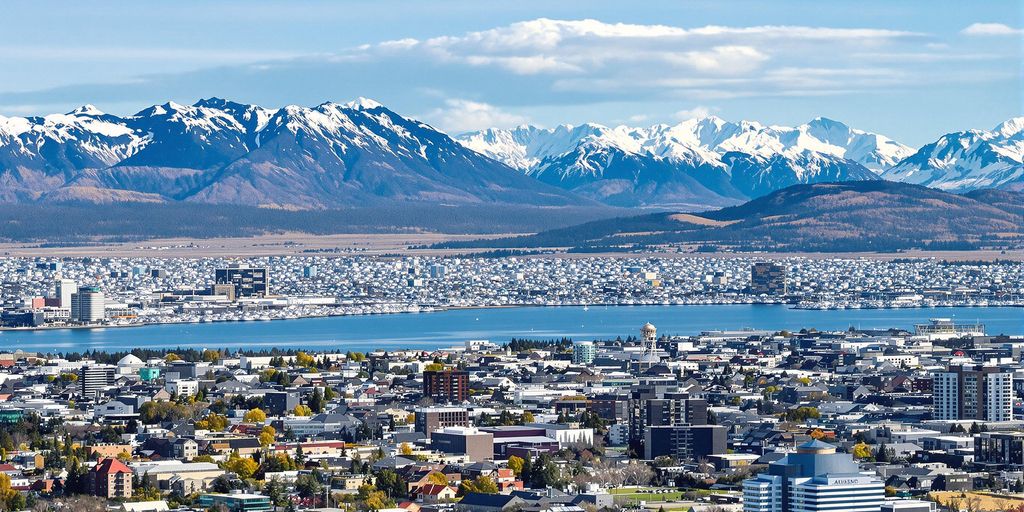
In winter, the shorter days and longer nights create a different atmosphere. While daylight is limited, typically from around 9 AM to 4 PM in mid-winter, it opens up opportunities for specific activities:
- Aurora Borealis Chasing: The long, dark nights are ideal for witnessing the spectacular Aurora Borealis, particularly from late August to April. Locations outside the city, away from light pollution, are best.
- Winter Sports: Skiing at Arctic Valley Ski Area or Alyeska Resort in Girdwood, ice skating, and dog mushing tours are popular daytime pursuits that conclude as darkness falls.
- Indoor Attractions: Museums like the Anchorage Museum and the Alaska Native Heritage Center, or the Alaska Zoo, are excellent options for the shorter daylight hours.
Always check the operating hours of attractions, tours, and restaurants, as these can vary significantly by season and even adjust to local demand driven by the unique daylight cycles.
Anchorage by the Clock: Daily Life and Essential Services
Beyond visitor itineraries, the Alaska Time Zone shapes the rhythm of daily life and the operation of essential services in Anchorage, influencing everything from hotel check-ins to the bustle of local markets.
Hotel Operations and Accommodation Logistics
Accommodation providers in Anchorage are keenly aware of the time zone challenges and unique light cycles. Hotels, suites, resorts, and apartments cater to guests arriving from different parts of the globe, often dealing with late arrivals or early departures influenced by flight schedules and jet lag.
- Check-in/Check-out: While standard check-in times are usually in the afternoon and check-out in the morning, many establishments, like the Embassy Suites by Hilton Anchorage, offer flexibility or amenities like luggage storage for guests arriving before check-in or departing after check-out. It’s always advisable to communicate your estimated arrival time, especially if it’s outside conventional hours.
- Amenities for Comfort: Given the extreme light variations, many Anchorage accommodations prioritize guest comfort. Blackout curtains are a common feature, particularly in summer, to ensure travelers can achieve restful sleep despite the persistent daylight. Some hotels also offer 24-hour fitness centers or dining options to accommodate varying guest schedules.
- Booking and Reviews: When booking accommodation, travelers often consult reviews for insights into comfort, service, and how well the hotel manages these unique environmental factors. Comparing options on a platform like lifeoutofthebox.com can help identify properties that best suit individual needs, whether it’s proximity to attractions or specific amenities.
Dining, Shopping, and Local Experiences
The commercial landscape of Anchorage adapts to its temporal realities. During the summer months, with a surge in tourism and endless daylight, many restaurants and shops extend their hours. It’s not uncommon to find eateries serving dinner until late, capitalizing on visitors’ desire to maximize their daylight hours. Farmers markets, often a highlight of local culture, might also operate later into the evening.
In contrast, winter brings shorter operational hours for some businesses, especially those catering primarily to outdoor activities. However, indoor attractions and culinary hotspots maintain consistent schedules. Local tips often revolve around embracing the seasonal rhythm—early starts in winter to catch the precious daylight, and late evenings in summer to soak in the Midnight Sun. Understanding these nuances ensures you don’t miss out on local culture, unique food experiences, or shopping opportunities.
Beyond the Clock: Experiencing Alaska’s Extreme Light Cycles
While knowing the exact time is practical, truly experiencing Anchorage means going beyond the digits on a clock face and embracing the profound impact of its extreme light cycles. These natural phenomena define the Alaskan lifestyle and offer unforgettable experiences.
The Midnight Sun: Endless Summer Days
During summer, Anchorage is bathed in the glow of the Midnight Sun. Around the summer solstice (late June), the city experiences nearly 19.5 hours of direct sunlight, with twilight stretching for several more, meaning it never truly gets dark. This phenomenon transforms the concept of “day” and “night.”
- Impact on Lifestyle: Locals and visitors alike find their internal clocks challenged. The constant daylight can be invigorating, encouraging extended outdoor activities and a vibrant social scene late into the evening. However, it also requires conscious effort to maintain a regular sleep schedule.
- Tourism Benefits: This is a peak travel period, as the endless daylight allows for packed itineraries. From a scenic flight over Denali National Park to fishing charters off Kodiak Island or cruises through Prince William Sound, the extended daylight hours mean more time for adventure and sightseeing, often until 10 PM or later, feeling like mid-afternoon.
The Aurora Borealis: Winter’s Spectacular Display
Conversely, the winter months in Anchorage bring shorter days and long, dark nights—the perfect canvas for the Aurora Borealis, or Northern Lights. While Anchorage itself has some light pollution, getting just a short drive outside the city can yield spectacular views. More northern cities like Fairbanks are often touted as prime viewing spots, but Anchorage offers its own opportunities.
- Best Viewing Times: The darkest hours, typically between 10 PM and 3 AM, offer the best chances. Viewing the Aurora Borealis often involves staying up late or waking in the middle of the night, a true testament to embracing Alaska’s unique temporal rhythm.
- Planning for the Lights: For those specifically hoping to see the aurora, a winter trip (late August to April is the season) is essential. Planning involves checking weather forecasts for clear skies and aurora forecasts for solar activity, blending time-sensitive planning with the unpredictability of nature.
Final Thoughts: Embracing the Rhythm of the North
The question “What time is it Anchorage, Alaska?” is a gateway to understanding much more than just a numerical value. It’s an invitation to explore a destination where geography, climate, and the human experience intertwine with the clock. Whether you’re adjusting to a new time zone upon arrival, marveling at the boundless energy of a Midnight Sun summer day, or patiently awaiting the cosmic dance of the Aurora Borealis in the depths of winter, time in Anchorage is a dynamic and integral part of the adventure.
For travelers, hotels, and tourism providers, understanding and adapting to Alaska’s unique temporal landscape is key to unlocking its full potential. By preparing for time zone shifts, planning activities around the seasonal light, and choosing accommodations that support a comfortable transition, visitors can fully immerse themselves in the extraordinary lifestyle and unforgettable experiences that make Anchorage a truly unparalleled destination. So, next time you check the time in Anchorage, remember that you’re not just looking at a clock; you’re looking at the pulse of Alaska.
LifeOutOfTheBox is a participant in the Amazon Services LLC Associates Program, an affiliate advertising program designed to provide a means for sites to earn advertising fees by advertising and linking to Amazon.com. Amazon, the Amazon logo, AmazonSupply, and the AmazonSupply logo are trademarks of Amazon.com, Inc. or its affiliates. As an Amazon Associate we earn affiliate commissions from qualifying purchases.