
The simple question, “What time is it?” can take on profound importance when planning a trip or conducting business in a new destination. For those venturing to the scenic landscapes and vibrant cities of Colorado, understanding the local time zone is not just a matter of curiosity, but a critical component of successful travel planning, seamless accommodation bookings, and a truly immersive experience. From coordinating flight arrivals to scheduling unforgettable adventures in the Rocky Mountains, knowing the exact time in Colorado is your first step towards an organized and enjoyable journey. This article delves into Colorado’s time zone, its practical implications for travelers, and tips for navigating time differences to make the most of your visit.

Colorado’s Time Zone Unveiled: Mountain Standard Time Explained
Colorado primarily observes a single time zone across its entire breadth, simplifying matters for most visitors. This uniformity, however, comes with a seasonal adjustment that all travelers must be aware of: Daylight Saving Time (DST).
Understanding Mountain Time (MT) and Mountain Standard Time (MST)
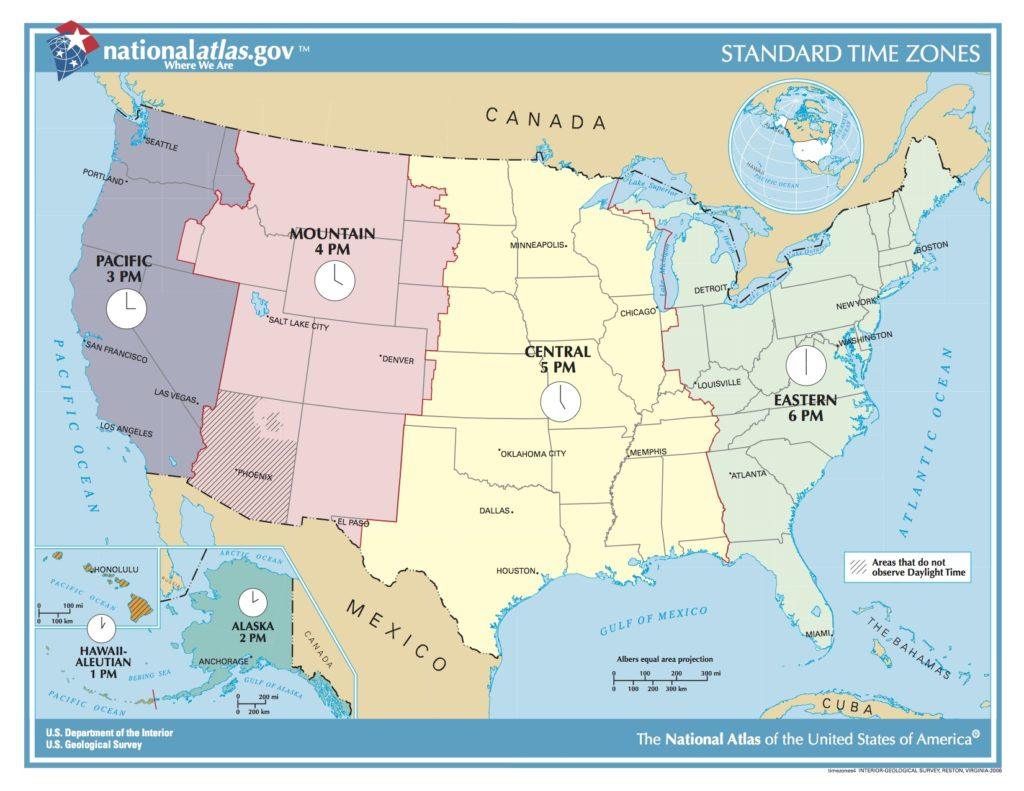
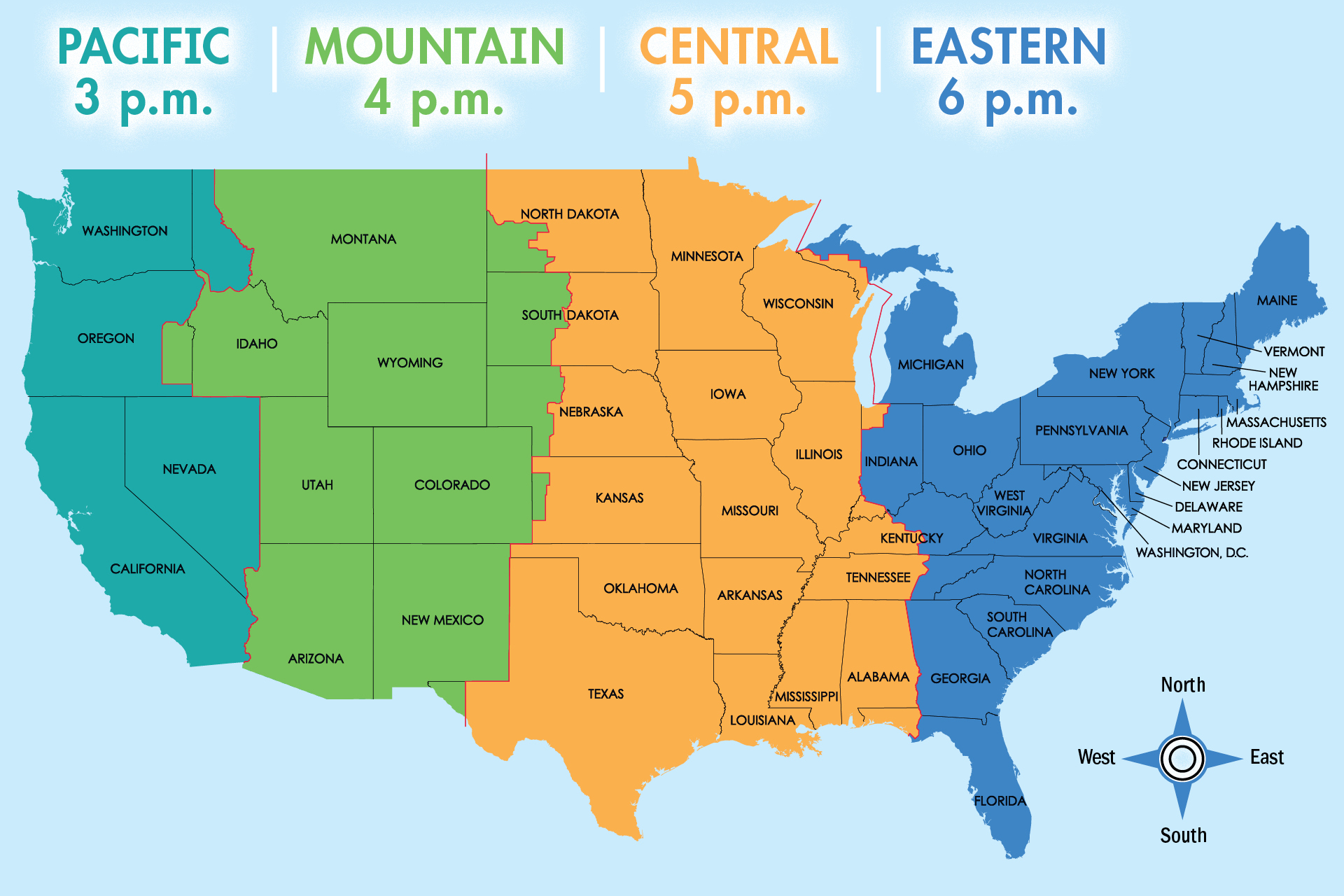
At its core, Colorado operates on Mountain Time (MT). During the standard period of the year, typically from early November to mid-March, this is known as Mountain Standard Time (MST). MST is designated as Coordinated Universal Time minus seven hours (UTC-7). This puts Colorado one hour behind the Central Time Zone and two hours behind the Eastern Time Zone in the United States. Conversely, it is one hour ahead of the Pacific Time Zone.
The concept of standardized time zones across the United States originated in the late 19th century, primarily driven by the need for consistent railroad schedules. Before this, towns often set their clocks based on solar noon, leading to chaotic differences over short distances. The implementation of time zones, including the Mountain Time Zone, brought order to travel and commerce.
Major cities and popular destinations within Colorado all adhere to Mountain Time. Whether you’re planning to explore the urban vibrancy of Denver, the natural beauty surrounding Colorado Springs, the academic atmosphere of Boulder, or the world-renowned ski slopes of Aspen and Vail, your clock will be set to MST or MDT depending on the season. This consistency within the state eliminates the confusion of crossing internal time zone borders, allowing visitors to focus on enjoying their experience.
The Dynamics of Daylight Saving Time (DST) in Colorado
The rhythm of time in Colorado shifts with the seasons due to Daylight Saving Time (DST). Each spring, residents and visitors alike “spring forward,” advancing their clocks by one hour. This transition typically occurs on the second Sunday in March. When DST is in effect, Colorado switches from Mountain Standard Time (MST) to Mountain Daylight Time (MDT), which is UTC-6. This means there’s a smaller difference between Colorado’s time and the Eastern Time Zone (now one hour) and a larger difference with the Pacific Time Zone (now two hours).
The primary purpose of DST is to make better use of daylight, particularly in the longer evenings of spring and summer. By shifting an hour of daylight from the morning to the evening, people can enjoy extended daylight for outdoor activities after work or school, potentially reducing energy consumption for lighting. For tourists, this means more daylight hours to explore landmarks, embark on hiking trails, or enjoy an al fresco dinner. Imagine watching the sunset over the Rockies at 8:30 PM in July – a direct benefit of MDT.
Conversely, in the fall, on the first Sunday of November, the clocks “fall back” by one hour, returning to Mountain Standard Time (MST). While the debate over the effectiveness and necessity of Daylight Saving Time continues nationwide, Colorado currently observes it. Travelers should always verify whether DST is in effect during their planned visit dates to avoid any timing mishaps. A simple check of the current date against the DST schedule will ensure you’re always in sync with local time.
Planning Your Colorado Adventure: Time-Sensitive Travel and Accommodation Tips
Understanding Colorado’s time zone is paramount for efficient travel planning. From booking flights to reserving a table at a top restaurant, every aspect of your itinerary is governed by the local clock.
Travel Logistics and Accommodation Bookings
The first point of contact for many travelers is transportation. When booking flights into Denver International Airport or regional airports serving cities like Colorado Springs or Aspen, always confirm the departure and arrival times in the local time zone of each location. This is especially crucial for connecting flights, where a miscalculation of time differences could lead to missed connections. Similarly, if you’re traveling by train via Amtrak or using bus services, all schedules will be posted in local Mountain Time (or Mountain Daylight Time during DST).
When it comes to accommodation, check-in and check-out times are always set according to the local clock. If you’re arriving from a distant time zone, an early morning arrival might mean a long wait until your standard check-in time, typically in the afternoon. Conversely, a late flight departure might necessitate arranging a late check-out with your hotel or finding secure luggage storage. Whether you’re staying at one of Denver’s luxury hotels, a cozy boutique hotel in Boulder, a sprawling family-friendly resort in Vail, or a rustic vacation rental in Breckenridge or Telluride, all booking confirmations will refer to Colorado’s local time. It’s good practice to double-check these details, especially if you’re booking through an international platform that might initially display times in your home time zone.
Maximizing Your Tourist Experience and Activities
Colorado offers an incredible array of attractions and activities, many of which operate on strict schedules that align with local time and daylight hours. For nature lovers, national treasures like Rocky Mountain National Park, Garden of the Gods near Colorado Springs, and the ancient cliff dwellings of Mesa Verde National Park have specific opening and closing times for visitor centers, scenic drives, and certain trails. Arriving too early or too late could mean missing out.
For adventure seekers, ski resorts like Vail Ski Resort and Aspen Snowmass operate lifts according to daylight and weather conditions, with set opening and closing times that are strictly enforced. Similarly, scheduling a white-water rafting trip, a guided hiking excursion, or a historical city tour requires punctual arrival at designated meeting points, all dictated by the local time.
Dining is another aspect where time consciousness pays off. Denver’s renowned culinary scene, for instance, sees peak hours for dinner reservations typically between 6 PM and 8 PM. If you’re coming from a time zone significantly ahead, your body might still be operating on an earlier schedule, making an early dinner reservation a good strategy. For those planning to attend a concert at the iconic Red Rocks Amphitheatre or a local festival, double-checking the start time against the local clock is essential to avoid disappointment.
Navigating Colorado’s Lifestyle: Time’s Impact on Daily Life and Well-being
Beyond the logistical hurdles, time zones and their transitions have a direct impact on personal well-being and the practicalities of various travel styles. Recognizing these effects can significantly enhance your Colorado experience.
Business, Family, and Leisure Considerations
For business travelers, managing meeting schedules across different time zones is a daily challenge. A 9 AM meeting in Colorado could be noon for East Coast colleagues or an early 7 AM for those on the Pacific Coast. Remote work arrangements also demand a keen awareness of time differences to ensure effective communication and collaboration. Many hotels and resorts in Colorado cater to business travelers, offering amenities like high-speed internet and meeting spaces, but the responsibility of aligning schedules often falls to the individual.
Family trips introduce another layer of time management. Children’s sleep patterns and meal times can be severely disrupted by significant time zone changes, leading to crankiness and less enjoyable travel. Gradually adjusting children’s schedules a few days before departure, and maintaining a consistent routine upon arrival in Colorado, can mitigate these challenges.
Budget travelers often find that flexibility with timing can lead to significant savings. Off-peak hours or seasons, which may coincide with less desirable daylight or weather conditions, often feature lower prices for flights, hotels, and attractions. Being aware of these cycles, and how they relate to the changing daylight hours due to DST, can help optimize spending. Conversely, luxury travelers might utilize concierge services at high-end resorts to meticulously manage complex itineraries that span multiple time zones, ensuring every detail, from private transfers to exclusive dining experiences, runs like clockwork.
Overcoming Jet Lag and Time Zone Transitions
Perhaps the most significant personal impact of crossing time zones is jet lag. Arriving in Colorado from the East Coast or further afield means your internal body clock, or circadian rhythm, is out of sync with the local time. Symptoms can include fatigue, difficulty sleeping, irritability, and digestive issues.
Several strategies can help minimize jet lag. Hydration is key: drink plenty of water before, during, and after your flight. Try to adjust your sleep schedule gradually in the days leading up to your trip, shifting it closer to Colorado’s time. Upon arrival, immediately set your watch and all electronic devices to local Mountain Time (or MDT). Exposure to natural light during the day, especially in the mornings, can help reset your internal clock. Engaging in light physical activity, such as a morning hike in the Rockies or a stroll through a Denver park, can also aid in acclimatization by signaling to your body that it’s daytime. Avoid heavy meals and excessive caffeine or alcohol, especially close to bedtime. Prioritizing a good night’s sleep on your first few nights in Colorado will make a world of difference in enjoying your trip.
In conclusion, knowing “What time is it in Colorado?” is more than just a quick glance at your watch. It’s the foundation for a well-planned, smooth, and enjoyable travel experience. By understanding Mountain Standard Time and the intricacies of Daylight Saving Time, you can seamlessly navigate everything from flight schedules and accommodation check-ins to tourism activities and dining reservations. Embrace the subtle shifts of the clock, plan accordingly, and you’ll unlock the full potential of your Colorado adventure, making memories that are timeless.
LifeOutOfTheBox is a participant in the Amazon Services LLC Associates Program, an affiliate advertising program designed to provide a means for sites to earn advertising fees by advertising and linking to Amazon.com. Amazon, the Amazon logo, AmazonSupply, and the AmazonSupply logo are trademarks of Amazon.com, Inc. or its affiliates. As an Amazon Associate we earn affiliate commissions from qualifying purchases.