
Embarking on a journey to the vibrant, soulful state of Louisiana is an adventure for the senses, promising an intoxicating blend of history, culture, and unforgettable experiences. From the bustling streets of New Orleans to the serene Bayou country, this unique destination operates on a rhythm all its own. But before you dive into the rhythm of jazz and Cajun living, there’s a fundamental question to address: “What time is it in Louisiana?” Beyond a simple clock check, understanding the local time zone and how it impacts every facet of your travel planning and experience is crucial for a seamless and enriching trip.
Whether you’re a first-time visitor or a seasoned explorer, grasping the nuances of time management in Louisiana is key to maximizing your adventure. From coordinating flight arrivals and hotel check-ins to scheduling Swamp Tours and dinner reservations, every moment counts. This comprehensive guide will not only clarify Louisiana’s time zone but also delve into how local time influences travel logistics, cultural immersion, accommodation choices, and the overall lifestyle experience, ensuring your trip flows as smoothly as the Mississippi River.
The Rhythmic Pulse of the Central Time Zone
To truly embrace the spirit of Louisiana, understanding its temporal foundation is your first step. The state’s unique charm is deeply intertwined with its daily rhythms, and knowing precisely where it stands on the global clock helps you synchronize your internal rhythm with its vibrant pulse.
Decoding Louisiana’s Time Zone
All of Louisiana observes the Central Time Zone (CT). This means that during standard time, Louisiana operates on Central Standard Time (CST), which is UTC-6. When Daylight Saving Time is in effect, typically from mid-March to early November, the state switches to Central Daylight Time (CDT), which is UTC-5. This shift means clocks are moved forward one hour in the spring and back one hour in the fall.
For travelers, this is a critical piece of information, especially if you’re arriving from a different time zone. For instance, if you’re flying in from the Eastern Time Zone (ET), you’ll need to set your watch back by one hour upon arrival. Conversely, if you’re coming from the Mountain Time Zone, you’ll move your watch forward by one hour, and two hours if traveling from the Pacific Time Zone. This simple adjustment is the foundation for avoiding missed connections, late arrivals, or early departures.
Why Time Zones Matter for Your Louisiana Adventure
Understanding the Central Time Zone is more than just a matter of knowing the current hour; it’s a strategic tool for enhancing your entire travel experience. For travel planning, it directly impacts flight schedules, ensuring you arrive at the airport at the correct time for your departure and coordinating ground transportation upon arrival. When it comes to hotels, check-in and check-out times are strictly observed according to local time, and missing these windows can lead to additional fees or disruptions to your itinerary.
Moreover, the local time dictates the operating hours of all attractions, restaurants, and cultural sites. Imagine missing the last Ghost Tour in the French Quarter because you miscalculated the closing time, or arriving too late to enjoy the famed Beignets at Cafe Du Monde before they close for the night. For a state as rich in immersive activities as Louisiana, aligning with the local clock means maximizing every precious moment of your trip. It allows you to seamlessly transition into the local lifestyle, from catching early morning French Market bargains to experiencing the vibrant nightlife that stretches into the early hours.
Timing Your Louisiana Experience: From Dawn to Dusk
Louisiana’s character changes profoundly throughout the day, offering distinct experiences depending on the hour. Knowing how to leverage the local time can help you craft an itinerary that captures the true essence of this captivating state.
Mornings: Embracing the Cajun Dawn and New Orleans Awakening
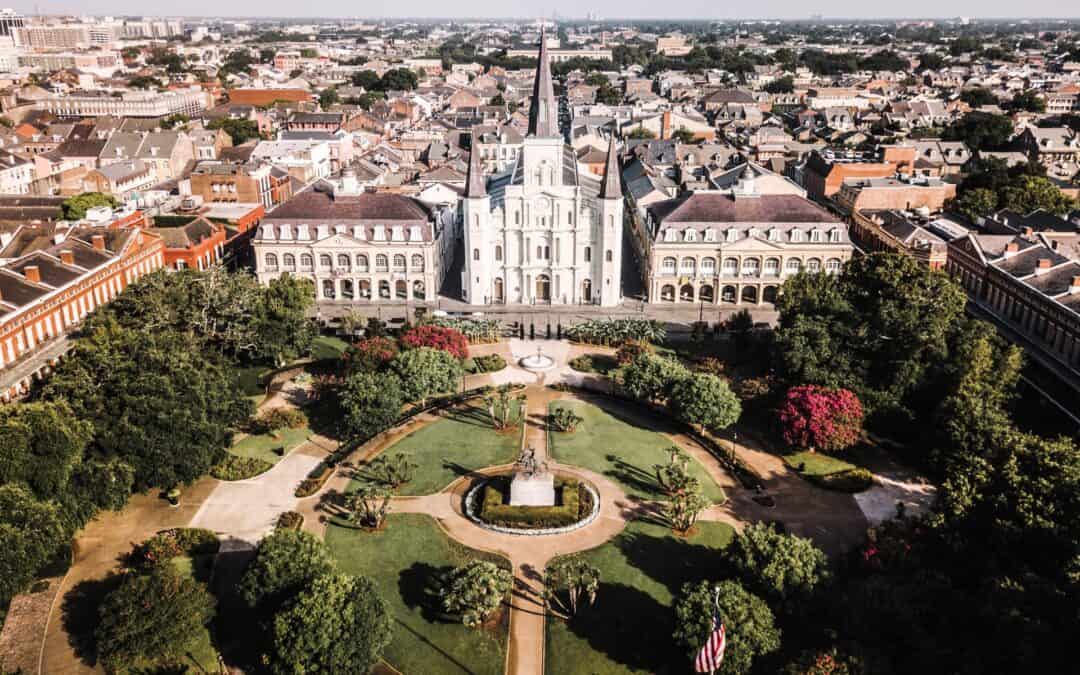
The early hours in Louisiana offer a unique blend of tranquility and burgeoning activity. For those in New Orleans, sunrise is the perfect time to explore the French Quarter before the crowds descend. A leisurely stroll through Jackson Square as the sun bathes St. Louis Cathedral in golden light is a serene experience. This is also the prime time for a traditional breakfast of coffee and Beignets at Cafe Du Monde or a hearty Cajun breakfast in Lafayette.
Many popular excursions, like Swamp Tours through the mysterious Bayou or visits to historic Plantation Homes like Oak Alley Plantation or Laura Plantation, often begin early. Booking these tours for the morning ensures cooler temperatures, fewer crowds, and the best chances to spot wildlife. For those interested in shopping, the French Market comes alive in the morning, offering everything from fresh produce to local crafts. Starting your day early maximizes daylight hours for exploration and provides a head start on popular attractions, making your Louisiana travel itinerary more efficient and enjoyable.

Afternoons: Unveiling Historic Landmarks and Culinary Delights
As the day progresses into afternoon, Louisiana transforms into a hub of activity perfect for deeper exploration. This is an ideal time to visit museums such as the National WWII Museum or the Louisiana State Museum, which typically have extensive opening hours throughout the afternoon. Walking tours of the Garden District, showcasing its stunning Garden District Mansions and grand architecture, are particularly pleasant as the midday heat begins to subside.
Lunchtime in Louisiana is an event in itself, offering opportunities to savor local specialties like Gumbo, Jambalaya, or a classic Po’boy. Many acclaimed restaurants, from casual eateries to fine dining establishments, are open for lunch, often with more accessible reservations than in the evening. For families, the afternoons are perfect for attractions like the Audubon Zoo or the Aquarium of the Americas in New Orleans. The afternoon also allows for leisurely rides on the iconic Streetcar, offering a charming way to see different parts of the Crescent City at a relaxed pace.
Evenings: The Crescent City After Dark and Bayou Serenity
As dusk settles, Louisiana awakens to a different kind of magic, especially in New Orleans. The evenings are synonymous with world-class dining, from upscale restaurants to hole-in-the-wall joints serving authentic Creole and Cajun cuisine. Making dinner reservations in advance, keeping local time in mind, is highly recommended for popular spots.
The true heart of New Orleans nightlife beats strongly after sunset. Live jazz pours out of clubs on Frenchmen Street, while Bourbon Street pulses with energy. A visit to Preservation Hall for a traditional jazz set is a timeless experience that requires careful timing due to limited seating and specific show times. For those seeking something spooky, Ghost Tours through the historic districts are a popular evening activity, offering a chilling glimpse into the city’s spectral past. Beyond the urban sprawl, evening Bayou tours can offer a mystical experience, with the sounds of nocturnal wildlife creating an unforgettable atmosphere. For travelers, understanding that “late night” truly means late night in Louisiana, particularly in New Orleans, helps in pacing oneself to fully enjoy the vibrant after-dark scene.
Accommodation & Logistics: Syncing Your Stay with Local Time
Seamless travel logistics are paramount for a stress-free trip, and understanding local time is the bedrock of efficient planning, especially concerning your accommodation. From booking to departure, every step is governed by the clock.
Mastering Check-in/Check-out and Hotel Bookings
When planning your trip to Louisiana, one of the most critical aspects influenced by local time is accommodation. Most hotels, suites, resorts, apartments, and villas adhere to standard check-in times, typically between 3:00 PM and 4:00 PM local time, and check-out times, usually around 11:00 AM or 12:00 PM local time. If your flight arrives early in the morning, or departs late in the evening, you’ll need to consider how this aligns with your accommodation’s policies.
Many luxury properties, such as The Roosevelt New Orleans or Hotel Monteleone, may offer early check-in or late check-out options, often for an additional fee or based on availability. It’s always advisable to contact your specific accommodation provider in advance to arrange these if needed. This foresight can prevent hours spent waiting in a lobby with luggage, allowing you to begin or extend your exploration of Baton Rouge, Shreveport, or Lafayette without delay. When booking accommodation online, double-check that all listed times (e.g., arrival windows, activity schedules) are automatically adjusted to or explicitly stated in the local Central Time Zone.
Navigating Transport and Tour Schedules
Beyond your immediate accommodation, understanding Louisiana’s local time is essential for navigating all other travel logistics. Public transport, such as New Orleans’s famous Streetcar system, operates on a schedule that can fluctuate, and adhering to local time ensures you don’t miss your connection. For longer journeys, whether by rental car or intercity bus, being aware of potential traffic patterns during peak local hours (morning and evening commutes) can help you plan more efficient routes.
Tour operators, whether for Swamp Tours, Ghost Tours, or plantation visits, operate on strict local time schedules. Missing your allocated departure slot often means forfeiting your booking. Always confirm your tour times and arrive at designated meeting points with ample buffer time. This is particularly important for popular attractions during peak season or festival periods like Mardi Gras, when punctuality is crucial due to high demand and tight schedules. Using a reliable timekeeping device set to Central Time Zone is a small but impactful detail that contributes significantly to smooth and enjoyable travel in Louisiana.
Cultural Immersion: Time-Honored Traditions and Festivities
The heartbeat of Louisiana beats to the rhythm of its rich cultural calendar. Many of the state’s most iconic experiences are deeply tied to specific times, seasons, and traditional schedules.
The Flow of Festivals: Mardi Gras and Beyond
Louisiana is world-renowned for its vibrant festivals, and timing is everything when planning to attend. Mardi Gras, perhaps the most famous, culminates on Fat Tuesday, a date that shifts each year based on the liturgical calendar. Planning a trip around this period requires not just knowing the date, but also understanding the daily schedule of parades and events that start weeks in advance. Parades follow specific routes and times, and securing a good viewing spot often means arriving hours ahead.
Beyond Mardi Gras, New Orleans Jazz & Heritage Festival (often called Jazz Fest) typically takes place over two weekends in late April and early May. Other notable events include the Satchmo SummerFest celebrating Louis Armstrong and other jazz legends, the French Quarter Festival, and numerous Cajun and Zydeco music festivals across the state. Each of these events has its own daily schedule, with performances, food stalls, and cultural activities running from morning until late evening. Consulting official festival guides and websites, all operating on Central Time Zone, is essential for planning your day and ensuring you catch your favorite acts or experiences.
Dining by the Clock: From Brunch to Late-Night Bites
Food is central to the Louisiana experience, and dining hours are an integral part of the local lifestyle. Brunch, a beloved institution in New Orleans, often starts late morning and can stretch into the early afternoon, offering everything from shrimp and grits to pain perdu. Popular brunch spots require reservations, especially on weekends, reinforcing the need to align with local dining times.
Lunch hours generally run from 11:00 AM to 2:00 PM, while dinner service typically commences around 5:00 PM or 6:00 PM and can extend quite late, particularly in vibrant areas like the French Quarter. However, many restaurants will have specific last seating times, so late arrivals without reservations might be turned away. For those seeking late-night bites, especially after enjoying the live music scene on Frenchmen Street or the revelry on Bourbon Street, many eateries remain open until the early hours, serving up comfort food and classic Creole dishes. Being mindful of these dining rhythms ensures you get to taste all the culinary wonders Louisiana has to offer, from the iconic Gumbo to fresh seafood.
Practical Time Management for Every Traveler
Regardless of your travel style – whether you’re on a luxury retreat, a budget adventure, a family vacation, or a business trip – effective time management is crucial for making the most of your visit to Louisiana.
Battling Jet Lag and Maximizing Your Day
For travelers arriving from distant time zones, jet lag can be a real impediment to enjoying the first few days of your trip. The most effective strategy is to begin adjusting your sleep schedule a few days before departure by gradually shifting towards the Central Time Zone. Upon arrival, try to expose yourself to natural light during Louisiana’s daytime hours and avoid napping for too long. Stay hydrated and try to sync your meal times with local dining schedules.
Maximizing your day in Louisiana means strategic planning. Create a flexible itinerary that balances popular attractions with downtime. For instance, if you plan to enjoy New Orleans’s vibrant nightlife, consider a slower start to your morning. If you’re tackling historical sites and museums in Baton Rouge or Shreveport, schedule them for continuous blocks to minimize travel time between locations. Utilize smartphone apps for time zone conversion, local event schedules, and navigation to keep everything on track.
Essential Time-Saving Tips for Louisiana Explorers
To ensure your Louisiana experience is as rich and relaxed as possible, consider these practical tips for time management:
- Book in Advance: For popular hotels, tours, and high-demand restaurants, especially in New Orleans during peak seasons or festivals, secure your reservations well ahead of time. This saves you from waiting in lines or facing fully booked situations.
- Verify Operating Hours: Always double-check the current operating hours of attractions, museums, and restaurants, as these can change seasonally or for special events. Use their official websites, which will reflect local [Central Time Zone](https://lifeoutofthebox.com/central-time-zone].
- Consider Travel Time: Louisiana is a diverse state, and travel between cities like New Orleans and Lafayette or Baton Rouge can take a few hours. Factor in realistic travel times when planning multi-city itineraries.
- Flexibility is Key: While planning is important, maintain some flexibility in your schedule. Louisiana’s charm often lies in its impromptu moments, like stumbling upon a street parade or a live jazz performance. Being open to these experiences, even if they momentarily deviate from your plan, can lead to some of your most cherished memories.
- Stay Connected: Keep your phone charged and use it as a reliable clock, calendar, and navigation tool. Many apps can automatically adjust to the local time, simplifying your travel logistics.
In conclusion, understanding “What time is it in Louisiana?” is far more than a simple query. It’s the starting point for a well-planned, richly experienced, and deeply immersive journey into one of America’s most captivating states. By syncing with the rhythms of the Central Time Zone, you unlock the full potential of your Louisiana adventure, ensuring every moment, from the first morning Beignet to the last late-night jazz note, is cherished and perfectly timed.
LifeOutOfTheBox is a participant in the Amazon Services LLC Associates Program, an affiliate advertising program designed to provide a means for sites to earn advertising fees by advertising and linking to Amazon.com. Amazon, the Amazon logo, AmazonSupply, and the AmazonSupply logo are trademarks of Amazon.com, Inc. or its affiliates. As an Amazon Associate we earn affiliate commissions from qualifying purchases.