
For anyone planning a journey to the Golden State, understanding “What time is it for California?” is more than a simple curiosity; it’s a fundamental piece of information that dictates everything from flight schedules and hotel check-ins to restaurant reservations and the seamless flow of your travel experiences. California, a land of sun-kissed beaches, towering redwoods, bustling metropolises, and serene desert landscapes, operates predominantly on a single time zone, but its relationship with time is dynamic, changing with the seasons. This article delves into the specifics of California’s time, its implications for travelers, and how to make the most of your visit, ensuring a journey that is both timely and unforgettable.
The Golden State’s Time Signature: PST and PDT
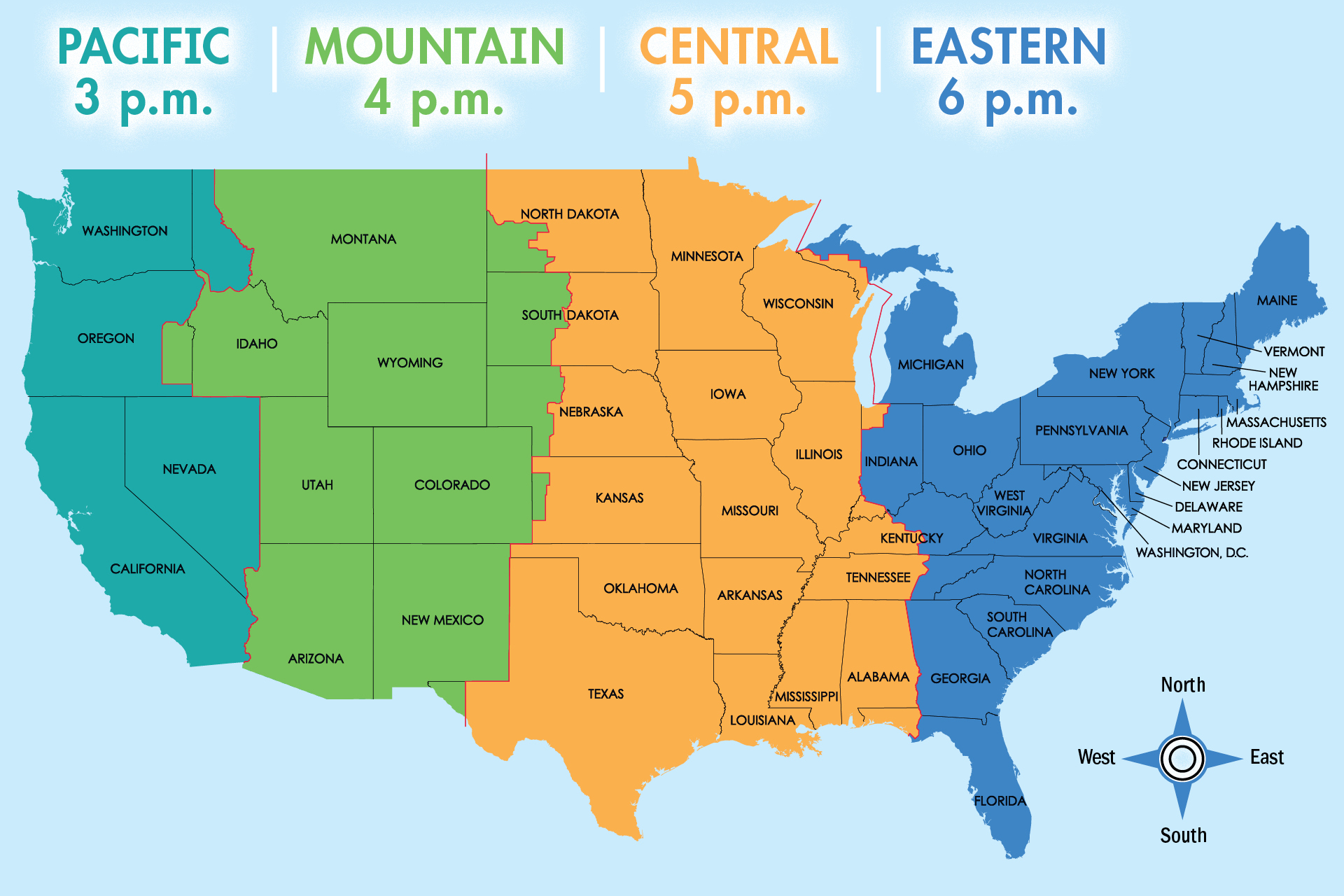
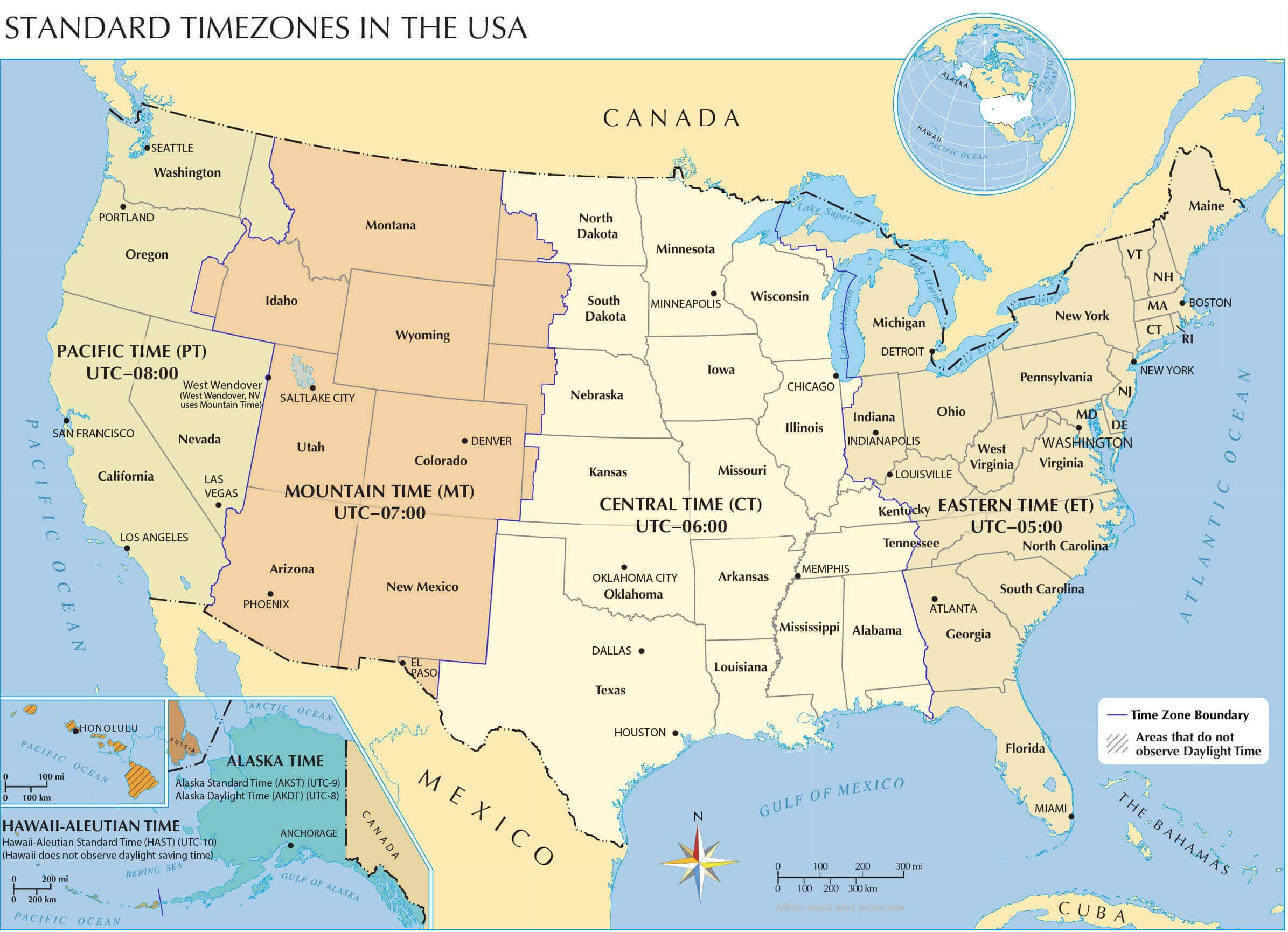
At its core, California adheres to the Pacific Time Zone. This means that for roughly two-thirds of the year, from early November to mid-March, the state observes Pacific Standard Time (PST), which is 8 hours behind Coordinated Universal Time (UTC-8). However, as spring arrives, California, like most of the United States, springs forward into Pacific Daylight Time (PDT). From mid-March to early November, clocks are advanced by one hour, setting the time at UTC-7. This shift maximizes daylight hours during the warmer months, offering more time for outdoor activities and evening excursions, a key consideration for tourism and lifestyle in the state.
The consistency of a single time zone across the vast majority of California simplifies internal travel significantly. Whether you’re exploring the urban jungles of Los Angeles, the iconic hills of San Francisco, the sunny shores of San Diego, or the majestic wilderness of Yosemite National Park, your clock will remain the same. This uniformity is a blessing for travelers, eliminating the confusion of multiple time changes within one state. However, the biennial shift between PST and PDT requires awareness, especially when booking flights, making reservations, or planning events that straddle these transition dates. International travelers, in particular, must account for a significant time difference, which can range from a few hours to half a day or more, depending on their origin.
Navigating Time Zones Across the USA and Beyond
Understanding California’s time zone becomes particularly crucial when coordinating with other parts of the USA or international destinations. For instance, there’s a three-hour difference between California and the East Coast (Eastern Time Zone), meaning when it’s noon in Los Angeles, it’s already 3 PM in New York City. Similarly, there’s a two-hour difference with the Central Time Zone and a one-hour difference with the Mountain Time Zone. These differences impact business travelers scheduling virtual meetings, families coordinating calls with loved ones, or anyone connecting flights across multiple time zones within the USA.
For international visitors, the time difference can be substantial, often leading to jet lag. A traveler from London will find California eight hours behind, while visitors from Sydney, Australia, will be nearly a full day ahead. Managing jet lag is a critical aspect of travel planning, especially for those embarking on long-haul journeys. Strategies like adjusting sleep schedules gradually before departure, staying hydrated, avoiding excessive caffeine and alcohol, and seeking natural light upon arrival are essential for quickly adapting to California’s time. Many luxury resorts and wellness retreats in areas like Palm Springs or Napa Valley even offer specialized services and amenities designed to help guests recalibrate their body clocks, enhancing their overall travel experience.
Planning Your Golden State Getaway: Time-Sensitive Travel Tips
Effective time management is paramount for any successful trip, and a visit to California is no exception. From the moment you begin searching for flights and hotels to the minute you depart, every decision is influenced by the clock. Understanding California’s time zone isn’t just about knowing what to set your watch to; it’s about optimizing your travel itinerary, ensuring smooth transitions, and maximizing your enjoyment of the state’s diverse offerings.
For those traveling by air, flight arrival and departure times are always quoted in local time. This means a flight arriving at 2 PM in Los Angeles will land at 2 PM PST/PDT, regardless of your origin. However, the actual duration of the flight, coupled with the time difference, dictates how your body will feel. Booking flights that arrive in the late afternoon or early evening can be beneficial, allowing you to check into your accommodation, have a light dinner, and then aim for a full night’s sleep, helping to reset your internal clock.
Seamless Bookings and Stress-Free Stays
When it comes to accommodation, all booking platforms and hotel reservation systems will display check-in and check-out times in the local California time. Most hotels, from budget-friendly options to luxurious resorts like the Ritz-Carlton Laguna Niguel or the Four Seasons Beverly Wilshire, typically have a check-in time of 3 PM or 4 PM and a check-out time of 11 AM or noon. Being aware of these times, especially after a long flight, can help you manage expectations and plan accordingly. If you arrive early, inquire about early check-in availability or consider using the hotel’s luggage storage service while you explore nearby attractions like the Santa Monica Pier or Hollywood Boulevard.
For those utilizing vacation rentals or Airbnbs, it’s crucial to confirm check-in procedures and key handoff times, as these can be less flexible than traditional hotels. Many properties offer digital check-ins, which can be convenient for late arrivals. Regardless of your accommodation choice, confirming all details well in advance, and noting them in your travel itinerary in California’s local time, will mitigate potential stress points. This meticulous planning falls under the broader umbrella of “Accommodation” and “Hotels” topics, emphasizing how a clear understanding of time zones contributes to a smooth and enjoyable stay.
Maximizing Your California Itinerary
California’s vastness means that an itinerary packed with attractions needs careful scheduling. From a morning hike in Griffith Park to an afternoon wine tasting in Napa Valley and an evening show at a San Francisco theater, every activity is time-dependent. When planning your days, consider:
- Attraction Hours: Famous landmarks and attractions like Disneyland Park in Anaheim, Universal Studios Hollywood, or the Golden Gate Bridge generally operate on specific schedules. Always check their official websites for the most current operating hours, which can vary seasonally, especially during PDT.
- Reservations: Many popular restaurants, particularly in culinary hubs like San Francisco or West Hollywood, and tours (e.g., Alcatraz Island tours) require advance reservations. Making these bookings using California’s local time is essential to avoid disappointment.
- Traffic: California is notorious for its traffic, especially in major urban areas. Factor in ample travel time between destinations, particularly during peak commuting hours (7-9 AM and 4-6 PM) in cities like Los Angeles, San Jose, and Oakland. Utilizing real-time navigation apps can help you estimate travel times more accurately.
- Daylight Hours: During winter (PST), daylight hours are shorter, which might limit the time you have for outdoor activities or scenic drives along the Pacific Coast Highway. Conversely, PDT offers extended daylight, perfect for enjoying California’s beautiful sunsets on the beach in Malibu or Laguna Beach.
This meticulous planning is central to “Travel” and “Tourism,” ensuring visitors can immerse themselves fully in local culture, activities, and experiences without the constant worry of mismanaged time.
Experiencing California: Beyond the Clock
While understanding California’s time zone is a practical necessity, the true magic of the state lies in its boundless experiences. From the natural wonders of Redwood National Park to the star-studded streets of Beverly Hills, California offers a diverse tapestry of adventures for every kind of traveler. The state’s vibrant tourism sector caters to all lifestyles, whether you’re seeking luxury travel, a budget-friendly family trip, or a focused business stay.
Consider starting your journey in Southern California, where Los Angeles invites you to explore Hollywood landmarks like the Hollywood Walk of Fame, cultural institutions such as the Getty Center, and the sun-drenched sands of Venice Beach. A short drive south leads to San Diego, renowned for its world-famous San Diego Zoo, the historic Gaslamp Quarter, and the picturesque beaches of La Jolla. For family-focused trips, Anaheim is home to Disneyland Park and Disney California Adventure Park, offering days of enchantment.
Moving northward, the central coast offers breathtaking scenery along Big Sur, the charming towns of Carmel-by-the-Sea and Monterey, and the historic grandeur of Hearst Castle. Further inland, the vastness of Death Valley National Park and the giant trees of Sequoia National Park await intrepid explorers.
Northern California presents San Francisco with its iconic Golden Gate Bridge, bustling Fisherman’s Wharf, and vibrant neighborhoods like Chinatown and the Mission District. Beyond the city, the serene vineyards of Napa Valley and Sonoma Valley offer world-class wine tasting experiences, while the majestic beauty of Lake Tahoe provides year-round outdoor recreation. Each of these destinations, whether an urban hotspot or a natural sanctuary, is a landmark in its own right, contributing to California’s allure.
Iconic Landmarks and Vibrant Cities
California’s landmarks are as diverse as its geography. In San Francisco, beyond the Golden Gate Bridge and Alcatraz Island, visitors can stroll through Ghirardelli Square, ride a historic cable car, or admire the architecture of the Palace of Fine Arts. Los Angeles offers the glitz of Rodeo Drive, the panoramic views from the Griffith Observatory, and the artistic treasures of the J. Paul Getty Museum.
Natural landmarks are equally impressive. Yosemite National Park features the towering granite cliffs of El Capitan and the majestic Half Dome. Joshua Tree National Park offers a surreal desert landscape perfect for hiking and stargazing. The stunning coastline of Big Sur and the ancient trees of Muir Woods National Monument provide serene escapes. These places aren’t just points on a map; they are experiences that define California’s unique appeal, each worthy of significant time in your itinerary.

Diverse Lifestyles and Accommodation Choices
The “Lifestyle” aspect of California travel is incredibly varied. For those seeking opulence, cities like Beverly Hills, Santa Barbara, and coastal enclaves such as Coronado offer luxury resorts, boutique hotels, and high-end dining experiences. The Four Seasons Hotel Los Angeles at Beverly Hills or the Waldorf Astoria Beverly Hills exemplify this indulgent approach to accommodation.
Budget travelers will find numerous options too, from hostels in urban centers to charming motels along scenic routes, and campgrounds within state and national parks. Families can explore theme park hotels, vacation rentals with kitchens, or family-friendly resorts that offer a myriad of amenities for all ages. Business travelers, often on tight schedules dictated by California’s time zone, will appreciate hotels with robust business centers, high-speed internet, and convenient locations near financial districts or tech hubs like Silicon Valley. Brands such as Hilton, Marriott, and Hyatt offer a wide range of properties catering to every need.
From long-term stays in serviced apartments to short-term resort getaways, the accommodation landscape in California is designed to meet every preference. Booking platforms, review sites, and comparison tools are invaluable resources for finding the perfect place, ensuring that your stay, regardless of its duration or purpose, is comfortable and aligned with your expectations.
In conclusion, understanding “What time is it for [California]?” is more than just a minor detail; it’s the invisible thread that weaves through every aspect of travel and tourism in this magnificent state. By grasping the nuances of PST and PDT, and planning your itinerary with time-sensitive considerations in mind, you unlock the full potential of your California adventure, ensuring that every moment, from sunrise to sunset, is savored and perfectly in sync.
LifeOutOfTheBox is a participant in the Amazon Services LLC Associates Program, an affiliate advertising program designed to provide a means for sites to earn advertising fees by advertising and linking to Amazon.com. Amazon, the Amazon logo, AmazonSupply, and the AmazonSupply logo are trademarks of Amazon.com, Inc. or its affiliates. As an Amazon Associate we earn affiliate commissions from qualifying purchases.