
For travelers embarking on an adventure to the far reaches of the United States, understanding local time is more than just a matter of setting a watch; it’s fundamental to planning a seamless and enriching experience. This is especially true when venturing to Fairbanks, Alaska, a destination defined by its unique geographical position and the dramatic shifts in daylight that come with it. Beyond merely knowing the current hour, grasping the rhythm of Fairbanks means appreciating how time influences everything from travel logistics and daily activities to the very fabric of local life and the unforgettable natural phenomena you’ve traveled so far to witness.
Fairbanks, often hailed as the Golden Heart City, sits proudly near the Arctic Circle, gifting it with extreme seasonal variations in daylight that profoundly shape tourism, lifestyle, and the types of adventures available. Whether you’re chasing the ethereal glow of the Aurora Borealis in the deep winter or basking under the relentless illumination of the Midnight Sun during summer, time, and its perception, takes on a different dimension here. This article will not only clarify the time in Fairbanks but also delve into how this unique temporal context profoundly influences the travel experience, guiding you on how to best plan your visit to this captivating Alaskan gem. From selecting the ideal season for your desired activities to choosing the perfect accommodation that caters to Alaska’s distinct daylight cycles, understanding “what time it is” becomes an integral part of your journey into the Last Frontier.

Unraveling the Clock: Understanding Alaska’s Unique Time Zone
At the heart of any travel planning to Fairbanks is an understanding of its time zone. Alaska generally observes one primary time zone, distinguishing it from the contiguous United States and its multiple time divisions. This consistency simplifies internal travel within the state but presents a significant shift for visitors arriving from other parts of the world.
Alaska Standard Time (AKST) and Alaska Daylight Time Explained
Fairbanks, like most of Alaska, operates on Alaska Standard Time (AKST) during the winter months, which is UTC-9. When daylight saving time is in effect, typically from the second Sunday in March to the first Sunday in November, Fairbanks switches to Alaska Daylight Time (AKDT), moving the clock forward by one hour to UTC-8. It’s crucial for travelers to note this transition, as it can impact flight schedules, tour timings, and even communication with friends and family back home.
There is a minor exception for some of the westernmost Aleutian Islands and Nome, which observe Hawaii Standard Time (HST), but Fairbanks firmly remains within the AKST/AKDT framework. This means that year-round, Fairbanks is always behind the main North American time zones, sometimes by as much as four hours from the Eastern Time Zone.
Bridging the Distance: Time Differences with Major Global Hubs
For those traveling internationally or from other parts of the United States, understanding the time difference is paramount for managing jet lag, scheduling calls, and ensuring smooth transitions.
-
From the Contiguous United States:
- Fairbanks is typically one hour behind the Pacific Time Zone (PT).
- It is two hours behind the Mountain Time Zone (MT).
- Three hours behind the Central Time Zone (CT).
- And four hours behind the Eastern Time Zone (ET).
This difference means that if it’s 2 PM in New York City, it’s only 10 AM in Fairbanks (during standard time).
-
From Alaska’s Major Cities:
-
International Travelers:
- The time difference can be substantial for visitors from Europe or Asia. For example, during Alaska Daylight Time, Fairbanks is 9 hours behind London (UTC+1) and 16 hours behind Tokyo (UTC+9). This significant gap necessitates careful planning for arrival and departure, especially for those sensitive to jet lag. Many hotels in Fairbanks are accustomed to accommodating guests adjusting to new time zones, offering amenities and services designed to ease this transition.
Understanding these temporal relationships is the first step in synchronizing your internal clock with the unique rhythm of Fairbanks, preparing you for the remarkable experiences that lie ahead.
Fairbanks’ Distinct Rhythms: Embracing the Extremes of Daylight
Beyond the official time zones, Fairbanks’ location near the Arctic Circle dictates a rhythm profoundly different from most other destinations. The extreme variations in daylight hours throughout the year are perhaps the most defining characteristic of time in Fairbanks, directly influencing everything from the local lifestyle and available activities to the very atmosphere of the city. These cyclical shifts create two distinct travel seasons, each offering a dramatically different, yet equally captivating, experience.
The Phenomenon of the Midnight Sun: Summer’s Eternal Glow
From late April to mid-August, Fairbanks basks in the glow of the Midnight Sun. This period is characterized by extraordinarily long daylight hours, culminating in weeks where the sun never truly sets, circling just above or below the horizon. The summer solstice, around June 21st, marks the peak, with nearly 24 hours of usable daylight.
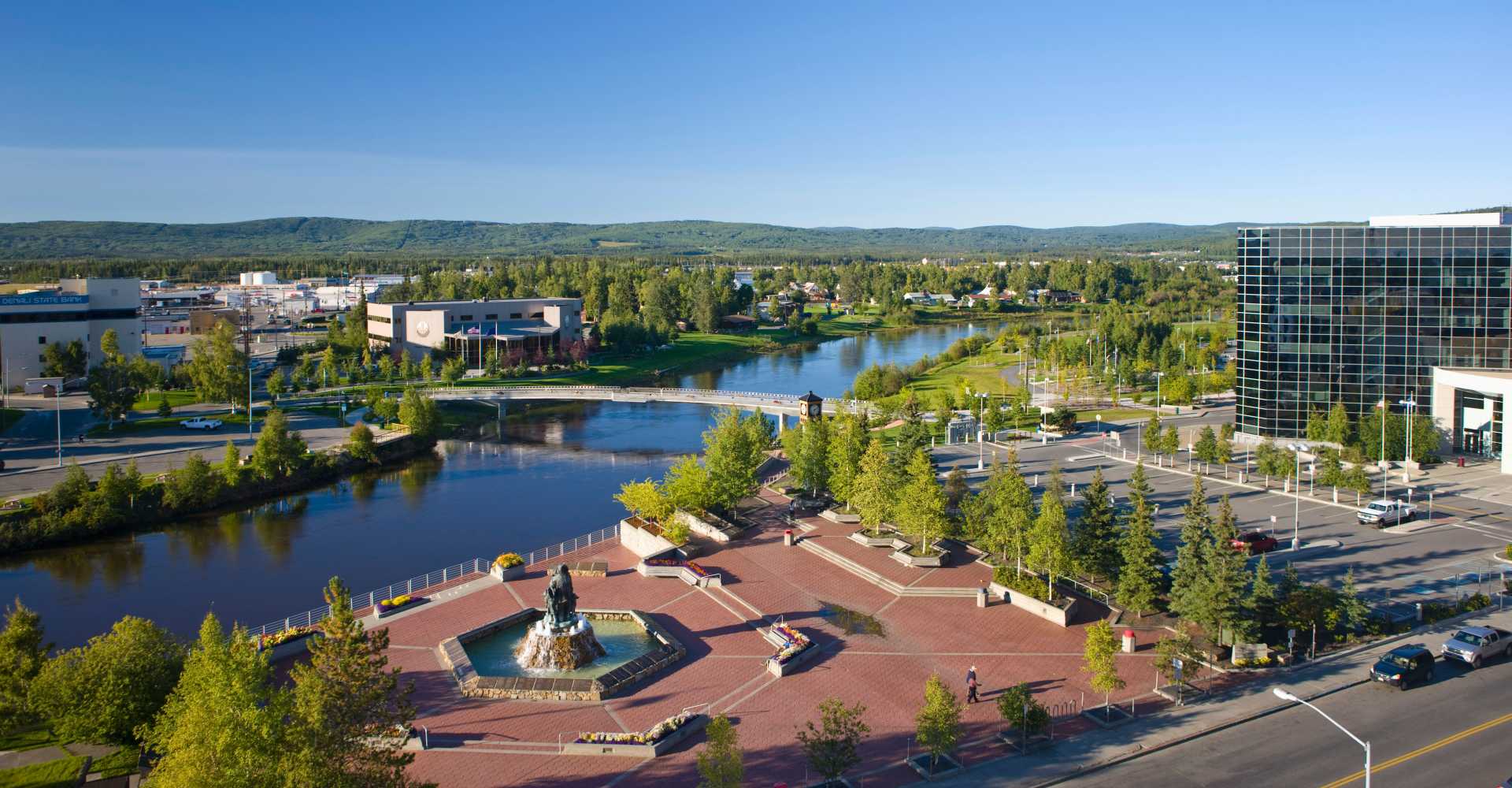
This relentless daylight profoundly impacts the travel experience. For tourists, it means more time for outdoor activities: hiking, fishing, river cruises, and exploring the vast Alaskan wilderness. Attractions often extend their operating hours, and locals take advantage of the endless light with late-night gardening, barbecues, and festivals. From a lifestyle perspective, the Midnight Sun can be disorienting for first-time visitors, necessitating blackout curtains in hotels and disciplined sleep schedules. Resorts and hotels are well-equipped to manage this, with many offering rooms designed to create a dark environment regardless of the outdoor light. This season is synonymous with vibrant energy, outdoor adventures, and a sense of boundless possibility. It’s the perfect time for those seeking to maximize their exploration and daylight-dependent activities, promising extended opportunities for photography and sightseeing around iconic landmarks.
Winter’s Grandeur: Aurora Borealis and the Polar Nights
Conversely, the winter months, from late September to March, bring dramatically shortened daylight hours, known as the “polar nights.” While the sun doesn’t disappear entirely in Fairbanks (it typically rises for a few hours, even if just skimming the horizon), the days are exceptionally brief, and twilight often blends into night. December and January see the shortest days, with only a few hours of indirect sunlight.
This season, however, is not one of desolation but of profound magic and introspection. The extended darkness creates the perfect canvas for the spectacular Aurora Borealis (Northern Lights), drawing visitors from around the globe. Fairbanks’ location directly beneath the Auroral Oval makes it one of the best places in the world to witness this natural light show. Tourism in winter shifts focus to aurora viewing tours, dog mushing, ice sculpting, and visits to places like Chena Hot Springs, where visitors can soak in geothermal waters under the dancing lights.
Accommodation during winter often features cozy, cabin-style lodging or hotels equipped with amenities like hot tubs and viewing decks for aurora watching. The lifestyle in Fairbanks during winter embraces warmth, community, and the serene beauty of a snow-covered landscape. It’s a time for slower travel, for savoring hearty Alaskan cuisine, and for bundling up to experience truly unique winter sports and cultural events. The stark contrast between summer’s endless days and winter’s profound darkness is what makes Fairbanks an extraordinary year-round destination, each season offering a distinctive charm shaped by the sun’s dramatic influence.
Crafting Your Fairbanks Journey: Timing Your Visit for Optimal Experience
Choosing the right time to visit Fairbanks is crucial, as the seasonal variations in daylight and weather dictate entirely different sets of activities and experiences. Your personal preferences and what you hope to gain from your Alaskan adventure should guide your decision.
Summer Adventures: Maximizing the Endless Days
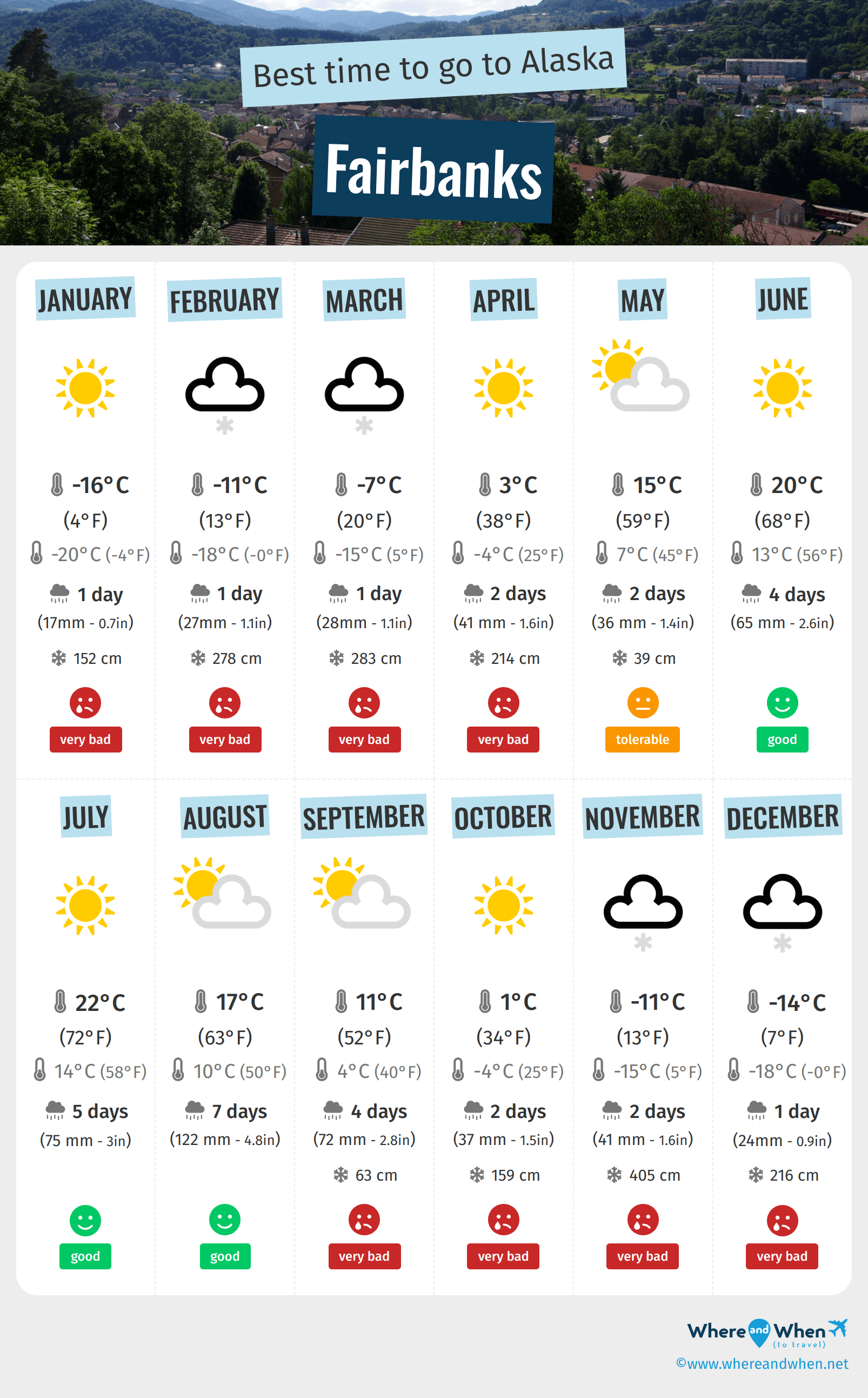
The summer months, typically from late May to early September, are peak season in Fairbanks. The extended daylight, often pushing close to 24 hours around the solstice, transforms the landscape into a vibrant hub of activity.
- Activities: This is the ideal time for outdoor enthusiasts. You can embark on extensive hiking and biking trails, ranging from easy strolls around Pioneer Park to more challenging treks in nearby natural areas. Fishing for salmon and grayling in local rivers and lakes is a popular pastime. Riverboat tours, like the Riverboat Discovery, offer a glimpse into Alaskan history and culture. Wildlife viewing opportunities abound, with chances to spot moose, caribou, and bears.
- Festivals and Events: Summer is also when Fairbanks comes alive with festivals, celebrating the warmth and daylight. The Midnight Sun Festival, held closest to the summer solstice, features live music, food vendors, and a lively atmosphere that lasts into the “night.”
- Travel and Accommodation: Given its popularity, booking flights, hotels, and tours well in advance is highly recommended. Many hotels offer special packages that include tours or dining experiences. Accommodation options range from luxury resorts like Pike’s Waterfront Lodge to cozy B&Bs and rental properties through platforms like Airbnb and VRBO. Remember that while daylight is abundant, summer temperatures are pleasant, generally ranging from 60-80°F (15-27°C), perfect for comfortable exploration.
Winter Wonderland: Immersing in the Magic of the Darker Months
If your dream is to witness the Aurora Borealis or experience a true Alaskan winter, visiting between September and April is your best bet. The crisp, dark nights provide the perfect backdrop for the Northern Lights, while the snow-covered landscape opens up unique activities.
- Activities: The primary draw is undeniably aurora viewing. Numerous tour operators specialize in taking visitors to optimal viewing locations outside the city lights, often providing warm shelters and hot beverages. Other popular winter activities include dog sledding (both recreational rides and professional races), ice fishing, snowmobiling, and cross-country skiing. A visit to Chena Hot Springs for a relaxing soak under the stars or aurora is a quintessential Fairbanks experience.
- Cultural Immersion: Winter allows for a deeper immersion into local culture, with events like the World Ice Art Championships showcasing incredible artistry.
- Travel and Accommodation: While winter is the low season for general tourism, it’s peak season for aurora chasers. Accommodation can still fill up quickly, especially around holidays or major events. Many hotels and resorts cater specifically to aurora tourists, offering wake-up calls when the lights appear. Dress warmly in layers, as temperatures can drop significantly below freezing, often ranging from -20°F to 20°F (-29°C to -7°C). The reduced daylight means that activities are often scheduled to maximize the available light or specifically after dark for aurora viewing.
Essential Travel Tips for Time-Sensitive Explorers
Regardless of when you visit, a few practical tips will enhance your Fairbanks experience:
- Adjusting to Daylight Cycles: If visiting during the Midnight Sun period, bring an eye mask and utilize blackout curtains, which most hotels provide. During winter, embrace the darkness; it’s part of the charm and crucial for aurora viewing.
- Booking in Advance: Due to the popularity of Fairbanks for specific seasonal attractions, tours, flights, and desirable accommodations should be booked several months ahead, especially for prime dates.
- Flexibility in Itinerary: Alaskan weather can be unpredictable. Be prepared for potential delays or changes to your plans, especially in winter. Build some flexibility into your itinerary.
- Layered Clothing: Essential year-round. Even in summer, evenings can be cool. In winter, proper extreme-cold gear is a must.
- Time Zone Awareness: Keep the time difference in mind for communication with home and for internal travel planning, particularly if connecting flights are involved in other Americas time zones.
By aligning your visit with Fairbanks’ unique temporal rhythms, you can ensure your Alaskan adventure is perfectly timed to deliver the experiences you dream of.
Discovering Fairbanks: Iconic Landmarks and Diverse Accommodation
Once you’ve aligned your internal clock with Fairbanks’ unique timing, it’s time to explore the city’s rich tapestry of attractions and select the perfect base for your adventures. Fairbanks offers a diverse range of experiences, from cultural immersion to natural wonders, complemented by a variety of accommodation options to suit every traveler’s style and budget.
Must-Visit Attractions: From Culture to Nature’s Marvels
Fairbanks serves as a gateway to the Alaskan wilderness but also boasts its own set of fascinating landmarks and cultural experiences.
- Morris Thompson Cultural and Visitors Center: This is an excellent starting point for any visitor. Located downtown, it provides comprehensive information on local attractions, a beautiful exhibit on Alaska’s diverse cultures, and insights into the history of the region. It’s an ideal place to get oriented and learn about current events and conditions.
- University of Alaska Fairbanks and its Museum of the North: Perched on a hill overlooking the city, the university campus is home to the award-winning Museum of the North. Its impressive collection spans millions of years of natural and cultural history, offering deep insights into Alaska’s wildlife, landscapes, and indigenous cultures. The architecture itself is noteworthy, designed to evoke Alaskan landscapes.
- Fountainhead Auto Museum: Consistently ranked among the top auto museums in the world, this unexpected gem showcases a stunning collection of vintage automobiles, many of which are exceptionally rare and still in running condition. It’s a remarkable journey through automotive history, often paired with period fashion.
- Pioneer Park: Alaska’s only historical theme park, Pioneer Park offers a charming step back in time. With historic cabins, museums, a sternwheeler, and various shops and eateries, it’s a family-friendly destination, especially vibrant during the summer months with live entertainment.
- Riverboat Discovery: A quintessential Fairbanks experience, this four-hour cruise down the Chena River provides an engaging narrative of Alaskan history, culture, and wildlife, complete with demonstrations of dog mushing and bush plane landings.
- Trans-Alaska Pipeline System Viewpoint: An engineering marvel, the Trans-Alaska Pipeline System is visible just north of Fairbanks. There’s a designated viewpoint where you can learn about its construction and significance to Alaska’s economy.
- Day Trips to the Arctic Circle or Denali National Park: Fairbanks is a common starting point for venturing further north to cross the Arctic Circle or south to explore the majestic landscapes and wildlife of Denali National Park, home to Mount Denali, North America’s highest peak.
- North Pole, Alaska: A short drive from Fairbanks, the town of North Pole is home to the Santa Claus House, a festive attraction that delights visitors year-round, embodying the spirit of Christmas in Alaska.
Your Home Away From Home: Hotels, Resorts, and Unique Stays
Fairbanks’ accommodation landscape caters to various travel styles, from luxurious resorts designed for comfort to budget-friendly options for the independent explorer.
- Hotels and Resorts: For travelers seeking convenience and a full range of amenities, Fairbanks offers several well-regarded hotels. The Pike’s Waterfront Lodge, located on the Chena River, offers stunning views, dining options, and often packages that include local tours. Chain hotels like SpringHill Suites by Marriott Fairbanks and Holiday Inn Express Fairbanks provide reliable comfort and service, often with shuttle services to the airport and local attractions. The Wedgewood Resort offers apartment-style suites, perfect for longer stays or families, alongside a wildlife preserve on its grounds. Many of these establishments are equipped with blackout curtains for the Midnight Sun and offer services tailored for aurora watchers in winter.
- B&Bs and Guesthouses: For a more intimate and personalized experience, numerous B&Bs are scattered throughout Fairbanks and its surrounding areas. These often provide local insights, home-cooked breakfasts, and a cozy atmosphere that can feel like a home away from home. They are particularly popular for those seeking quietude and a touch of local charm.
- Vacation Rentals (e.g., Airbnb, VRBO): For groups, families, or those desiring self-catering facilities, vacation rentals offer flexibility and often more space. From rustic cabins to modern homes, these options provide a chance to live like a local and can be particularly advantageous for extended stays, allowing travelers to fully immerse themselves in the Fairbanks lifestyle.
- Specialty Lodging: Don’t forget unique options like yurts or remote cabins, especially if you’re venturing out for aurora viewing away from city lights. Some tour operators offer lodging as part of their aurora packages, providing warmth and comfort during your nightly vigil.
Booking accommodation in Fairbanks should be done with seasonality in mind. Peak travel seasons (summer for general tourism, winter for aurora chasers) mean higher demand and potentially higher prices, so early booking is always advisable to secure your preferred stay. Regardless of your choice, Fairbanks is prepared to offer you comfort and convenience as you embark on your extraordinary Alaskan journey, perfectly timed for exploration.