
Planning a trip to the Golden State? Whether you’re dreaming of the sun-kissed beaches of Los Angeles, the iconic cityscape of San Francisco, or the serene natural beauty of Yosemite National Park, understanding the local time is fundamental to a seamless and enjoyable travel experience. California operates on a distinct time zone that plays a crucial role in everything from booking flights and accommodation to coordinating your daily activities and managing jet lag. For anyone embarking on an American adventure, especially to the West Coast, getting a grip on time differences across the vast expanse of the United States is more than just a trivial detail – it’s a vital piece of travel wisdom.
This comprehensive guide will not only answer the straightforward question, “What time is it in California?” but also delve into the broader implications for your travel plans, offering practical tips to ensure your journey is as smooth as possible. We’ll explore the various time zones across America, the quirks of Daylight Saving Time, and how to navigate these factors to maximize your precious vacation moments. From vibrant city tourism to tranquil resorts, every aspect of your lifestyle on the road can be enhanced by a keen awareness of the clock.
Understanding Time Zones Across the United States
The United States, a country of immense geographical scale, is divided into multiple standard time zones to accommodate its vast longitudinal spread. This system ensures that local noon roughly corresponds to the sun’s highest point, a practice essential for daily life and commerce. For travelers, this means that flying from the East Coast to the West Coast involves a significant shift, often setting your watch back several hours.
The Pacific Time Zone (PT) and California
California observes the Pacific Time Zone (PT). This time zone is primarily used in the westernmost states of the continental USA.
- During Standard Time, which runs from early November to mid-March, California is on Pacific Standard Time (PST), which is 8 hours behind Coordinated Universal Time (UTC) or Greenwich Mean Time (GMT) – written as UTC-8.
- During Daylight Saving Time, from mid-March to early November, California switches to Pacific Daylight Time (PDT), which is 7 hours behind UTC – written as UTC-7.
So, if you’re wondering what time it is right now in California, you first need to determine if Daylight Saving Time is in effect. For example, if it’s 12:00 PM UTC during Daylight Saving Time, it would be 5:00 AM PDT in California.
Navigating Other US Time Zones for Travelers
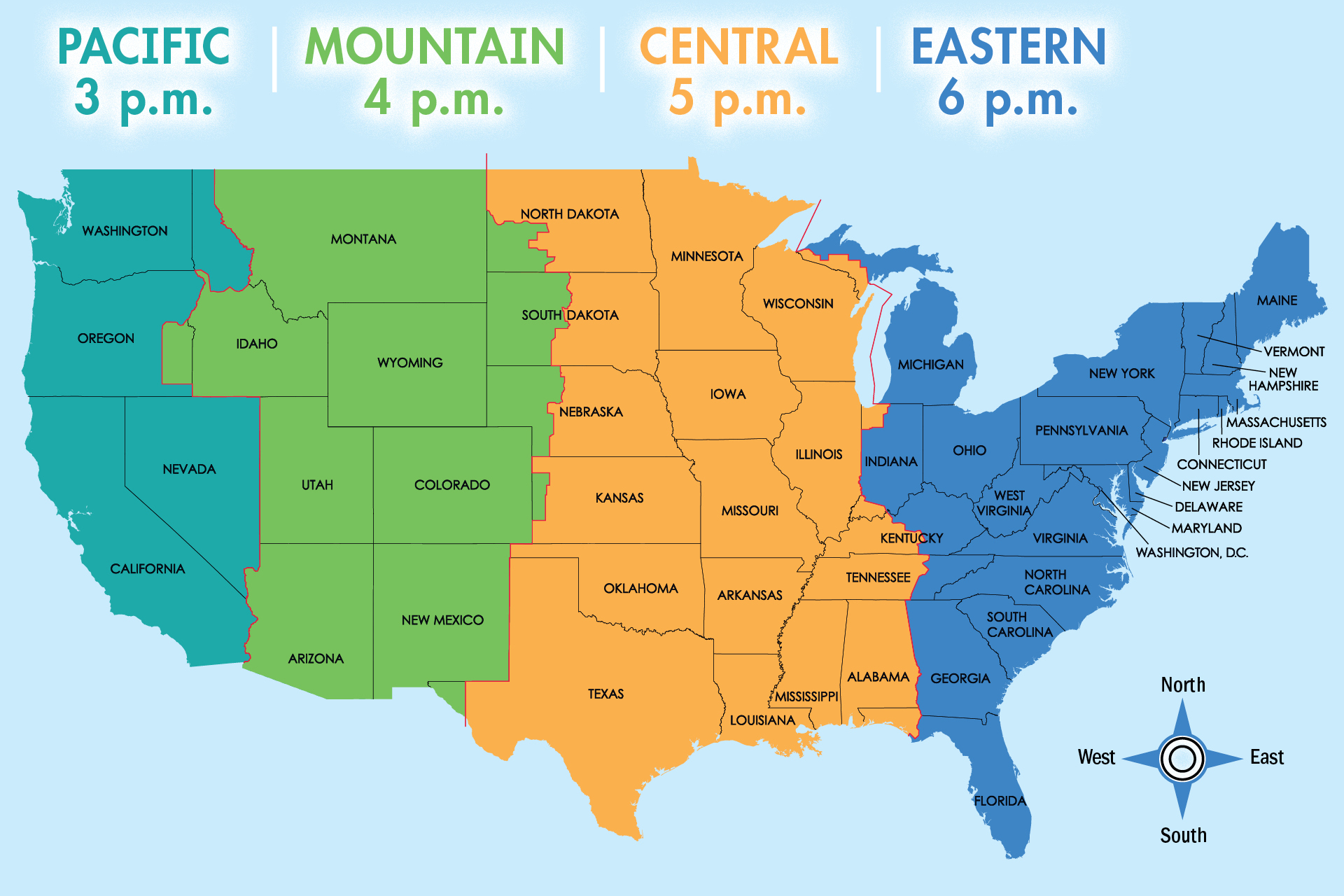
Beyond the Pacific Time Zone, the continental USA spans three other primary time zones:
- Mountain Time Zone (MT): One hour ahead of Pacific Time, this zone covers states like Colorado and Arizona (though much of Arizona does not observe Daylight Saving Time).
- Central Time Zone (CT): Two hours ahead of Pacific Time, covering the Midwest, including cities like Chicago and Dallas.
- Eastern Time Zone (ET): Three hours ahead of Pacific Time, encompassing the East Coast from Florida up to Maine, including major destinations like New York City and Miami.
Additionally, Alaska has the Alaska Time Zone, and Hawaii has the Hawaii Time Zone, which is even further behind California. Understanding these differences is critical for travelers making cross-country trips, especially when coordinating flights or connecting with people in different parts of the country.
Daylight Saving Time: A Seasonal Shift
Daylight Saving Time is a practice observed in most of the United States (excluding Hawaii, parts of Arizona, and US territories). It begins on the second Sunday in March, when clocks “spring forward” by one hour, and ends on the first Sunday in November, when they “fall back” by one hour. This adjustment is designed to make better use of daylight, shifting an hour of daylight from the morning to the evening.
For travelers, this seasonal shift can occasionally cause confusion. If your trip spans the changeover dates, remember to adjust your watch and electronic devices accordingly. Airlines and accommodation providers generally account for this, but it’s always wise to double-check your itineraries and booking confirmations.
Practical Implications for Your California Travel Plans
Understanding time zones goes beyond simply knowing what time it is. It directly impacts the comfort, efficiency, and enjoyment of your travel. From managing your biological clock to ensuring you don’t miss that crucial tour, time awareness is your best friend.
Booking Flights and Accommodation Across Time Zones
When booking flights, pay close attention to the departure and arrival times, noting whether they are local to the origin or destination. Most reputable travel sites display times in local zones, but a quick confirmation of “PDT” or “PST” can prevent mishaps.
- Flight Schedules: A flight departing New York City (ET) at 9:00 AM might arrive in Los Angeles (PT) at 12:00 PM, creating the illusion of a short flight. However, factoring in the three-hour time difference reveals a six-hour journey.
- Accommodation Check-ins: Hotel check-in times are strictly enforced in local time. If you arrive early after a long flight, be aware that you might need to store your luggage and explore for a few hours before your room is ready. This is where researching early check-in amenities or day-use suites in your chosen hotel can be beneficial. Many hotels and resorts offer convenient solutions for travelers arriving outside standard check-in hours.
Managing Jet Lag: Tips for a Smooth Transition
Traveling across multiple time zones inevitably leads to jet lag, a temporary sleep disorder causing fatigue, disorientation, and other symptoms. While California is a fantastic destination, jet lag can significantly impact your initial days.
- Adjust Before You Go: A few days before your trip, try to gradually shift your sleep schedule closer to California’s time.
- Hydrate and Avoid Caffeine/Alcohol: Staying well-hydrated helps your body adjust. Limit dehydrating beverages during your flight.
- Embrace the Local Time: As soon as you land, try to adapt to the local time for meals and sleep, even if you don’t feel tired. Seek out natural light exposure during the day and keep your room dark at night.
- Strategic Naps: If you must nap, keep it short (20-30 minutes) to avoid falling into a deep sleep that disrupts your nighttime rest.
- Light Exercise: Gentle activities like walking or stretching can help combat fatigue without overstimulating your body.
Coordinating Activities and Experiences
From visiting theme parks like Disneyland Resort or Universal Studios Hollywood to reserving a table at a Michelin-starred restaurant in San Francisco, almost every activity requires precise timing.
- Tour Bookings: Always confirm the start times for tours, especially those that pick up from your hotel.
- Dining Reservations: California is renowned for its culinary scene. Make sure your dinner reservations align with your new body clock and local timings.
- Connecting with Locals: If you’re meeting friends or family, double-check that everyone is on the same page regarding the current Pacific Time. Miscommunication here can lead to missed connections.
- Opening Hours: Attractions, museums, and shops operate on local time. Be sure to check their current operating hours, as these can sometimes vary seasonally or on holidays.
California Beyond the Clock: Maximizing Your Stay
Once you’ve mastered the time zones, California unfurls as a tapestry of diverse destinations, catering to every traveler’s lifestyle. This isn’t just a place to reset your watch; it’s a place to reset your perspective.
Iconic Landmarks and Attractions to Explore
California is home to some of the world’s most recognizable landmarks and captivating attractions.
- Southern California: Los Angeles boasts the Hollywood Walk of Fame, the glamorous beaches of Santa Monica Pier, and vibrant cultural districts. Further south, San Diego offers beautiful coastlines, historic sites, and family-friendly attractions.
- Northern California: San Francisco is famous for the Golden Gate Bridge, Alcatraz Island, and its distinct neighborhoods. Beyond the city, the serene vineyards of Napa Valley and the majestic redwoods offer a different kind of allure.
- Natural Wonders: From the towering sequoias in Yosemite National Park to the dramatic coastline of Big Sur, California’s nature is unparalleled. These destinations often require careful planning, especially regarding travel times, opening hours for visitor centers, and accommodation within or near the parks.
Culinary Adventures and Local Culture
California is a melting pot of cultures, reflected in its diverse food scene and rich local culture.
- Farm-to-Table Food: Embrace the farm-to-table movement, which originated here. Enjoy fresh, seasonal produce, exquisite wines, and innovative cuisine across the state.
- Cultural Districts: Explore vibrant neighborhoods like Chinatown in San Francisco, Little Tokyo in Los Angeles, or the historic Gaslamp Quarter in San Diego. Each offers a unique glimpse into the state’s diverse history and lifestyle.
- Arts and Entertainment: Catch a show in Hollywood, explore world-class museums, or attend a live music performance. Always check showtimes and book tickets in advance, keeping Pacific Time in mind.
Choosing Your Ideal Accommodation: From Luxury Resorts to Boutique Hotels
Your choice of accommodation can significantly shape your California experience. The state offers an incredible range, suitable for any budget or desired lifestyle.
- Hotels: From sprawling luxury resorts with lavish amenities to charming boutique hotels offering personalized service, there’s a perfect fit for every traveler. Consider reviews and comparison sites for the best deals.
- Apartments and Villas: For long-term stays or family trips, renting a private apartment or villa can offer more space, privacy, and a taste of local living.
- Business Stays: Many California cities like San Jose, San Francisco, and Los Angeles are major business hubs. Hotels catering to business travelers often provide dedicated workspaces, meeting rooms, and connectivity options.
When making your choice, think about proximity to your planned activities, desired level of service, and whether you prefer the bustling city atmosphere or a tranquil retreat.
Travel Tips for a Seamless American Journey
A trip to America, particularly California, is an exciting prospect. Beyond time zones, a few general travel tips can further enhance your journey.
Staying Connected and Safety
- Connectivity: Ensure your mobile phone is unlocked for international use or consider purchasing a local SIM card upon arrival. Wi-Fi is widely available in hotels, cafes, and public spaces, but having reliable mobile data is invaluable for navigation and emergencies.
- Transportation: California is vast. While major cities like San Francisco have good public transportation systems, a rental car is often essential for exploring the state’s diverse regions, especially national parks and scenic drives like Highway 1.
- Safety: Like any popular travel destination, practice general safety precautions. Be aware of your surroundings, protect your valuables, and research safe neighborhoods, especially when walking at night. Emergency services can be reached by dialing 911.
Embracing the Lifestyle and Making Memories
California is more than just a place; it’s a lifestyle. From the relaxed beach vibes of San Diego to the innovative spirit of Silicon Valley, and the glamorous allure of Hollywood, the state offers a mosaic of experiences. Don’t just tick off landmarks; immerse yourself in the local culture, try new foods, and engage with the friendly locals.
- Flexibility: While planning is crucial, leave room for spontaneity. Some of the best travel memories are made when you stumble upon an unexpected festival or a hidden gem.
- Document Your Journey: Capture your moments, but don’t forget to put the camera down and truly be present. Share your experiences with friends and family, inspiring their own future adventures.
In conclusion, knowing what time it is in America, specifically California, is your first step towards a well-organized and enjoyable trip. The Pacific Time Zone, with its distinction between PST and PDT, is a small but significant detail in the grand scheme of your travels. By understanding the intricacies of time differences, planning for jet lag, and leveraging this knowledge to enhance your bookings and activities, you’re set to unlock the full potential of your California adventure. So, set your watch, embrace the journey, and get ready to experience the wonders of the West Coast, where every moment is an opportunity for discovery.
LifeOutOfTheBox is a participant in the Amazon Services LLC Associates Program, an affiliate advertising program designed to provide a means for sites to earn advertising fees by advertising and linking to Amazon.com. Amazon, the Amazon logo, AmazonSupply, and the AmazonSupply logo are trademarks of Amazon.com, Inc. or its affiliates. As an Amazon Associate we earn affiliate commissions from qualifying purchases.