
Stepping into American Samoa is not just a journey across geographical miles but often a significant leap through time zones. This remote, enchanting territory of the United States offers a captivating blend of pristine natural beauty, rich Polynesian culture, and a distinct chronological identity that makes understanding its local time crucial for any traveler. For those accustomed to the hustle and bustle of modern life, the tranquil pace of island living here is a refreshing change, but the practicalities of coordinating travel, communication, and activities demand a clear grasp of its temporal rhythm.
American Samoa sits in a unique position on the global map, nestled just east of the International Date Line in the South Pacific Ocean. This geographical quirk means it’s one of the last places on Earth to welcome a new day, creating a fascinating time differential with many other popular destinations. Whether you’re planning a vacation to explore its vibrant coral reefs, hike through lush rainforests, immerse yourself in traditional Samoan customs, or simply unwind on a secluded beach, knowing “what time it is” is more than just a trivial detail; it’s a fundamental aspect of navigating this extraordinary destination. This comprehensive guide will not only clarify American Samoa’s time zone but also delve into why this matters for your travel planning, accommodation choices, and overall experience of this untouched gem. From understanding the practicalities of travel logistics to embracing the laid-back island lifestyle, getting your internal clock aligned with American Samoa is the first step towards an unforgettable adventure.
The Unique Chronology of American Samoa
The temporal landscape of American Samoa is perhaps one of its most intriguing characteristics, setting it apart from its neighbors and making it a truly unique spot on the world map. Understanding this chronology is key to appreciating its isolation, its connection to the past, and its distinct cultural rhythm.
Understanding Samoa Standard Time (SST)
American Samoa observes Samoa Standard Time (SST), which is UTC-11. This means it is eleven hours behind Coordinated Universal Time. For context, when it’s noon UTC, it’s 1:00 AM on the same day in American Samoa. This fixed offset ensures that there is no daylight saving time observed in the territory, maintaining a consistent daily schedule year-round. This consistency is a blessing for travelers, as it removes the confusion of seasonal clock changes.
To put this into perspective relative to the United States mainland, American Samoa is often a full day behind or very early on the same day, depending on your reference point. For instance, it’s 20 hours behind New York City (Eastern Standard Time) and 21 hours behind London (Greenwich Mean Time/UTC+0). When planning communications or flights, this substantial time difference necessitates careful consideration to avoid missed connections or calls. The largest island, Tutuila, home to the capital Pago Pago, serves as the primary gateway, and aligning your watch to SST upon arrival is one of the first and most essential steps to fully immerse yourself in island life. The rhythm of daily activities, from local markets to cultural performances, all operate on this unhurried island time, encouraging visitors to slow down and embrace the moment.

The International Date Line and Its Influence
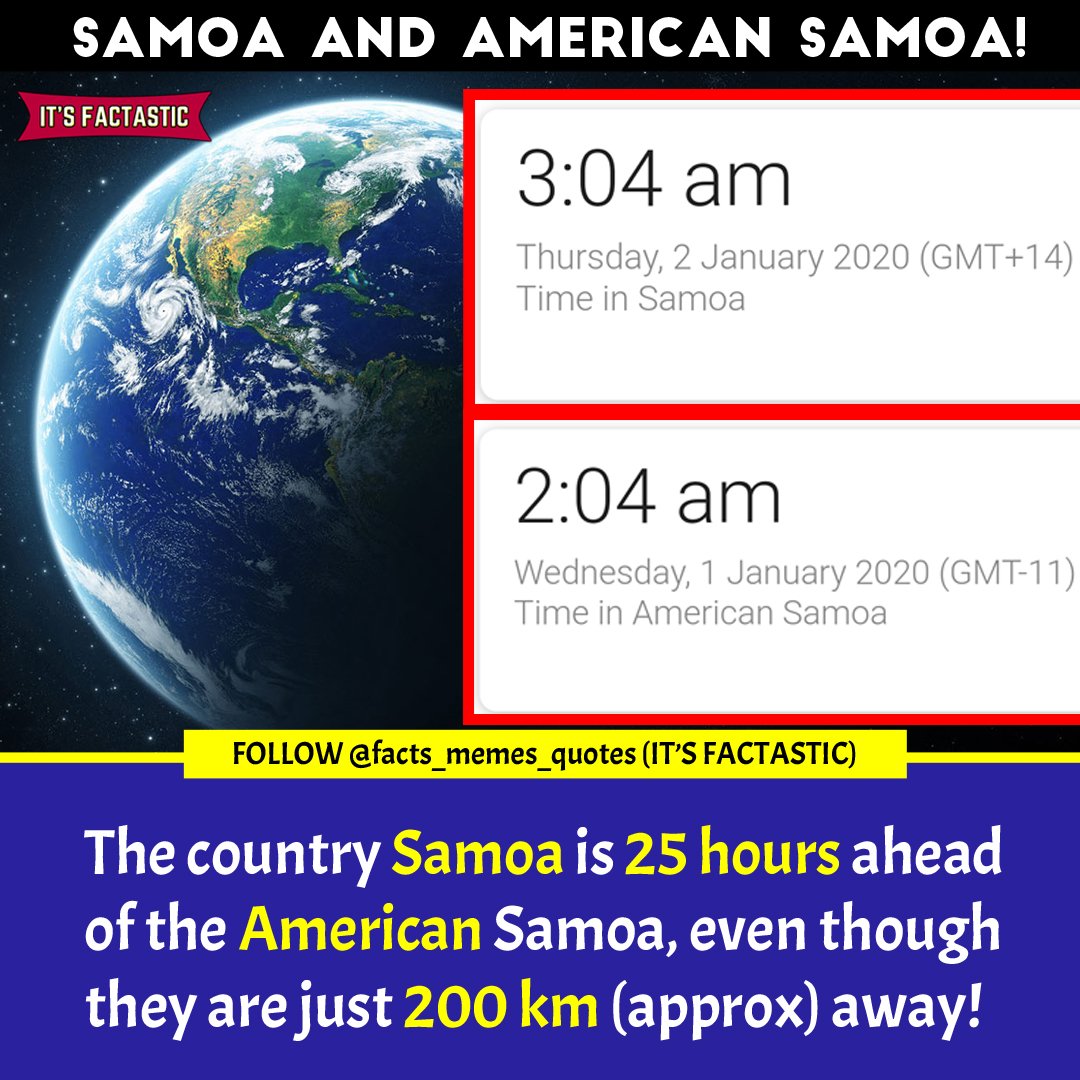
The most captivating aspect of American Samoa’s time zone lies in its proximity to the International Date Line. This imaginary line, which roughly follows the 180-degree longitude, marks the boundary where one calendar day ends and the next begins. American Samoa is situated just to the east of this line, while its independent neighbor, Samoa, is located to the west. This geographical arrangement leads to a phenomenon where American Samoa is almost exactly 24 hours behind Samoa.
For travelers, this means that if you were to take a short flight from Pago Pago to Apia, the capital of Samoa on the island of Upolu, you would technically arrive a full day later, despite the flight being only a couple of hours. This unique time warp makes for fascinating trivia and practical considerations. Imagine celebrating your birthday twice by flying across the line, or experiencing the ultimate jet lag effect by gaining or losing an entire day! This close proximity to the International Date Line not only defines its time zone but also adds to the allure and mystique of American Samoa, making it a truly bucket-list destination for geography enthusiasts and adventurous travelers alike. It emphasizes the feeling of being at the very edge of time, where the day begins for some and ends for others, all within a stone’s throw.
Planning Your Trip: Beyond Just Time Zones
While understanding American Samoa’s unique time zone is a critical first step, planning a successful trip involves much more. From navigating travel logistics to selecting the perfect accommodation and identifying must-see attractions, a well-thought-out itinerary ensures a seamless and enriching experience.
Getting There and Accommodation Options
Accessing American Samoa typically involves flying into Tafuna International Airport (PPG) on the main island of Tutuila. The most common flight routes originate from Honolulu, Hawaii, or occasionally from Fiji or Samoa (though the latter requires careful date-line crossing calculations). Planning your flights carefully, particularly connecting flights, is paramount given the significant time differences. It’s advisable to factor in extra layover time to account for potential delays and to allow yourself to adjust to the new time zone upon arrival.
Once on the ground, American Samoa offers a range of accommodation options, though it’s important to manage expectations as it is not a mass-tourism destination. You won’t find sprawling international chains here, which is part of its charm. Instead, the focus is on more intimate and locally-run establishments.
For those seeking comfortable and amenity-rich stays, options like Sadie’s by the Sea in Utulei offer a beachfront experience with essential services. Other prominent choices might include the historic and iconic (though now non-operational in its original form) Rainmaker Hotel site, or the more contemporary Tradewinds Hotel near the airport, providing modern comforts for travelers. For a more authentic and budget-friendly experience, guesthouses and smaller, family-run accommodations are available, particularly in and around Pago Pago. These often provide a wonderful opportunity to interact with locals and gain insights into the Fa’a Samoa, the Samoan way of life. When booking, consider factors like proximity to attractions, included amenities (Wi-Fi can be spotty), and transportation options. Many visitors opt for long-term stays, renting apartments or villas, especially those looking for a deeper dive into the local culture or extended relaxation. Reviews and comparisons on booking platforms can be sparse, so reaching out to local tourism offices for recommendations is often a wise approach.
Must-See Attractions and Cultural Experiences
American Samoa’s allure lies in its unspoiled natural beauty and deeply rooted Polynesian culture. The primary draw for many is the National Park of American Samoa, which spans three separate islands: Tutuila, Ofu, and Tau. Here, visitors can embark on incredible hikes through lush rainforests, discover ancient archaeological sites, and snorkel or dive in vibrant coral reefs teeming with marine life. On Tutuila, hiking trails up Mount Alava offer breathtaking panoramic views of Pago Pago Harbor, often considered one of the most beautiful harbors in the Pacific Ocean.
For an unparalleled beach experience, a visit to Ofu Beach on the island of Ofu is highly recommended. Consistently ranked among the world’s best, its pristine sands and crystal-clear waters are accessible via a dramatic flight from Tutuila to the small Manua Islands. Beyond the park, the National Marine Sanctuary of American Samoa protects diverse marine ecosystems, including deep-sea corals and habitats for whales and sea turtles, offering fantastic opportunities for snorkeling, diving, and wildlife spotting.
Culturally, a visit to Fagatogo Village, one of the oldest villages in American Samoa, provides a glimpse into traditional Polynesia. Here, you can explore the Jean P. Haydon Museum to learn about local history and artifacts, or witness a local Fale (traditional Samoan house). Other notable landmarks include Two Dollar Beach for relaxation and swimming, and the iconic Star Kist Tuna Cannery, a significant economic hub and a symbol of American Samoa’s industrial presence, though it’s not a tourist attraction in the traditional sense. The Governor H. Rex Lee Auditorium often hosts cultural events, while Matafao Peak offers another challenging yet rewarding hike with stunning vistas. Aunu’u Island, a small volcanic island off Tutuila’s coast, is perfect for a day trip to experience its red freshwater lake and pristine marine protected areas. Whether you’re an avid adventurer, a history buff, or a culture enthusiast, American Samoa offers a depth of experiences that go far beyond its time zone.
Embracing the Samoan Lifestyle and Practical Tips
To truly appreciate American Samoa, it’s essential to not just visit, but to embrace the unique pace and customs that define life in this South Pacific paradise. Beyond its chronological distinctiveness, the territory offers a rich tapestry of culture, cuisine, and community.
Food, Festivities, and Local Etiquette
The heart of American Samoa’s lifestyle is deeply intertwined with the Fa’a Samoa, the traditional Samoan way. This emphasizes family, respect for elders, community, and hospitality. Visitors are often welcomed with open arms and warmth, but understanding and respecting local customs are paramount. When visiting villages or churches, modest dress is expected (shoulders and knees covered). Sundays are traditionally a day of rest, with many businesses closed and families attending church services and enjoying communal meals. Participating in these local rituals can be a profound cultural experience.
Samoan cuisine is a highlight, characterized by fresh, local ingredients. Staples include taro, breadfruit, bananas, and an abundance of fresh seafood. Don’t miss the opportunity to try an umu – a traditional feast cooked in an earth oven – or delicacies like palusami (taro leaves baked in coconut cream) and oka (raw fish marinated in coconut milk and lime). Local markets, like the one in Pago Pago, are fantastic places to sample fresh produce and interact with locals. While formal festivals might be less frequent than in larger nations, community celebrations and church events are common and often feature traditional singing, dancing (siva), and storytelling. Casual dining spots like Tisa’s Barefoot Bar on Alega Beach offer a relaxed atmosphere to enjoy local flavors and stunning ocean views. Exploring different villages like Leone, Fitiuta, or Vatia on Tutuila, or Si’ufaga and Faleasao in the Manua Islands, will reveal diverse local traditions and culinary variations.
Staying Connected and Health Considerations
Despite its remote location, staying connected in American Samoa is possible, though internet speeds and mobile coverage can vary, especially outside of Pago Pago and its immediate surroundings like Nu’uuli or Tafuna. Many hotels and guesthouses offer Wi-Fi, often for a fee, but expect it to be slower than what you might be used to. Purchasing a local SIM card upon arrival can be a cost-effective way to stay in touch, though coverage may be limited to populated areas. Given that American Samoa is a US territory, the local currency is the US Dollar, making transactions straightforward for American visitors. ATMs are available, primarily in Pago Pago.
Health considerations are important for any international travel. It’s advisable to consult your doctor about recommended vaccinations before your trip. While tap water is generally safe in urban areas, drinking bottled water is often recommended for visitors. Mosquito-borne illnesses like dengue fever can occur, so using insect repellent and wearing protective clothing, especially at dawn and dusk, is wise. The main medical facility is the Lyndon B. Johnson Tropical Medical Center in Faga’alu. Emergency services are available, but for severe cases, medical evacuation to Hawaii may be necessary, making comprehensive travel insurance a must-have. Sun protection is also crucial given the equatorial sun; bring high SPF sunscreen, hats, and sunglasses. Embracing these practical tips alongside an open mind for cultural immersion will ensure a healthy, respectful, and truly unforgettable journey through this enchanting part of Polynesia.
In conclusion, a trip to American Samoa is an adventure into a world where time seems to slow down, and nature’s untouched beauty reigns supreme. From coordinating your schedule with Samoa Standard Time and navigating the intrigue of the International Date Line, to exploring verdant national parks and engaging with the warm hospitality of the local Polynesians, every aspect of your journey promises a unique experience. By thoughtfully planning your accommodation, understanding the local culture, and preparing for the practicalities of island life, you’re not just visiting a destination; you’re stepping into a different way of life, truly “out of the box.”
LifeOutOfTheBox is a participant in the Amazon Services LLC Associates Program, an affiliate advertising program designed to provide a means for sites to earn advertising fees by advertising and linking to Amazon.com. Amazon, the Amazon logo, AmazonSupply, and the AmazonSupply logo are trademarks of Amazon.com, Inc. or its affiliates. As an Amazon Associate we earn affiliate commissions from qualifying purchases.