
Embarking on a journey to the Golden State of California promises an unforgettable experience, whether you’re drawn to its sun-kissed beaches, towering redwoods, vibrant cities, or serene desert landscapes. From the bustling streets of Los Angeles to the iconic vistas of San Francisco and the picturesque coastline of San Diego, California offers a mosaic of attractions for every type of traveler. However, before you dive into planning your perfect itinerary, booking your ideal accommodation, or mapping out your culinary adventures, there’s a fundamental piece of information crucial for a seamless trip: understanding California’s time zone. This seemingly small detail can profoundly impact everything from flight schedules and hotel check-ins to managing jet lag and coordinating with loved ones back home.
Knowing the current time in California isn’t just about setting your watch; it’s about optimizing your entire travel experience. For globetrotters arriving from different continents or even neighboring states within the United States, a clear grasp of the time difference is essential for a smooth transition. This guide will demystify California’s time zone, delve into its practical implications for various aspects of travel and lifestyle, and provide invaluable tips to ensure your visit is as relaxing and enjoyable as possible. We’ll explore the nuances of Pacific Standard Time and Pacific Daylight Time, how they affect your bookings and activities, and ultimately, how to make every moment count in this diverse and dynamic state.
Decoding California’s Time Zone: PST vs. PDT
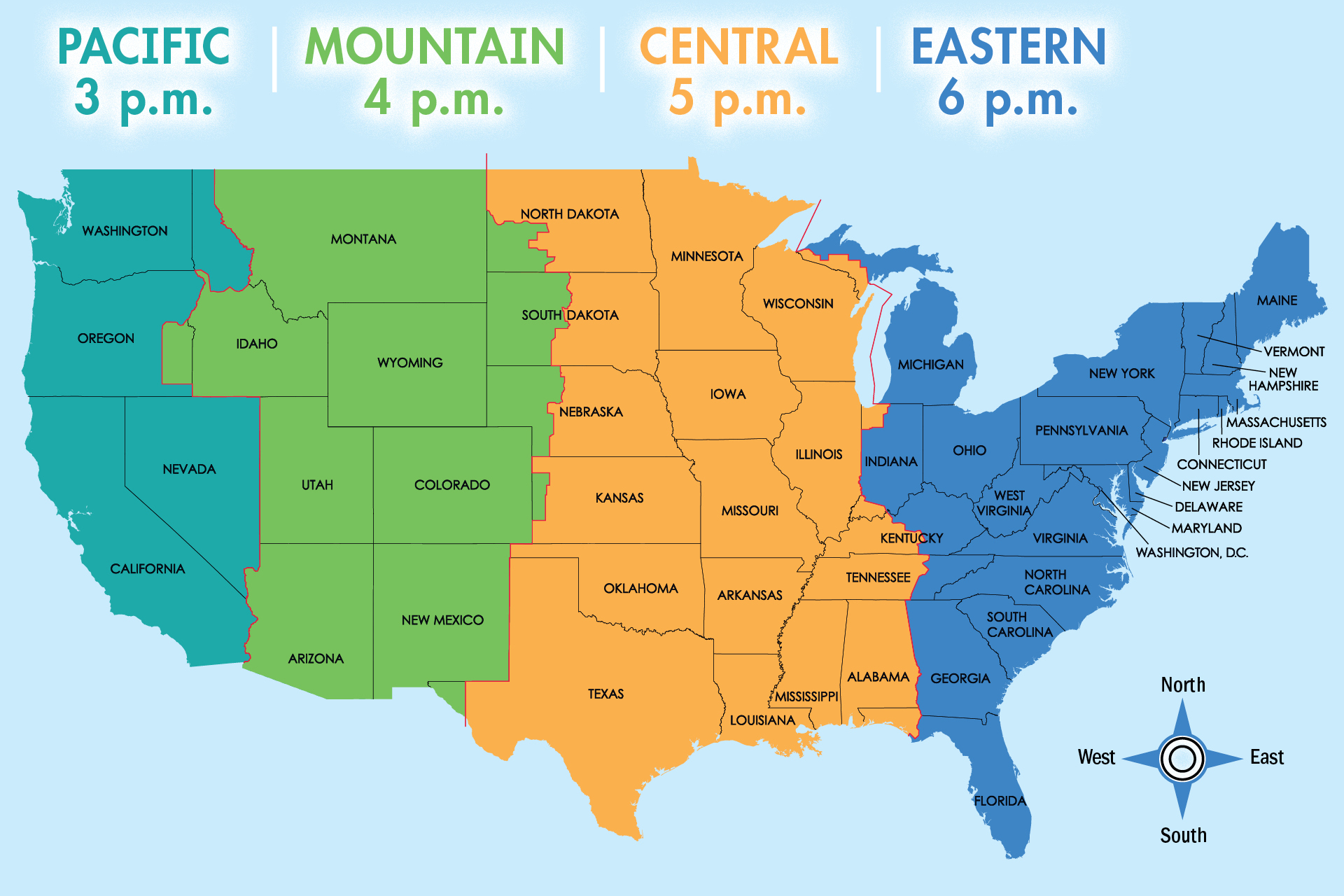
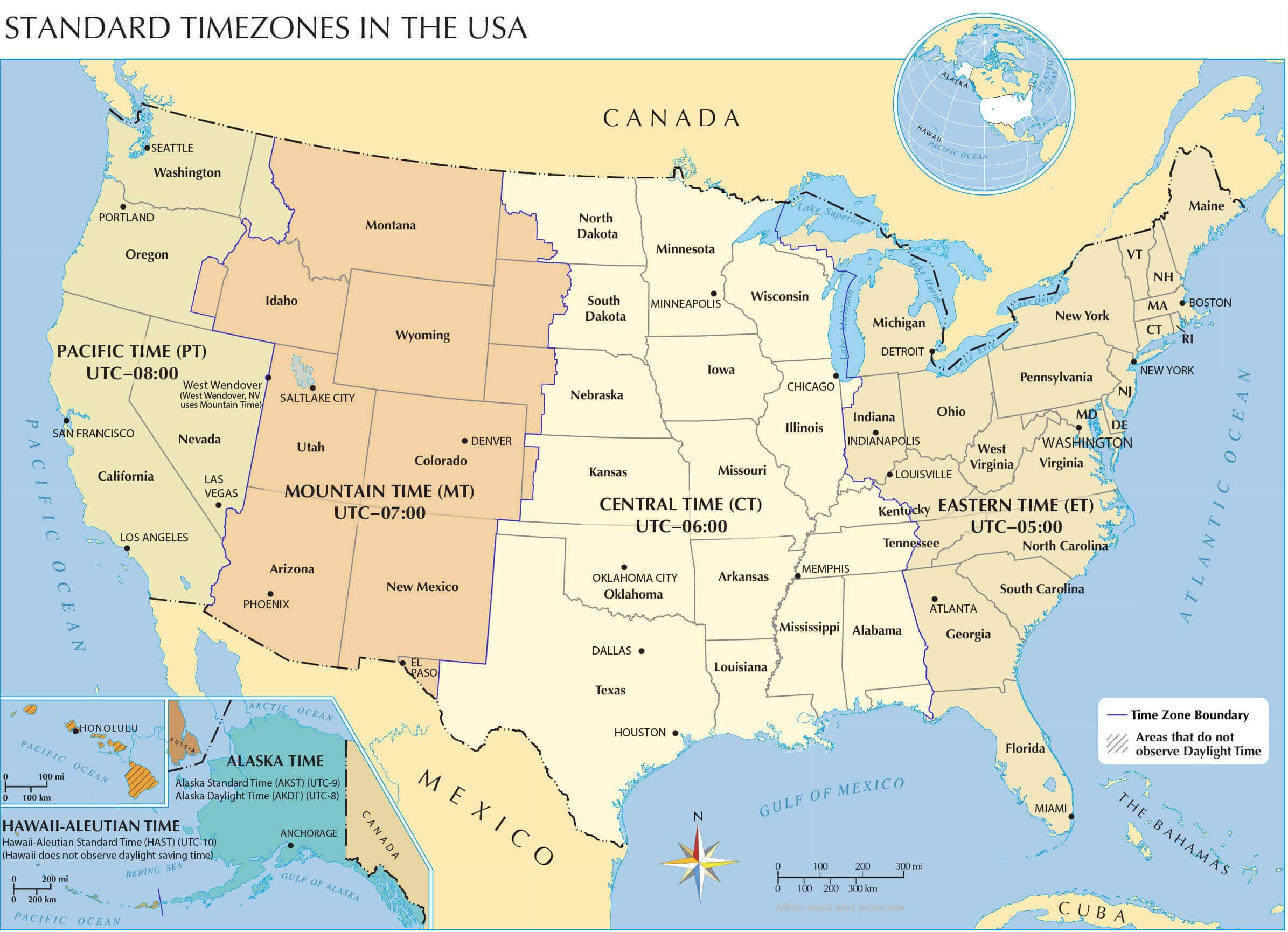
California operates under the Pacific Time Zone, a region that spans parts of western North America. However, the specific designation of this time zone shifts throughout the year due to Daylight Saving Time. This alternating system between Pacific Standard Time (PST) and Pacific Daylight Time (PDT) is a critical factor for anyone planning a visit or conducting business with entities in the state. Understanding these two phases is the first step toward mastering the local time.
Understanding Pacific Standard Time (PST)
Pacific Standard Time (PST) is observed during the fall and winter months. It is defined as UTC-8, meaning it is eight hours behind Coordinated Universal Time. This is the “standard” time that governs daily life in California for a significant portion of the year. During PST, if it’s noon UTC, it’s 4 AM in California. This period typically begins on the first Sunday in November, when clocks are set back one hour, marking the end of Daylight Saving Time. For travelers, this means shorter daylight hours, which can influence plans for outdoor activities, sightseeing, and evening entertainment, especially when exploring natural wonders like Yosemite National Park or the rugged beauty of Big Sur. The shift impacts flight arrival times, hotel check-ins, and the scheduling of various tours and events, requiring careful attention to ensure all arrangements align with the correct local time.
Embracing Pacific Daylight Time (PDT)
Pacific Daylight Time (PDT) takes over during the spring and summer months, aligning with Daylight Saving Time. During this period, clocks are moved forward by one hour, making PDT equivalent to UTC-7. This means California is seven hours behind Coordinated Universal Time. The transition to PDT usually occurs on the second Sunday in March, when the state “springs forward” an hour. This change grants an extra hour of daylight in the evenings, a welcome bonus for tourists eager to maximize their exploration. Whether you’re catching a sunset over the Pacific Ocean from the Santa Monica Pier or enjoying an outdoor dinner in Napa Valley, the extended daylight hours during PDT enhance the overall experience. However, this also means potentially losing an hour of sleep when you arrive, a factor to consider for jet lag management. Planning your travel around these shifts, particularly for international arrivals, becomes crucial to avoid any scheduling mishaps with hotel bookings, guided tours, or specific attraction opening hours.
Why Time Zones Matter for Your California Adventure
Understanding the distinction between PST and PDT, and being aware of the transition dates, is more than just an interesting fact; it’s a vital component of successful travel planning. For those coming from outside the Pacific Time Zone, accurately calculating the time difference is paramount. Imagine booking a sunrise hot air balloon ride in Palm Springs or a specific time slot for the Alcatraz Island tour, only to miss it due to a miscalculation of the time change. Beyond attractions, it impacts communication with family and friends in different time zones, business calls, and even simply knowing when local businesses will be open. For instance, if you’re flying from the East Coast of the United States to California, you’ll effectively “gain” three hours on your westward journey. While this might seem appealing, the return trip eastward means “losing” three hours, which can intensify jet lag. Furthermore, if you’re planning any cross-border trips to neighboring Mexico or Canada (which also observe Daylight Saving Time but on slightly different schedules in some regions), cross-referencing time zones becomes even more complex. A proactive approach to time zone awareness ensures that your California adventure unfolds precisely as planned, allowing you to fully immerse yourself in its wonders without any temporal disruptions.
Navigating Time Across California’s Iconic Destinations
One of the beauties of traveling within California is its unified approach to time. Unlike some larger countries or even states with multiple time zones, the entire state of California consistently adheres to the Pacific Time Zone, whether it’s PST or PDT. This simplifies internal travel immensely, removing the need to constantly reset your watch as you move from one breathtaking locale to another. However, while the time zone itself doesn’t change, the implications of that time can feel different depending on the type of destination and the activities planned.
Coastal Wonders and Urban Hubs
From the sun-drenched beaches of Southern California to the rugged, scenic coastline of Northern California, the state’s iconic coastal cities and urban centers are synchronized to the Pacific Time Zone. In metropolises like Los Angeles, home to the Hollywood Walk of Fame, Universal Studios Hollywood, and the vibrant arts scene of The Getty Center, your days are governed by PST or PDT. The same applies to San Francisco, where you can marvel at the Golden Gate Bridge, explore Fisherman’s Wharf, or ride a cable car, all while staying on the same time. Further south, in San Diego, the time remains consistent whether you’re visiting Balboa Park or enjoying the Gaslamp Quarter. This uniformity is a blessing for travelers planning multi-city itineraries, allowing for seamless transitions between diverse attractions without the added complexity of time zone adjustments. Hotel check-in times, restaurant reservations, and tour departures across these major hubs will all align with the same state-wide clock, simplifying your logistical planning.
Desert Escapes and Mountain Retreats
Beyond the urban sprawl and coastal charm, California’s diverse geography extends to majestic mountain ranges and serene desert landscapes. Places like the high desert of Palm Springs, the alpine beauty of Lake Tahoe (which straddles the California-Nevada border, with the California side adhering to Pacific Time), and the awe-inspiring wilderness of Yosemite National Park, Sequoia National Park, Kings Canyon National Park, and Joshua Tree National Park all operate on the Pacific Time Zone. Even the extreme conditions of Death Valley National Park adhere to California’s time. This consistency means that whether you’re hiking through ancient groves, skiing down powdery slopes, or exploring unique geological formations, your scheduled activities will follow the same time structure. However, the feeling of time can differ. During PDT, the desert areas might experience longer, hotter daylight hours, pushing ideal hiking times to earlier mornings or later evenings. In mountainous regions, daylight might appear shorter due to towering peaks, even if the official time is the same. Awareness of these subtle distinctions allows for more effective planning, ensuring you make the most of the unique environments California has to offer.
The Impact on Cross-State Travel
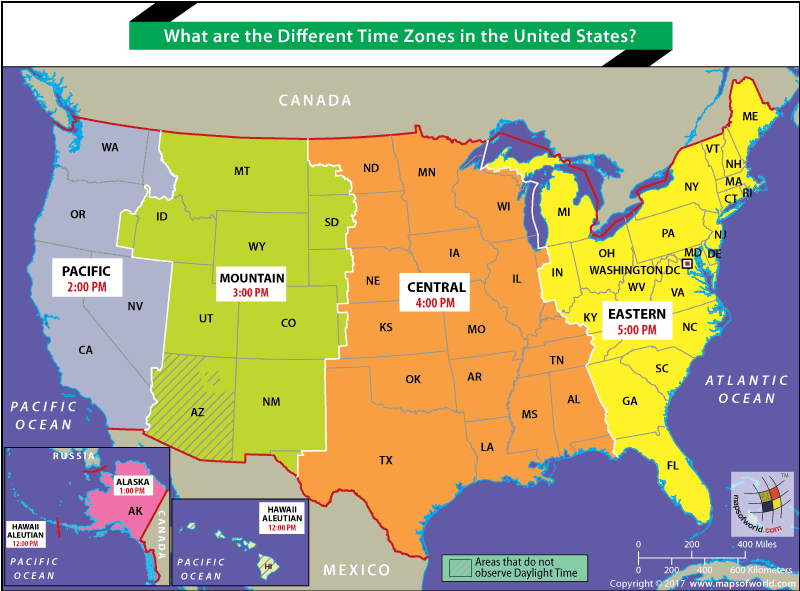
While internal travel within California is time zone-uniform, visitors arriving from other regions of the United States or international destinations will face time shifts. The United States spans six standard time zones (including Alaska and Hawaii), with the contiguous 48 states covering four: Eastern, Central, Mountain, and Pacific. This means a three-hour difference from the East Coast and a one-hour difference from the Mountain Time Zone. For international travelers, the time difference can be even more substantial, leading to more pronounced jet lag. For instance, arriving in California from Europe or Asia will involve a significant adjustment, potentially disrupting sleep patterns and energy levels for several days. Planning flights to arrive during the day can help acclimate to the local time more quickly. This consistent California time zone does simplify things if you’re just visiting this state, but it underscores the importance of pre-travel planning and strategies to combat the effects of significant time changes, especially for longer stays or specific events that require peak performance, such as business conferences in Silicon Valley or a multi-day festival.
Practical Implications for Travelers and Tourists
For any traveler, especially those venturing to California from a different time zone, the practical implications of time differences extend far beyond merely resetting a watch. It touches upon well-being, logistics, and the overall enjoyment of the trip. From mitigating the effects of jet lag to meticulously coordinating bookings, understanding and preparing for the time zone shift is a cornerstone of smart travel.
Beating Jet Lag: Tips for a Smooth Transition
Jet lag can significantly diminish the first few days of your California adventure, impacting your energy levels, mood, and ability to fully engage with your surroundings. Particularly for those traveling across several time zones, a strategic approach is key. Before you even depart, try to gradually adjust your sleep schedule to align closer with California time. On your flight, stay hydrated, avoid excessive alcohol and caffeine, and try to sleep according to your destination’s night hours. Upon arrival, expose yourself to natural light during the day to help reset your circadian rhythm; conversely, avoid bright lights in the evening. Engage in light physical activity, but avoid strenuous exercise right before bed. Plan your first day with less demanding activities, allowing your body to acclimate. Many travelers find that a balanced approach to diet, sleep, and activity helps minimize the impact of jet lag, ensuring you’re refreshed and ready to explore attractions like Disneyland Resort or the serene beaches of Malibu without feeling groggy.
Planning Your Itinerary: Flights, Bookings, and Activities
Every aspect of your travel itinerary is time-sensitive. Flight schedules are always presented in local time, meaning an arrival time in Los Angeles will be in Pacific Time, regardless of your departure point. This requires careful consideration, especially for connecting flights or if you’ve arranged airport transfers. Accommodation check-in times, typically in the afternoon, must be coordinated with your arrival. Many hotels and resorts offer amenities like early check-in or luggage storage, but it’s wise to confirm these in advance if you’re arriving significantly before the standard time. Tours, museum entries, and restaurant reservations also adhere strictly to local time. Missing a booked slot for a popular tourism activity, such as a studio tour in Hollywood or a tasting in Napa Valley, can be disappointing and costly. When booking online from a different time zone, always double-check that the confirmation reflects the local California time to prevent any mix-ups. This meticulous planning ensures that your travel logistics are flawless, allowing you to focus on the experience rather than stress over scheduling.
Communication Across Time Zones
Staying connected with family, friends, or business associates back home requires an understanding of the time difference. A casual phone call or video chat that seems perfectly timed for you in California might wake someone up in the middle of the night on the East Coast or even earlier in Europe. Before initiating contact, quickly calculate the time difference, especially if you’re communicating with multiple people in various time zones. Many smartphone apps and online tools can instantly display current times across different locations, making this task simpler. For business travelers, adhering to scheduled meetings and calls is non-negotiable, often requiring early morning starts or late-night sessions in California to align with business hours elsewhere. Even for leisurely travel, considering time differences for communication ensures that your trip doesn’t inadvertently cause inconvenience for those you’re connecting with, maintaining smooth personal and professional relationships throughout your journey.
Lifestyle and Leisure: Maximizing Your California Experience
The rhythm of life in California is intrinsically linked to its time zone, influencing everything from the golden hours for photography to the bustling evening scenes. For travelers, aligning with this rhythm is key to fully immersing oneself in the unique lifestyle and diverse leisure opportunities the state presents. Understanding how time zones affect daily life empowers you to make the most of every sunrise and sunset.
Dawn to Dusk: Making the Most of Daylight Hours
The extended daylight hours during Pacific Daylight Time (PDT) are a significant advantage for tourists, allowing for more time to explore California’s vast array of landmarks and natural beauty. Imagine enjoying a leisurely morning stroll along the beaches of Santa Monica, followed by a drive up the scenic Pacific Coast Highway, and still having ample daylight to catch the sunset from the hills of Beverly Hills or the waterfront of San Francisco. During PST, with its earlier sunsets, you might need to prioritize outdoor activities for the earlier part of the day. This awareness helps in scheduling visits to attractions like the Hollywood Walk of Fame, exploring the sprawling vineyards of Napa Valley, or embarking on hiking trails in Yosemite National Park. The quality of light also changes throughout the day, offering unique opportunities for photographers to capture California’s stunning landscapes and vibrant urban scenes in their best light.
Culinary Adventures and Entertainment
California’s culinary scene is a world-renowned highlight, and dining times are, of course, dictated by the local clock. Whether you’re seeking a casual brunch, a gourmet dinner, or late-night bites, understanding the local dining customs and hours is essential. In cities like Los Angeles and San Francisco, restaurants often have specific opening and closing times, and popular spots may require reservations weeks in advance, always specified in Pacific Time. Similarly, the vibrant entertainment scene, from Broadway shows in San Francisco to live music venues in Hollywood or the theme park hours at Disneyland Resort, operates on this time zone. Planning your evenings means factoring in travel time to venues and understanding curtain times or event start times in PST/PDT. This ensures you won’t miss out on any of the cultural experiences, fine dining, or exhilarating nightlife that defines California’s diverse offerings.
Business and Events
Beyond leisure, for those traveling to California for business, conferences, or specific events, time zone awareness is critical. From tech conferences in Silicon Valley to trade shows in Sacramento, punctuality is paramount. Business meetings, networking events, and presentations will all adhere strictly to the Pacific Time Zone. For attendees arriving from distant time zones, incorporating jet lag management into their preparation is even more crucial to ensure they are alert and focused for important engagements. It’s also important for coordinating with colleagues or clients outside of California, requiring careful scheduling to find mutually agreeable times for calls or virtual meetings. Whether it’s a critical sales pitch or a training seminar, understanding and adapting to the local time environment is a fundamental aspect of successful business travel in the Golden State, allowing professionals to capitalize on the many opportunities California offers.
In conclusion, knowing what time it is in the California Time Zone, and understanding the ebb and flow between Pacific Standard Time and Pacific Daylight Time, is more than a simple detail; it’s an essential element of planning a successful and enjoyable journey. From mitigating jet lag for a smooth arrival to meticulously coordinating flight connections, hotel check-ins, tour schedules, and communicating with loved ones, every aspect of your travel experience is influenced by the clock. By proactively addressing these time zone considerations, you empower yourself to fully immerse in California’s vibrant tourism, explore its iconic landmarks, indulge in its rich culinary scene, and embrace the unique lifestyle the Golden State has to offer. So, set your watch, plan wisely, and prepare for an unforgettable adventure where every moment is perfectly timed.