
For anyone planning a trip, scheduling a business call, or simply curious about the rhythm of the Mile High City, knowing the current time in Denver, Colorado is more than just a trivial fact – it’s a crucial piece of information. Denver, the vibrant capital of Colorado, operates on Mountain Time (MT), which observes a time offset of UTC-7 during standard time. However, like much of the United States, Denver also participates in Daylight Saving Time (DST), meaning for a significant portion of the year, from early March to early November, the city switches to Mountain Daylight Time (MDT), which is UTC-6. This seemingly simple detail holds profound implications for travelers, businesses, and anyone looking to fully experience what Denver has to offer. Understanding this time distinction is your first step to seamlessly integrating into Denver’s dynamic schedule, whether you’re embarking on a high-altitude adventure, navigating its thriving urban core, or settling into its world-class accommodations.
Understanding Denver’s Time Zone: Mountain Time Matters for Travelers
Knowing the exact time in Denver isn’t just about synchronizing your watch; it’s fundamental to the logistics of travel and tourism. Imagine missing a flight connection because of a time zone miscalculation, arriving at a hotel before check-in, or showing up for a crucial business meeting an hour late. These scenarios underscore why understanding Denver’s time zone is paramount. The Mountain Time Zone is observed by several U.S. states, including Arizona (which largely doesn’t observe DST), Colorado, New Mexico, Utah, Wyoming, Montana, and parts of Idaho. This geographical context is helpful for those traveling across the western United States, as it dictates the temporal rhythm of a vast and beautiful region.
For travelers flying into Denver International Airport (DIA), the difference between your origin city’s time zone and Mountain Time can impact everything from connecting flights to pre-booked shuttle services. If you’re coming from the East Coast, you’ll gain two hours, potentially making for an earlier arrival than anticipated in your internal clock. Conversely, those traveling from the West Coast will lose an hour. While these shifts might seem minor, they can contribute to jet lag and influence your initial days in the city. Planning your first few activities with this in mind – perhaps a leisurely meal or a gentle stroll through a park – can help you acclimate more comfortably.
Beyond personal comfort, time awareness is critical for scheduled events. A concert at the iconic Red Rocks Amphitheatre, a game at Coors Field, or a reservation at a popular LoDo restaurant all operate on strict Denver time. Confirming these times against your own time zone before departure can prevent disappointment. For business travelers, misjudging the time zone can lead to missed virtual meetings or delayed appointments, underscoring the importance of double-checking all schedules against the local time in Denver.

Navigating Daylight Saving Time in the Rockies
Daylight Saving Time is a particularly important consideration for those visiting Denver during the spring, summer, or fall. Each year, on the second Sunday in March, clocks “spring forward” one hour, shifting from Mountain Standard Time (MST) to Mountain Daylight Time (MDT). They then “fall back” one hour on the first Sunday in November, returning to MST. This practice is designed to make better use of daylight, providing longer evenings during warmer months.
For visitors, MDT means that sunset occurs later in the evening, extending opportunities for outdoor activities, sightseeing, and al fresco dining. Imagine finishing a late afternoon hike near Golden or Boulder and still having plenty of daylight to explore downtown Denver or enjoy a patio dinner. The extended daylight can be a significant advantage for tourists, allowing for more packed itineraries and a greater sense of leisure. However, it also means that in the spring, you “lose” an hour, which can exacerbate jet lag if you’re traveling west. Conversely, in the fall, you “gain” an hour, potentially offering a slightly gentler transition upon arrival. Always confirm whether Denver is observing MST or MDT at the time of your travel to ensure all plans align perfectly.
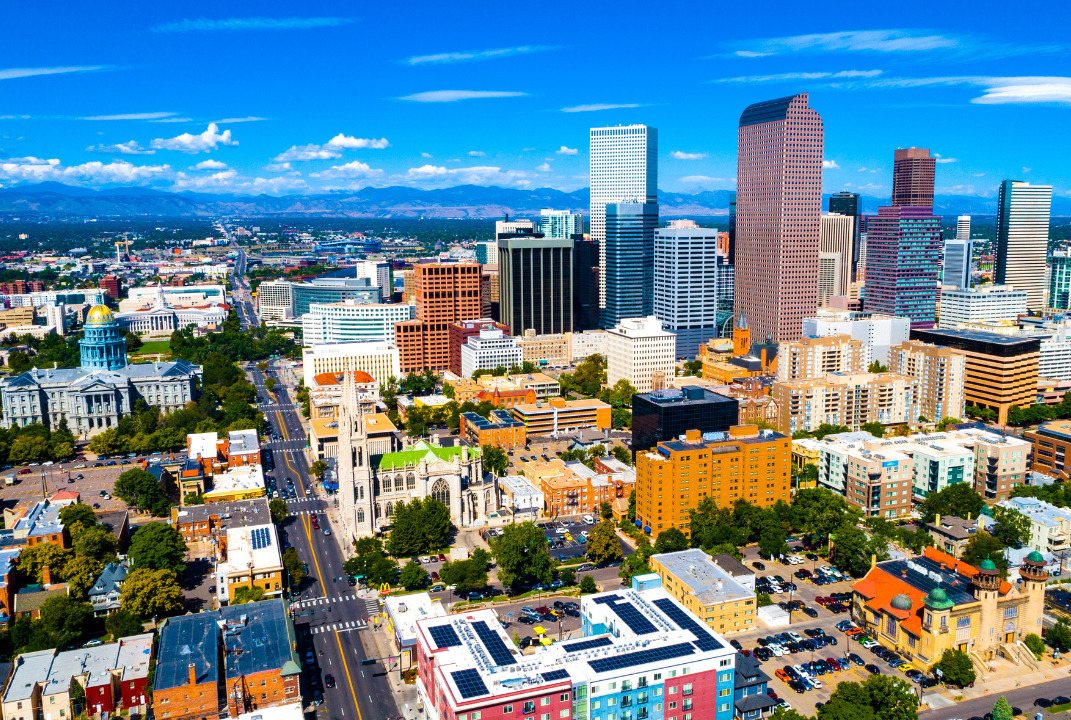
Denver’s Rhythms: How Time Shapes Your Travel & Tourism Experience
The temporal pulse of Denver dictates the flow of daily life and, consequently, your entire travel experience. From the crisp Colorado mornings beckoning outdoor enthusiasts to the vibrant evenings alive with cultural events, understanding the city’s daily rhythm allows you to optimize your itinerary and immerse yourself fully in its unique charm.
Early Mornings and High Altitude Adventures
Denver’s mornings often begin early, especially for those eager to capitalize on the proximity to the Rocky Mountains. Many outdoor excursions, such as a day trip to Rocky Mountain National Park or a scenic drive to Estes Park, require an early start to beat traffic, secure parking, and maximize daylight for hiking or exploring. Coffee shops across the city, from sophisticated cafes in Cherry Creek to cozy nooks in Highlands, open their doors well before 7 AM, catering to early risers and adventurers fueling up for the day. Breakfast spots, offering everything from classic American diners to health-conscious eateries, also begin serving early, ready to energize you for a day of exploration. For instance, popular breakfast joints like Snooze, an A.M. Eatery or Sam’s No. 3 see lines forming early, testament to Denver’s morning vibrancy. Knowing these opening times ensures you’re not left waiting when your stomach is rumbling, or you’re eager to hit the road.

Daytime Exploration: Landmarks and City Life
As the morning progresses, Denver’s landmarks and attractions awaken. Museums like the Denver Art Museum and the Denver Museum of Nature & Science typically open their doors around 10 AM. The lush landscapes of the Denver Botanic Gardens or the diverse animal kingdom at the Denver Zoo also adhere to similar schedules, offering ample time for visitors to explore throughout the day. Iconic spots like Union Station, a beautifully restored transit hub and social gathering place, are bustling from morning till late evening, with shops, restaurants, and bars operating on extended hours. The bustling 16th Street Mall, a pedestrian promenade stretching through downtown, comes alive with shoppers, street performers, and diners enjoying midday meals. Understanding these operational hours is crucial for planning an efficient itinerary, allowing you to transition smoothly from one attraction to the next without feeling rushed or, conversely, wasting precious travel time waiting for places to open. Lunchtime in Denver typically peaks between noon and 1 PM, with numerous eateries offering diverse cuisines.
Evening Entertainment and Dining Scenes
As the day transitions to evening, Denver’s cultural and culinary scenes ignite. Dinner reservations, especially at popular establishments in neighborhoods like RiNo (River North Art District) or Larimer Square, are often essential and should be made well in advance, taking into account Mountain Time. Happy hour, a beloved tradition, typically runs from 4 PM to 6 PM, offering a chance to unwind and enjoy discounted drinks and appetizers after a day of sightseeing. The Denver Center for the Performing Arts hosts a variety of Broadway shows, concerts, and theatrical performances, with curtain times usually starting between 7 PM and 8 PM. Live music venues, ranging from intimate clubs to larger concert halls in the Ballpark District, feature local and national acts well into the night. Nightlife in Denver continues until the early hours, with bars and breweries offering a vibrant social scene. Being aware of these typical operating hours allows you to fully immerse yourself in Denver’s evening allure, whether you seek a sophisticated dining experience, a captivating show, or a lively night out.
Accommodation and Logistics: Time-Sensitive Planning
Effective accommodation planning and managing travel logistics are intrinsically linked to understanding Denver’s time. Every aspect, from your arrival at a luxurious resort to navigating the city’s public transit, is governed by the local clock.
Booking and Check-in/Check-out Times
When booking hotels, suites, apartments, or villas in Denver, paying close attention to check-in and check-out times is paramount. Standard check-in often begins at 3 PM or 4 PM, while check-out is typically 11 AM or noon. If your flight arrives early in the morning, or departs late at night, you might need to arrange for early check-in or late check-out, or consider booking an extra night to avoid waiting around. Luxury properties like the Four Seasons Hotel Denver or The Crawford Hotel at Union Station are often accommodating but may charge additional fees. Even budget-friendly options, such as the Hyatt Regency Denver or the Kimpton Hotel Monaco Denver, will have policies around these times. When making reservations from a different time zone, always confirm the times are expressed in Denver local time to prevent any misunderstandings upon arrival. This foresight ensures a smooth transition from your journey to the comfort of your chosen accommodation.
Managing Your Denver Itinerary Effectively
Beyond hotels, time management plays a critical role in maximizing your Denver itinerary. Whether you’re relying on public transportation like the RTD (Regional Transportation District) light rail and bus system, using ride-sharing services, or renting a car, travel times between attractions can vary. For instance, commuting from downtown Denver to Red Rocks Amphitheatre can take 30-45 minutes without traffic, but significantly longer during peak hours. Similarly, a trip to the Denver Zoo in City Park from the 16th Street Mall requires planning for transit time.
For business stays, adherence to schedules is even more rigid. Knowing the exact time in Denver allows you to confidently schedule meetings, presentations, and networking events, respecting the local business rhythm. If you’re attending a conference at the Colorado Convention Center, confirming session times against your internal clock can prevent the embarrassment of missing a keynote speech or an important breakout session. Utilizing a reliable time converter or a smartphone’s world clock feature is an invaluable tool for any traveler to Denver, ensuring you’re always precisely on schedule.
Living the Denver Lifestyle: Beyond the Clock
While the clock dictates the practicalities of travel, the feeling of time in Denver also shapes the overall lifestyle experience. The city expertly balances its fast-paced urban development with a relaxed, outdoor-oriented culture, influenced by its climate and majestic surroundings.
Seasonal Considerations and Time of Year
The time of year you visit Denver dramatically alters the feel and available activities, largely thanks to the changing length of daylight. In summer (when Daylight Saving Time provides abundant evening light), the city bursts with energy. Days are long and warm, perfect for hiking, biking on trails like the Cherry Creek Bike Path, or attending outdoor festivals. The extended daylight means you can enjoy an afternoon exploring Washington Park and still have hours of light left for dinner and evening entertainment.
Winter, on the other hand, brings shorter days and a magical transformation. While the sun still shines frequently, the earlier sunsets mean that many activities, especially mountain sports in nearby ski towns like Breckenridge, Aspen, or Vail, require careful time management to make the most of the daylight hours on the slopes. However, the early darkness also ushers in a cozy ambiance, perfect for enjoying holiday lights, après-ski gatherings, or evenings by a warm fire in a downtown hotel. Understanding how the season affects daylight and local operating hours is key to planning a trip that aligns with your desired lifestyle and activities.
Balancing Adventure and Relaxation
Denver’s lifestyle encourages a harmonious blend of active adventure and mindful relaxation. While the city’s dynamic growth and entrepreneurial spirit can create a lively pace, the prevailing attitude is one that prioritizes work-life balance and connection with nature. You’ll find locals enjoying their lunch breaks outdoors, utilizing the extensive park systems, or heading to the mountains for a quick escape after work. This laid-back yet energetic vibe suggests that while adhering to a schedule is important, allowing for spontaneity and embracing the city’s pace is equally rewarding. Whether you’re on a luxury trip enjoying spa treatments, a budget adventure seeking free outdoor experiences, a family trip balancing kid-friendly attractions, or a business stay with limited leisure time, appreciating this balance will enhance your time in Denver. Don’t just check the time; feel the time, and let Denver’s unique rhythm guide your unforgettable journey.
In conclusion, the simple question, “What time is it in Denver, Colorado right now?” opens a gateway to a deeper understanding of this incredible city. Operating on Mountain Time and observing Daylight Saving Time, Denver’s clock is a critical component of travel planning, tourism experiences, and seamless accommodation. By being aware of its temporal realities, travelers can optimize their itineraries, avoid logistical headaches, and fully immerse themselves in the vibrant lifestyle of the Mile High City, ensuring every moment, from the first morning light to the last evening star, is cherished and well-spent.
LifeOutOfTheBox is a participant in the Amazon Services LLC Associates Program, an affiliate advertising program designed to provide a means for sites to earn advertising fees by advertising and linking to Amazon.com. Amazon, the Amazon logo, AmazonSupply, and the AmazonSupply logo are trademarks of Amazon.com, Inc. or its affiliates. As an Amazon Associate we earn affiliate commissions from qualifying purchases.