
Florida, the Sunshine State, beckons millions of visitors each year with its pristine beaches, vibrant cities, and world-class attractions. From the magical theme parks of Orlando to the Art Deco splendor of Miami, and the historic charm of St. Augustine, there’s an endless array of experiences awaiting every traveler. However, before you embark on your journey to this tropical paradise, there’s a fundamental question that can significantly impact your planning and overall experience: “What time is it in Florida?” While seemingly simple, understanding Florida’s time zones and their implications is crucial for seamless travel, efficient itinerary planning, and maximizing every moment of your vacation.
Far from being a uniform time zone, Florida actually spans two distinct zones, with an additional layer of complexity added by Daylight Saving Time. For first-time visitors or even seasoned travelers crossing the state, overlooking these details can lead to missed flights, late arrivals for reservations, or confusion about attraction operating hours. This comprehensive guide will illuminate Florida’s time zone landscape, offering practical advice and insights to ensure your trip is perfectly synchronized with the rhythm of the Sunshine State. We’ll delve into how time impacts everything from booking your accommodation and managing your travel schedule to experiencing the local culture and enjoying Florida’s iconic landmarks. Prepare to set your watches, because mastering Florida’s time zones is the first step towards an unforgettable adventure.
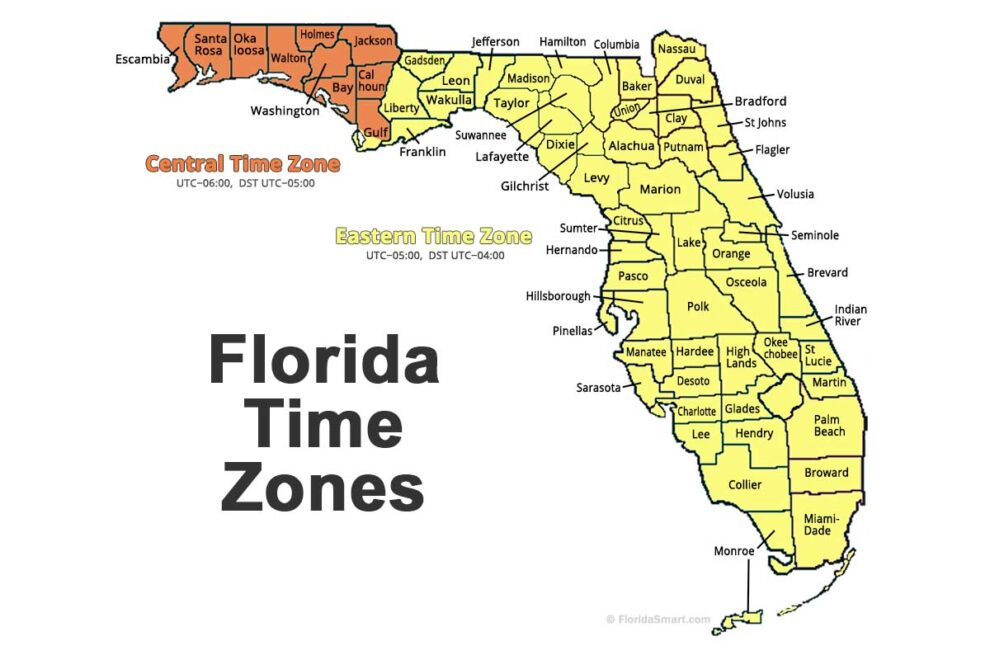
Understanding Florida’s Unique Time Zones
Florida’s geographical expanse dictates its division into two primary time zones, a detail often surprising to those unfamiliar with the state’s elongated shape and diverse regions. The vast majority of Florida operates on one time zone, while a crucial segment in the western part adheres to another. Understanding this distinction is paramount for any traveler planning to explore beyond a single region.
Eastern Time vs. Central Time: A Florida Perspective
The bulk of Florida, including its most populous cities and popular tourist destinations, falls within the Eastern Time Zone (ET). This means that if you’re visiting Orlando, Miami, Tampa, Jacksonville, St. Augustine, or the Florida Keys, you’ll be operating on Eastern Time. This zone encompasses the entire peninsula and extends northwards into much of the Panhandle, including the state capital, Tallahassee. For most travelers, especially those flying into major international airports like Orlando International Airport (MCO) or Miami International Airport (MIA), their entire trip will likely remain within the Eastern Time Zone. This simplifies planning considerably, as all local schedules, from attractions to dining reservations, will align with ET.
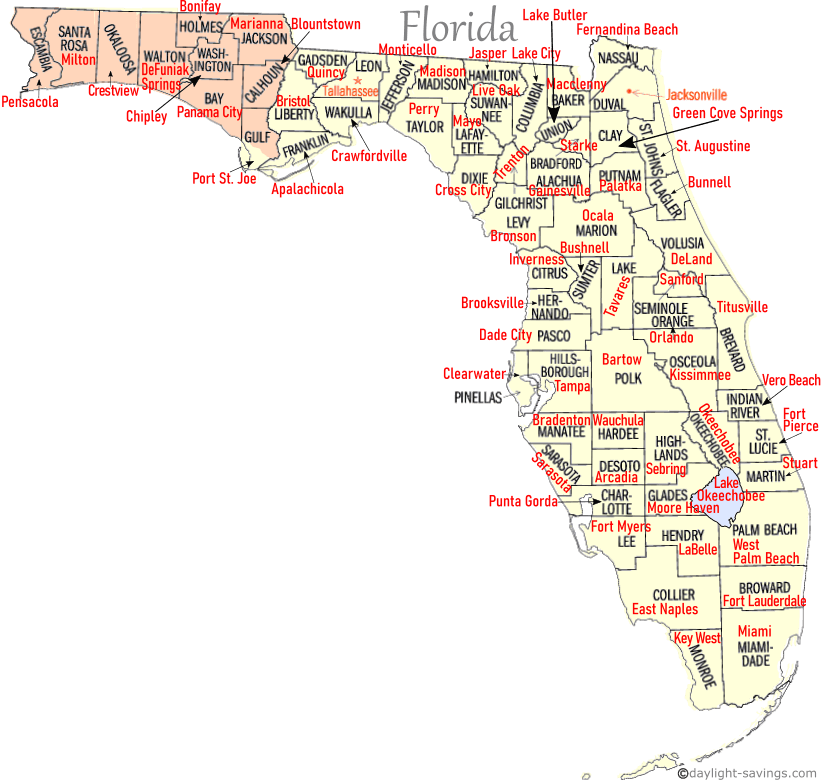
However, a significant portion of the western Florida Panhandle observes the Central Time Zone (CT). This includes counties west of the Apalachicola River, such as Escambia, Santa Rosa, Okaloosa, and Walton counties. Key cities in this Central Time portion include Pensacola, Destin, and Panama City Beach. These destinations are popular for their stunning white-sand beaches and family-friendly resorts. The practical implication here is a one-hour difference compared to the majority of Florida. When it’s 3 PM in Miami, it’s 2 PM in Pensacola.

This time zone boundary often surprises visitors driving across the state. Imagine setting off from Jacksonville (ET) heading west towards Pensacola (CT); you will lose an hour as you cross the invisible line. Conversely, traveling east means you gain an hour. This shift is particularly important for coordinating meetings, flight connections, or timed entry tickets if your itinerary spans both regions. Always double-check the local time for specific destinations within the Panhandle, especially if your travel involves crossing the Apalachicola River. Modern smartphones and GPS devices typically adjust automatically, but it’s always wise to be aware and manually confirm when planning. This understanding is a crucial tip for seamless tourism and travel in the Sunshine State, helping you avoid any temporal missteps that could disrupt your vacation flow.
Daylight Saving Time in the Sunshine State
Adding another layer to Florida’s time considerations is the observance of Daylight Saving Time (DST). Like most of the United States, Florida “springs forward” one hour in March and “falls back” one hour in November. This means that during the warmer months, both the Eastern Time Zone and the Central Time Zone in Florida shift to Eastern Daylight Time (EDT) and Central Daylight Time (CDT) respectively. The relative difference between the two zones (one hour) remains constant, but the absolute time changes.
For travelers, DST primarily affects arrival and departure times for flights, as well as the operating hours of attractions and businesses. If you’re planning a trip during the transition periods, it’s essential to confirm that your travel documents, reservations, and personal devices have updated to the correct time. Most digital devices will automatically adjust, but analog clocks and older systems may not.
Interestingly, Florida has made legislative attempts to make Daylight Saving Time permanent throughout the year. The “Sunshine Protection Act,” passed by the Florida Legislature in 2018, aimed to keep the state on EDT permanently. However, for this to take effect, it requires congressional approval from the U.S. federal government, which has not yet been granted. Therefore, as of now, Florida continues to observe the biannual time change. This means that from roughly early November to mid-March, Florida operates on Eastern Standard Time (EST) and Central Standard Time (CST), and for the remainder of the year, it’s EDT and CDT. Staying informed about these changes, especially if your trip coincides with the “spring forward” or “fall back” dates, will prevent any unexpected temporal surprises and ensure a smooth, well-timed vacation experience.
Time Management for Your Florida Travel Experience
Beyond simply knowing what time it is, truly understanding the implications of Florida’s time zones is fundamental to a stress-free and enjoyable travel experience. Effective time management, informed by the state’s temporal nuances, will allow you to maximize your itinerary, avoid logistical headaches, and fully immerse yourself in all that Florida has to offer. From the moment you book your trip to your departure, time plays a pivotal role in every decision.
Planning Your Itinerary: Flights, Attractions, and Dining
Effective itinerary planning is the backbone of any successful trip, and in Florida, this is inextricably linked to managing time zones. When booking flights, always confirm the departure and arrival times in the local time zone of each airport. A flight arriving at “3 PM” in Pensacola (CT) from Orlando (ET) is actually a 4 PM Eastern departure time. Misinterpreting this can lead to missed connections or unnecessary delays at the airport. Similarly, arranging airport transfers to your hotel or resort requires careful attention to the local time to ensure your ride is waiting precisely when you need it.
Florida’s world-famous attractions operate on strict schedules, and their opening and closing times are always listed in their respective local time zones. If you’re visiting Walt Disney World Resort or Universal Orlando Resort in Orlando, you’ll be on Eastern Time Zone. However, if your plans include the stunning beaches of Panama City Beach and a visit to a local park or marine attraction there, remember you’ll be on Central Time Zone. Booking tours, show times, or specific experiences that require timed entry mandates double-checking the time zone to avoid disappointment. Arriving an hour late (or early) due to a time zone miscalculation can mean missing out on a once-in-a-lifetime show or a coveted reservation.
Dining reservations also fall under this critical umbrella. Florida’s culinary scene, from fine dining establishments to casual beachfront eateries, is incredibly diverse. Whether you’re planning a romantic dinner in South Beach Miami or a seafood feast in Destin, ensure your reservation time aligns with the local clock. Happy hour timings, often a popular draw for budget-conscious travelers or those seeking local culture, are also strictly governed by the local time. Being an hour off could mean missing out on great deals. For a truly immersive experience, embracing the local rhythm also means understanding when shops open, when markets are bustling, and when evening entertainment typically begins. Thoughtful planning, with time zones in mind, transforms a good trip into a great one, allowing you to seamlessly transition between activities and savor every moment without unnecessary stress.
Accommodations and Check-in Logistics
The process of booking and managing your accommodations in Florida is another area where a clear understanding of time zones is crucial. Whether you’re staying in luxurious resorts, spacious suites, charming vacation villas, or convenient apartments, all check-in and check-out times are explicitly stated in the property’s local time. A common pitfall for travelers is to forget about the time zone shift when moving from, say, Orlando (ET) to Pensacola (CT), potentially arriving at their next lodging either an hour late or an hour early.
Most hotels and resorts have standard check-in times, typically in the afternoon, and check-out times in the late morning. If you arrive significantly earlier than the official check-in time due to a time zone change, you might face a wait for your room to be ready or incur an early check-in fee. Conversely, arriving later than expected, especially after a long day of travel, can cause unnecessary stress or even lead to a canceled reservation if the property assumes a no-show without prior notification. Always communicate any potential delays or early arrivals with your accommodation provider, specifying the local time to avoid misunderstandings.
When utilizing online booking platforms or contacting properties directly for reviews or comparisons, be mindful of the time difference between your location and Florida. While most major booking engines automatically adjust for time zones, confirmation emails or direct communication might default to the property’s local time, or even your home time zone if not carefully configured. This becomes even more pertinent for long-term stay arrangements or for coordinating with property managers for vacation rentals, where precise timing for key exchanges or maintenance appointments is essential. A quick double-check of the time zone on all reservation confirmations can save you from inconvenient delays or missed opportunities, ensuring a smooth transition into your temporary Florida home.
Maximizing Your Stay: Lifestyle and Leisure
Beyond the hard logistics of travel, understanding Florida’s time zones also plays a subtle yet significant role in maximizing your overall lifestyle and leisure experiences in the state. Whether you’re indulging in luxury travel, sticking to a budget travel plan, enjoying a family trip, or on a business stay, adjusting to the local time can greatly enhance your well-being and enjoyment.
For travelers arriving from significantly different time zones, managing potential jet lag is a critical component of maximizing your stay. While Florida’s time zones might only be one hour apart within the state, visitors from the West Coast or international destinations will experience a more pronounced shift. Adopting local meal times and sleep schedules as quickly as possible upon arrival can help your body adjust faster, allowing you to be more energetic for sightseeing and activities. This proactive approach ensures you’re fully present and enjoying experiences like a sunrise stroll along Clearwater Beach or a late-night show in Miami Beach, rather than feeling out of sync.
Leveraging the natural rhythm of the day, as dictated by local time, can unlock unique experiences. Planning specific activities around sunrise or sunset, for instance, can lead to breathtaking photo opportunities and memorable moments. Imagine a sunrise kayak trip through the Everglades National Park or a sunset dinner cruise off the coast of Key West. Knowing the exact local time for these natural phenomena ensures you’re in the right place at the right moment. For those on a family trip, understanding how the local time impacts children’s routines – naps, mealtimes, bedtimes – is crucial for maintaining harmony and ensuring everyone enjoys the vacation. Similarly, business travelers must be acutely aware of local working hours for meetings and conferences, ensuring they are punctual and professional. By consciously aligning your personal rhythm with Florida’s clock, you transform a simple visit into an experience where every moment is savored and every opportunity for leisure and enjoyment is fully realized.
Beyond the Clock: Embracing Florida’s Rhythm
While knowing the precise time is essential for logistics, truly experiencing Florida goes beyond mere clock-watching. It involves embracing the state’s unique pace of life, understanding how time has shaped its history, and using time wisely to explore its natural wonders and cultural richness. The temporal framework helps you plan, but the real magic happens when you connect with the state’s inherent rhythm.
From Landmarks to Local Life: Time’s Influence
Florida’s rich tapestry of landmarks and vibrant local life are deeply intertwined with the concept of time. Visiting historical sites requires an appreciation for the passage of centuries. For instance, exploring the ancient streets of St. Augustine, the nation’s oldest continuously inhabited European-established settlement, or walking the battlements of the Castillo de San Marcos, transports you back in time. Understanding that these structures have stood for hundreds of years, witnessing countless sunrises and sunsets, adds a profound layer to your experience. The best times to visit these popular destinations often involve considering local time to avoid peak crowds, allowing for a more serene and immersive historical journey. Early mornings or late afternoons, according to the local clock, can offer a more intimate encounter with these architectural and historical treasures.
Nature, too, operates on its own timeless schedule, which aligns with local time. The Everglades National Park, a designated World Heritage Site, showcases a delicate ecosystem where animal behaviors are dictated by the sun’s position and the time of day. Airboat tours are best enjoyed when wildlife is most active, often in the cooler morning or late afternoon hours. Similarly, the magic of bioluminescence in some of Florida’s waterways is a nighttime spectacle, requiring precise timing to witness. Understanding these natural rhythms, synchronized with the local time, allows you to witness Florida’s natural beauty at its most captivating.
Beyond the iconic sites, experiencing the true flavor of Florida often means tapping into the pace of local culture. From bustling farmer’s markets in the morning to lively evening festivals, local events are scheduled according to the community’s time. Food culture, a vital part of tourism in Florida, also follows a local schedule, whether it’s the early morning rush for Cuban coffee in Little Havana or late-night dining in South Beach. Engaging with these temporal aspects of Florida’s lifestyle offers a deeper, more authentic connection to the state, moving beyond a mere checklist of attractions to a genuine appreciation of its living, breathing rhythm.
Practical Tips for a Timeless Florida Vacation
To ensure your Florida adventure unfolds as smoothly as possible, a few practical tips regarding time management can prove invaluable. These aren’t just about setting your watch; they’re about cultivating a mindset that embraces flexibility and preparedness.
Firstly, always confirm local times for all bookings and reservations. This cannot be overstated. Whether it’s a flight, a guided tour, a dinner reservation, or the check-in time for your villa, double-check the time zone specified in your confirmation. If it’s ambiguous, don’t hesitate to call the provider and clarify. A simple five-minute call can save you hours of inconvenience.
Secondly, leverage modern technology, but don’t rely on it blindly. Your smartphone, smartwatch, and car’s GPS system are typically excellent at automatically adjusting to local time zones. However, if you’re driving across the Florida Panhandle and crossing into the Central Time Zone, it’s a good practice to manually verify the time change on your device or look for road signs indicating the transition. Sometimes, GPS devices might take a moment to update, or cellular signal might be patchy in rural areas. Having a traditional watch set to the local time or mentally confirming the shift can provide peace of mind.
Thirdly, embrace flexibility in your itinerary, especially when crossing time zones. While meticulous planning is encouraged, leaving a little buffer room in your schedule can mitigate the impact of unforeseen delays or time zone adjustments. If you’re traveling with family or on a long-term stay, this flexibility becomes even more critical for managing everyone’s needs without feeling rushed.
Finally, for those arriving from distant time zones, consider a gradual adjustment. If possible, try to shift your sleep schedule a little closer to Florida time in the days leading up to your trip. Once you arrive, spend time outdoors in natural light, stay hydrated, and try to eat meals at local times to help your body acclimate. By proactively managing these temporal aspects, you free yourself to fully engage with Florida’s vibrant tourism scene, its captivating destinations, and its unforgettable experiences without the added stress of being out of sync.
Conclusion
Navigating the nuances of “What Time Is It In Florida?” is more than just a matter of setting your watch; it’s a critical component of intelligent travel planning for the Sunshine State. From understanding the split between the Eastern Time Zone and the Central Time Zone in the Panhandle, to accounting for Daylight Saving Time, being time-aware ensures your Florida vacation remains perfectly on schedule.
We’ve explored how these time considerations impact every facet of your trip: from orchestrating seamless flights and coordinating accommodation check-ins at hotels and resorts, to maximizing your visits to world-renowned attractions like Walt Disney World Resort and historic landmarks like Castillo de San Marcos. We’ve also seen how a keen sense of time can enhance your appreciation of Florida’s local culture, from dining experiences to natural phenomena in places like Everglades National Park.
Ultimately, a mindful approach to Florida’s time zones translates into a smoother, more enriching, and far less stressful journey. By integrating these insights into your travel guides and itinerary, you’re not just saving yourself potential headaches; you’re unlocking the full potential of your visit, allowing yourself to truly embrace the relaxed, vibrant lifestyle that Florida so famously offers. So, set your clocks, prepare for an unforgettable adventure, and let the timeless charm of Florida sweep you away.
LifeOutOfTheBox is a participant in the Amazon Services LLC Associates Program, an affiliate advertising program designed to provide a means for sites to earn advertising fees by advertising and linking to Amazon.com. Amazon, the Amazon logo, AmazonSupply, and the AmazonSupply logo are trademarks of Amazon.com, Inc. or its affiliates. As an Amazon Associate we earn affiliate commissions from qualifying purchases.