
Understanding the precise time in Florida is far more than a simple matter of checking a watch; it’s a critical element for any traveler planning an unforgettable journey to the Sunshine State. With its diverse landscapes, world-renowned attractions, and bustling cities, Florida operates across two distinct time zones, a detail that can significantly impact everything from flight schedules and hotel check-ins to theme park visits and dinner reservations. For those venturing to this vibrant corner of the United States, a clear grasp of Florida’s temporal landscape is essential for a seamless and stress-free experience, ensuring every precious moment of your trip is utilized to its fullest.
This comprehensive guide will not only clarify the current time in various parts of Florida but also delve into why this knowledge is indispensable for travelers. From optimizing your travel itinerary and managing jet lag to enjoying local culture and taking advantage of time-sensitive activities, we’ll explore how time truly shapes your Florida adventure. Whether you’re planning a family trip to a theme park, a luxurious beach escape, a business stay, or an exploration of natural landmarks, understanding Florida’s time zones is your first step towards a perfectly synchronized vacation.
Navigating Florida’s Time Zones: A Traveler’s Essential Guide
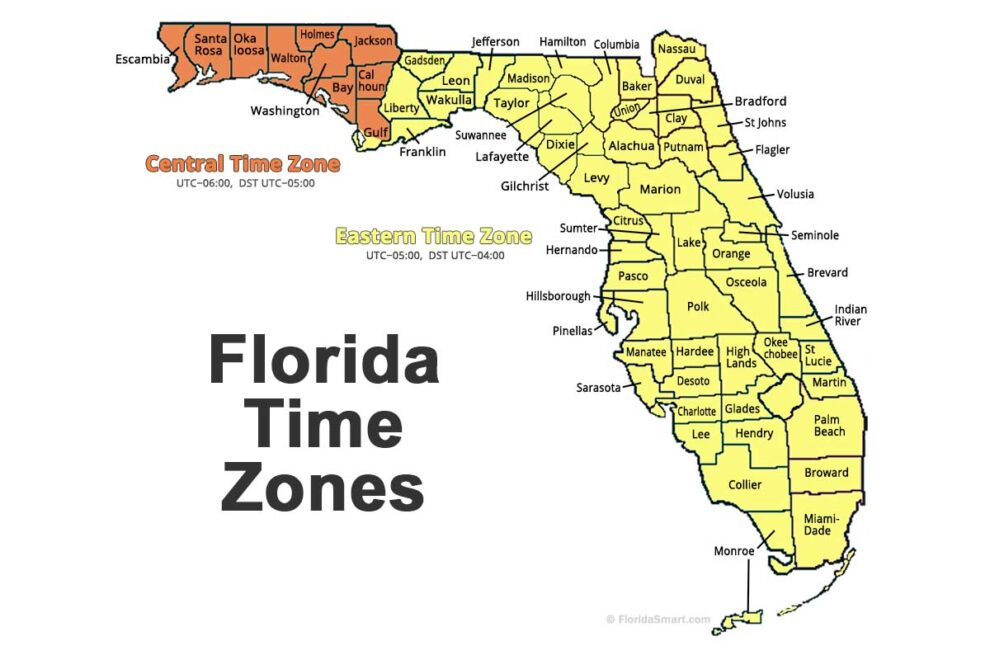
Florida, a peninsula stretching far to the south, primarily resides within one major time zone but also extends into another, creating a unique situation for visitors and residents alike. This geographical nuance means that while much of the state follows a consistent clock, certain western regions march to a different beat. Knowing which time zone applies to your specific destination is paramount for accurate planning and avoiding potential scheduling mishaps.
Eastern Time Zone: The Heartbeat of Florida Tourism
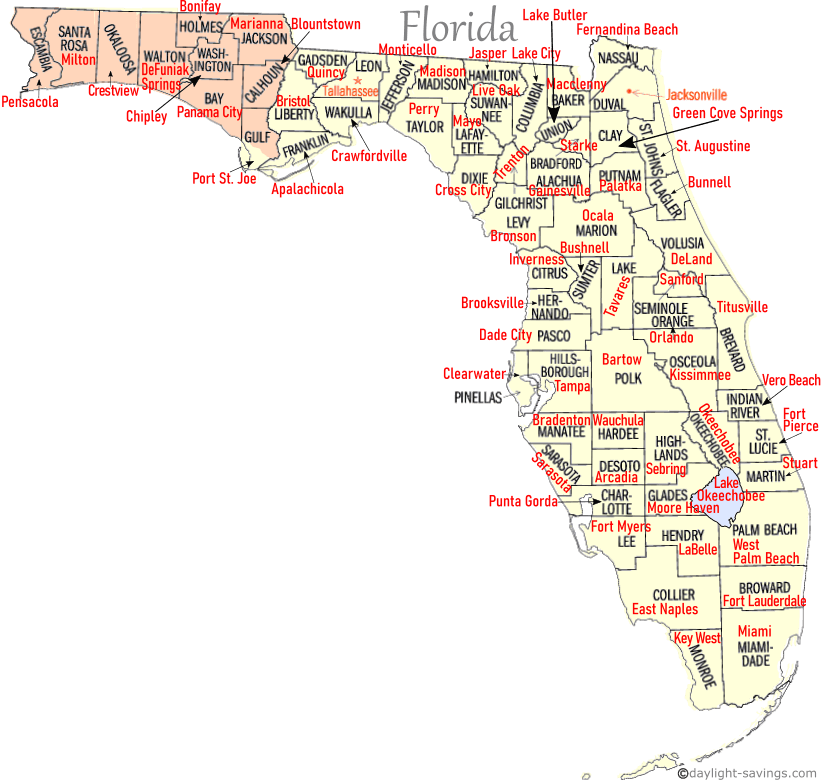
The vast majority of Florida, including its most famous tourist destinations and largest metropolitan areas, observes the Eastern Time Zone. This encompasses virtually the entire peninsula, from the bustling streets of Miami in the south to the historic city of Jacksonville in the north, and westward through Orlando and Tampa. Specifically, this means these areas operate on Eastern Standard Time (EST) during the cooler months and switch to Eastern Daylight Time (EDT) from spring through fall, advancing the clock by one hour.
For travelers, this is the time zone that dictates the pulse of Florida’s most popular attractions. Imagine the carefully orchestrated schedules of Walt Disney World Resort or Universal Orlando Resort, where every minute counts from rope drop to fireworks. Flight arrival and departure times at major hubs like Orlando International Airport and Miami International Airport are also firmly set within EST/EDT. Whether you’re booking a deep-sea fishing charter off the coast of Key West, reserving a table at a gourmet Miami restaurant, or scheduling a tee time on a championship golf course in Tampa, all these activities will adhere to the Eastern Time Zone. This consistency across most of the state simplifies planning for many, but it’s crucial not to forget the exception.
Central Time Zone: The Panhandle’s Distinct Rhythm
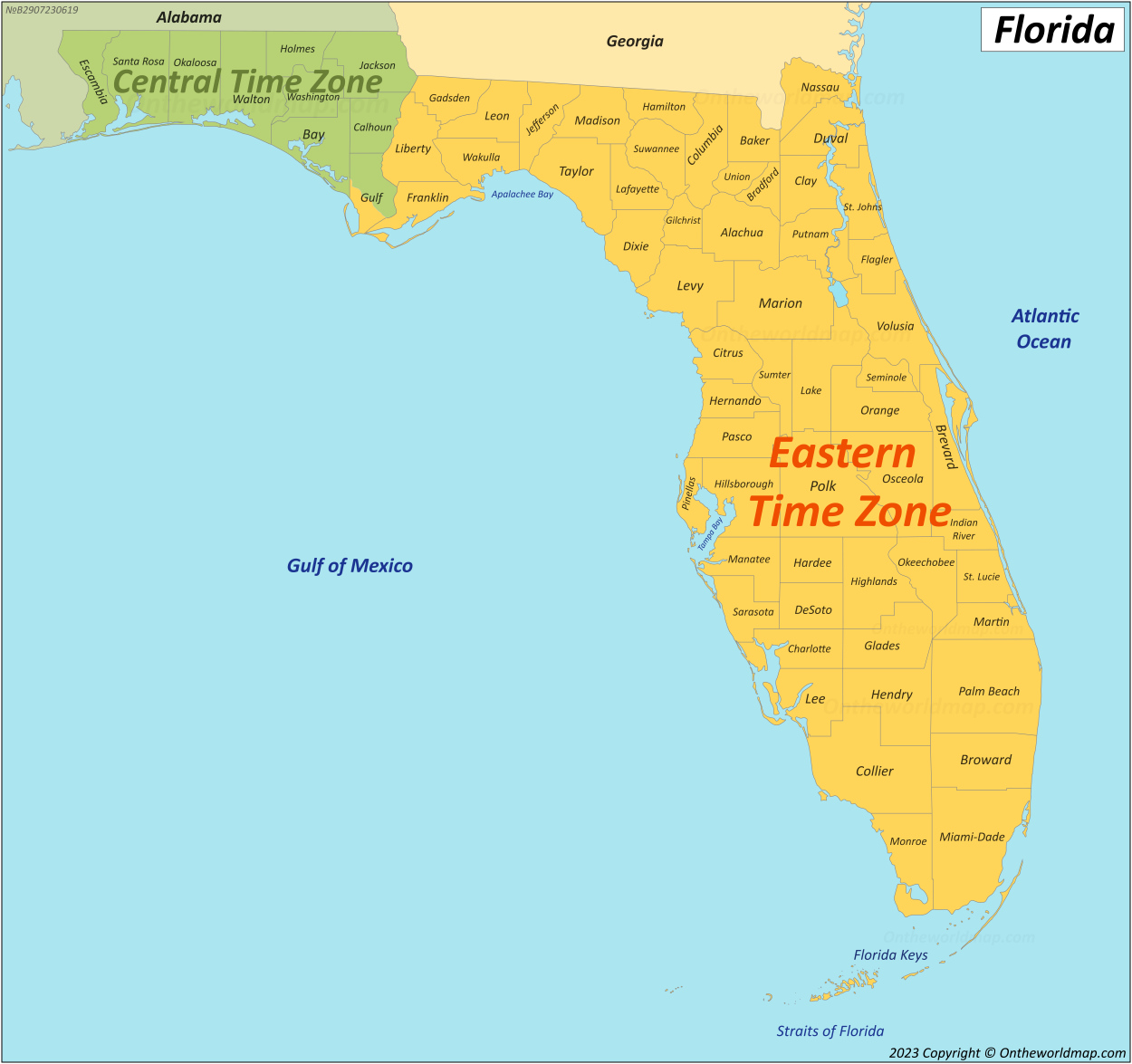
The northwestern portion of Florida, known as the Panhandle, operates on the Central Time Zone. This area includes vibrant coastal cities like Pensacola, Panama City Beach, and Destin. Similar to the Eastern Time Zone, this region observes Central Standard Time (CST) in winter and switches to Central Daylight Time (CDT) during the warmer months. This means the Panhandle is always one hour behind the rest of peninsular Florida.
This time difference is especially important for travelers embarking on road trips across the state, particularly those who might fly into Orlando or Tampa and then drive to the Panhandle, or vice versa. A seemingly short drive can unexpectedly result in a time change, affecting everything from estimated arrival times to pre-booked accommodation check-ins. Imagine booking a sunset dolphin cruise in Destin at 6 PM local time, only to realize too late that your internal clock is still set to 7 PM EST. Confirming local times for all reservations, particularly for hotels and excursions, becomes critical when your travel plans bridge these two zones. Awareness of the Panhandle’s distinct rhythm ensures you don’t miss out on its pristine beaches, water sports, or unique local culture due to a simple oversight in timekeeping.
Both Eastern and Central Time Zones in Florida observe Daylight Saving Time, typically beginning on the second Sunday in March and ending on the first Sunday in November. During these months, clocks are moved forward by one hour, meaning Florida operates on EDT and CDT. This shift primarily affects how much daylight you’ll have for evening activities, making those long summer nights perfect for outdoor exploration, but it maintains the one-hour difference between the state’s two time zones.
The Indispensable Role of Time in Florida Travel Planning
For any visitor to Florida, time isn’t just a number; it’s a fundamental aspect of successful travel planning, influencing logistics, experiences, and overall enjoyment. From the moment you begin envisioning your trip to the final farewell, understanding and managing time effectively can make the difference between a meticulously organized adventure and a chaotic scramble.
Optimizing Your Itinerary: Flights, Hotels, and Attractions
Precise time management is the bedrock of a well-executed Florida travel itinerary. For starters, flight schedules are absolute. Missing a flight, or even a tight connection, can derail an entire trip, leading to unforeseen expenses and stress. International travelers, in particular, must contend with significant time zone differences, requiring careful planning to synchronize their arrival with local Florida time. Always double-check flight times, especially when booking connecting flights within or beyond Florida, as a simple miscalculation could lead to costly delays.
When it comes to accommodation, hotel check-in and check-out times are rigid. Arriving too early might mean waiting hours for your room to be ready, while departing late can incur additional fees. Many resorts and apartments in Florida offer specific booking slots for amenities like spa treatments, restaurant reservations, or private beach cabanas. Missing these pre-booked windows due to time zone confusion or poor planning can mean forfeited experiences or lost deposits. For longer stays, understanding how billing cycles align with your arrival and departure times can prevent unexpected charges. Proper scheduling ensures a smooth transition from your journey to relaxation.
Florida’s myriad attractions and landmarks also operate on strict schedules. Theme parks open and close at specific hours, often with variations depending on the season or day of the week. Kennedy Space Center Visitor Complex, Everglades National Park, and countless museums and galleries all have designated operating times. Arriving too late could mean rushing through an exhibit or missing a scheduled show, while arriving too early might leave you waiting in long lines. Many popular tours, boat trips, and wildlife encounters, which are cornerstones of Florida tourism, also have fixed departure times. Booking these experiences with a clear understanding of the local clock ensures you’re present and ready to immerse yourself in everything Florida has to offer.
Bridging the Time Gap: International and Business Travelers
For international visitors, the impact of time extends beyond mere scheduling; it significantly affects personal well-being. Battling jet lag is a common challenge for those crossing multiple time zones. Symptoms can range from fatigue and disorientation to disrupted sleep patterns and digestive issues, all of which can severely dampen the enjoyment of a vacation. Strategies like gradually adjusting sleep schedules before departure, staying hydrated, avoiding excessive caffeine and alcohol, and seeking natural light upon arrival are crucial for a quicker adaptation to Florida’s time. Starting your day with an early flight might sound daunting, but it often allows more time to adjust upon arrival, making the subsequent days more enjoyable.
Business travelers face an additional layer of complexity. Maintaining communication with home offices, clients, or colleagues across different time zones requires meticulous planning. Scheduling virtual meetings, responding to emails, and coordinating projects demands constant awareness of the time differences. A business trip to Florida may mean adjusting your personal schedule to accommodate calls with partners in Europe in the early morning or with Asia late at night. The ability to seamlessly bridge this time gap is a hallmark of successful business travel, ensuring productivity while away from the main office. For those mixing business with leisure, a clear understanding of time zones helps carve out personal time without impinging on professional commitments.
Experience Florida: Time-Sensitive Activities and Local Rhythms
Florida’s appeal lies in its diverse array of activities and vibrant local culture, many of which are inherently time-sensitive. From the natural phenomena that unfold at specific hours to the social rhythms of its cities, understanding the local clock is key to truly experiencing the state.
From Sunrise to Sunset: Making the Most of Your Florida Days
The natural beauty of Florida often dictates its own schedule. Witnessing a breathtaking sunrise over the Atlantic Ocean or a spectacular sunset over the Gulf of Mexico requires being in the right place at the right time. Many unique experiences are tied to these moments: early morning yoga on the beach, sunrise fishing charters, or romantic sunset cruises. Missing these fleeting spectacles by even a few minutes can mean missing them entirely.
Mid-day in Florida is often reserved for its major attractions – the bustling theme parks, interactive museums, and shopping districts. However, the intense midday sun in summer can also influence optimal timing for outdoor activities. Many savvy travelers plan indoor activities during the hottest hours or head to water parks for a refreshing break. As evening approaches, Florida’s vibrant nightlife, world-class dining, and diverse entertainment options come alive. Whether it’s catching a live music performance in South Beach, enjoying a gourmet meal in Orlando’s culinary scene, or experiencing a captivating dinner show, all these activities demand adherence to specific schedules.
Beyond scheduled events, understanding local culture often means understanding its rhythms. In some Florida cities, particularly those with a significant retiree population, “early bird specials” at restaurants might be offered between 4 PM and 6 PM. In contrast, the dining scene in Miami often starts much later, with many fashionable establishments not truly filling up until after 8 PM or even 9 PM. Adjusting to these local temporal preferences allows visitors to immerse themselves more authentically in the destination.
Special Events and Seasonal Considerations
Florida is a hub for numerous special events, festivals, concerts, and sporting competitions throughout the year. From the adrenaline-pumping Daytona 500 race to international art festivals, music concerts, and seasonal food and wine events, these occasions almost invariably operate on strict, time-bound schedules. Purchasing tickets in advance and noting start times are crucial. Arriving late not only means missing out but can also cause disruptions for other attendees.
Seasonal changes also play a role in how time affects your trip. During the summer months, with Daylight Saving Time in effect, Florida benefits from longer daylight hours, providing ample opportunity for outdoor activities well into the evening. This means more time for beach strolls, exploring nature trails, or enjoying outdoor dining. Conversely, during winter, shorter daylight hours mean attractions might close earlier, and planning needs to account for reduced visibility for activities like boating or hiking in the late afternoon. Recognizing these seasonal shifts in daylight helps travelers pack their days with the most suitable activities and manage expectations for outdoor excursions.
Practical Tools and Tips for Time Management in Florida
In today’s interconnected world, managing time across different zones has become significantly easier, thanks to modern technology. Leveraging these tools and adopting a few simple habits can ensure your Florida trip runs like clockwork.
Firstly, your smartphone is your best friend. Most modern smartphones automatically update to the local time zone when you arrive, making it easy to know the current time instantly. Always ensure your phone’s automatic time zone setting is enabled. Additionally, numerous apps offer world clocks and time zone converters, allowing you to easily compare Florida’s time with your home time zone or another reference point. This is invaluable for communicating with family or colleagues back home without accidentally calling them in the middle of the night.
Secondly, always consult official websites for the most accurate information on operating hours. Whether it’s a theme park, a museum, a national park, or a specific tour operator, their official website will provide the most up-to-date opening and closing times, often with seasonal variations clearly noted. Do not rely solely on third-party booking sites or general information platforms, as these might not always reflect last-minute changes.
Thirdly, cultivate the habit of setting reminders. For crucial appointments, reservations, or activities, set multiple alarms or calendar reminders on your phone. Factor in travel time to your destination, especially in larger cities like Orlando or Miami where traffic can be unpredictable. An extra 15-30 minutes buffer can save you from stress and ensure punctuality.
Finally, and perhaps most importantly, always reconfirm booking times. A quick call or email to your hotel, restaurant, or tour operator a day or two before your scheduled activity can prevent any misunderstandings, especially if you’re traveling across the Eastern and Central Time Zones within Florida. This simple step provides peace of mind and allows you to enjoy your Florida experience without worrying about timing errors.
In conclusion, while the question “What time is it in Florida USA?” might seem straightforward, its answer unfolds into a rich tapestry of travel considerations. From navigating its dual time zones to optimizing every aspect of your itinerary – flights, accommodation, and attractions – a keen awareness of time is crucial. Whether you’re an international traveler battling jet lag, a business professional balancing global communications, or a family seeking to maximize fun at Florida’s famous theme parks, thoughtful time management ensures a seamless and enriching journey. Embrace the rhythm of the Sunshine State, plan meticulously, and prepare to make memories that truly last a lifetime.