
Stepping onto the shores of the Hawaiian Islands, visitors often feel a profound sense of stepping not just into a different place, but into a different rhythm of life entirely. The gentle sway of palm trees, the warm embrace of the Pacific Ocean, and the serene backdrop of volcanic peaks create an ambiance that makes time itself seem to slow down. But beyond this metaphorical shift, Hawaii operates on a distinct literal time schedule, one that sets it apart from the rest of the United States and indeed much of the world. Understanding “what time it is in Hawaii” is more than just a matter of checking a clock; it’s the first step in preparing for an unforgettable journey to this tropical paradise, minimizing jet lag, and maximizing every precious moment of your adventure.

Understanding Hawaii Standard Time (HST)
Hawaii Standard Time (HST) is the official time zone for the entire Hawaiian Islands archipelago. It’s unique for a few key reasons, primarily its consistency and its significant offset from other major global time zones.
No Daylight Saving Time: A Constant Haven
One of the most significant aspects of HST is its unwavering nature: Hawaii does not observe Daylight Saving Time. This means that while many parts of the world spring forward and fall back, the clock in Hawaii remains constant year-round. This offers a welcome predictability for residents and a minor convenience for travelers, who don’t have to worry about adjusting their internal clocks or travel plans twice a year. This consistency reinforces the islands’ reputation as a timeless escape, where the natural cycles of sunrise and sunset dictate the rhythm of the day, rather than an arbitrary clock change.
HST vs. UTC and Other Major Time Zones
Hawaii Standard Time is precisely 10 hours behind Coordinated Universal Time (UTC-10). This places it significantly westward of the continental United States and Canada, leading to substantial time differences that travelers must account for:
- Pacific Standard Time (PST): During standard time, HST is 2 hours behind PST (e.g., 10 AM HST is 12 PM PST). When PST shifts to Pacific Daylight Time (PDT), the difference extends to 3 hours (e.g., 10 AM HST is 1 PM PDT).
- Mountain Standard Time (MST): The difference is 3 hours during standard time (e.g., 10 AM HST is 1 PM MST) and 4 hours during Mountain Daylight Time (MDT).
- Central Standard Time (CST): A 4-hour difference during standard time (e.g., 10 AM HST is 2 PM CST) and 5 hours during Central Daylight Time (CDT).
- Eastern Standard Time (EST): The largest gap within the continental United States and Canada, with HST being 5 hours behind EST (e.g., 10 AM HST is 3 PM EST) and 6 hours behind Eastern Daylight Time (EDT).
For international travelers, especially from Europe or Asia, these differences become even more pronounced. For instance, London (GMT/UTC+0) is 10 hours ahead of Hawaii, meaning midday in Honolulu is late evening in the UK. This significant time shift is a crucial element to consider when planning your trip, particularly regarding communication with home, business obligations, and, most importantly, managing the effects of jet lag.
Practical Implications for Travelers: Managing the Time Difference
Understanding the time difference is foundational for a smooth Hawaiian vacation. For those arriving from the East Coast of the United States, a 5-6 hour shift can be jarring. Your body will likely be convinced it’s much later than the local time, leading to early morning awakenings or midday drowsiness. This is where strategic planning comes into play, ensuring you arrive refreshed and ready to embrace the Aloha Spirit. Flights typically arrive in the afternoon or evening, which can be advantageous if you can resist the urge to sleep immediately upon checking into your accommodation. Pushing through until a reasonable local bedtime, even if it feels late back home, is key to resetting your internal clock.
Navigating Time Zones: Planning Your Hawaiian Escape
A trip to Hawaii is an investment in relaxation and adventure, and meticulous planning, especially around time zone adjustments, can significantly enhance your experience. Beyond just knowing the current time, strategizing your arrival and activities can turn potential challenges into seamless transitions.
Overcoming Jet Lag: Tips for a Smooth Transition
Jet lag is the unwelcome companion of long-haul travel, but with a few proactive steps, its effects can be minimized, allowing you to quickly immerse yourself in the beauty of Hawaii.
- Pre-arrival Adjustments: A few days before your flight, gradually shift your sleep schedule closer to Hawaiian Standard Time. Even shifting your bedtime and meal times by an hour or two can make a noticeable difference.
- Hydration and Nutrition: Stay well-hydrated before, during, and after your flight. Dehydration exacerbates jet lag symptoms. Opt for light, healthy meals on the plane and avoid excessive alcohol and caffeine, which can disrupt sleep patterns.
- Embrace Sunlight: Upon arrival, expose yourself to natural sunlight as much as possible, especially in the mornings. Sunlight helps regulate your circadian rhythm, signaling to your brain that it’s daytime in Hawaii. Early morning walks along the beach are not only beautiful but also therapeutic for resetting your internal clock.
- Stay Active: Gentle activity like swimming, walking, or light hiking can help combat fatigue and promote better sleep at night. Avoid strenuous exercise immediately upon arrival, as this can add to your body’s stress.
- Prioritize Sleep: While it might be tempting to power through, quality sleep is paramount. Ensure your chosen hotel or resort offers comfortable amenities. Consider amenities like blackout curtains and a quiet environment, especially in popular tourist hubs like Waikiki. If you find yourself waking up very early, try to relax and stay in bed until a more reasonable local hour, or engage in a quiet activity like reading.
By thoughtfully preparing for the time difference, you can spend less time feeling groggy and more time enjoying the vibrant culture, stunning landmarks, and diverse experiences Hawaii has to offer.
The Best Time to Visit: Balancing Weather and Crowds

While the time zone remains constant, the “best time to visit” Hawaii depends on your priorities regarding weather, crowd levels, and budget. The islands boast a remarkably consistent tropical climate year-round, but there are subtle distinctions.
- Seasonal Variations:
- Dry Season (April to October): This period generally offers sunnier, drier weather, with comfortable temperatures. It’s ideal for beach activities, hiking, and exploring the outdoors. However, these months also coincide with summer vacations and holidays, meaning higher prices for hotels and flights, and larger crowds at popular attractions.
- Wet Season (November to March): While termed “wet,” this period still offers plenty of sunshine. Showers are typically brief and localized, often occurring in the mornings or evenings, or on the windward (eastern) sides of the islands. This is also whale-watching season, particularly from December to May. Traveling during these months, especially outside of holiday peaks like Christmas and New Year’s, can mean fewer crowds and potentially more affordable accommodation options.
- Peak Travel Times: School holidays and major festivals (like the Honolulu Marathon in December or the Merrie Monarch Festival in Hilo in spring) draw significant numbers of visitors. If you’re seeking a quieter experience or a more budget-friendly trip, aim for shoulder seasons (late April to May, or September to early November).
- Considering Events and Festivals: Immerse yourself in local culture by aligning your visit with a Hawaiian festival. Beyond the Merrie Monarch Festival, there are food festivals, surfing competitions on the North Shore of Oahu, and cultural celebrations throughout the year. Checking a local events calendar can add a unique dimension to your travel plans.
Ultimately, there’s no “bad” time to visit Hawaii, but choosing wisely based on your preferences will help ensure your trip aligns with your ideal lifestyle and expectations.
Beyond the Clock: Experiencing Hawaii’s Timeless Charm
While understanding the clock is practical, the true magic of Hawaii lies in its ability to transport you to a place where time seems less relevant. Each island offers a unique tapestry of experiences, from ancient cultural practices to modern luxury, all infused with the enduring Aloha Spirit.
Island Hopping: Discovering Diverse Landscapes and Cultures
Hawaii is not a single destination but a collection of distinct worlds, each with its own character and allure. Island hopping is highly recommended for those with the time and inclination to explore beyond a single base.
- Oahu: The Gathering Place: As the most populated island, Oahu combines cosmopolitan flair with stunning natural beauty.
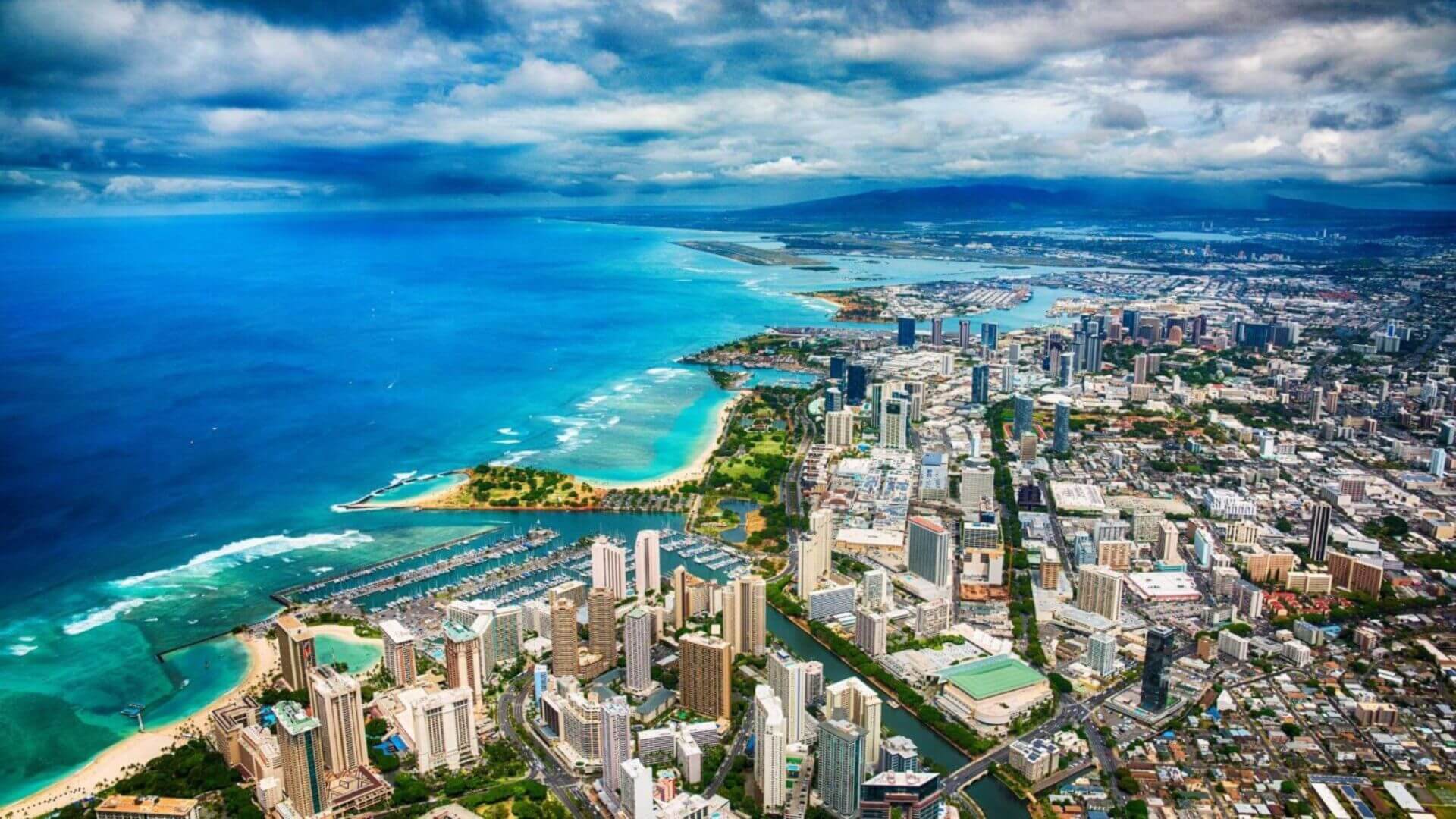
- Waikiki: Famed for its iconic beach, vibrant nightlife, and luxury resorts like the Halekulani or the Moana Surfrider, A Westin Resort & Spa, Waikiki is a hub for tourism. Here, you can learn to surf, enjoy fine dining, or shop at designer boutiques. Don’t miss a hike up Diamond Head for panoramic views.
- Pearl Harbor: A poignant historical landmark, offering insights into a pivotal moment in American history.
- North Shore: A legendary surfing destination, particularly in winter when colossal waves draw professional surfers from around the globe. Beyond the surf, explore charming towns and pristine beaches like Waimea Bay.
- Polynesian Cultural Center: An immersive experience celebrating the diverse cultures of Polynesia through villages, performances, and a grand luau.
- Maui: The Valley Isle: Renowned for its breathtaking landscapes and world-class resorts, Maui offers a blend of adventure and relaxation.
- Road to Hana: An iconic scenic drive, winding through lush rainforests, past cascading waterfalls, and along dramatic coastlines. It’s an all-day journey best undertaken with patience and a sense of adventure.
- Haleakala National Park: Witnessing the sunrise from the summit of Haleakala, a dormant volcano, is an unforgettable experience, offering views above the clouds.
- Lahaina: A historic whaling town with charming shops, art galleries, and oceanfront dining.
- Wailea and Kaanapali: Home to some of Maui’s most luxurious resorts, such as the Andaz Maui at Wailea Resort or the Hyatt Regency Maui Resort and Spa, offering pristine beaches and upscale amenities.
- Kauai: The Garden Isle: Characterized by its dramatic cliffs, emerald valleys, and pristine beaches, Kauai is a haven for nature lovers and adventurers.
- Na Pali Coast: Best experienced by boat tour or helicopter, these towering, fluted cliffs are among the world’s most stunning natural wonders. The Kalalau Trail offers an arduous but rewarding hiking experience.
- Waimea Canyon State Park: Often called the “Grand Canyon of the Pacific,” this vast canyon offers spectacular views and numerous hiking trails.
- Poipu: On the sunnier south shore, Poipu offers beautiful beaches and family-friendly resorts like the Grand Hyatt Kauai Resort & Spa.
- Big Island (Hawaii Island): The largest and youngest island, the Big Island is a land of extremes, from active volcanoes to snow-capped peaks.
- Hawaii Volcanoes National Park: Home to two of the world’s most active volcanoes, Kilauea and Mauna Loa. Witnessing glowing lava flows (when active and safe) is a truly once-in-a-lifetime experience.
- Kona Coast: Known for its calm waters, excellent snorkeling, and world-famous Kona coffee plantations.
- Mauna Kea: At nearly 14,000 feet, this dormant volcano is home to world-class observatories and offers incredible stargazing opportunities, making it a unique landmark.
- Molokai and Lanai: For those seeking a more secluded and authentic Hawaiian experience, these smaller islands offer a glimpse into old Hawaii, with fewer crowds and a focus on natural beauty and cultural preservation.
Accommodation Choices: From Luxury Resorts to Boutique Stays
Hawaii offers a vast array of accommodation options to suit every taste, budget, and travel lifestyle. From sprawling luxury resorts to intimate boutique hotels and charming vacation rentals, finding the perfect place to rest your head is an integral part of your travel experience.
- Luxury Resorts: For a truly indulgent experience, Hawaii boasts some of the world’s most exquisite luxury resorts. Brands like Four Seasons Resort Maui at Wailea, The Ritz-Carlton, Kapalua, or Disney’s Aulani Resort & Spa offer unparalleled service, stunning oceanfront locations, multiple swimming pools, world-class spas, and gourmet dining. These are ideal for honeymooners, families seeking all-inclusive entertainment, or anyone looking for a pampered escape.
- Boutique Hotels and Eco-Lodges: For travelers who prefer a more personalized and intimate setting, Hawaii has a growing number of boutique hotels. These properties often highlight local design elements, offer unique amenities, and provide a deeper connection to the island’s culture. Eco-lodges, particularly on the Big Island or Kauai, cater to environmentally conscious travelers, offering sustainable practices and immersion in nature.
- Vacation Rentals and Apartments: For families, groups, or those planning a long-term stay, vacation rentals and apartments (condos) are an excellent choice. Platforms like Airbnb or VRBO offer properties ranging from cozy studios to expansive multi-bedroom homes, often with full kitchens, allowing for a more budget-friendly travel experience and the flexibility to prepare your own meals.
- Booking Strategies: Regardless of your choice, early booking is highly recommended, especially if you’re traveling during peak season. Comparison websites can help you find the best deals, and don’t forget to check for packages that combine flights and hotels. Reading reviews from previous guests can also provide valuable insights into the quality and suitability of a property.
Indulging in Hawaiian Lifestyle: Food, Activities & Culture
Beyond its time zone and stunning scenery, Hawaii’s true allure lies in its vibrant local culture and the myriad activities it offers, all infused with the laid-back yet profound Hawaiian lifestyle.
- Local Cuisine: Food is a cornerstone of any travel experience, and Hawaii’s culinary scene is a delicious fusion of Polynesian, Asian, and American influences.
- Poke: This fresh raw fish salad is a ubiquitous and essential Hawaiian dish. Seek out local markets and dedicated poke shops for the freshest varieties.
- Luau: An absolute must for visitors, a traditional luau is more than just a meal; it’s a cultural celebration featuring traditional song, dance (hula), and an elaborate feast, often including kalua pig cooked in an imu (underground oven).
- Shave Ice: A refreshing treat, far superior to a snow cone, with finely shaved ice topped with vibrant fruit syrups, often accompanied by ice cream and sweetened condensed milk.
- Explore farmers’ markets for fresh tropical fruits, local produce, and artisanal goods. Don’t miss sampling Kona coffee on the Big Island or macadamia nuts from various farms.
- Activities & Adventures: Whether you’re an adrenaline junkie or seeking serene natural beauty, Hawaii delivers.
- Surfing: From beginner lessons on Waikiki Beach to watching pros tackle massive waves on Oahu’s North Shore, surfing is synonymous with Hawaii.
- Snorkeling & Diving: The clear, warm waters teem with vibrant marine life. Popular spots include Hanauma Bay on Oahu and Molokini Crater off Maui.
- Hiking: Explore volcanic craters, lush rainforests, and dramatic coastal trails. The Kalalau Trail on Kauai and trails within Hawaii Volcanoes National Park offer incredible experiences.
- Stargazing: Mauna Kea on the Big Island offers some of the best stargazing opportunities on Earth due to its high altitude and minimal light pollution.
- Embracing the Aloha Spirit: This profound philosophy of love, peace, and compassion is woven into the fabric of Hawaiian life. Engaging with locals, attending cultural events, visiting historical sites like Iolani Palace (the only official residence of royalty in the United States), and learning a few Hawaiian words can enrich your understanding and appreciation of this unique culture. Consider taking a hula lesson or learning about traditional lei making.
Making the Most of Every Hawaiian Moment
Your journey to Hawaii, while requiring a mindful adjustment to its unique time zone, promises an unparalleled experience that transcends the ordinary. By planning thoughtfully and embracing the rhythm of island life, you can unlock a vacation filled with unforgettable memories.
Beyond just the clock, there are practical travel tips that can further enhance your visit. Packing wisely is essential; think light layers, reef-safe sunscreen, comfortable walking shoes, and swimwear. Transportation varies by island, but rental cars are often recommended for exploring independently, especially on islands like Maui or the Big Island. On Oahu, Honolulu’s public transportation, “TheBus,” is extensive, and ride-sharing services are available.
Budgeting for your trip is another key consideration. While Hawaii can be a luxurious destination, it’s also possible to enjoy it on a more modest budget. Budget travel can involve opting for vacation rentals over five-star resorts, cooking some of your meals, taking advantage of free natural attractions like beaches and hiking trails, and seeking out local eateries. Conversely, for those seeking luxury travel, the islands offer exclusive experiences, from private helicopter tours over Kauai’s Na Pali Coast to stays at ultra-high-end villas with dedicated concierge services.
Whether you’re embarking on a family trip, a romantic getaway, or even a business stay that incorporates leisure, the islands cater to all. Understanding that “what time it is in Hawaii” is just the beginning of understanding its distinct charm. It’s an invitation to slow down, to breathe deeply, and to reconnect with nature and a vibrant culture. Allow yourself to adjust to the pace, soak in the sunshine, and let the Aloha Spirit guide your journey. The memories you create in this timeless paradise will surely last long after you’ve returned home, reminding you of the moments where the clock seemed to stand still.
LifeOutOfTheBox is a participant in the Amazon Services LLC Associates Program, an affiliate advertising program designed to provide a means for sites to earn advertising fees by advertising and linking to Amazon.com. Amazon, the Amazon logo, AmazonSupply, and the AmazonSupply logo are trademarks of Amazon.com, Inc. or its affiliates. As an Amazon Associate we earn affiliate commissions from qualifying purchases.